In the rapidly evolving world of electronics, the choice of connectors plays a crucial role in device performance. Magnetic Pin Connectors, known for their robust design and ease of use, have garnered significant attention. A recent industry report indicates that the global market for magnetic connectors is projected to grow by over 8% annually. This growth underscores the importance of selecting the right connector for specific applications.
When choosing Magnetic Pin Connectors, several factors should be considered. The connector's magnetic strength, durability, and compatibility with existing systems are paramount. Experts recommend evaluating these aspects to ensure optimal functionality. However, many manufacturers offer varying qualities, making the decision process challenging. Users often overlook subtle differences that could impact long-term performance.
Moreover, matching connectors to device specifications remains a complex affair. Many customers find themselves unsure which connectors best fit their projects. While some connectors may seem interchangeable, the right choice ensures reliability and efficiency. Investing time in understanding these elements can lead to better technology integration and overall success in electronic design.
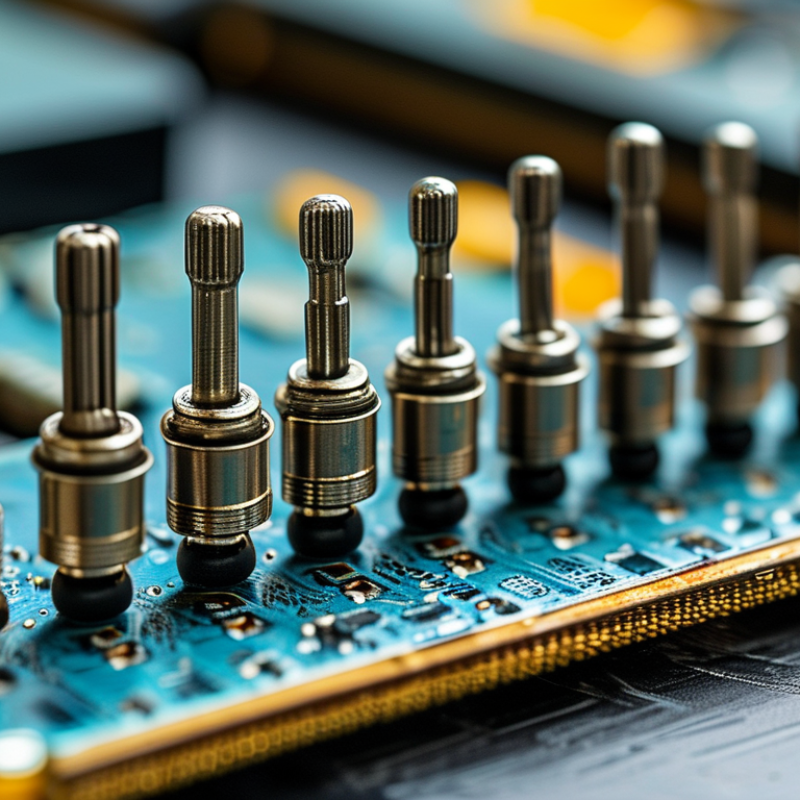
Understanding Magnetic Pin Connectors and Their Applications
Magnetic pin connectors offer versatility across various applications, from consumer electronics to industrial machinery. These connectors utilize magnetic forces for alignment and connection, making them a practical choice for industries needing quick assembly and disassembly. According to a report by Research and Markets, the global market for magnetic connectors is projected to grow by 15% annually, indicating their increasing importance in modern technology.
In consumer electronics, magnetic pin connectors enhance user experience. They enable easy charging for devices like smartphones and wearables, promoting durability. A study by the International Electrotechnical Commission revealed that devices using magnetic connectors showed a 25% reduction in wear and tear compared to traditional connectors. Such statistics underscore their reliability and efficiency.
Applications in medical devices also highlight their significance. Magnetic connectors simplify connections in critical equipment, reducing the risk of user error. The FDA has noted that connectors that reduce assembly mistakes can prevent device failure, leading to serious health risks. As industries evolve, the need for robust, user-friendly connections continues to rise, making magnetic pin connectors an essential consideration for future designs.
Key Factors to Consider When Selecting Magnetic Pin Connectors
When selecting magnetic pin connectors, there are several key factors to consider. One important aspect is the connectivity requirements of your project. These connectors must provide reliable electrical connections while allowing for easy detachment. Evaluate how frequently the connectors will be connected and disconnected. A connector designed for heavy usage should withstand wear and tear better than one meant for occasional use.
Another factor is the size and shape of the connectors. Magnetic pin connectors come in various dimensions. Ensure the chosen connectors fit within the space constraints of your design. Consider how they will interact with other components. Larger connectors may offer stronger magnetic hold, but they can also limit flexibility in design. Also, materials matter; certain metals offer better conductivity. Even slight variations in material choice can lead to performance issues.
Lastly, pay attention to environmental factors. Will the connectors face exposure to moisture, dust, or extreme temperatures? These conditions can influence the longevity and reliability of the connectors. A seemingly minor detail, like a protective coating, may significantly impact durability. It's crucial to weigh these factors carefully as improving connector performance will often require trade-offs in other areas.
Evaluating the Compatibility of Magnetic Pin Connectors with Your Devices
When evaluating the compatibility of magnetic pin connectors with your devices, focus on specific parameters. These connectors come in various sizes and pin configurations. Analyzing the connector's pin pitch is essential. Standard sizes like 1.0 mm or 1.5 mm might fit particular devices, but deviations can lead to connection failures.
Consider the current rating of the connectors. According to industry reports, connectors rated below 3A may not support high-power applications. Matching your device's voltage and current requirements with the connector is crucial. Devices that require higher power levels may face performance issues if a lower-rated connector is used.
The material used in the connectors is equally important. For instance, gold-plated connectors provide better conductivity and corrosion resistance. This can enhance the durability and reliability of the connection over time. However, be aware that some cheaper alternatives may offer lower performance. Evaluating the overall quality and specifications ensures that the selected connector meets your needs efficiently. In real-world applications, frequent mismatches have led to functionality issues and device failures, reminding designers to double-check compatibility before finalizing their choices.
Assessing Durability and Reliability in Magnetic Pin Connectors
When selecting magnetic pin connectors, durability and reliability are crucial factors. These connectors are often used in various applications, from medical devices to consumer electronics. A reliable connector should withstand repeated use without failure. Assessing materials and design is key to ensuring longevity. For instance, connectors made from high-quality metals and plastics demonstrate better resistance to wear and tear.
Consider the environmental conditions where the connectors will be used. Exposure to moisture and extreme temperatures can impact performance. Look for connectors rated for specific environments. This information can guide you in choosing connectors that perform reliably under stress. Testing under real-world conditions can also reveal potential weaknesses.
A good practice is to evaluate the connector's locking mechanism. A secure connection can significantly impact reliability. An inadequate connection might lead to intermittent functionality. It’s always wise to check user reviews or case studies. Real-life experiences can shed light on long-term durability. Making an informed decision is key.
Durability and Reliability Assessment of Magnetic Pin Connectors
Exploring Manufacturer Reputation and Quality Assurance for Connectors
When selecting magnetic pin connectors, evaluating manufacturer reputation is crucial. A reliable manufacturer often has years of experience in the industry. Look for companies with a solid track record in producing high-quality connectors. Seek out customer reviews and testimonials. They can provide insight into product performance and durability.
Quality assurance standards are vital in connector production. Check if manufacturers follow international quality standards. This reflects their commitment to producing safe and reliable products. Some manufacturers may advertise their certifications but fail to maintain them. This inconsistency raises concerns about their reliability.
Consider the materials used in manufacturing these connectors. High-quality materials contribute to their longevity and performance. Some might cut corners on materials to reduce costs. This can lead to issues like poor connectivity or manufacturing defects. Engaging with manufacturers directly may help clarify these details. It’s necessary to ask questions and seek transparency regarding their processes.
Top 10 Tips for Choosing Magnetic Pin Connectors
| Tip Number |
Tip Description |
Considerations |
Quality Assurance Factors |
| 1 |
Research Manufacturer Reputation |
Check reviews and ratings. |
ISO certifications, client testimonials. |
| 2 |
Evaluate Product Quality |
Analyze components and materials used. |
Quality control processes, safety standards. |
| 3 |
Consider Technical Specifications |
Ensure connectors meet your requirements. |
Specification sheets, compliance reports. |
| 4 |
Examine Compatibility |
Check compatibility with existing systems. |
Interoperability testing results. |
| 5 |
Assess Pricing Strategy |
Balance cost vs. quality. |
Warranty terms, return policies. |
| 6 |
Check for Certifications |
Look for industry standards compliance. |
RoHS, CE, UL certifications. |
| 7 |
Inspect Customer Support |
Evaluate the manufacturer’s support services. |
Response time, support channels available. |
| 8 |
Review Delivery Reliability |
Check lead times and delivery schedules. |
Order fulfillment rates, on-time delivery metrics. |
| 9 |
Gather Industry Insights |
Consult with industry professionals. |
Market research, white papers. |
| 10 |
Request Samples |
Test connectors before bulk purchase. |
Sample evaluation results, feedback from trials. |
Conclusion
Magnetic Pin Connectors have become increasingly popular due to their versatility and ease of use in various applications. When choosing a Magnetic Pin Connector, it is essential to understand how these connectors work and the contexts in which they are most effective. Evaluating compatibility with your devices is a crucial step, ensuring that the connector meets specific technical requirements and integrates seamlessly with existing technology.
Additionally, durability and reliability are paramount factors to consider. The quality of materials used and the connector's ability to withstand wear and tear can significantly affect performance. Finally, exploring the reputation of manufacturers and their quality assurance processes is vital to ensure you are selecting a reliable Magnetic Pin Connector. Taking these key factors into account will help you make an informed decision tailored to your specific needs.

 Rongqiangbin Electronic