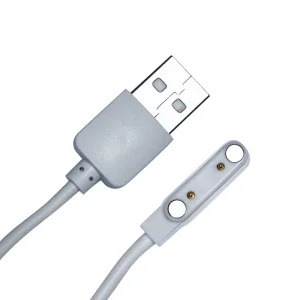
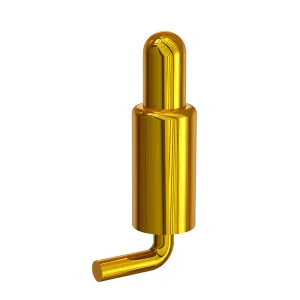
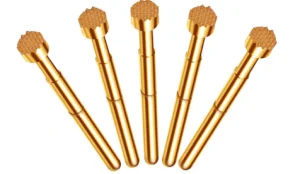
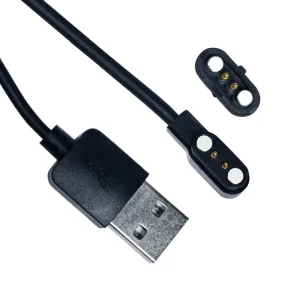
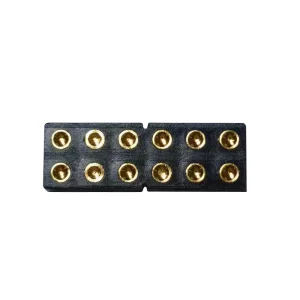
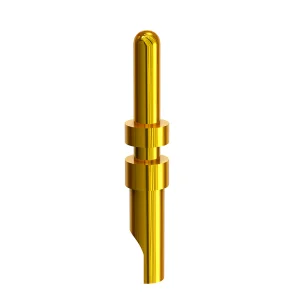
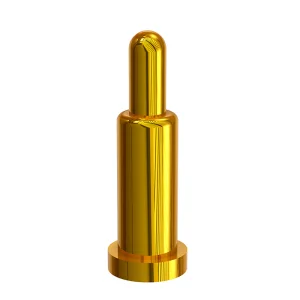
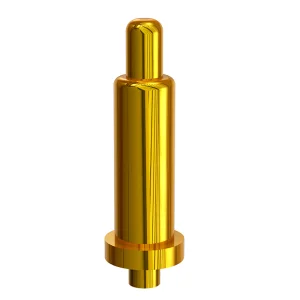
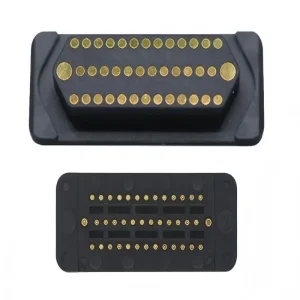
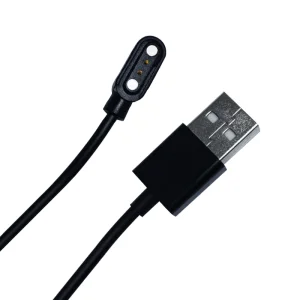
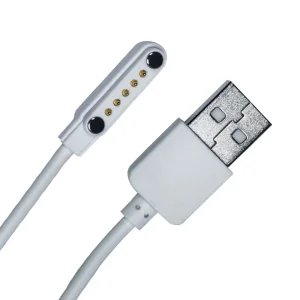
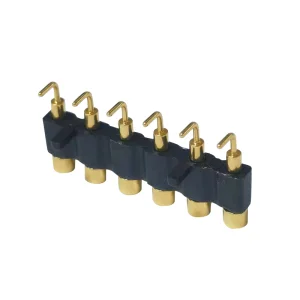
Explore our high-performance pogo pin connectors, custom magnetic cable assemblies, and specialized mechanical interfaces engineered for modern electronic devices.
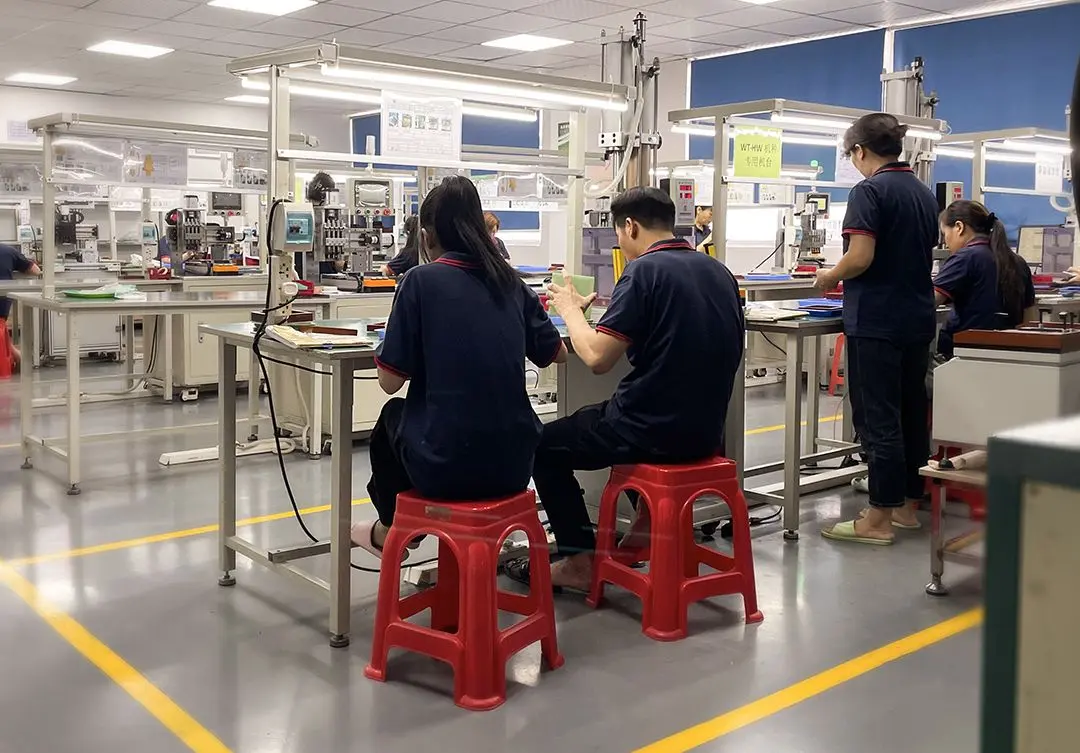
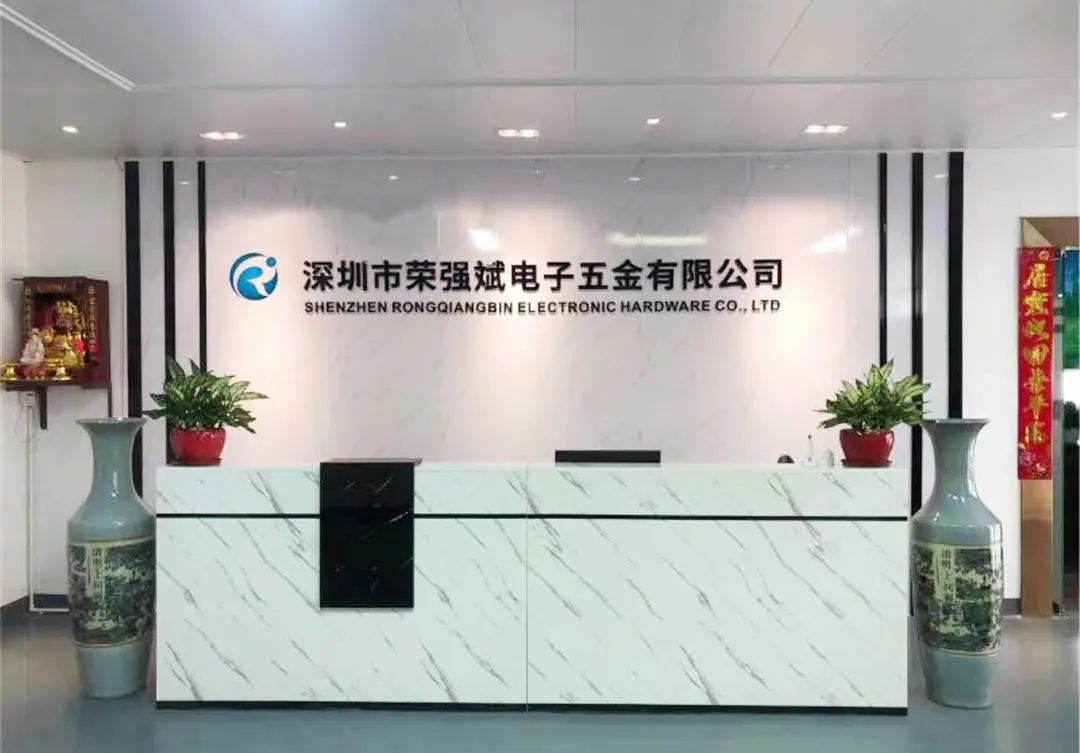

Shenzhen Rongqiangbin Electronic Hardware Co., Ltd. Advanced Manufacturing Base
Shenzhen Rongqiangbin Electronic Hardware Co., Ltd. is located in Shenzhen, the leading city of the Guangdong-Hong Kong-Macao Greater Bay Area. Our company was founded in February 2011 in Songgang Street, Shenzhen, specializing in the development and manufacturing of premium Pogopin connectors. After years of relentless efforts and technological sedimentation, the company has gradually become a trusted leader in the industry.
With a comprehensive footprint covering design, prototype testing, high-volume production, and logistical support, we offer global procurement teams unparalleled reliability. By utilizing localized raw materials and highly automated assembly lines, we optimize manufacturing costs without sacrificing the mechanical and electrical integrity of our interconnect solutions.
Our commitment to zero-defect engineering, structural durability, and high volume flexibility makes us a preferred Tier-1 supplier.
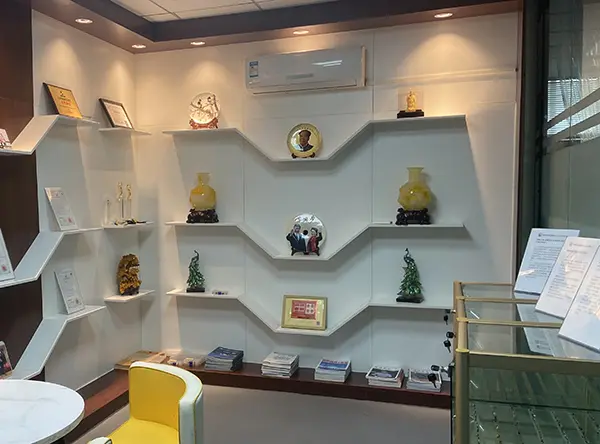
Over a decade of dedicated expertise serving 4000+ global clients and holding 300+ patents in spring-loaded pin and magnetic connector technologies.
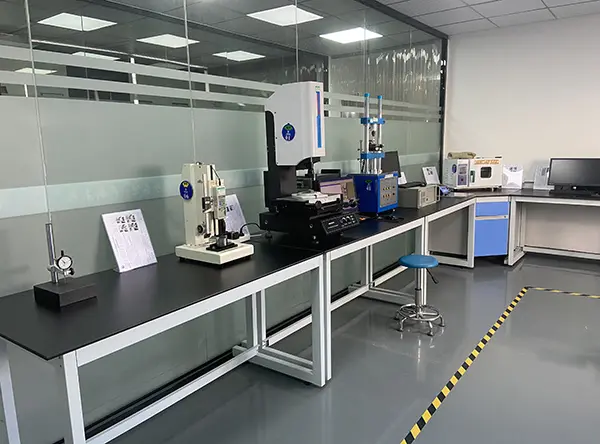
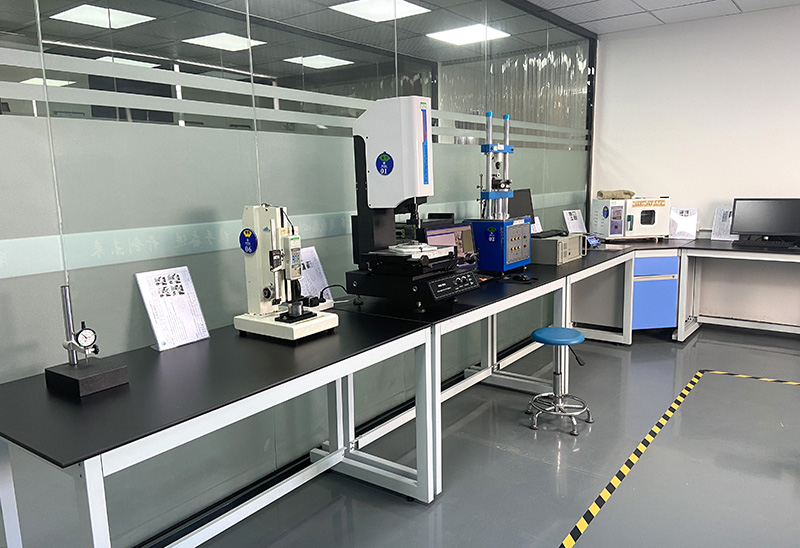
Perfect system certification (ISO9001:2015) combined with high-precision testing equipments to ensure long-term durability and electrical efficiency.
Rigorous quality protocols fulfilling inspections during real-time automated production and conducting comprehensive test parameters before final shipping.
Optimized logistics and flexible toolings enable fast delivery schedules and customized engineering support for custom magnetic cables and connectors.
An authoritative guide on the thermodynamic, mechanical, and safety protocols for desoldering and replacing spring-loaded contacts.
In electronic manufacturing and repair, the question of how to remove pogo pins occurs frequently due to board re-work, component upgrades, or testing fixture maintenance. Pogo pins are micro-machined contacts made of a copper alloy barrel, an internal spring, and a plunger. Because they contain mechanical moving parts and are often electroplated with gold, removing them requires precision and heat control to protect the PCB traces and surrounding SMD components.
Before initiating removal, engineers must identify how the pogo pin is mounted. The primary mounting configurations include:
To safely de-solder pogo pins without lifting pads or overheating adjacent microcontrollers, prepare the following tools:
1. Apply a generous amount of tacky flux around the base of the pogo pin.
2. Set your hot air rework station to 280°C - 300°C with moderate air flow. Do not use high airflow, as this can dislodge nearby SMD resistors.
3. Heat the solder joint evenly by moving the hot air nozzle in a circular pattern around the pin's base.
4. Using ESD tweezers, apply light lateral pressure. When the solder liquefies, gently lift the pin vertically. Do not pull with force; if the solder is not fully molten, pulling will tear the PCB pad off the substrate.
1. Coat both the top and bottom joints of the THT pin with liquid flux.
2. Melt a small blob of fresh solder on your iron tip to maximize heat transfer, then touch the pin joint on the PCB.
3. Use a high-power vacuum solder pump (solder sucker) on the opposite side of the board to pull the solder out of the barrel. Alternatively, lay solder braid over the joint and press the flat iron tip down.
4. Once the solder is cleaned from the through-hole, gently wiggle the pogo pin tail using tweezers. If loose, slide the pin out of the board.
Excessive thermal exposure can melt the plastic carrier of multi-pin connectors, warp the PCB substrate, or cause the internal pogo pin spring to lose its tension. If you plan to reuse the pogo pin, never touch the plunger with a soldering iron tip, as gold plating will quickly dissolve into the solder, leading to oxidation and high electrical contact resistance.
Unpacking the strategic supply chain dynamics that make Shenzhen Rongqiangbin the global benchmark for high-reliability, cost-efficient interconnect solutions.
Sourcing electronic components requires a fine balance between budget and performance. While global buyers look for "cheap" manufacturing, they must avoid low-quality materials that cause contact failure. China's Greater Bay Area, and specifically Shenzhen, offers a highly integrated supply chain that yields substantial cost efficiencies without compromising E-E-A-T reliability.
Meeting global compliance directives and providing direct technical support for international engineering teams.
Industrial electronics, new energy vehicles, and medical devices require strict compliance with international standards. Shenzhen Rongqiangbin aligns all design and manufacturing steps with these regulations:
Committed to be excellent POGO PIN manufacturers for both quality and cost on home and abroad, and leading connector technology development.
Guided by our core values of "customer first, integrity first", we run environmental management programs alongside our production to supply sustainable products worldwide.

Pogo pins provide low-resistance, high-mating-cycle connections across critical modern industries.
We supply custom high-current charging pins and signal connectors designed to withstand road vibration, thermal expansion, and harsh under-the-hood conditions.
Waterproof SMT pogo pins are widely used in TWS earbuds, charging cases, and smartwatches, offering corrosion resistance against sweat and moisture.
These pins provide stable, low-noise connections for handheld diagnostic equipment, patient monitors, and home health devices requiring high reliability.
Answers to common engineering questions regarding the removal, selection, and customization of pogo pins.
Q1: Can I reuse a pogo pin after removing it from a PCB?
Yes, but you must take precautions. If you used high temperatures or bent the pins, the internal spring might be compromised. We recommend using a fresh pin for production, though you can reuse pins for prototyping if they show no signs of heat damage or solder accumulation on the plunger.
Q2: How do you prevent the plastic housing from melting during pogo pin removal?
Use localized heating with a small hot air nozzle directed away from the plastic housing. Alternatively, apply low-temperature alloys to lower the melting point of the solder joints, allowing you to remove the pins quickly before heat spreads to the housing.
Q3: What makes pogo pin connectors better than standard pin headers?
Pogo pins allow for non-rigid mating, tolerate misalignment, support millions of duty cycles, and are ideal for quick-docking interfaces, such as magnetic charging cables and testing fixtures.
Q4: How do gold plating thicknesses affect the cost and performance of pogo pins?
Thicker gold plating (e.g., 10u" to 30u") increases wear resistance, prevents oxidation, and lowers contact resistance, making it ideal for medical and automotive uses. Thinner plating (e.g., 1u" to 3u") is more cost-effective for high-volume consumer electronics.
Q5: Can Shenzhen Rongqiangbin design custom magnetic connectors?
Yes. We specialize in custom magnetic connector assemblies, providing 2D/3D CAD models and prototype samples to match your specific mechanical alignment and electrical requirements.
Q6: What certifications do your factories hold for environmental compliance?
Our production lines are ISO9001:2015 certified, and all raw materials comply with the European Union's RoHS 2.0 and REACH environmental safety directives.
Q7: What is the typical lead time for high-volume B2B orders?
Standard products ship in 7 to 10 days. Custom configurations requiring mold modifications or custom tooling typically deliver within 15 to 25 business days.
Q8: How do you guarantee the quality of outgoing shipments?
We run automated optical inspection (AOI), spring force tests, dynamic contact resistance measurements, and salt spray testing to ensure durability in harsh conditions.
Discover more spring-loaded pogo pin configurations, multi-contact sockets, and high-frequency data interfaces.
 Rongqiangbin Electronic