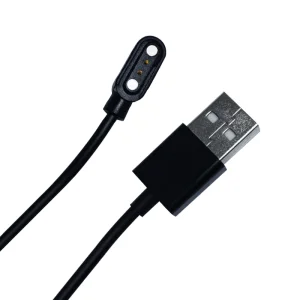
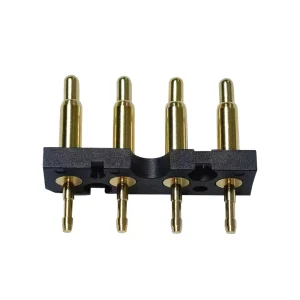
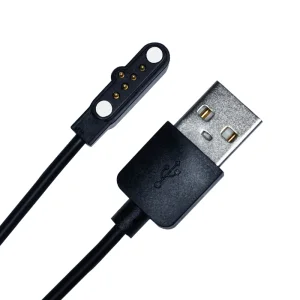
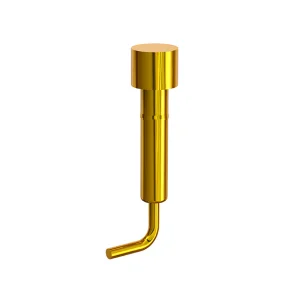
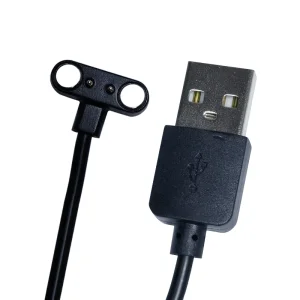
In modern electronic engineering, the integration of magnetic mating mechanisms has shifted from a convenience feature in consumer-grade smart wearables to a critical engineering requirement in high-voltage industrial applications. Global procurement teams looking for cheap magnetic power connector 120v suppliers & factories face a complex technical hurdle: balancing strict cost constraints with the critical safety requirements of high-voltage systems. Unlike low-voltage USB counterparts (typically operating at 5V to 24V), a 120V AC/DC interface must manage intense electrical fields, prevent dielectric breakdown, handle physical mating fatigue, and eliminate safety risks such as contact arcing.
The global demand for high-performance, cost-effective magnetic coupling interfaces is growing rapidly. From industrial automation systems and medical equipment arrays to light electric vehicles (LEVs) and modular smart appliances, hardware developers are recognizing the value of zero-insertion-force (ZIF) quick-release systems. When an equipment cable is subject to pulling or tripping hazards, a magnetic connector detaches cleanly, preventing expensive socket wear or catastrophic equipment damage. However, locating suppliers capable of producing these advanced mechanisms at wholesale prices requires a deep dive into manufacturing processes, materials science, and QA automation.
"Sourcing a cheap 120V magnetic power connector does not mean compromising on safety. True cost-efficiency is achieved through precision stamping, automated pogo-pin assembly, and optimized NdFeB magnet integration in factories that understand the physics of high-voltage mating."
At 120 volts, the risk of electrical arcing during connection and disconnection increases dramatically compared to low-voltage systems. To prevent carbon buildup (which damages the pins and degrades conductivity over time), specialized contact geometries and housing designs are required.
To safely handle 120V power, magnetic connectors must be designed with pin configurations that break the circuit before the magnetic force drops below a critical threshold, or utilize auxiliary contacts to absorb the connection spark. By utilizing secondary pogo-pin channels for detection, power flow is only initiated once the primary magnetic latch is confirmed secure.
Standard connector housings break down under high voltage. Premium factories utilize Liquid Crystal Polymer (LCP) or Polybutylene Terephthalate (PBT) reinforced with glass fiber. These materials offer high dielectric strength (exceeding 15 kV/mm) and can withstand temperatures up to 250°C during assembly soldering.
The retention force of NdFeB (Neodymium-Iron-Boron) magnets must be tuned precisely. If the force is too weak, vibrations will cause contact resistance to spike, leading to thermal buildup. If the force is too high, the break-away safety feature is compromised. Modern factories target a mating force between 5N and 25N depending on the weight and flexibility of the attached wire.
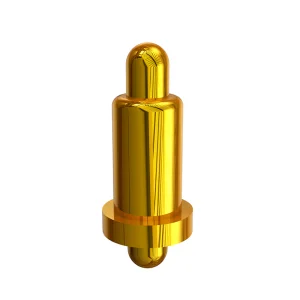
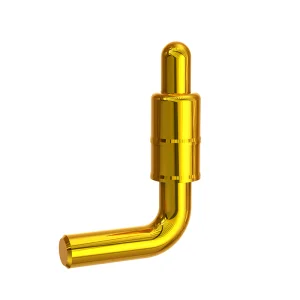
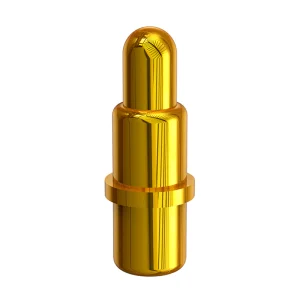
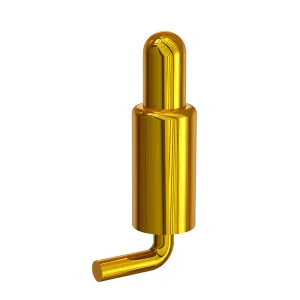
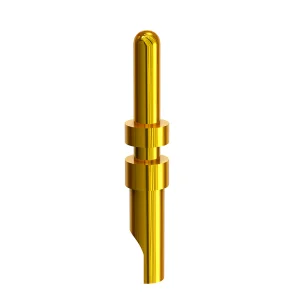
Since pogo pins act as the primary contact path, they require heavy gold (Au) plating over nickel (Ni). For high-reliability applications, plating thicknesses of up to 30 micro-inches of gold are specified. This lowers contact resistance to under 30mΩ and prevents galvanic corrosion from humidity and sweat.
Many procurement managers search for "cheap" options because they need to hit targeted bills of materials (BOM) metrics. However, in the high-voltage market, buying sub-par components can lead to costly field failures, product recalls, or liability claims. The goal is to find suppliers who achieve cost savings through process optimization and vertical integration rather than material reduction.
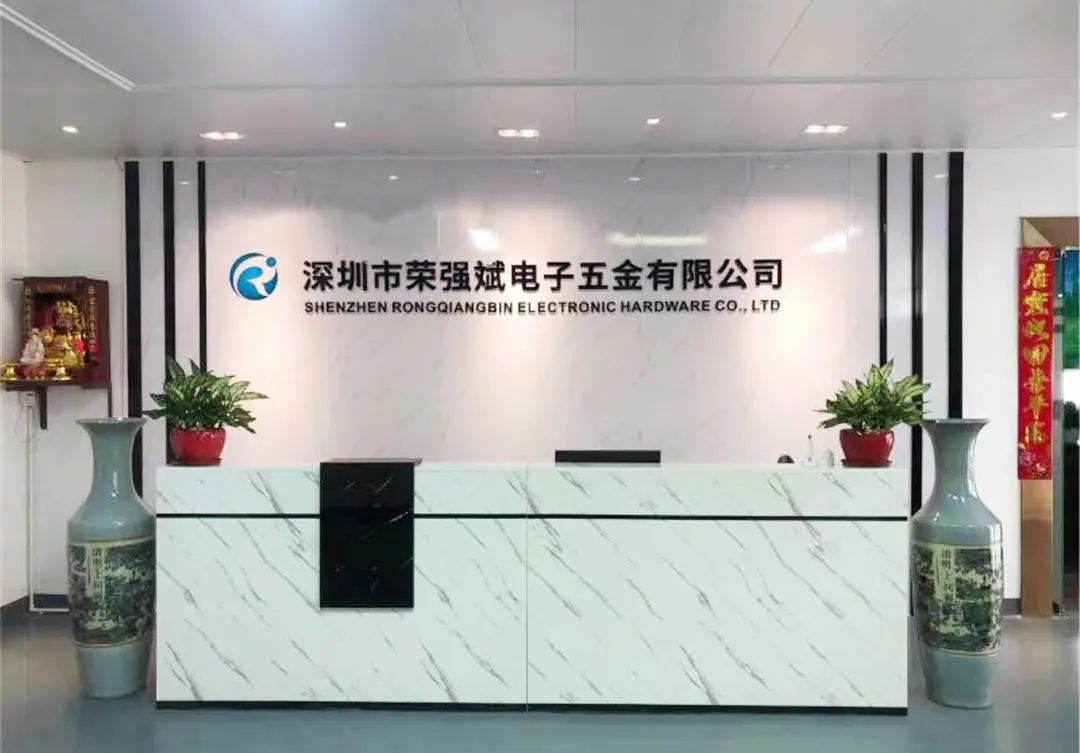
Shenzhen Rongqiangbin Electronic Hardware Co., Ltd. (RQB) represents the ideal combination of affordability and high quality. With our centralized manufacturing hub in Songgang Street, Shenzhen, we leverage a highly localized supply chain for turned copper pins, automated plastic injection molding, and optimized magnet assembly. By automating 95% of our pogo-pin assembly lines, we minimize labor overhead and achieve a defect rate of under 50 PPM (parts per million), allowing us to pass these cost savings directly to global buyers.
Selecting the correct interface configuration is crucial to achieving system performance and cost optimization. The table below outlines our technical pathways for standard and high-voltage magnetic systems:
| Connector Type | Voltage Rating (Max) | Current Carrying Capacity | Typical Applications | Waterproof Grade |
|---|---|---|---|---|
| 2-Pin / 3-Pin Magnetic Core | 120V AC / 48V DC | Up to 15A | Home Appliances, Smart Lighting, Power Tools | IP54 - IP67 |
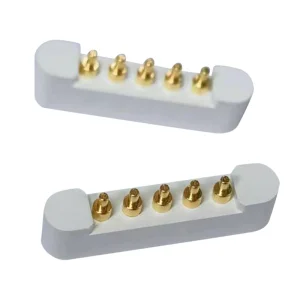
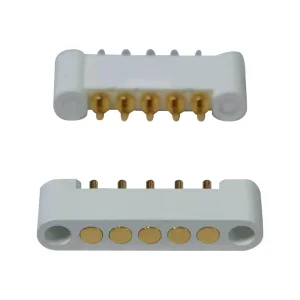
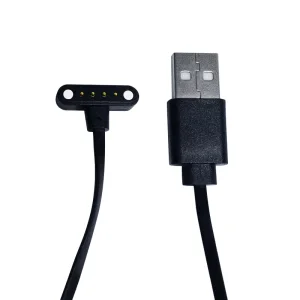
| 4-Pin / 5-Pin Data & Power | 24V DC / 110V AC | 5A (Power), 1.5A (Data) | Smart Terminals, Medical Carts, Handheld Scanners | IP68 (Customizable) |
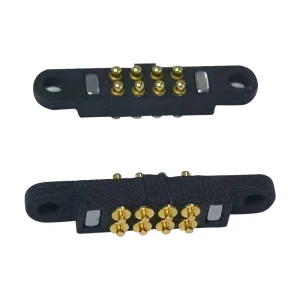
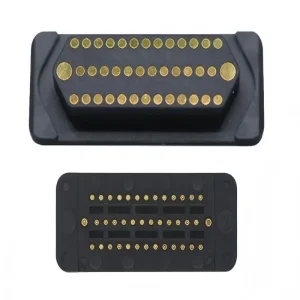
| 8-Pin High Density Magnetic | 60V DC / 120V AC | 3A per pin | Automation Controllers, EV Battery Trays, POS Terminals | IP65 |
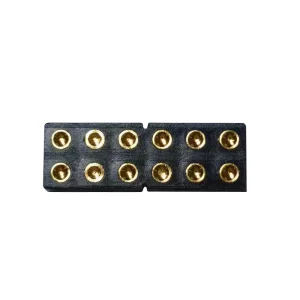
| Custom Multi-Pin (Up to 12-Pin) | 120V AC / DC | Custom Configurable | Heavy Machinery Interfaces, Aerospace Ground Systems | IP67 - IP68 |
Founded in February 2011 in Songgang Street, Shenzhen, Shenzhen Rongqiangbin Electronic Hardware Co., Ltd. is situated within the leading industrial corridor of the Guangdong-Hong Kong-Macao Greater Bay Area. Over more than a decade of research and development, we have established ourselves as a premier developer and manufacturer of high-precision Pogopin and magnetic connectors.
By adhering to our core principles of customer-centric development and integrity, RQB has built a highly skilled technical engineering team. We are certified under the internationally recognized ISO9001:2015 quality management standard, maintaining an advanced environmental control program to deliver products that meet strict global regulatory and environmental compliance guidelines.



"Committed to be an excellent POGO PIN and magnetic connector manufacturer for both quality and cost, serving customers at home and abroad, and leading connector technology development."

Quality control is critical for high-voltage interconnects. Every batch of 120V magnetic power connectors undergoes rigorous electrical, environmental, and mechanical evaluation. Our testing laboratory is equipped with state-of-the-art instruments to measure contact resistance, spring force decay, insulation resistance, salt spray resistance, and thermal fatigue.


Through our focus on reliability, performance, and cost optimization, we have built long-term cooperative partnerships with some of the world's leading brands and industrial organizations:
To help your technical and sourcing teams make informed decisions, our engineering group has compiled answers to frequently asked questions about 120V magnetic power systems:
Arcing is mitigated through two primary approaches: first, utilizing a "smart detection" pin (first-mate, last-break) that controls a solid-state relay inside the device, ensuring power only flows once the contacts are fully seated. Second, physical barrier walls prevent adjacent pin shorting, and the quick magnetic snap action minimizes connection time.
These connectors must conform to international standards such as UL 1977 (for data, signal, and power connectors), IEC 60601-1 (if used in medical equipment), and RoHS/REACH compliance standards for material health.
Pin corrosion is caused by environmental humidity or moisture combined with electrical bias. RQB prevents this by applying a dense nickel barrier layer followed by a high-grade gold plating layer (up to 30u"), which withstands standard salt spray testing for up to 96 hours.
Yes. We customize the magnetic pull force (typically between 5N and 30N) based on your system requirements, such as cable weight, angle of pull, and safety separation specifications.
 Rongqiangbin Electronic