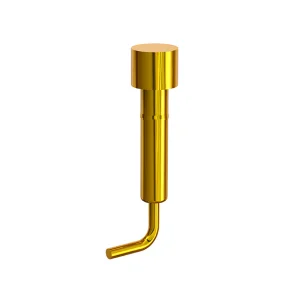
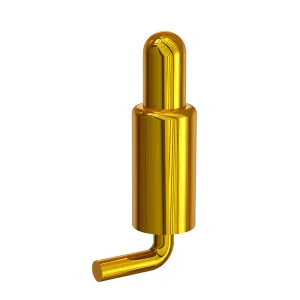
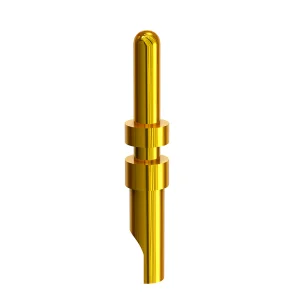
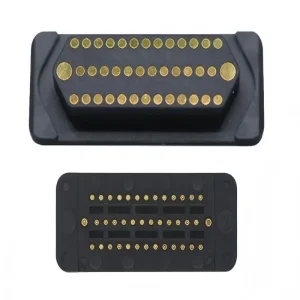
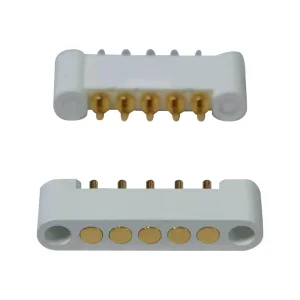
Explore our leading selection of custom spring-loaded connectors designed to satisfy complex dimensional and electrical constraints.
Strategic Guide to Spring-Loaded Technology for Advanced Power Delivery and Signal Integrity
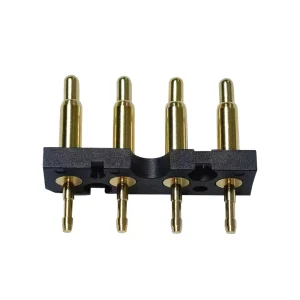
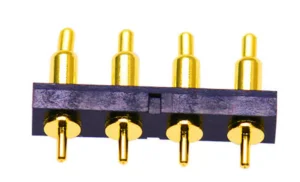
In modern industrial and consumer electronics, the demands placed on mechanical connectivity have shifted rapidly. The traditional plug-and-socket USB interface, while functional, faces distinct limitations in ruggedness, dust-proofing, cycle lifetime, and miniature form factors. To address these demands, engineers are increasingly turning to custom USB pogo pins. These precision-turned spring contact probes establish secure mechanical and electrical connections without requiring a friction-locked insertion shroud, introducing design freedom and simplifying assembly.
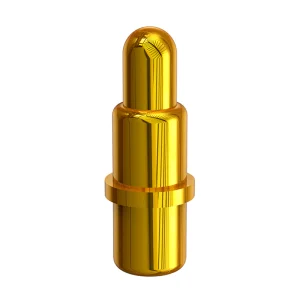
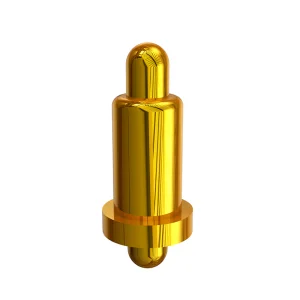
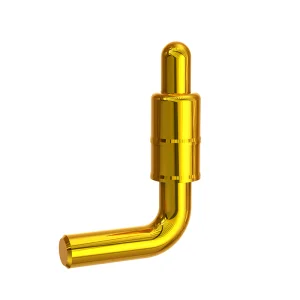
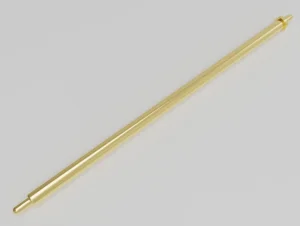
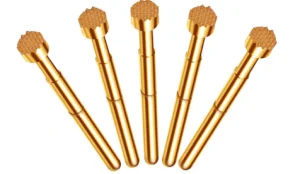
A standard pogo pin consists of three critical components: a plunger, a spring, and a barrel. However, optimizing these interfaces for USB performance—specifically for high-speed differential signal lines (D+/D- in USB 2.0 or TX/RX pairs in USB 3.0/Type-C) and Power Delivery (PD) high-current tracks—demands exceptional design control. High-performance models incorporate custom internal architectures, such as ball-point configurations or biased plungers, to guarantee constant internal contact and minimize transient contact resistance spikes under dynamic movement.
Standard connectors struggle with thermal management at high wattages. Custom USB pogo pins can handle continuous current paths up to 10A or more using thick-walled barrels and optimized spring forces to limit temperature rise.
Preserving signal impedance at high frequencies is critical for USB transmission. Advanced custom pogo pins maintain impedance targets (typically 90 ohms differential) by adjusting plunger geometry and internal dielectric spacing.
For outdoor or wearable equipment, our pogo pin assemblies are designed with custom elastomer gaskets or structural overmolding to achieve IPX7 or IPX8 ingress protection, ensuring performance under harsh exposure.
Where precision meets utility: mapping the modern deployment of spring-loaded hardware
Custom USB pogo pins have transitioned from niche hardware to structural standards across several key sectors:
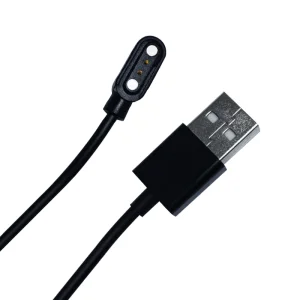
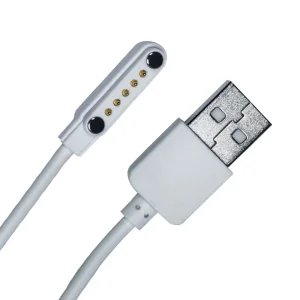
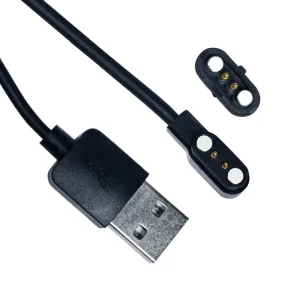
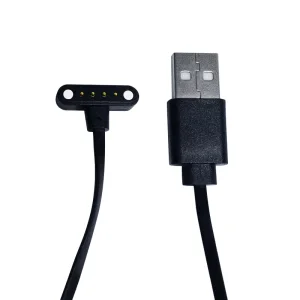
The industry is moving toward high-frequency USB Type-C magnetic charging pogo connectors that enable self-mating and automatic detachment. This reduces connector wear, protects devices from sudden cord pulls, and allows designers to engineer completely sealed, waterproof device enclosures.
Why global enterprises trust Shenzhen Rongqiangbin for advanced connector engineering
The global electronics supply chain demands three key parameters from connection partners: micron-level precision, rapid scaling capability, and rigorous quality verification. The Shenzhen manufacturing ecosystem, particularly the Greater Bay Area, offers a unique consolidation of raw material processors, precision turning machine manufacturers, and surface-finishing facilities. This concentrated network minimizes transit times between prototyping, electroplating, and volume production.
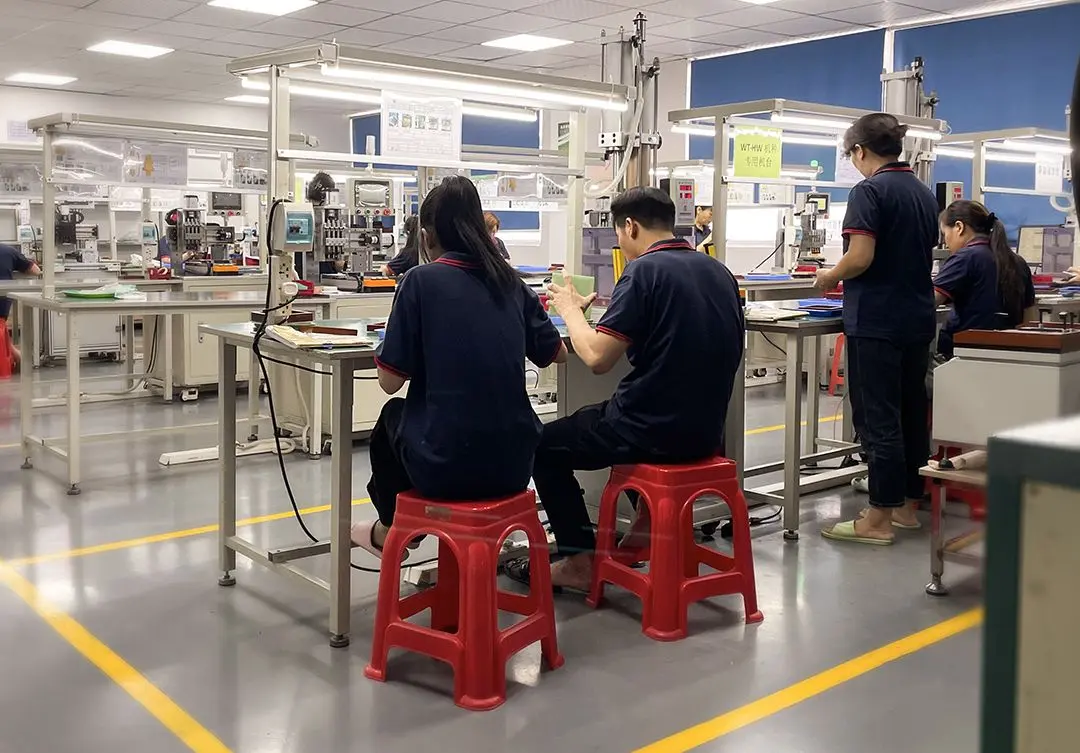
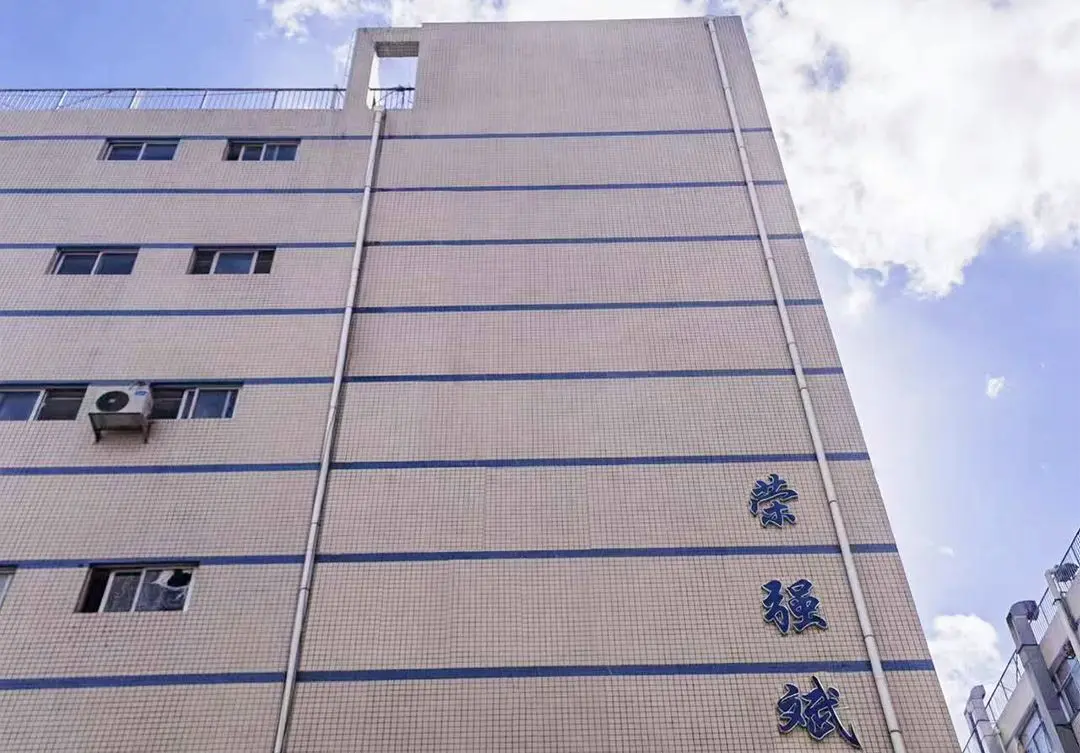
Shenzhen Rongqiangbin Electronic Hardware Co., Ltd., founded in February 2011 in Songgang Street, Shenzhen, has leveraged this ecosystem to become a leading manufacturer in the spring-loaded contact sector. Over more than a decade of focused development, we have established advanced production facilities that utilize high-precision Swiss-type CNC automatic lathes alongside automated assembly lines. This combination ensures consistent spring preload forces and tight outer-diameter tolerances across multi-million piece manufacturing runs.
Committed to being excellent POGO PIN manufacturers for both quality and cost at home and abroad, and leading connector technology development.
Our commitment to rigorous engineering, verification, and corporate integrity
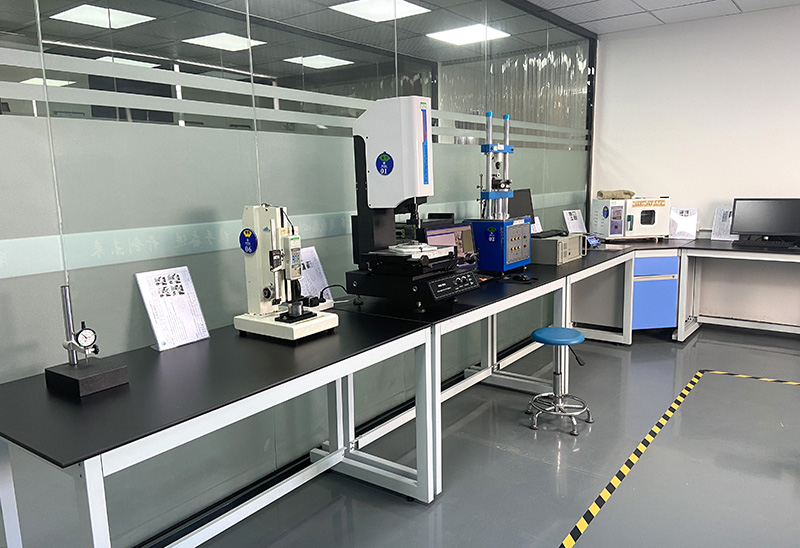
Operating under the core principles of "customer first, integrity first," Rongqiangbin maintains a robust, specialized technical production team. Our design workflows leverage advanced finite element analysis (FEA) to simulate spring cycle lifetimes, mechanical stress distributions, and thermal performance under heavy current loads before physical cutting begins.
We are certified to the ISO9001:2015 international quality management system standard. Every production batch undergoes comprehensive automated testing to verify contact resistance, spring force profiles, dimensional compliance, and plating thickness. Our environmental management system ensures compliance with RoHS, REACH, and other strict global environmental regulations.
Our long-term global clients include market leaders such as:
Direct answers from our engineering team regarding design, metallurgy, and procurement parameters
Our standard pogo pins are plated with nickel (Ni) underplating and gold (Au) topcoat. The nickel barrier prevents copper diffusion, while gold ensures low contact resistance and excellent oxidation resistance. For high-wear applications, such as medical and fitness wearables, we offer advanced plating formulations including Palladium-Nickel (Pd-Ni) or specialized hard gold. These options significantly improve corrosion resistance against sweat and chemical exposure, while supporting extended mechanical cycles up to 100,000+ matings.
High-speed transmission, such as USB 2.0 (480 Mbps) or USB 3.0/3.1 (5 Gbps+), requires careful management of characteristic impedance. We optimize the physical geometry, pin pitch, and dielectric constant of the plastic carrier housings to maintain a consistent 90-ohm differential impedance. Additionally, we use biased-plunger configurations or internal brass balls to ensure continuous contact between the plunger and the barrel, preventing transient signal interruptions caused by vibration.
Yes. To achieve IPX7 or IPX8 waterproofing, we design and supply integrated connector modules that utilize high-performance insert molding or elastomer O-ring sealing. The pogo pin housing is hermetically sealed against the device enclosure, preventing water ingress even under prolonged immersion. We regularly supply these assemblies for smartwatches, outdoor marine systems, and medical diagnostics.
For custom configurations, we provide initial 2D/3D design reviews within 2 to 3 business days. First-article samples are typically manufactured and dispatched within 10 to 14 days, utilizing our in-house CNC lathe tooling capabilities. Upon sample approval, high-volume production runs generally require 3 to 4 weeks, depending on order size and plating specifications.
Precision components designed for high-density electronic assemblies, automotive charging systems, and smart consumer devices.
 Rongqiangbin Electronic