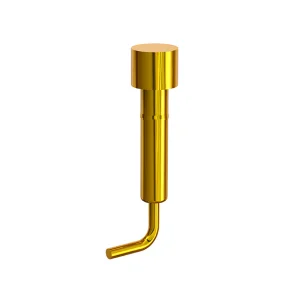
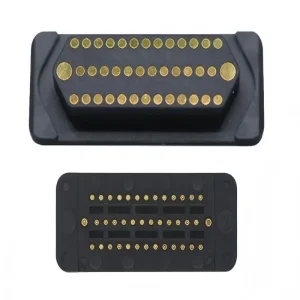
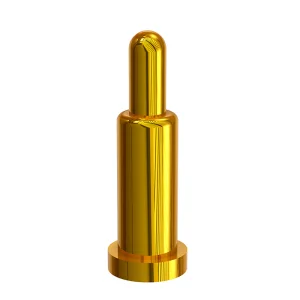
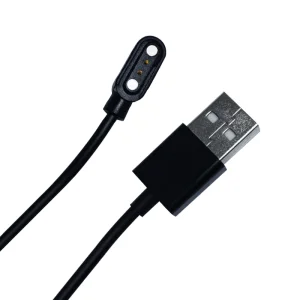
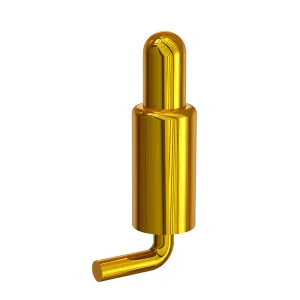
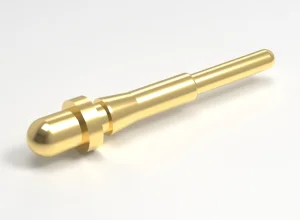
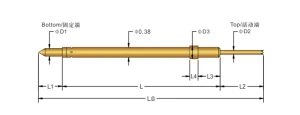
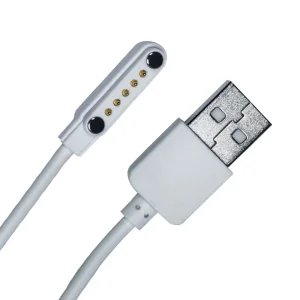
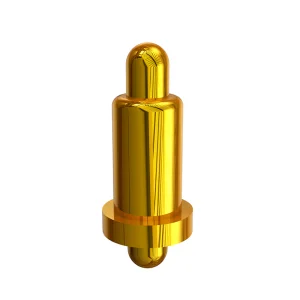
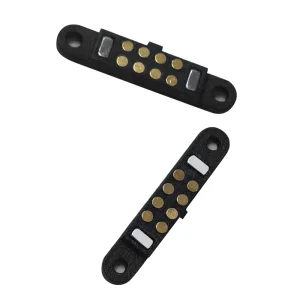
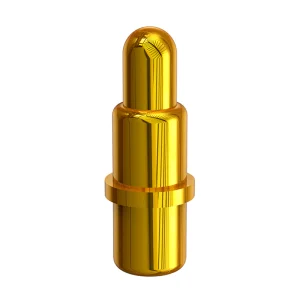
Explore our core engineering line-up, featuring spring-loaded contacts, high-speed magnetic data links, and multi-pin custom power solutions.
Modern electrical engineering requires interfaces that combine convenience, longevity, and high-capacity electrical performance. Traditional mechanical plug-and-play interfaces are prone to socket wear, dust ingress, and connection degradation under vibration. High-current magnetic connectors offer a reliable solution by using magnetic attraction forces to ensure consistent electrical contact.
By integrating customized pogo pin (spring-loaded contact) architectures with high-grade permanent magnets (such as Neodymium Iron Boron, or NdFeB), these components facilitate zero-force blind mating while conducting continuous currents ranging from 5A to over 40A. Our focus centers on reducing contact resistance and mitigating heat generation ($I^2R$ losses) to prevent thermal degradation in heavy-duty electronic systems.
A leading connector manufacturer in the Guangdong-Hong Kong-Macao Greater Bay Area, driving precision design and automation.
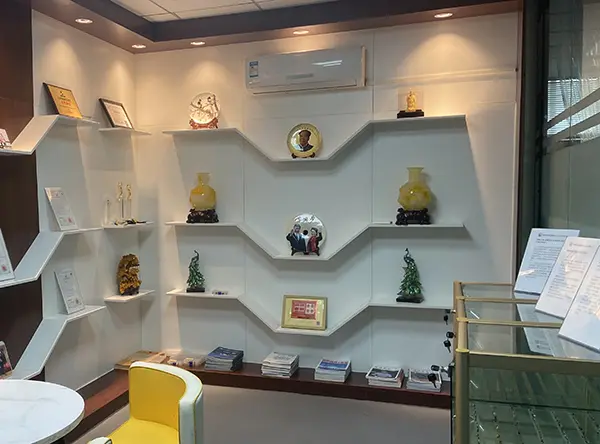
Shenzhen Rongqiangbin Electronic Hardware Co., Ltd. is located in Shenzhen, the leading city of Guangdong-Hong Kong-Macao Greater Bay Area. Our company was founded in February 2011 in Songgang Street, Shenzhen, specializing in the development and manufacturing of Pogopin connector. After years of efforts and sedimentation, the company gradually became a leader in the industry.
Our company’s spirit of "customer first, integrity first" principle, has a strong POGO PIN industry technology production team, and a number of enterprises to establish a long-term cooperative relationship. Our company has obtained ISO9001:2015 version of the international authoritative quality management system certification, has a strong quality management team and environmental management system, to provide customers with all kinds of high quality and environmental protection requirements of the products.
The main customers are Honeywell, Samsung, SIEMENS AG, ZTE, 360, QCY, HAYLOU, Shanghai Laimu, Luxshare Group, Aoni Electronics, Amphenol Group and other well-known enterprises.
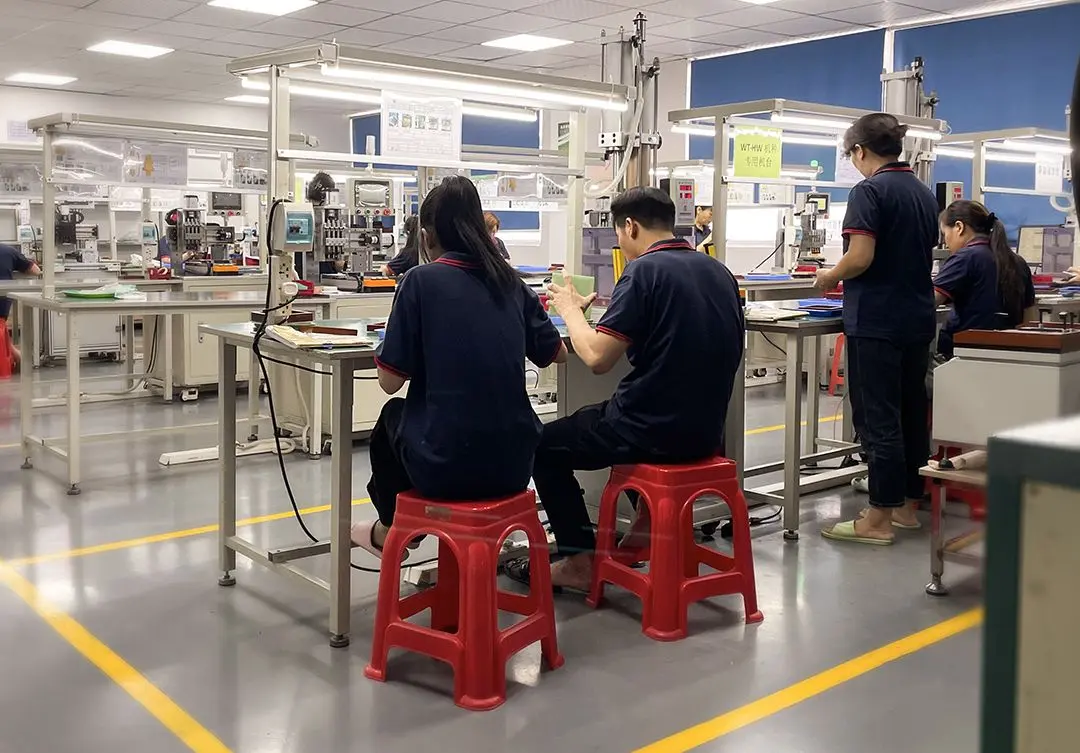
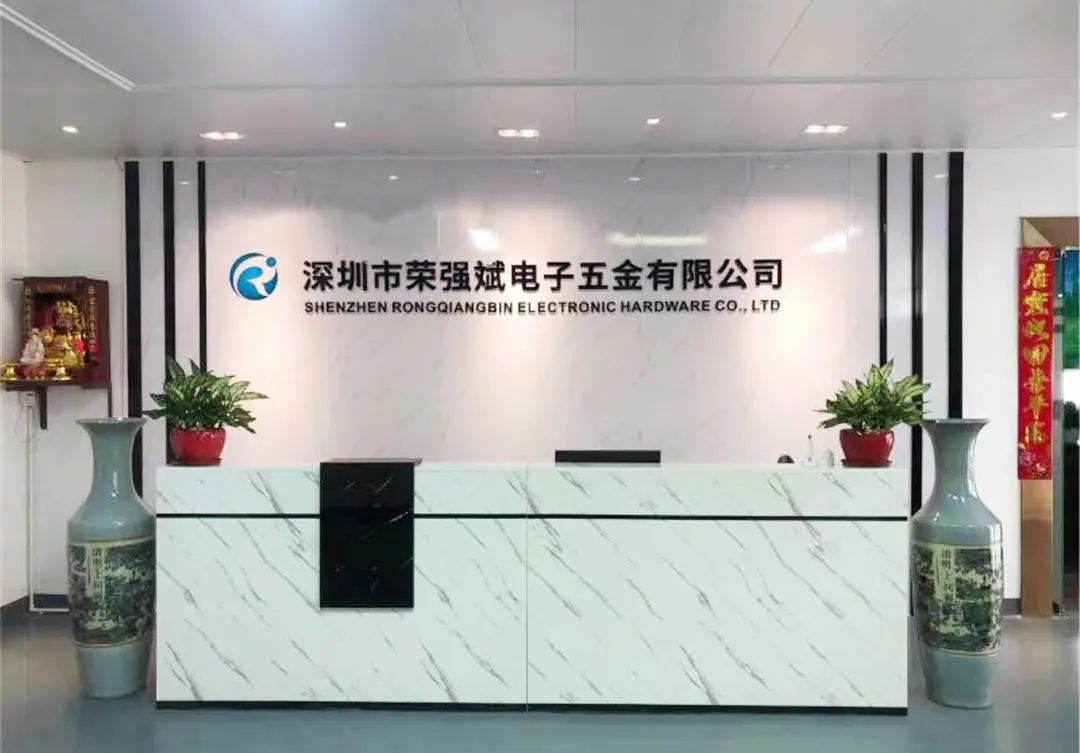
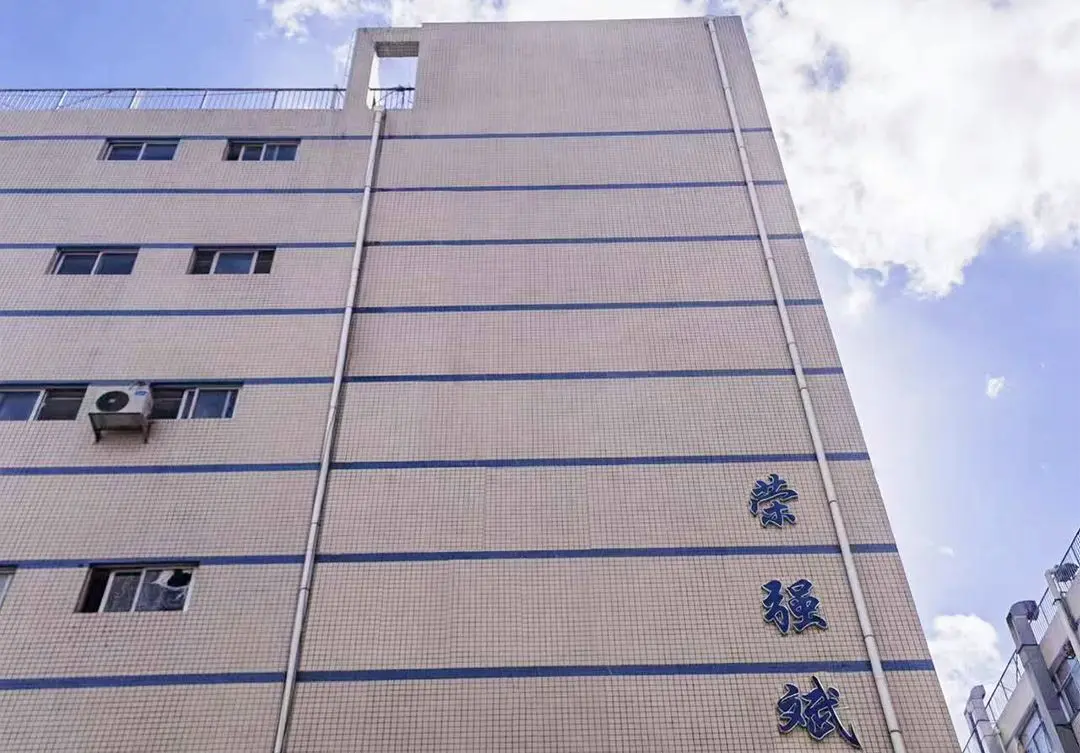
Why Tier-1 global technology brands rely on our Shenzhen-based production facilities for high-current components.
Situated in Songgang, Shenzhen, our facility accesses a comprehensive supply chain. From raw alloy suppliers to advanced electroplating and surface treatment facilities, our turnaround times for prototypes and mass production remain competitive.
We utilize precision high-speed CNC turning lathes, automated spring-winding machines, and custom-designed assembly lines. These technologies minimize human error and ensure consistency across large production runs.
Our quality verification processes leverage automated optical inspection (AOI), dynamic contact resistance meters, spring force testers, and salt spray chambers. This guarantees 100% compliance before shipment.
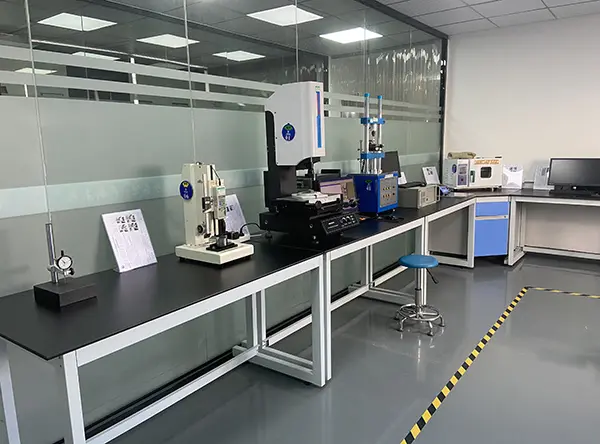
Analyzing key advancements in materials science, thermal dissipation, and electrical routing design.
As applications in New Energy Vehicles (NEVs), Automated Guided Vehicles (AGVs), wearable technology, and medical hardware mature, the requirements for interconnect systems have shifted. Current densities are rising while physical footprints shrink. These changes present several key engineering challenges:
| Electrical & Mechanical Parameters | Standard Specification Range | High-Current Specialization Limit | Testing Methods & Compliance |
|---|---|---|---|
| Rated Current (Continuous) | 1A – 5A per pin | Up to 40A per pin (Custom Coaxial Design) | UL 1977 Temperature Rise Test (< 30°C rise) |
| Contact Resistance | < 30 mΩ | < 10 mΩ (Bias-cut plunger structures) | EIA-364-23 Low Level Contact Resistance |
| Mating Cycles (Durability) | 10,000 to 50,000 cycles | Up to 500,000 cycles | EIA-364-09 Mechanical Cycle Testing |
| Spring Force per Pin | 50g – 150g | Up to 500g (Optimized for vibration) | Internal force-displacement gauge verification |
| Waterproof Protection | IPX5 / IPX6 | IP67 / IP68 (LSR overmolded housings) | IEC 60529 Ingress Protection Standard |
 RONGQIANGBIN
How high-current magnetic interfaces solve physical connection challenges across various industries.
Used in electric scooters, e-bikes, and EV diagnostic ports. These magnetic links connect under high currents, withstanding road vibration without losing connection.
For AMRs (Autonomous Mobile Robots) and factory AGVs requiring rapid charging between cycles. Self-aligning magnetic plates support docking without precise robotic positioning.
Designed for sterilizable, zero-insertion-force connections. Smooth surfaces facilitate cleaning and prevent liquid ingress in critical healthcare environments.
Ideal for smartwatches, VR headsets, and waterproof communication gear. These components enable continuous charging and fast data synchronization in compact footprints.
How we take customer concepts from technical specifications to dynamic performance validation.
To support major system integrators, we maintain a structured product development cycle. We prioritize custom pin layouts, targeted magnetic attraction force calibration, and waterproofing. Our design process ensures that final assemblies perform as expected under specific operating conditions:
Our verification processes align with international quality standards. Every custom run undergoes the following checks:
| Spring Force Profile: | ±10% Tolerance limit |
| X-Ray Plating Thickness: | Verified layer deposition |
| Dielectric Withstanding: | 1000V AC isolation barrier |
| Salt Spray Exposure: | Up to 48 Hours standard |
Addressing engineering challenges and procurement concerns regarding high-current magnetic connection interfaces.
Explore our additional customized connector designs and charging cables built for specialized industrial applications.
 Rongqiangbin Electronic