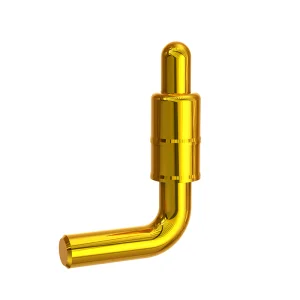
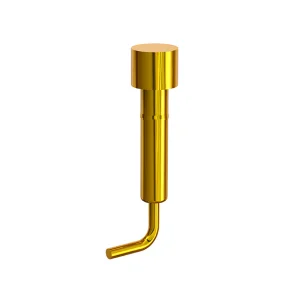
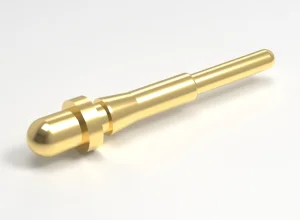
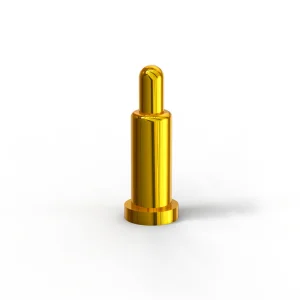
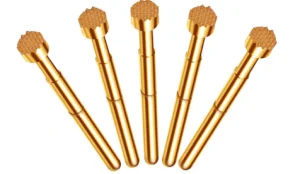
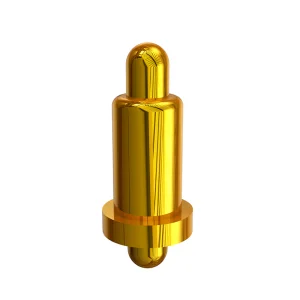
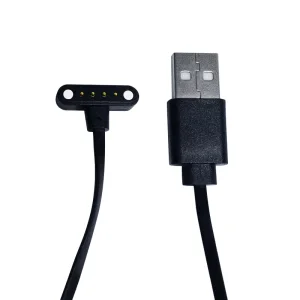
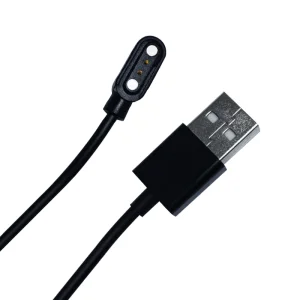
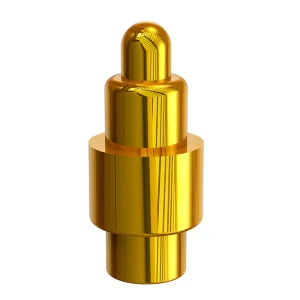
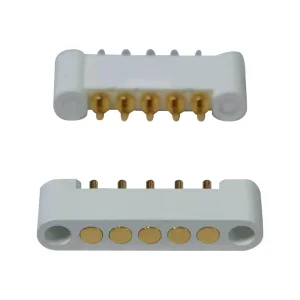
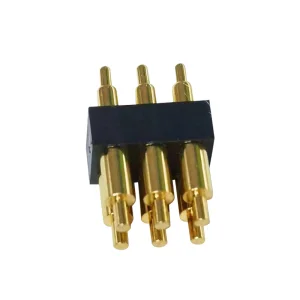
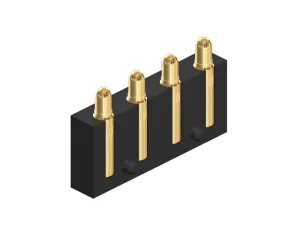
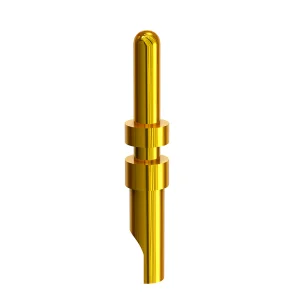
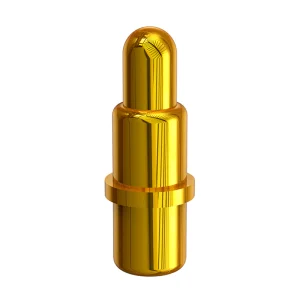
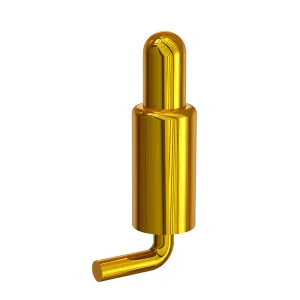
Browse our engineered configurations, including bending spring contacts, high-current pins, and waterproof connector variants designed for global markets.
Modern electronics require interconnect solutions that are smaller, support higher electrical loads, and withstand harsher environmental conditions. Precision spring-loaded contact pins (pogo pins) are critical components that bridge physical interfaces with minimal insertion loss and exceptional resilience.
Pogo pins consist of a plunger, internal spring, and outer barrel. Different internal structures—such as biased tail, back-drill, and ball/insulator configurations—enable customized contact resistance and stable conductivity under dynamic vibration environments.
Using high-purity gold (Au) plating over nickel (Ni) base layers ensures excellent electrical conductivity, low contact resistance (<30mΩ), and superior resistance to sweat, chemical corrosion, and mechanical wear.
Selecting optimal alloys like Stainless Steel (SUS304/SUS316), Beryllium Copper (BeCu), or Music Wire (SWP) ensures target spring forces from 20g to 500g, maintaining elastic force throughout hundreds of thousands of cycles.
Engineers must match the internal pogo pin structure to the operational constraints of the application. Here we detail the standard architectures used at Shenzhen Rongqiangbin to meet specific contact requirements.
| Structure Type | Typical Contact Resistance | Current Rating | Ideal Application Environment |
|---|---|---|---|
| Biased Tail Structure | < 30 mΩ (highly stable) | Up to 3A | Vibration-heavy devices, wearables, medical monitors. |
| Back-Drill Structure | < 50 mΩ (moderate stability) | 1A - 2A | Ultra-short profile devices, micro-space constraints. |
| Ball-point Insulator Design | < 20 mΩ (exceptionally low) | 3A - 15A+ | High-current charging, EV systems, heavy-duty electronics. |
| Bending / Floating Pins | < 40 mΩ | 2A - 5A | Right-angle board-to-board connections, specialized docking. |
By machining an angle at the plunger base, the spring forces the plunger into persistent lateral contact with the interior of the gold-plated barrel. This ensures the electrical signal flows through the barrel wall rather than exclusively through the high-resistance spring, maintaining low, steady resistance even under impact.
For thin consumer gadgets, back-drilling the plunger hollows out the core, creating space for the spring to sit higher inside the plunger itself. This accommodates spring compression travel in tight vertical profiles where a standard solid plunger would bottom out too early.
By positioning an insulated ball (ceramic or steel) between the plunger base and the spring, the electric current is diverted away from the spring entirely. This prevents the spring from heating up due to electrical resistance, ensuring the physical integrity of the spring is preserved at currents exceeding 3A.
The market for precision pogo pin connectors is expanding rapidly. Technology shifts in global logistics, consumer habits, and industrial manufacturing are driving the development of next-generation contact probes.
As consumer gadgets like smart rings, TWS earbuds, and VR headwear get smaller, board-to-board spacing demands pitches below 0.4mm. Manufacturers must develop high-yield micro-precision lathe machining to produce barrels and plungers at microscopic scales.
Modern data transfer interfaces (USB4, HDMI 2.1, 5G RF) require pogo pins to transmit gigabit-per-second signals. Specialized impedance matching (e.g., 50Ω/100Ω) and shielding structures are essential to prevent signal attenuation and electromagnetic interference.
With the rise of New Energy Vehicles (NEVs) and portable power banks, there is growing demand for pogo pins that can reliably handle high currents of 10A to 50A without thermal damage. This requires custom internal insulators and high-grade copper alloys.
Procuring electronic components internationally presents challenges around batch consistency, shipping lead times, and regulatory compliance. Here is how our production processes address these critical procurement concerns:
Large OEMs require component lifecycles to meet or exceed 100,000 insertion cycles. We utilize automated dynamic resistance testing to confirm stable contact force and electrical performance over time, reducing field replacement costs.
Our manufacturing uses certified raw materials. All base brass, beryllium copper, stainless steel, and gold plating chemicals are accompanied by material test reports, confirming compliance with international material safety specifications.
To meet seasonal production demands, our automated assembly and inspection lines run continuously, maintaining dimensional tolerances within ±0.01mm while handling large-volume orders.
Shenzhen Rongqiangbin Electronic Hardware Co., Ltd. is located in Shenzhen, the leading city of the Guangdong-Hong Kong-Macao Greater Bay Area. Founded in February 2011 in Songgang Street, Shenzhen, we specialize in the development and manufacturing of pogo pin connectors, growing over years of dedicated effort to become a leading manufacturer in the industry.
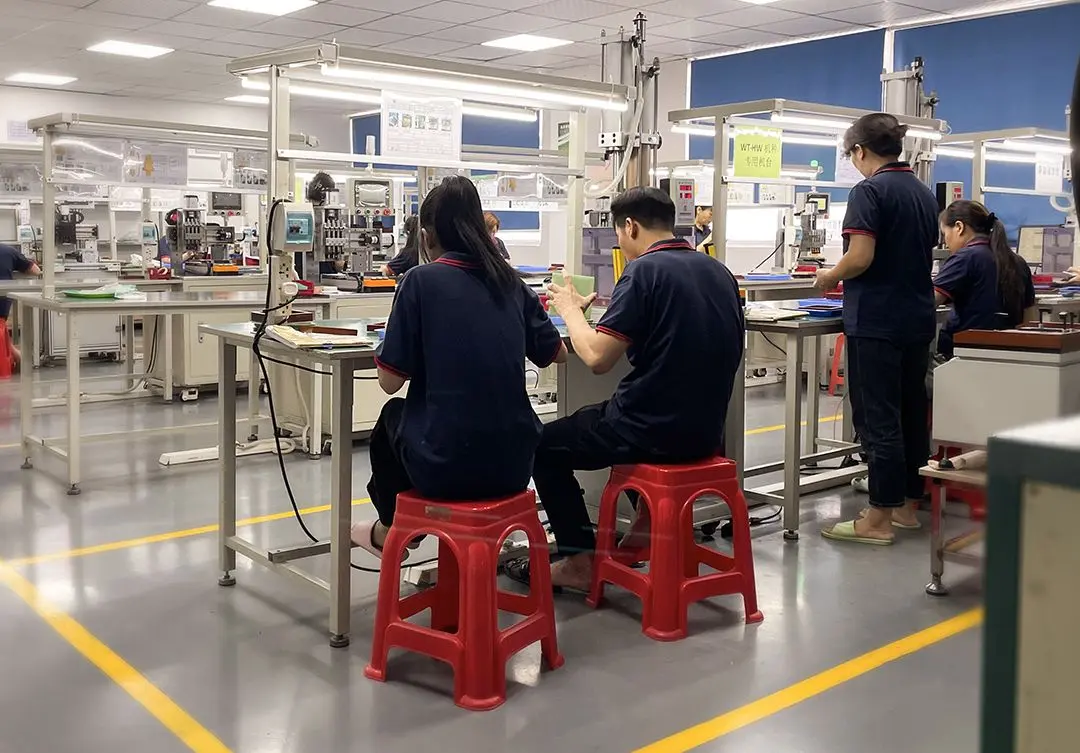
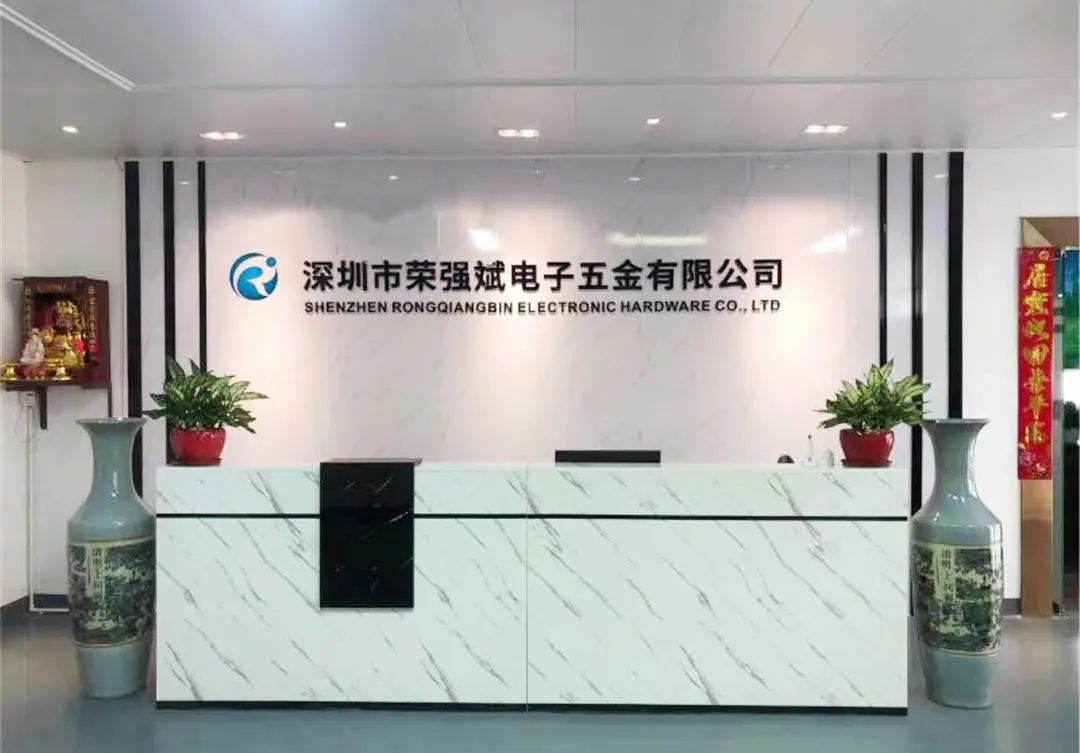

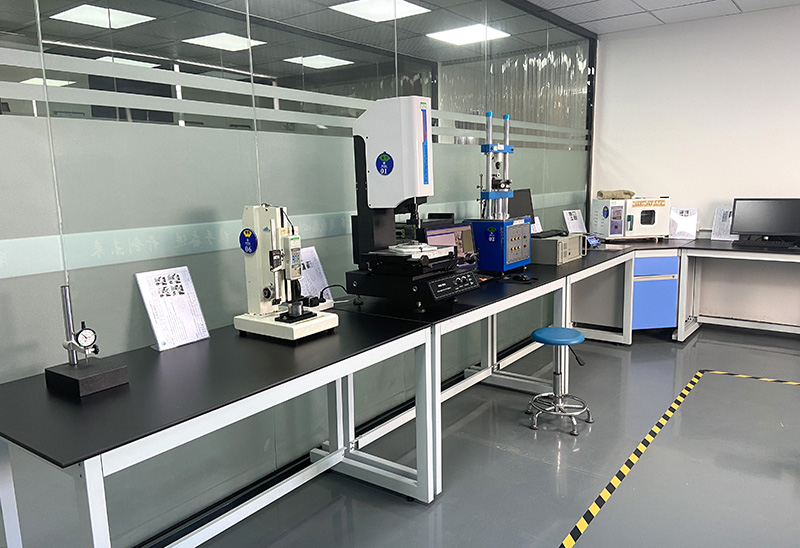
Our "customer first, integrity first" core principles guide our engineering team. We maintain long-term partnerships with leading global enterprises, delivering quality-assured, environmentally compliant interconnect components.

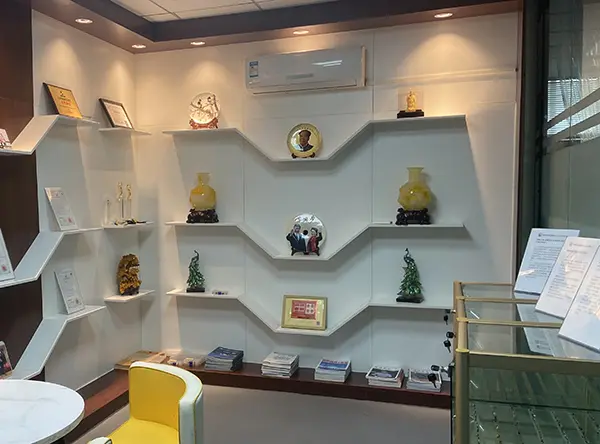
Custom pogo pins serve as critical contact interfaces across several key industrial sectors:
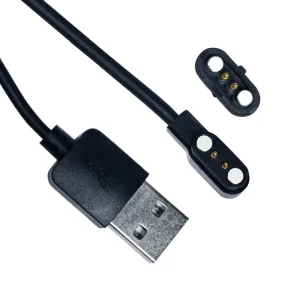
TWS headphones, smartwatches, and medical wristbands require compact, corrosion-resistant charging interfaces. Our gold-plating processes are designed to withstand human sweat exposure and maintain contact stability over long-term use.
Automotive applications require connectors that resist vibration, thermal cycling, and high currents. Our custom pins for EV charging interfaces are built to withstand temperatures ranging from -40°C up to +125°C while maintaining stable connections.
Smart meters, automated assembly sensors, and robotic control modules require dustproof, waterproof, and vibration-resistant connections. Custom blind-mating pogo pins allow for reliable modular expansion in industrial environments.
We support global electronics supply chains by ensuring our pogo pins comply with international environmental and chemical safety standards, including RoHS and REACH. Our engineering team provides detailed design consultation, sample fabrication, and quality documentation to help streamline your compliance auditing processes.
As electronic devices continue to evolve, we adapt our development processes to meet demands for higher performance and durability.
We are developing composite plating layers, including nickel-free options and specialized platinum coatings, to enhance durability and corrosion resistance in sports and outdoor applications.
To improve user convenience and alignment precision, we offer integrated magnetic/pogo pin assemblies, featuring auto-alignment and quick-release connections for charging and data ports.
We are scaling up production of fine-pitch multi-pin arrays (down to 0.3mm spacing) to support semiconductor testing, automated test equipment (ATE), and high-density board connections.
Find answers to common technical, design, and procurement questions regarding our custom pogo pins.
Review our specialized connector designs, socket modules, and custom cables designed to support diverse application requirements.
 Rongqiangbin Electronic