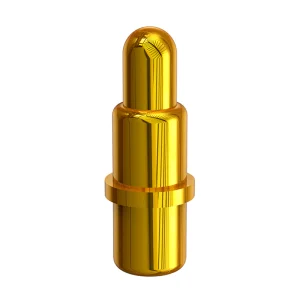
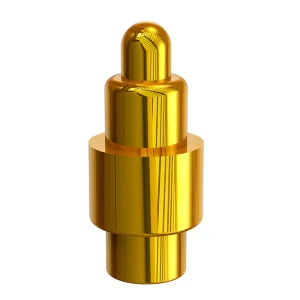
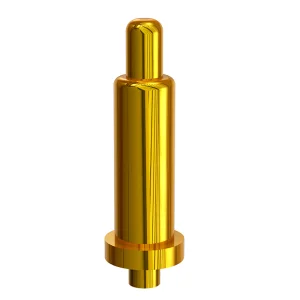
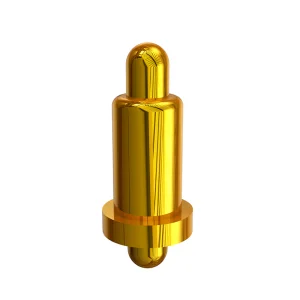
Remark: Considering the difference between the test spot and the actual work spot, the defined impedance test condition is based on the whole working stroke. This is what is generally referred to as dynamic impedance testing, which differs from the static test condition of ELA-364923. The durability test standard is also based on this dynamic test condition.
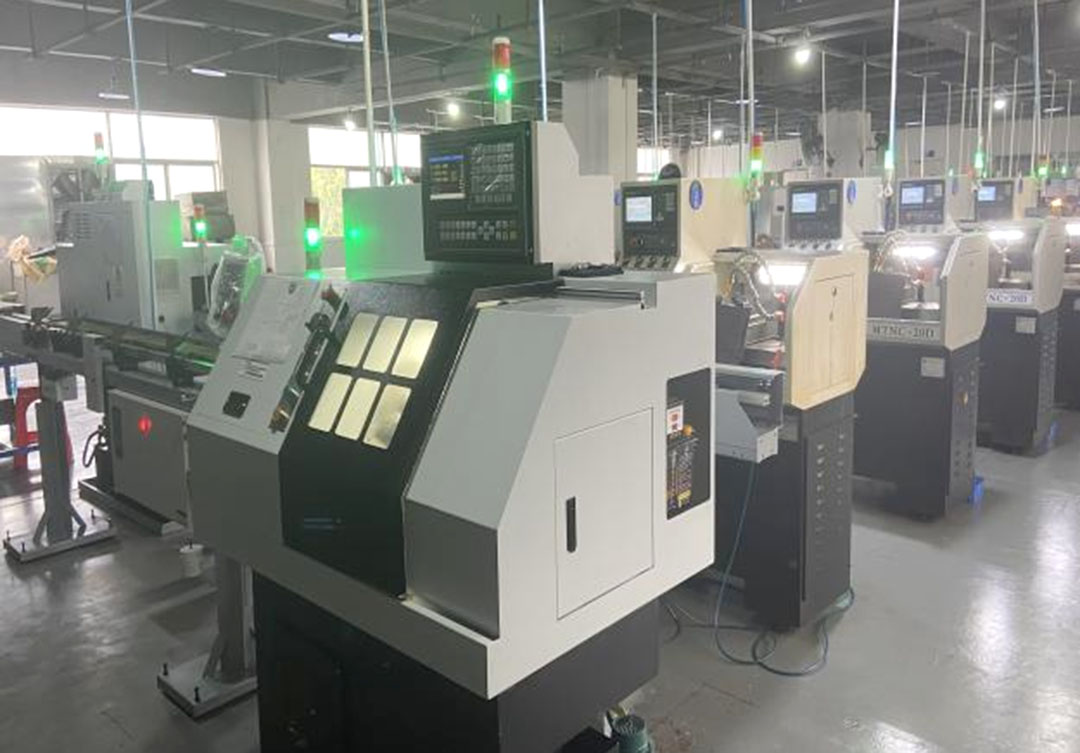
Comprehensive inspection and reliability testing equipment is utilized to support all production phases.
Great importance is attached to quality management at each link, including IQC, IPQC, 100% dynamic testing of spring force and contact impedance, 100% appearance inspection, FQC sampling inspection, CQC, design verification, regular reliability testing, and failure analysis.
Strict and effective quality control has been implemented over every process, including product design, sample preparation, trial production, and mass production. As a consequence, product quality is thoroughly guaranteed.
Frequently Asked Questions
Q1: What is the difference between static and dynamic impedance testing?
Unlike static tests under standard ELA-364923, dynamic impedance testing is conducted across the entire working stroke of the connector. This simulates actual operating conditions and guarantees contact reliability throughout the entire movement.
Q2: What materials and plating options are standard for these components?
The standard plunger and barrel are made of brass, while the spring is constructed from stainless steel. Both the plunger and barrel feature a minimum of 3 micro-inch Au plating over 50-120 micro-inch nickel.
Q3: What are the electrical capabilities of these connectors?
The standard rated current is 1.0A, with rated voltages up to 12V DC Max. However, configurations supporting up to a maximum of 15A current can also be engineered. The contact resistance is kept at a maximum of 100 mOhm.
Q4: What is the minimum operating height for low-profile applications?
The connectors can achieve a minimum working height of up to 1.5mm. This lower operating height is ideal for compact designs, permitting a lower height for the chopping block.
Q5: Can these products support customized structures?
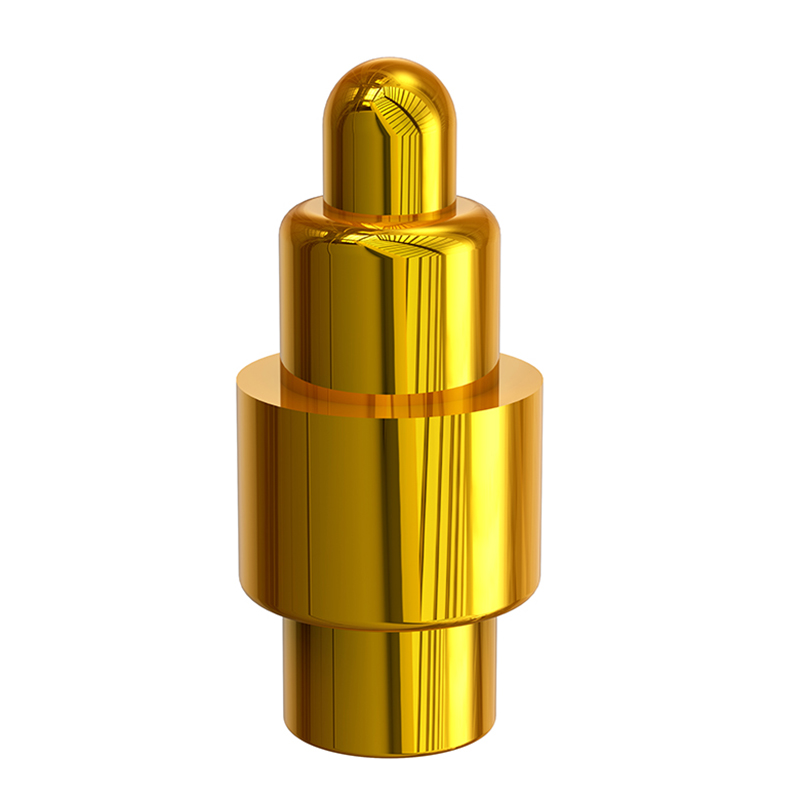
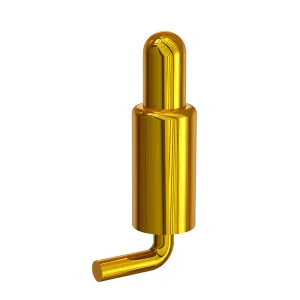
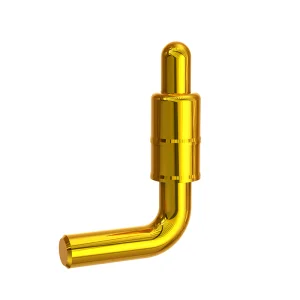
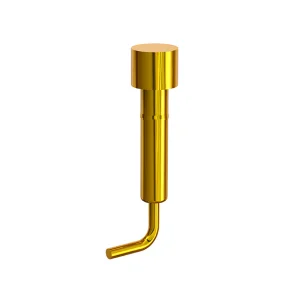
Yes, non-standard structural requirements can be customized based on client designs and application needs, such as custom mushroom head configurations.
Q6: How is product reliability and quality verified?
Every production stage follows strict quality control policies. This includes IQC, IPQC, 100% dynamic testing of spring force and contact impedance, 100% appearance inspection, FQC sampling, regular reliability testing, and comprehensive failure analysis.
 Rongqiangbin Electronic