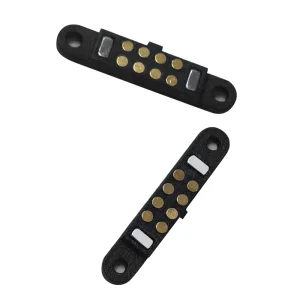
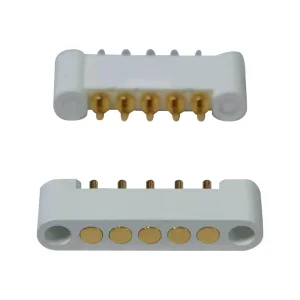
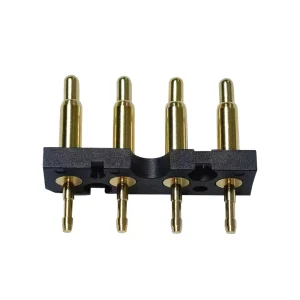
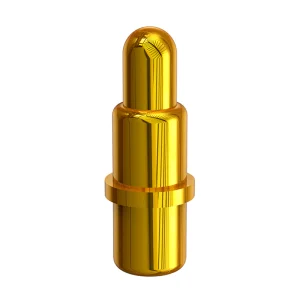
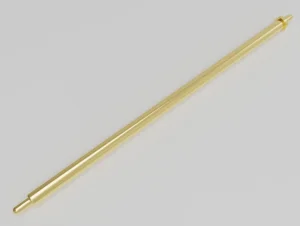
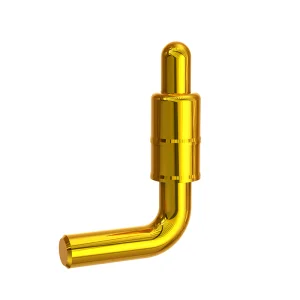
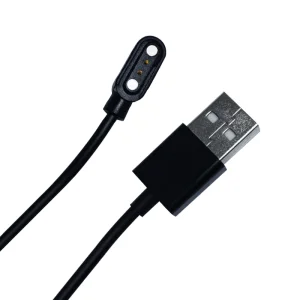
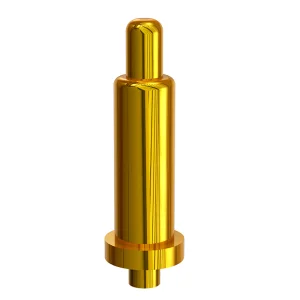
Engineered for extreme durability and high performance. Explore our primary product lines developed for Tier-1 technology companies worldwide.
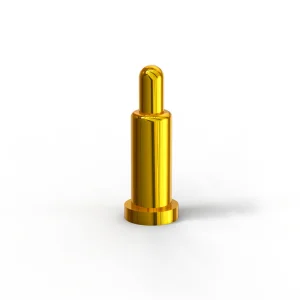
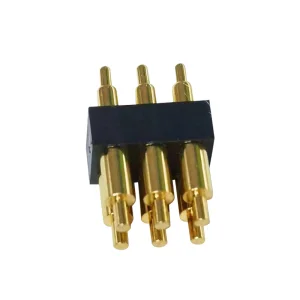
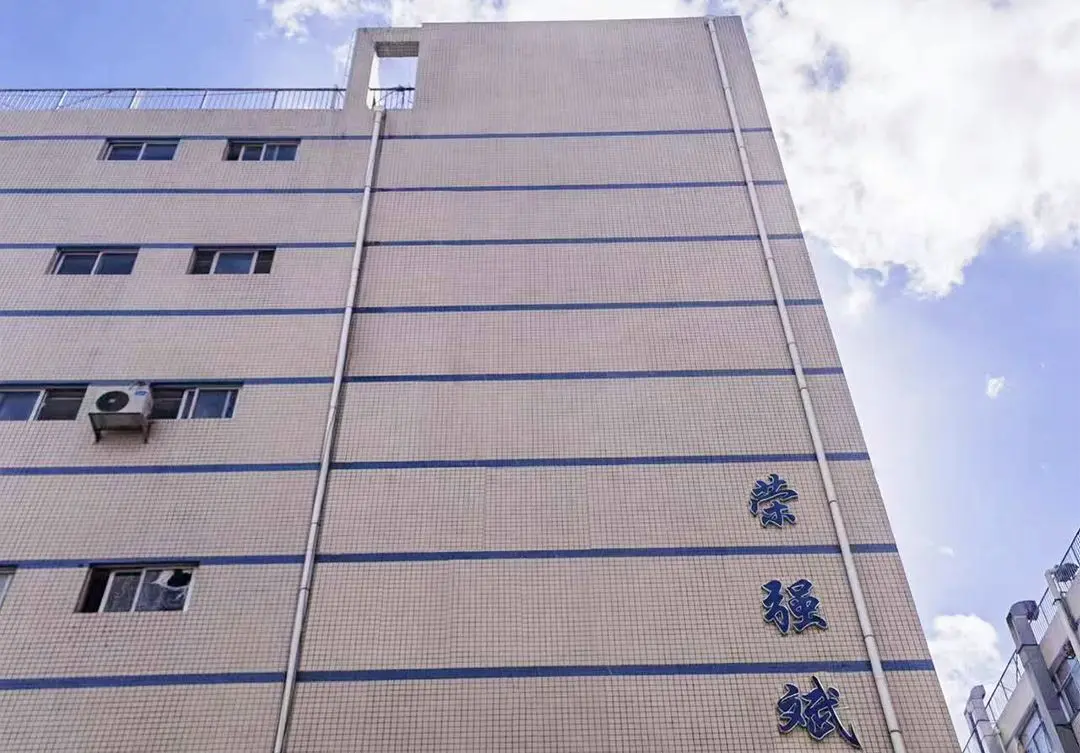
Founded in February 2011, Shenzhen Rongqiangbin Electronic Hardware Co., Ltd. is strategically based in Songgang Street, Shenzhen, within the heart of the Guangdong-Hong Kong-Macao Greater Bay Area. The company has dedicated itself to the design, research, and high-volume manufacture of state-of-the-art Pogo Pin connectors.
Over a decade of intense engineering experience, focused development, and deep technical accumulation has elevated us to a dominant leadership position in the interconnect industry. Adhering to our core philosophy of "customer first, integrity first," we maintain highly cooperative relationships with some of the world's most recognizable electronic product brands.
Our commitment to rigorous design parameters, precision turning lathes, and robust testing mechanisms guarantees that we meet the strict electrical and mechanical expectations required for high-availability electronic ecosystems.
Ensuring reliability and technical excellence for the world's most demanding product applications.
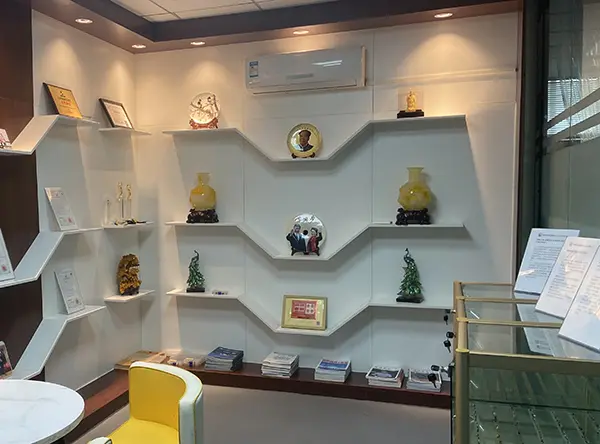
Our facilities are fully certified under the ISO9001:2015 international quality management system. Supported by a robust environmental management plan, we guarantee that all products strictly conform to the latest global environmental directives, including RoHS, REACH, and Halogen-Free protocols.
We perform exhaustive testing prior to shipping, including mechanical spring force vs. stroke mapping, contact resistance monitoring, salt spray corrosion testing, X-Ray coating thickness validation, and high-frequency signal integrity analysis.
We are a certified supplier to major global market leaders, including Honeywell, Samsung, SIEMENS AG, ZTE, 360, QCY, HAYLOU, Shanghai Laimu, Luxshare Group, Aoni Electronics, and Amphenol Group.
Exploring the high-speed data capabilities, structural innovations, and coating engineering driving next-generation connections.
Traditional pogo pins were limited to simple power and slow analog signals. Our engineering team has overcome impedance discontinuities by implementing customized internal coaxial designs, maintaining a constant 90-ohm differential impedance. This enables data transfer speeds complying with USB 2.0, USB 3.2 Gen 2 (up to 10 Gbps), and high-frequency USB 4.0 specifications.
To support fast-charging standards (e.g., USB Power Delivery up to 5A-10A continuously without excessive temperature rise), we utilize specialized internally biased plungers and integrated ball-in-cup (bi-metal contact) technology. This routes the majority of the current through the low-resistance barrel walls, bypassing the high-resistance internal spring.
Environmental exposure causes oxide layers that disrupt low-voltage signals. Our pogo pin plungers utilize premium base materials like lead-free brass or beryllium copper, coated with customized layers of Nickel barrier, followed by heavy Gold (up to 50 micro-inches) or Palladium-Nickel (Pd-Ni) alloy. This protects against sweat, dynamic friction, and salt spray corrosion.
| Pogo Pin Structural Tech | Target Applications | Max Rated Current | Key Advantages |
|---|---|---|---|
| Back-Drill Construction | Lightweight Charging, TWS Earbuds | 1.5A to 2.0A | Shorter pin height, maximizes space savings |
| Bias-Cut Design | Smart Wearables, High-Speed USB 2.0 | 3.0A to 5.0A | Continuous mechanical contact, low contact resistance (<30mΩ) |
| Ball-in-Cup (Insulator Ball) | Fast Charging, USB PD, Rugged Tablets | 5.0A to 15.0A | Bypasses high-resistance internal spring path completely |
| Coaxial High-Frequency Pin | USB 3.2 Gen2 / USB 4.0 Data Sync | 3.0A Data / Power Combination | Strict impedance matching for gigabit data transmission |
From critical life-support medical devices to extreme-vibration automotive applications, our tailored connector solutions perform under the most severe operational circumstances.
Our mini-pogo pins (down to 0.4mm pitch) are integrated into TWS Bluetooth headphones, smartwatch charging ports, and AR/VR headsets. Advanced dynamic sealing prevents liquid intrusion (IP67/IP68 rating), and our biocompatible coatings avoid skin allergies.
For patient monitoring belts, diagnostic probes, and disposable bio-sensor patches, we design customized magnetic quick-release pogo arrays. They offer highly reliable connections that disconnect cleanly under mechanical strain, protecting critical medical instrumentation.
Designed for automated material handling systems, rugged outdoor handheld tablets, and drone charging cradles, our heavy-duty pogo connectors withstand up to 1,000,000 mating cycles. They are resilient against severe mechanical shock, continuous vibrations, and harsh dirt and grime.
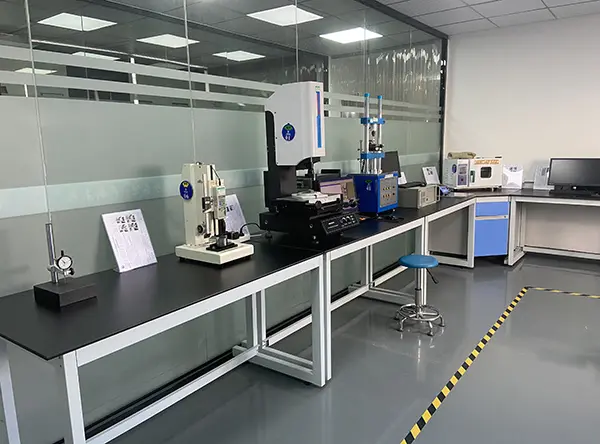
Operating a high-capacity, vertically integrated smart factory in Songgang Street, Shenzhen, we leverage the unparalleled strength of the Guangdong-Hong Kong-Macao Greater Bay Area electronics supply chain. By keeping manufacturing processes in-house, we secure strict cost controls, process visibility, and quality consistency.
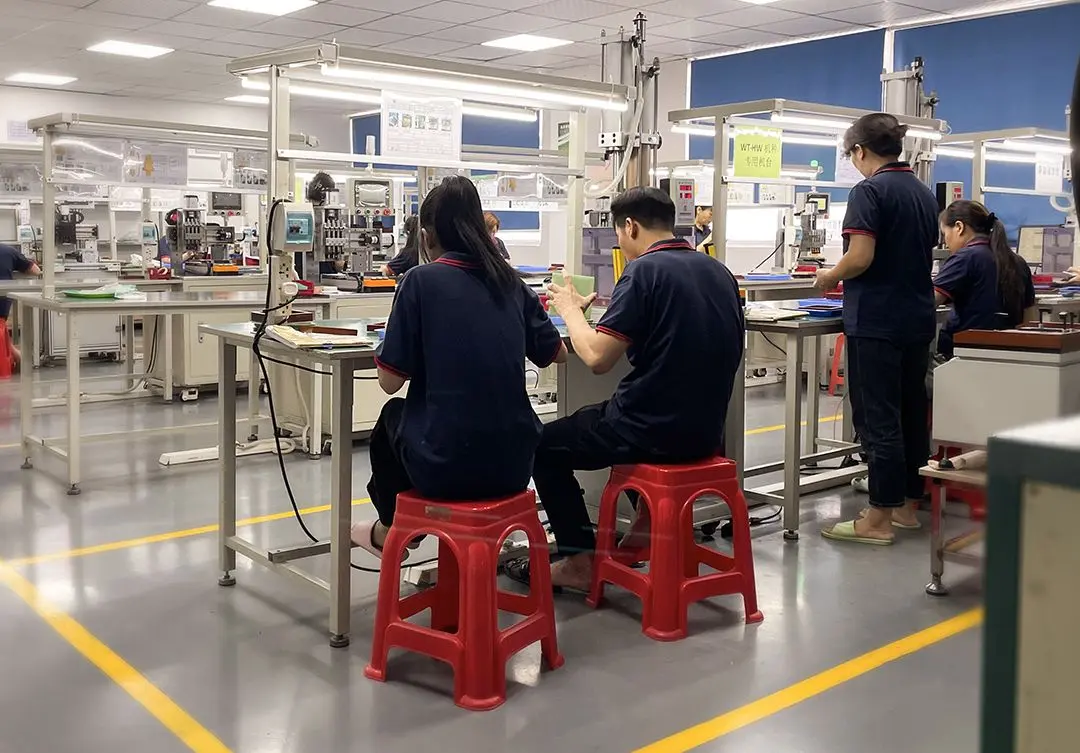
Our manufacturing facility is equipped with state-of-the-art Japanese CNC lathes (Tsugami, Star) capable of holding sub-micron dimensional tolerances. Automated assembly machines integrate plungers, springs, and insulators, while high-speed CCD optical cameras inspect every pin in real-time, eliminating assembly anomalies.
Through advanced manufacturing planning, we maintain stock of raw materials and standard configurations. This enables us to provide rapid turnaround times for customized designs, taking concepts to functional prototypes in as little as 3-5 days.
When engineering and sourcing pogo pins for critical assemblies, several key mechanical and environmental design factors must be balanced:
Pogo pins must operate near their recommended working stroke (typically 60-70% of total travel). Compressing the pin to its mechanical limit can lead to spring damage and premature mechanical wear, while insufficient compression leads to high contact resistance and signal dropouts.
Different applications require specific spring forces. Solderless, hand-held docking connectors require high forces (e.g., 80g-120g) to break through oxidation layers. Conversely, delicate smart wearables might require lighter forces (e.g., 30g-50g) to protect the contact surfaces from scratching.
We design custom plastic housings using high-temperature engineering polymers (such as LCP, Nylon 9T, or PEEK) that survive lead-free reflow soldering temperatures. Standard single-row pitches range from 1.27mm to 2.54mm, with custom multi-row and grid patterns available to optimize PCB layout space.
Ensuring smooth logistics and regulatory compliance for international delivery.
All plating options, base metals, and plastic carriers used in our manufacturing process are tested by accredited third-party laboratories. We provide full material declaration documents and certificates of compliance, ensuring hassle-free imports into strict regulatory zones like the European Union (EU) and North America.
By leveraging an ERP-driven manufacturing execution system, every batch of pogo pins is traceable from the raw metal rod stock, through the plating line, to the final packaging stage. This traceability allows us to guarantee consistent quality across production batches.
Technical answers to help product designers and procurement managers make informed decisions.
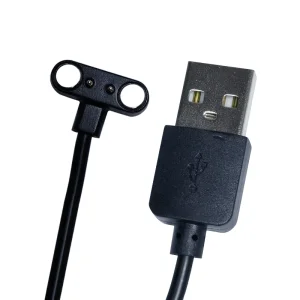
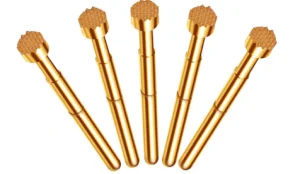
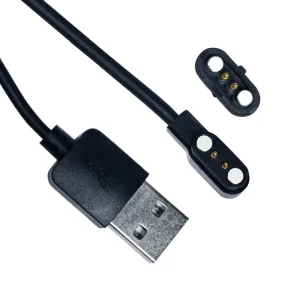
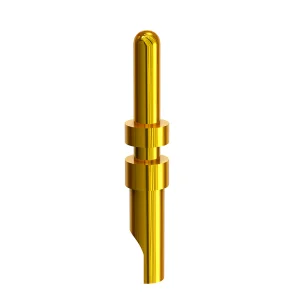
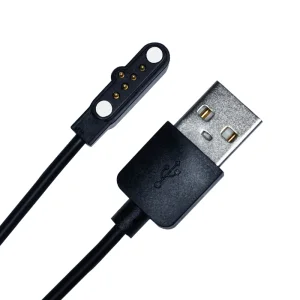
Browse our range of specialized spring-loaded connectors, magnetic USB cables, and custom sockets designed for optimal connection performance.
 Rongqiangbin Electronic