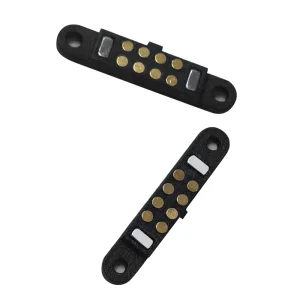
Custom ODM solutions engineered for high durability, electrical efficiency, and strict industrial environmental compliance.
In the modern era of high-speed automation, electrical mobility, and Smart Factory ecosystems (Industry 4.0), the term industrial socket has evolved far beyond basic power plugs. Today, precision electrical contacts, integrated spring-loaded connector arrays, and test-socket systems form the vital neural pathways of advanced industrial machinery. Global engineers demand connections that are not only robust but capable of maintaining continuous structural integrity, minimal contact resistance, and flawless data transmission under extreme mechanical stress.
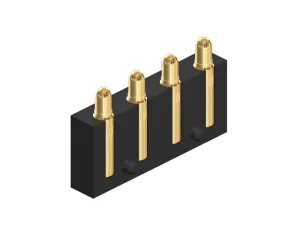
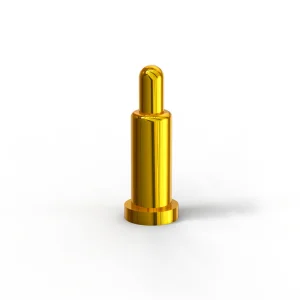
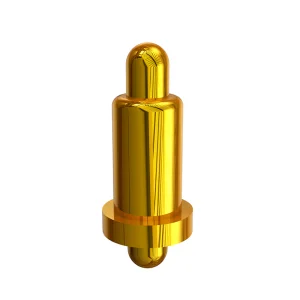
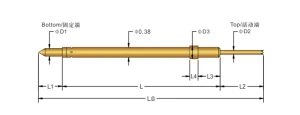
As a premier ODM Industrial Sockets Supplier & Factory, our primary operational philosophy centers around custom engineering. Traditional rigid pin connectors suffer from early fatigue, misalignment, and intermittent contact when subjected to constant vibration or thermal cycle expansion. Our specialized spring-loaded pin (pogo pin) contact sockets address these issues head-on, delivering a dynamic, resilient connection point that conforms automatically to mechanical deviations.
"The shift from static mechanical connector blocks to dynamic, spring-loaded socket interfaces has reduced signal degradation in automated test equipment (ATE) by up to 87%, making it the preferred standard for OEM leaders worldwide."
To meet the strict technical standards of the aerospace, medical, automotive, and consumer electronics industries, we combine metallurgical precision with cutting-edge internal spring configurations. Each contact socket is engineered to maintain uniform force (often calibrated to specific gram-force requirements) throughout its lifetime, eliminating localized hot-spots and mechanical failures.
A proven track record of engineering leadership, verified by international standards and industry giants.
When procurement teams from multinational giants like Honeywell, Siemens, and Amphenol evaluate an ODM industrial sockets supplier, they operate on a framework of strict technical compliance and risk mitigation. For industrial applications, the primary criteria are:
Industrial machinery cannot tolerate downtime. Standard consumer-grade connectors yield lifecycles of 5,000 to 10,000 mating cycles. Our custom spring-loaded sockets are engineered using specialized alloys, such as Beryllium Copper (BeCu) for plunger cores and high-tensile Stainless Steel (SUS) or Music Wire for the internal spring mechanism. This allows us to achieve durabilities exceeding 100,000 to 1,000,000 cycles without sacrificing contact force or electrical conductivity.
With the rapid adoption of electric mobility charging docks and automated guided vehicles (AGVs), connectors must carry currents ranging from 2A up to 30A per individual contact. Conventional spring pins fail under high current as the spring material heats up, losing its elasticity. We counter this by utilizing back-drill or ball-point internal plunger configurations that force structural current to travel through the low-resistance brass barrel rather than the high-resistance spring, maintaining low contact resistance (often under 20mΩ).
Industrial environments are harsh, contaminated with grease, moisture, and acid residues. Our sockets feature customized electroplating finishes. By applying an engineered base layer of Nickel (ranging from 50 to 150 micro-inches) followed by a top layer of pure Gold (up to 30 micro-inches), we ensure superior salt spray resistance (up to 48 or 96 hours) and complete protection against galvanic corrosion.
A breakdown of the materials, mechanisms, and design considerations that make our ODM components stand out.
Utilizing high-precision Swiss automatic lathes, we maintain dimensional manufacturing tolerances within ±0.005mm, ensuring absolute concentricity and stability of the barrel and plunger.
Engineered multilayer plating processes including heavy gold, palladium-nickel, and rhodium options to withstand friction wear, chemical exposure, and high-temperature soldering reflow.
By optimizing the contact interface and implementing structural internal brass balls, we achieve up to 30 Amps capacity per pin, suitable for quick-charging docks and rugged power sockets.
Utilizing high-performance injection-molding (LCP or PBT) and specialized silicone O-ring sealing, we guarantee moisture and water ingress protection for rugged field environments.
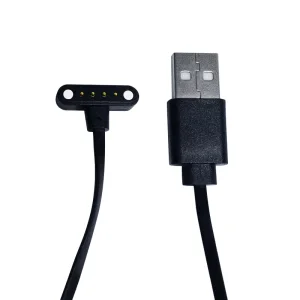
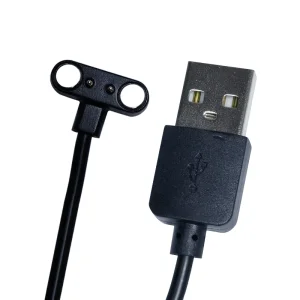
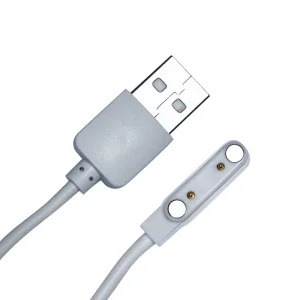
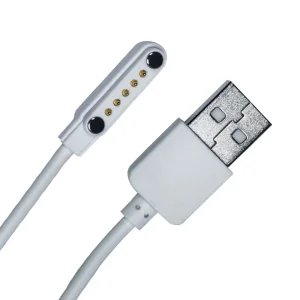
Integrated high-coercivity NdFeB (Neodymium) magnets provide self-finding connection profiles, protecting the pins from lateral shear stress and optimizing user experiences.
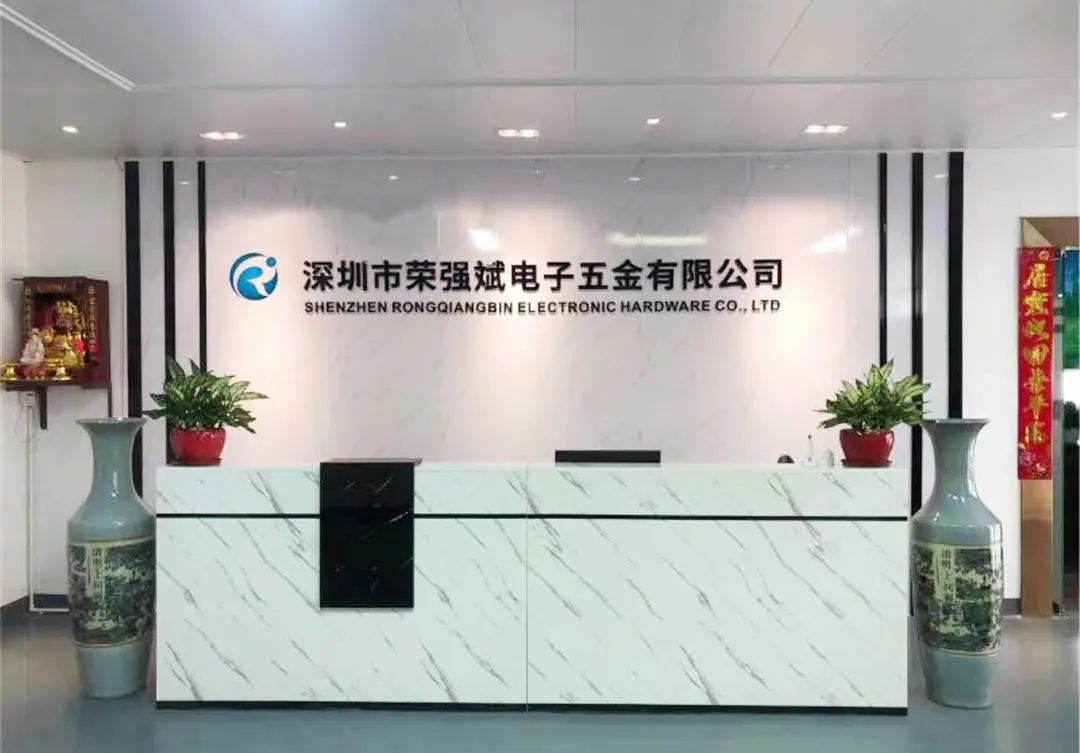
One of the primary competitive advantages of partnering with Shenzhen Rongqiangbin Electronic Hardware Co., Ltd. is our physical location. Situated in the Songgang Street district of Shenzhen—the heart of the Guangdong-Hong Kong-Macao Greater Bay Area—we sit at the epicentre of the world's most advanced electronics hardware supply chain.
This localized hardware ecosystem provides several key structural benefits to our global ODM buyers:
From micro-scale medical sensors to high-vibration automotive telemetry, see where our hardware performs.
Under-the-hood sensors, dashboard diagnostics, and custom charging arrays require connections that resist constant engine vibration. Our spring-loaded contact blocks provide uninterrupted continuity despite vertical and horizontal oscillation.
Electrocardiogram devices, handheld diagnostics, and scanning probes demand zero-tolerance signal integrity. Gold-plated pogo pins provide high-frequency transmission with zero cross-talk, complying with bio-compatibility standards.
IC packaging and system-on-chip validation platforms require high-density, low-pitch testing sockets. Our pins are engineered with tight pitches down to 0.4mm, providing low contact resistance across millions of test cycles.
To maintain our standing as a trusted partner for global industry leaders, we operate under a rigorous quality management framework. We understand that a single failure in a sub-component connector can trigger a complete system recall.
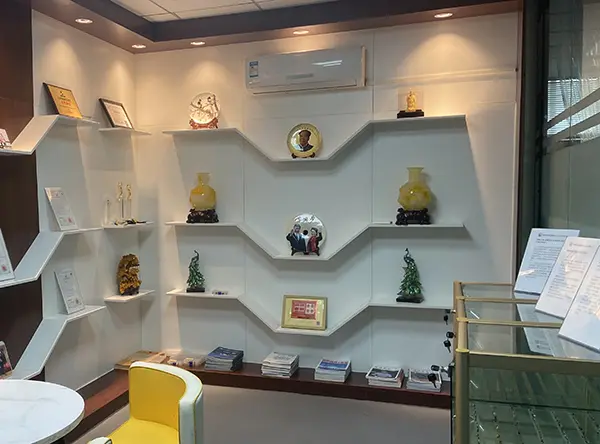
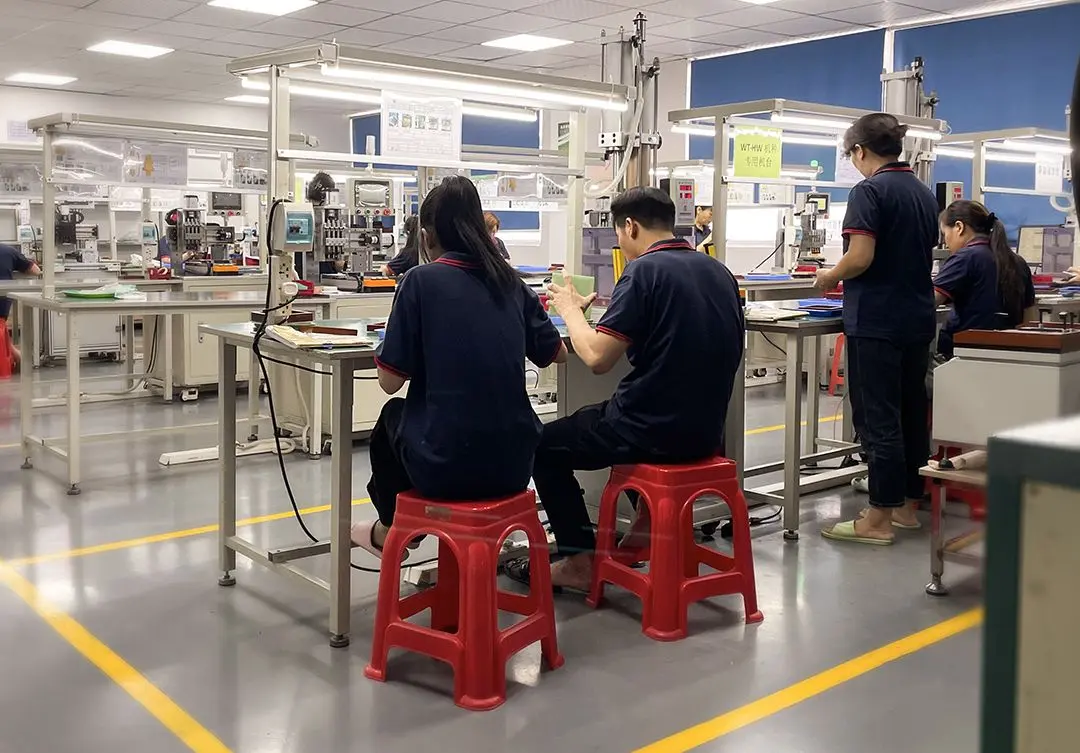
Our factory operates under the ISO 9001:2015 international quality management system certification. We employ a dedicated, multi-tier Quality Assurance team that oversees every phase of production, from raw material inspection (IQC), in-process quality control (IPQC), to final pre-shipment quality verification (OQC).
All of our industrial sockets and contact pins strictly comply with international environmental protection directives. Our raw materials and plating baths undergo independent testing to guarantee compliance with RoHS 2.0 and REACH regulations, preventing hazardous substances like lead, cadmium, and hexavalent chromium from entering your final supply chain.
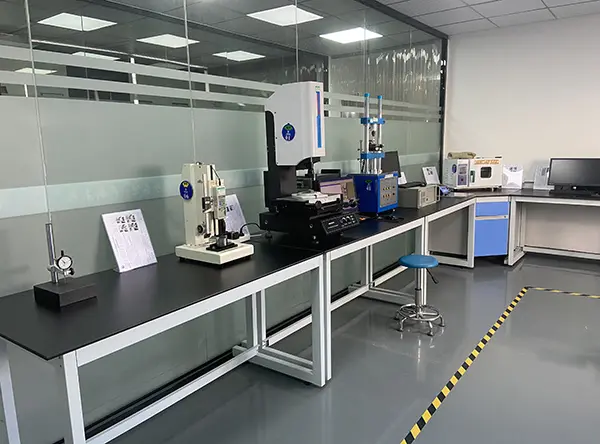
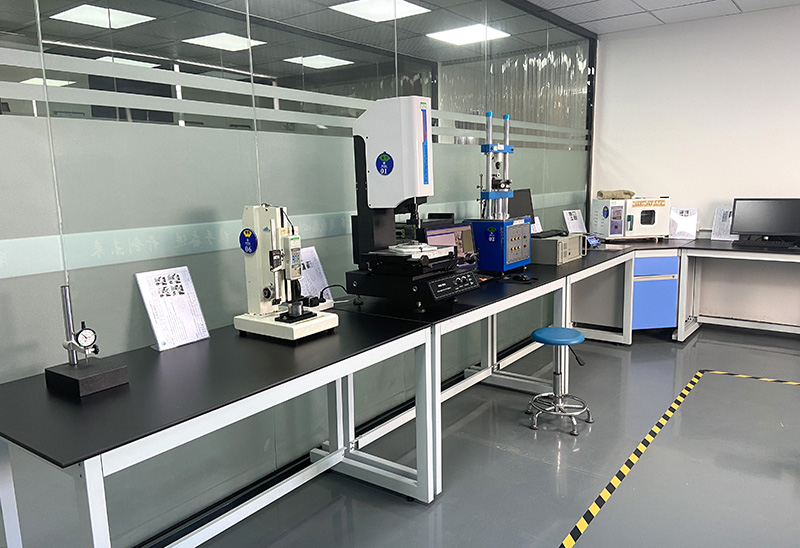
Our quality control laboratory is equipped with state-of-the-art testing equipment, ensuring that every batch shipped matches the specifications in the technical drawings:
| Testing Equipment | Functional Purpose |
|---|---|
| X-Ray Plating Thickness Analyzer | Non-destructive verification of micro-inch gold and nickel plating thickness. |
| Elasticity & Force Displacement Tester | Measures plunger spring force profiles at nominal travel heights. |
| Salt Spray Corrosion Chamber | Simulates severe environmental conditions to test plating lifetime. |
| Micro-Impedance Meter | Verifies contact resistance profiles under active mechanical compression. |
As microelectronics continue to shrink in scale and expand in performance, connection technologies must evolve in parallel. Several clear engineering trends are currently dictating the development of next-generation industrial sockets:
The physical footprint available for connectors is shrinking rapidly. Modern IoT edge devices and portable diagnostic units require ultra-low-profile sockets. Designing a spring pin with a pitch smaller than 0.5mm while maintaining acceptable mechanical lifetime requires advanced metallurgy, precision micro-machining, and complex automated assembly systems.
Industrial automation relies heavily on real-time data loops. Modern interfaces must route high-speed USB-C, PCIe, or Ethernet signals through mechanical interfaces. Achieving high bandwidth and impedance matching through spring contact arrays requires careful electromagnetic simulation and optimized design of the barrel, plunger, and insulator housings.
Future connections will feature embedded microchips for safety checks, ensuring that power is only transferred when the connector is fully locked. Magnetic arrays aid in correct alignment, reducing wear and tear on the contacts caused by misaligned blind mating.
Shenzhen Rongqiangbin Electronic Hardware Co., Ltd. is located in Shenzhen, the leading city of the Guangdong-Hong Kong-Macao Greater Bay Area. Our company was founded in February 2011 in Songgang Street, Shenzhen, specializing in the development and manufacturing of Pogopin connectors. After years of efforts and sedimentation, the company gradually became a leader in the industry.
Guided by our company's spirit of "customer first, integrity first", we have established a strong POGO PIN industry technology production team and formed long-term cooperative relationships with numerous well-known enterprises. Our goal remains: "Committed to be excellent POGO PIN manufacturers for both quality and cost at home and abroad, and leading connector technology development."


Comprehensive technical answers detailing design tradeoffs, materials, and engineering options for ODM projects.
Explore our high-performance ODM magnetic interfaces, multi-row sockets, and customized contact pins.
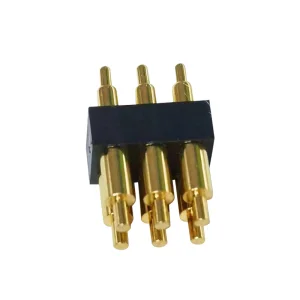
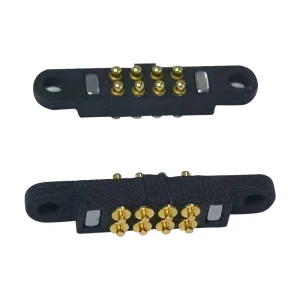
ODM 8 Pin Pogo pin Magnetic Connector Supplier, Suppliers
Request Details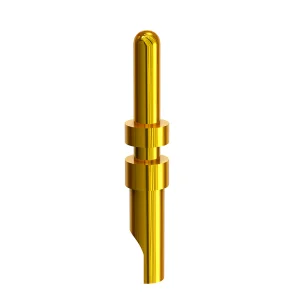
OEM Soldering Wire Spring Contacts Pogo Pins Supplier, Suppliers
Request Details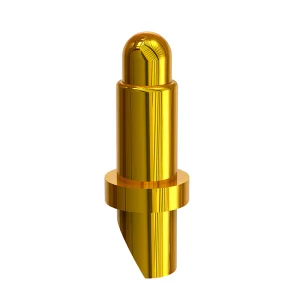
Cheap Customized Spring Loaded Pogo Pin Factory, Factories
Request Details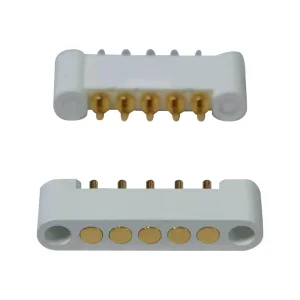
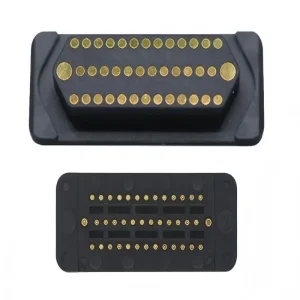
OEM Magnetic connector Suppliers, Factory
Request Details
Custom High Current Pin Manufacturers, Supplier
Request Details Rongqiangbin Electronic