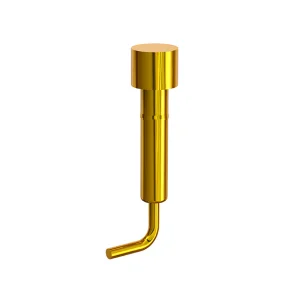
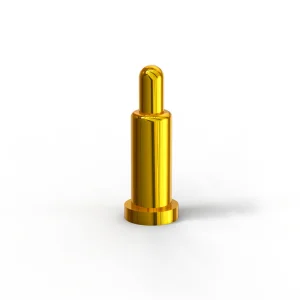
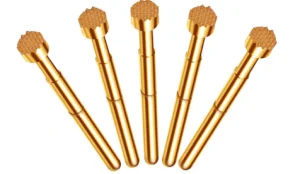
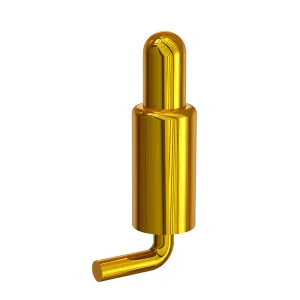
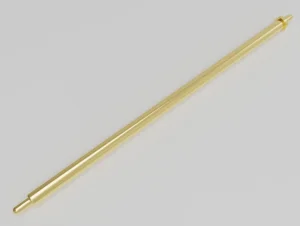
Explore our core custom-manufactured hardware and connector units engineered for rigorous industrial validation.
Strategic insights for procurement directors and test engineering leads in modern electronics manufacturing.
In the modern hyper-competitive electronics landscape, standard test interfaces are falling short. As multi-functional smart devices, smartwatches, IoT nodes, and high-frequency communication modules shrink in size, they demand specialized testing interfaces. Procurement teams at enterprise organizations no longer look for simple off-the-shelf connectors. Instead, they require custom-engineered ODM Pogo Pin Fixtures that can meet unique physical footprints, electrical specifications, and cycle-life demands.
An optimal Pogo Pin fixture acts as the critical bridge between the Device Under Test (DUT) and the Automated Test Equipment (ATE). A minor error in mechanical tolerance, signal attenuation, or spring force profile can result in false failures, ruined substrates, or catastrophic production bottlenecks. Global companies require robust partner manufacturers capable of managing the full pipeline—from internal finite element analysis (FEA) and rapid tooling iteration to ISO-certified mass output.
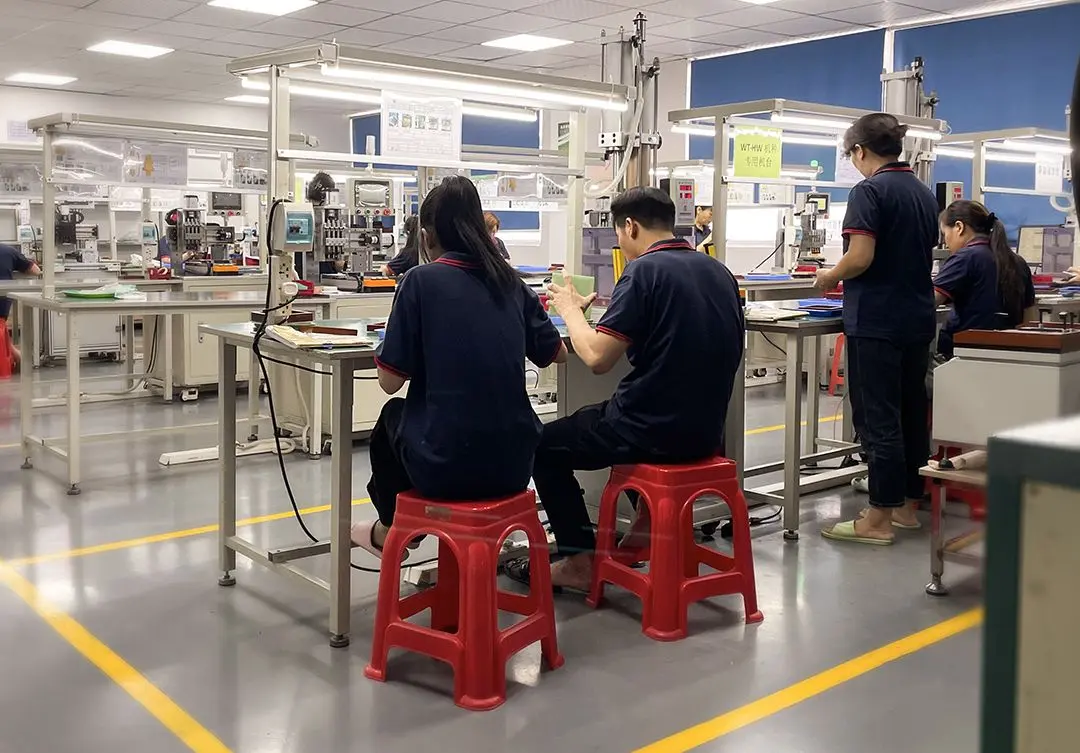
Procurement professionals must balance initial tooling costs against long-term operational costs (OPEX). Selecting a low-cost, uncertified supplier often results in high contact resistance (R_contact), rapid spring fatigue, and early fixture degradation.
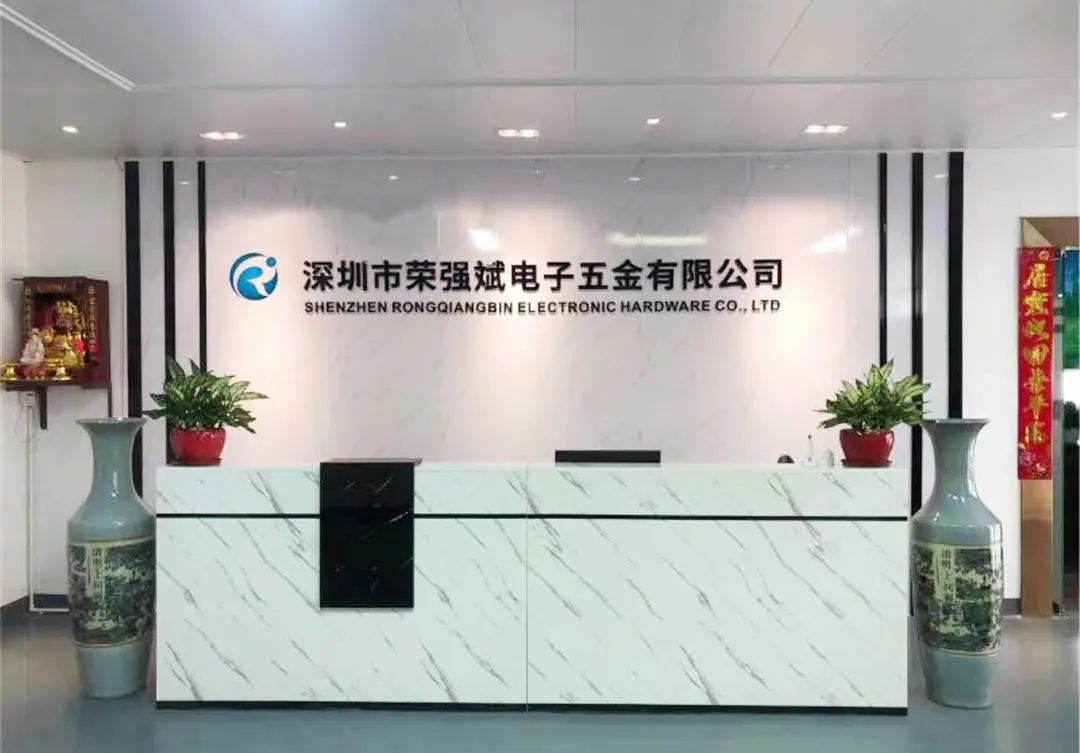
Working with an expert partner like Shenzhen Rongqiangbin Electronic Hardware Co., Ltd. ensures that every contact pin assembly undergoes stringent qualification tests, lowering field failures and protecting high-value testing mainframes.
A comprehensive breakdown of the physical and mechanical properties powering RQB’s high-precision interfaces.
Our design processes prioritize mechanical stability and signal integrity. The table below highlights standard engineering parameters for RQB custom ODM Pogo Pin Fixture configurations:
| Performance Characteristic | Typical Specification Range | Engineering Optimization Method |
|---|---|---|
| Center Pitch Limits | 0.35 mm to 2.54 mm | Fine-pitch precision CNC machining & high-density insertion technology. |
| Continuous Current Capacity | 1.0A up to 40.0A per individual pin | Thickened copper body walls, low-resistance spring designs, and optimized plungers. |
| Average Contact Resistance | < 30 mΩ (milliohms) | Multi-layer precious metal plating (minimum 10 micro-inches of hard gold over nickel). |
| Mechanical Life Cycles | 50,000 to 500,000 insertions | Internal durability testing and advanced wire spring temper validation. |
| Preload & Spring Force Profiles | 15g to 150g (calibrated to project targets) | Tailored spring geometry designs preventing contact deformation on the DUT pad. |
| RF & High-Frequency Limits | Up to 12 GHz transmission | Impedance-matched coaxial layouts, ensuring low insertion and return loss profiles. |
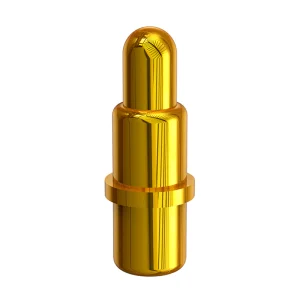
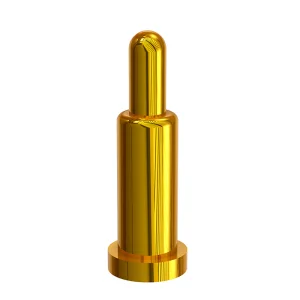
Plungers are shaped to match contact requirements (spear tip, crown, cup, or flat) and machined from hardened Beryllium Copper (BeCu) or SK4 to maintain structural stability over long test runs.
Our custom springs are wound from music wire or stainless steel, pre-stressed, and gold-plated. This ensures reliable spring-back and consistent resistance over long operational cycles.
Using phosphor bronze or brass barrels, plated with gold over nickel diffusion barriers, we eliminate oxidation and prevent corrosion in high-humidity factory settings.
How we address complex technical challenges across key global markets.
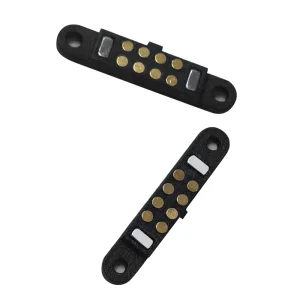
Modern smartwatches, earbuds, and smartphones demand ultra-compact charging and data interfaces. We engineer high-density SMT and SMD pogo pins featuring magnetic alignment. This prevents misalignment and maintains water-resistant IP67/IP68 ratings.
Under-the-hood microcontrollers, radar sensors, and battery management systems (BMS) operate under severe vibrations and extreme temperatures. Our automotive fixtures feature heavy-duty spring forces and high-current tolerance (up to 40A) to ensure reliable contact during thermal-shock validation.
Our fine-pitch BGA/LGA socket and probe block designs allow test teams to validate complex ASICs down to 0.35mm pitch spacing. With controlled impedance matching, we ensure reliable high-speed data transmission for clean digital test cycles.
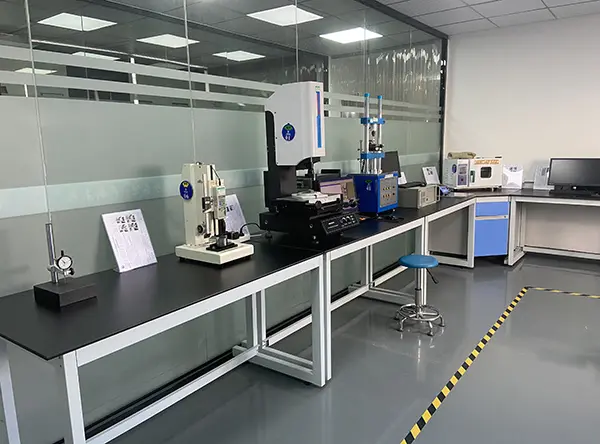
Rongqiangbin operates an advanced manufacturing facility equipped with high-speed precision Swiss CNC lathes, automated assembly machinery, and inline optical inspection equipment.
This integrated setup allows us to keep tolerances within ±0.005mm. As a result, our fixtures deliver consistent testing results across single-cavity units and complex multi-site arrays alike.
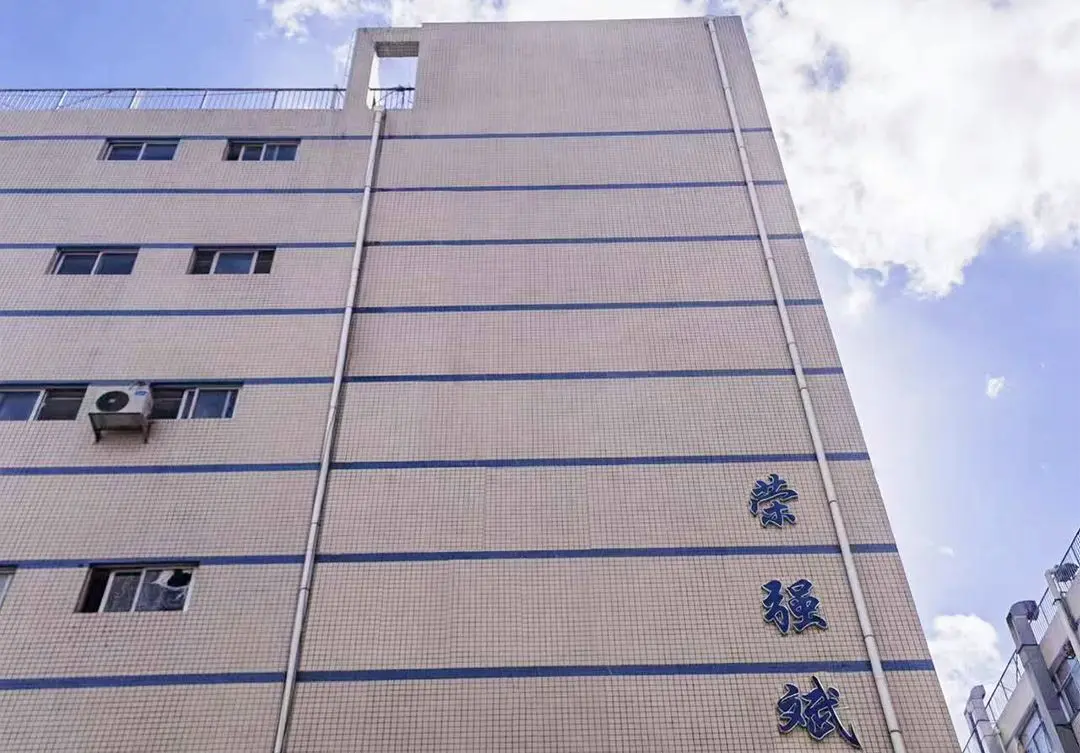
Backed by over a decade of hands-on experience, certified workflows, and international patents.
Founded in February 2011 in Songgang Street, Shenzhen—at the heart of the Guangdong-Hong Kong-Macao Greater Bay Area—Shenzhen Rongqiangbin Electronic Hardware Co., Ltd. has grown from a specialized hardware shop into a leading force in connector technology.
Our core mission is clear: Committed to being an excellent POGO PIN manufacturer, delivering top-tier quality and cost performance globally, and leading connector technology development.
We operate under the principles of "customer first, integrity first." We have established an ISO9001:2015 certified quality system, supported by an environmental management framework. This ensures our materials comply with REACH, RoHS, and halogen-free directives.
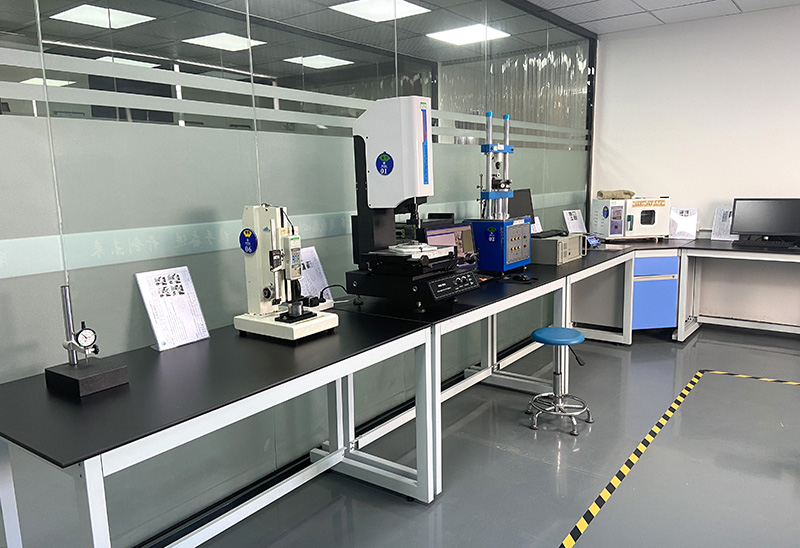
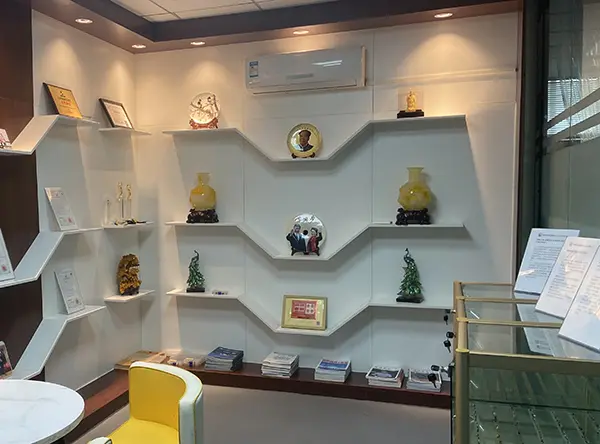
Rongqiangbin serves as an approved strategic supplier to some of the world's most demanding technology companies.

How we are preparing for the next generation of electronics testing and hardware interfaces.
As silicon integration density increases, wafer-level chip scale packaging (WLCSP) requires smaller pitch configurations. Our R&D team is developing micromachined probes designed for 0.2mm and 0.15mm pitches.
Electric vehicle charging interfaces demand higher power transfer rates. We are engineering hybrid high-current contacts capable of carrying up to 100A pulses without thermal runaway.
To test wireless modules, connectors must handle high frequencies. Our upcoming high-frequency probe arrays are designed to control impedance up to 28 GHz and beyond, ensuring clean RF testing.
Answers to technical questions from test engineers, quality managers, and procurement professionals.
For standard testing, Beryllium Copper (BeCu) is preferred due to its electrical conductivity and mechanical strength. When testing abrasive solder targets, we recommend SK4 or steel tips hardened to over 600 HV and coated with hard gold or Rhodium. This setup minimizes wear and prevents solder pick-up.
We control contact resistance by using dynamic bias designs inside the barrel. These designs ensure the plunger maintains contact with the inner barrel wall. We also apply a gold plating layer over a nickel underplate, which prevents oxidation and maintains resistance below 30 mΩ across the fixture's lifespan.
Our typical engineering workflow is structured for speed. Once we receive your 3D CAD files (STEP/IGES) and testing specifications, our engineers can deliver initial fixture concept drawings within 3 to 5 business days. Once the design is approved, fabrication and assembly take between 10 and 15 days, depending on complexity.
Yes. We design and build specialized RF coaxial probe assemblies. These units are engineered for impedance matched lines (typically 50 ohms) to minimize insertion and return losses, allowing reliable signal transmission up to 12 GHz.
We run finite element analysis (FEA) to calculate the total spring force across the pin array. We then select individual spring weights (such as 20g or 30g) and tip styles (such as smooth cup or flat tips) that prevent localized pad deformation while maintaining reliable electrical contact.
We use high-precision CNC equipment and run every batch through automated optical inspection (AOI) to verify critical dimensions. We also conduct mechanical force-deflection testing and electrical contact checks to ensure every shipped component meets our specifications.
Yes, all products comply with RoHS 3.0 and REACH regulations. We source certified raw materials and use eco-friendly surface finishing processes, ensuring our products are safe for global consumer electronics applications.
We provide full technical support for our fixtures, including detailed user manuals and pin maps. We also include a set of spare pins and springs with each custom fixture order. If needed, our team can guide your plant operators through maintenance and troubleshooting online.
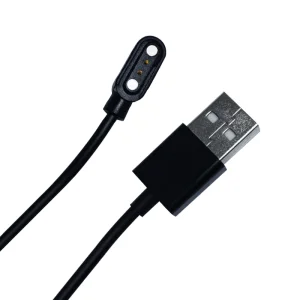
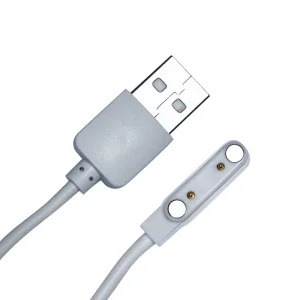
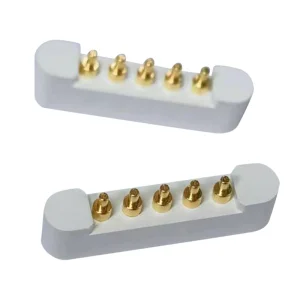
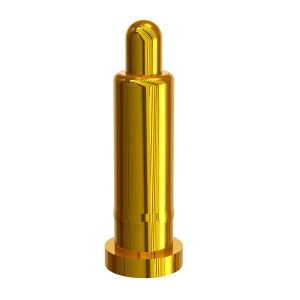
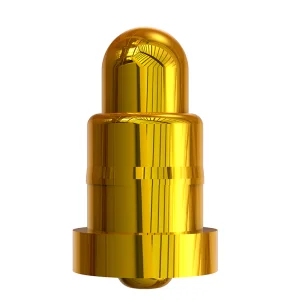
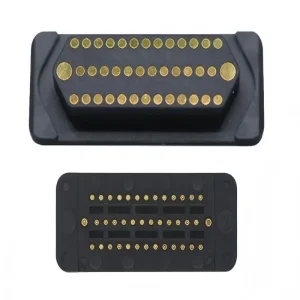
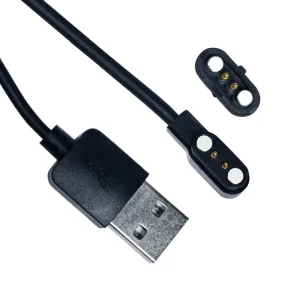
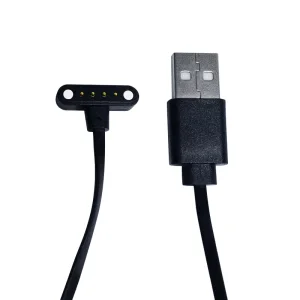
Explore our highly integrated magnetic connectors and high-durability surface mount (SMT/SMD) pogo pins.
 Rongqiangbin Electronic