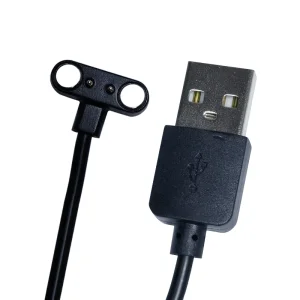
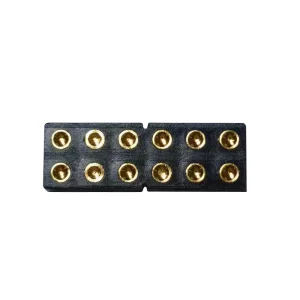
ODM Pogo Pins Types Manufacturer & Factories

Engineering Next-Generation Precision Spring-Loaded Connectors & Magnetic Assemblies for Global Electronics

Whitepaper: Engineering Specifications of Modern Pogo Pins

A deep dive into structural design, electromechanical characteristics, and advanced metallurgy driving next-generation ODM/OEM interconnects.

Advanced Plating Metallurgy

Optimizing contact resistance and lifecycle longevity requires custom plating. Our manufacturing plants utilize standard Gold (Au) over Nickel (Ni) layers, with thicknesses ranging up to 30 micro-inches of gold, ensuring superior protection against perspiration corrosion, oxidation, and frictional wear in smart wearables.

Contact Mechanics & Spring Force

A stable connection depends on precision spring dynamics. By deploying premium Stainless Steel (SUS304) or Music Wire internal springs, we control compression loads between 20g to 150g. This dynamic profiling guarantees steady data transfer and high current ratings (up to 10A) without causing signal drops.

Custom Plunger Configurations

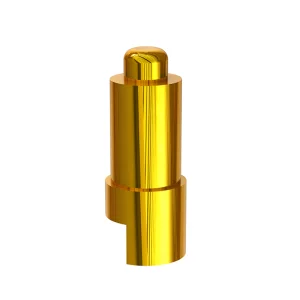
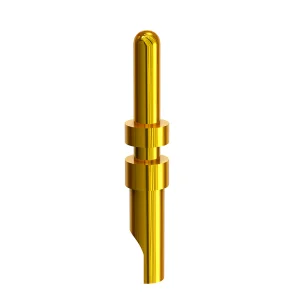
Whether you require flat, pointed, round, or concave plunger tips, our engineers customize the profile to match your mating surface. Bevel structures and back-drill designs prevent signal discontinuity, sustaining a contact resistance of < 30mΩ throughout 100,000+ mating cycles.

Local Applications & Design Scenarios

Pogo pin technology is transitioning from simple charging interfaces to complex data highways. In local engineering spaces, we see widespread adoption in:

  • Medical Grade IoT: Reliable, bio-compatible gold-plated pins designed to resist high-intensity sanitization chemicals.
  • Smart Grid Infrastructure: High-reliability spring contacts enabling modular utility meters to maintain connection during vibrations.
  • Automotive ADAS: Ruggedized, floating pogo pin connectors designed to absorb structural tolerances and thermal expansion in vehicle cameras.
  • Consumer Electronics: Ultra-miniaturized form factors (pitch < 1.0mm) for TWS earbuds and smart sports watches demanding waterproof ratings (IPX7/IPX8).

Technological Roadmap: The Next Era

As high-speed signal requirements escalate, our research and development pipelines are targeting coaxial pogo pins capable of support frequencies up to 10 GHz (enabling USB4 and PCIe Gen 4 equivalent bandwidth). Additionally, we are pioneering compound coating layers, introducing Platinum-Group Coatings to completely eliminate nickel-allergy risks in wearable applications.

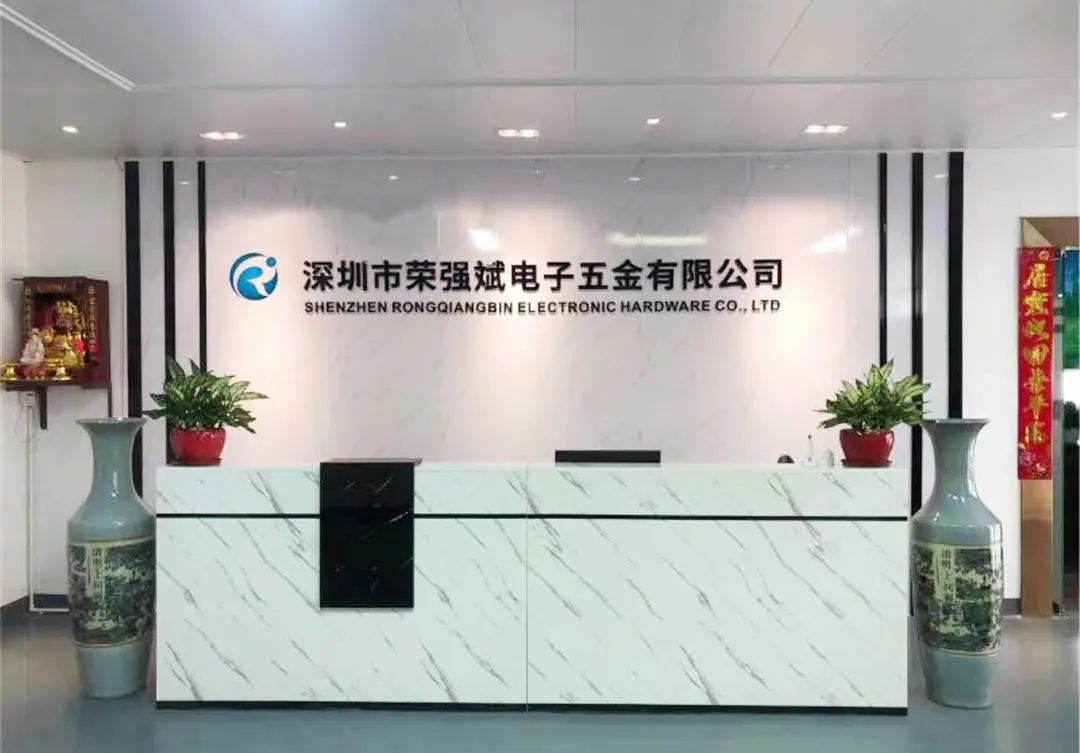
About Shenzhen Rongqiangbin Electronic Hardware Co., Ltd.

Founded in February 2011 and strategically located in Songgang Street, Shenzhen—the premier high-precision manufacturing hub of the Guangdong-Hong Kong-Macao Greater Bay Area—we have focused on the design, production, and distribution of top-tier spring loaded pogo pin connectors. Through over a decade of technical refinement and rigorous quality controls, our enterprise has emerged as an industry leader.

Operating on the core philosophy of "customer first, integrity first," we maintain a strong in-house engineering and production division. To guarantee compliance with strict quality and environmental standards worldwide, we have secured the authoritative ISO9001:2015 international quality management system certification. Our premium environmental controls enable us to supply products meeting REACH, RoHS, and halogen-free directives.
Honeywell Samsung Siemens AG ZTE 360 QCY Haylou Shanghai Laimu Luxshare Group Amphenol Group
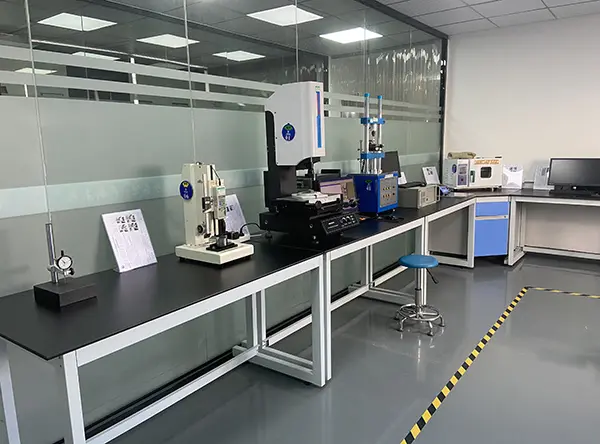
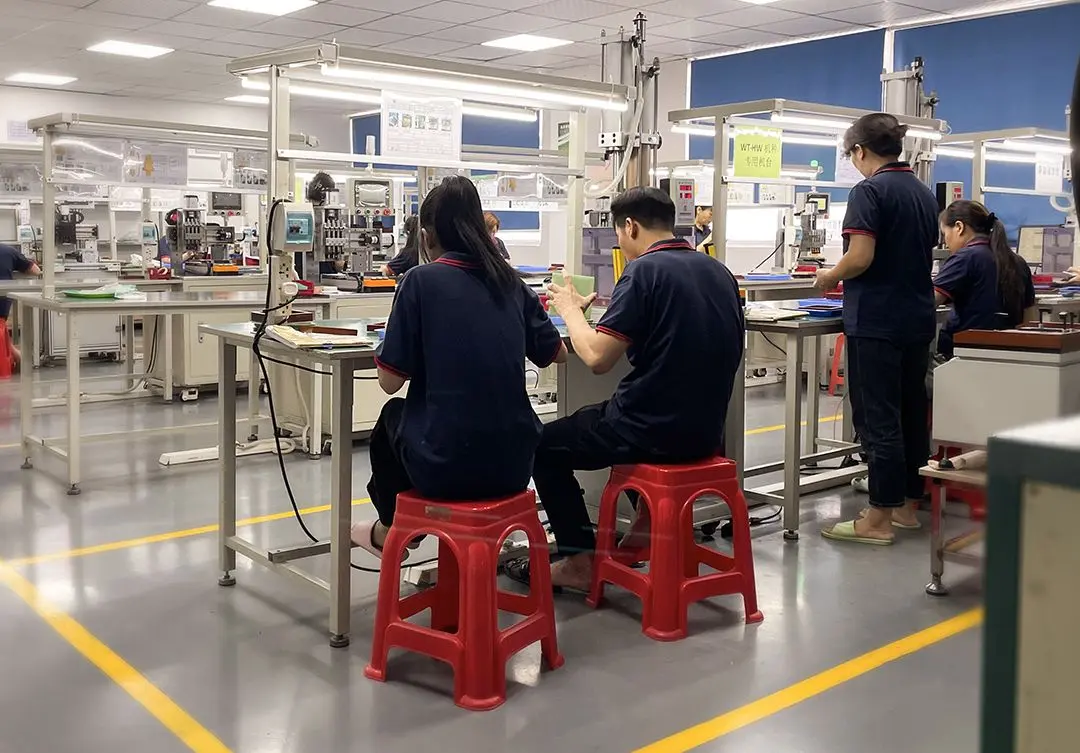
Shenzhen Rongqiangbin Factory Manufacturing Pogo Pin Assembly Machine Precision Inspection Equipment
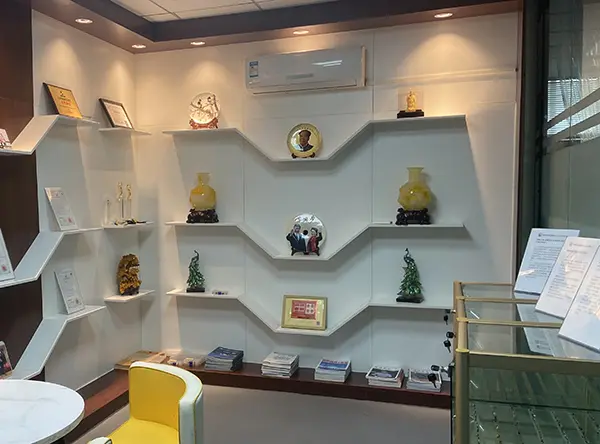
ISO Certification Patent Award
10+
Years Experience
4000+
Global Clients
300+
Core Patents
100%
Pre-Shipment QA

Shenzhen Supply Chain Resiliency & Speed

How our localization in the world's electronics capital optimizes lead times and manufacturing costs.

Vertical Integration

By conducting raw material processing, high-speed Swiss CNC machining, heat treatments, plastic injection molding, and automatic packaging within our local industrial perimeter, we minimize third-party dependencies.

Rapid Prototype Turnaround

We leverage native technical talent in the GBA zone to modify designs quickly. Receive customized 2D/3D CAD models within 24 hours, and actual CNC prototypes for testing within 3 to 5 business days.

Strict Quality Control System

Equipped with advanced mechanical force testers, CCD visual scanners, and X-ray plating thickness analyzers, we inspect each component dynamically. No connector leaves our floor without passing strict standard test regimes.

Expert FAQ: Architectural Decisions for Pogo Pin Integration

Industry-standard technical questions addressed by Shenzhen Rongqiangbin's Chief Technical Officer.

1. What causes premature plating wear in wearable device pogo pins?
Premature wear is primarily driven by skin friction and electrochemical reactions induced by perspiration. Standard gold plating can degrade if the underlying nickel diffusion barrier is too thin. We mitigate this issue by adding a palladium-nickel (Pd-Ni) layer under the gold coating, enhancing resistance to sweat, salt spray, and typical wear over long-term usage.
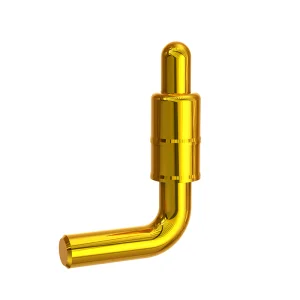
2. How do right-angle (bending type) pogo pins benefit PCB layouts?
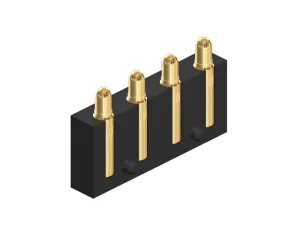
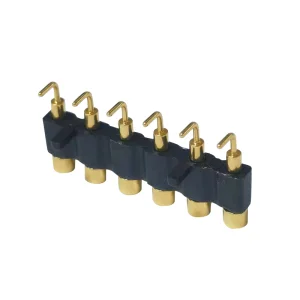
Bending type pogo pins permit coplanar or right-angle connections, allowing designers to minimize profile height. By directing the mating direction parallel to the board, they reduce vertical clearance issues, making them ideal for compact consumer electronics and modular medical devices.
3. Can pogo pins support high-speed USB Type-C protocols?
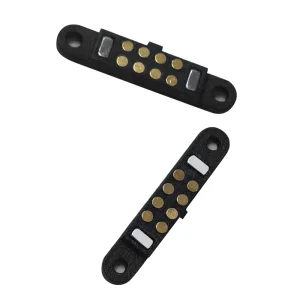
Yes, custom-engineered pogo pin configurations can handle high-speed data transmission. By matching the target impedance (typically 90Ω differential for USB) and optimizing the pitch layout of pin arrays, we develop magnetic USB-C connectors capable of handling USB 3.1 Gen 2 data rates alongside high-current charging.
4. What parameters are evaluated during 100% pre-shipment inspections?
Our quality control protocols require checking physical dimensions, stroke heights, contact resistance, and spring force values under static load conditions. Any pin deviating from target dimensions or force ranges is discarded by our automatic vision and electrical testers.
5. Why is a back-drill design used in miniature spring loaded contacts?
In back-drill designs, the plunger length is extended to sit inside the internal spring. This configuration creates extra electrical contact points between the plunger and the barrel wall, reducing inductance, minimizing contact resistance, and preventing signal dropout during rapid movements.
6. What is the standard lifespan of a premium-grade Pogo Pin?
Standard commercial models are rated for 10,000 to 50,000 mating cycles. However, by selecting durable plating alloys and refined spring materials, Shenzhen Rongqiangbin manufactures heavy-duty, high-durability connectors capable of exceeding 500,000 to 1,000,000 compression cycles.
7. How does magnetic coupling improve connector reliability?
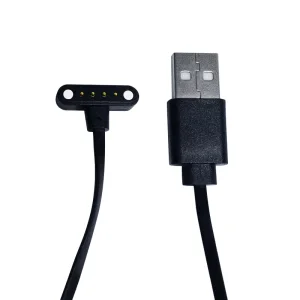
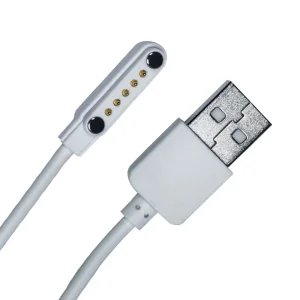
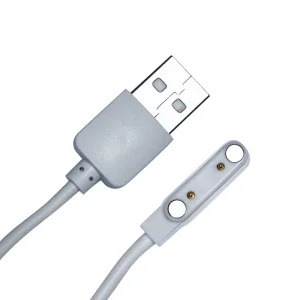
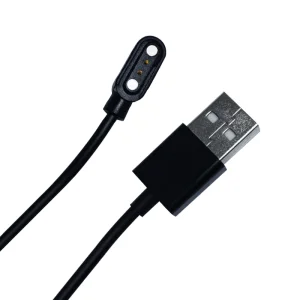
Magnetic connectors guide themselves into position during mating, reducing physical wear and mechanical stress on the spring contacts. The magnetic attachment is strong enough to maintain a reliable connection, yet detaches easily if the cable is pulled, preventing damage to the host device.
8. What materials are standard for insulating carriers in multi-pin blocks?
We use high-temperature plastics such as LCP (Liquid Crystal Polymer), PA46, or High-Temp Nylon (PA9T). These materials resist high temperatures during surface mount (SMT) reflow processes without warping, maintaining pin alignment down to sub-millimeter tolerances.
9. How does current rating influence spring design?
Standard springs carry minimal current to prevent heat buildup. High-current designs shunt electricity through the plunger and barrel walls using internal ball bearings or bias-cut plungers, keeping the spring cool and preserving its elastic properties.
10. Can custom shapes be molded for magnetic cable heads?
Absolutely. Our ODM services include full shell styling. We develop custom overmolding tools to integrate brand logos, LED charge status lights, strain relief boots, and specialized mating alignment keyways.