The foundation of semiconductor testing, automotive diagnostic systems, and automated electronic board validation depends heavily on advanced spring contact probe mechanics.
In modern high-speed electronics manufacturing, test probe pins (or spring loaded contact pins) are critical components that bridge the gap between testing instrumentation and the device under test (DUT). Whether performing in-circuit testing (ICT), functional testing (FCT), or validating sub-micron chip architectures on semiconductor wafers, the integrity of signal transmission is paramount.
Global demand is surging due to the rapid growth of automotive electronics (EV power modules, ADAS systems), medical equipment validation, IoT devices, and 5G telecommunication hardware. Global buyers, electronic engineering procurement teams, and original equipment manufacturers (OEMs) demand higher current limits, lower contact resistance, and long-lasting mechanical life structures. Procuring these customized micro-components requires partnering with factories that possess deep ODM engineering capacities, capable of designing structures matching specific force curves, plating specifications, and dimensional constraints.
Pioneering spring loaded hardware development through robust engineering and proven production metrics.
Understanding the internal mechanisms and material selection criteria ensures matching the operational stress limits required by electrical test engineers.
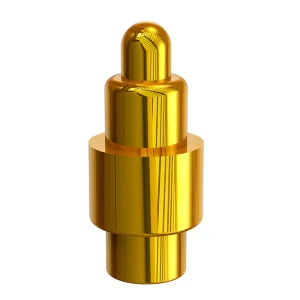
Different tip shapes are selected based on the surface topology under test. Crown, serrated, cup, spear, and flat tips optimize surface oxide penetration and electrical contact consistency.
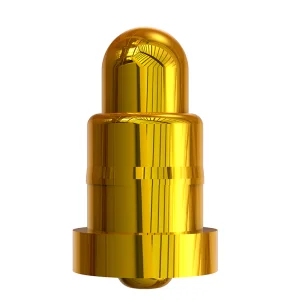
Engineered from Music Wire or Stainless Steel (SUS). High carbon compositions ensure resilience to thermal fatigue during high-current cycling without spring tension degradation.
Manufactured primarily from brass or bronze Alloys. Smooth internal surfaces minimize mechanical wear, stabilizing inner electrical resistance and prolonging lifecycle limits.
| Probe Parameter | Standard Range | Advanced ODM Range | Typical Applications |
|---|---|---|---|
| Spring Force | 80g – 150g | Up to 450g (Customizable) | Heavy oxide penetration / PCB testing |
| Pitch Size | 1.27 mm – 2.54 mm | <0.5 mm Ultra-fine pitch | Semiconductor package verification |
| Rated Current | 1.5A – 3A | High-current up to 15A | EV Battery chargers / Quick-charge terminals |
| Plating Composition | 1u" - 5u" Gold plated over Nickel | Up to 50u" thick selective Gold plating | Marine grade instruments / High reliability space tech |
| Mechanical Lifespan | 100,000 cycles | 1,000,000+ cycles | Automated production assembly lines (ICT/FCT) |
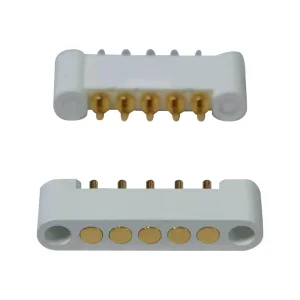
Shenzhen Rongqiangbin Electronic Hardware Co., Ltd. is located in Shenzhen, the leading technology hub of the Guangdong-Hong Kong-Macao Greater Bay Area. Founded in February 2011 on Songgang Street, Shenzhen, our company specializes in the development and precision manufacturing of high-performance Pogopin connectors and test probe pins.
Through years of consistent engineering innovation and quality control systems, our firm has established a leadership position in the connector technology segment. Built on the core principle of "Customer First, Integrity First," our high-caliber R&D team and ISO9001:2015 certified facility design products that meet clean environmental guidelines while maintaining cost-effective manufacturing metrics.
Our long-term brand relationships validate our market trust, including tier-one partnerships with leading enterprises such as Honeywell, Samsung, SIEMENS AG, ZTE, 360, QCY, HAYLOU, Shanghai Laimu, Luxshare Group, Aoni Electronics, and Amphenol Group.
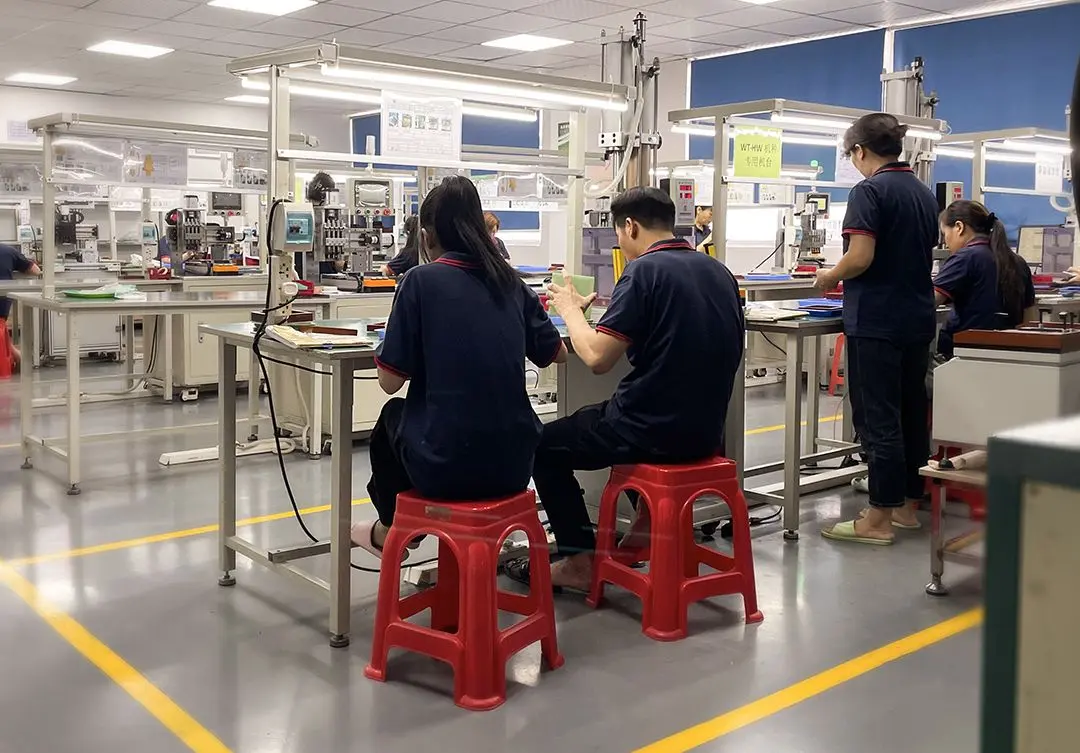
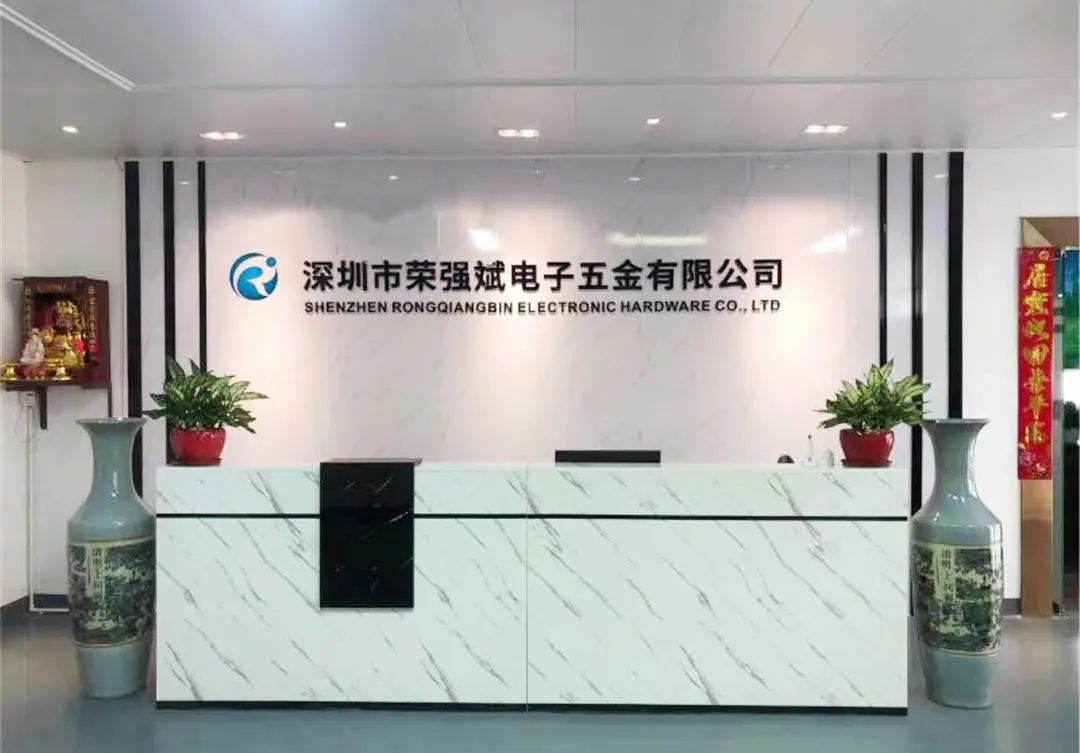

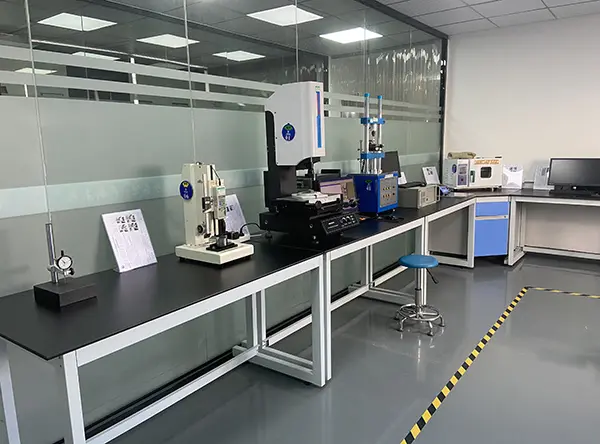
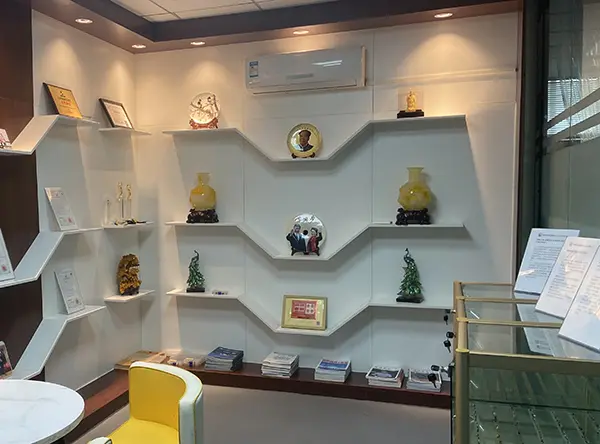
Proximity to component ecosystems and fully automated production lines allow us to optimize the delivery process and achieve consistent quality standards.
Located within the Guangdong-Hong Kong-Macao Greater Bay Area, our facility operates in proximity to suppliers of high-grade raw metals, precision surface finishing plants, and rapid tooling partners.
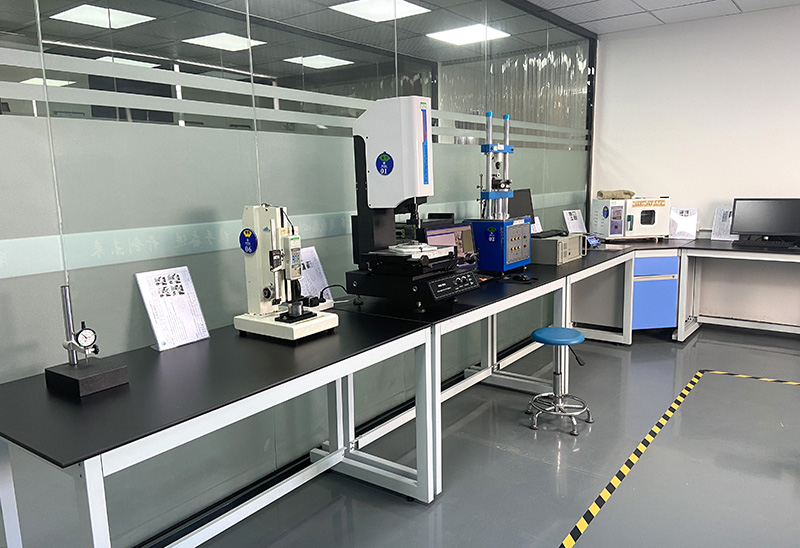
Our workshop houses high-speed Swiss automatic lathes capable of holding machining tolerances down to ±0.005mm, combined with automated optical inspection (AOI) systems for defect containment.
Operating under ISO9001 guidelines, we implement 100% computerized inspection for contact resistance, spring force profiling, and visual surface consistency prior to packaging.
How miniaturization and high-current demands are shifting the engineering limits of modern test interfaces.
With the rise of fast-charging capabilities in handheld consumer electronics and electric vehicles, custom contact solutions must carry higher current densities while maintaining compact form factors.
Outdoor wearable tech and medical device testing demand ruggedized, dustproof, and waterproof pogo pin connections. Our custom O-ring and silicone overmolding capabilities address these demanding conditions.
Automated tests of high-speed memory chips and RF transmitters require customized coaxial probes with integrated shielding to prevent cross-talk and maintain low signal degradation.
Providing direct technical insights for engineers and procurement managers during product selection.
 Rongqiangbin Electronic