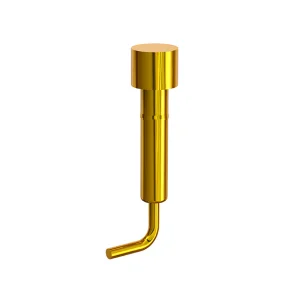
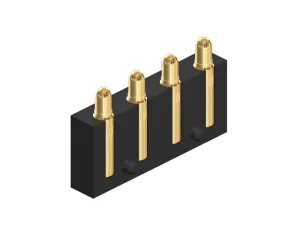
Explore our engineering breakthroughs featuring ultra-low contact resistance, high mating cycles, and custom structural geometry.
In the realm of advanced microelectronics, semiconductor testing, and electrical power transmission, the stability of physical interfaces dictates the reliability of the entire system. Probe pins—often referred to as spring-loaded contacts or pogo pins—serve as the vital bridge that maintains mechanical elasticity and electrical conductivity concurrently. Selecting a high-caliber OEM Probe Pin Manufacturer involves understanding the mechanical and material interfaces of these micro-components.
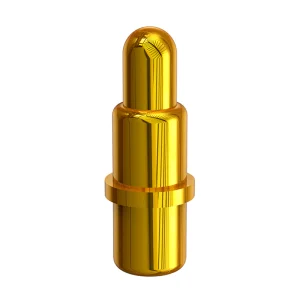
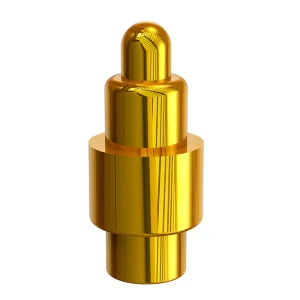
At their core, probe pins consist of a precision-turned barrel, an internal spring, and a moving plunger. When compressed against a target contact pads or gold fingers, they must exhibit minimal electrical resistance (typically measured under 30 milliohms) while undergoing thousands, if not millions, of duty cycles. The optimization of these factors requires sophisticated structural engineering, custom alloy selection, and advanced surface finish electroplating.
To deliver optimized OEM probe pins, designers must account for three primary electrical and mechanical characteristics:
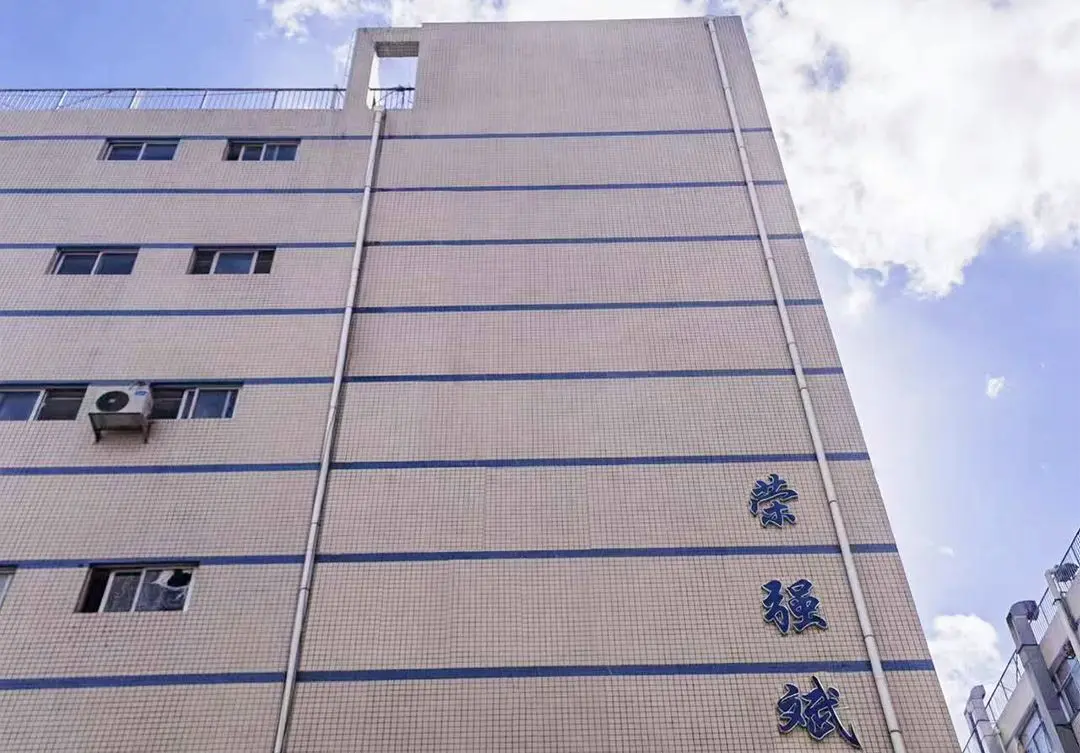
Shenzhen Rongqiangbin Electronic Hardware Co., Ltd. is strategically situated in Songgang Street, Shenzhen, within the heart of the Guangdong-Hong Kong-Macao Greater Bay Area—the world’s most dynamic hardware innovation hub.
Founded in February 2011, our company dedicated its entire infrastructure to the research, development, and manufacturing of premium Pogo Pin connectors. Through over a decade of scientific exploration and technological sedimentation, we have evolved into an international supplier of custom micro-contact solutions. Our state-of-the-art facilities produce connectors optimized for signal integrity, power transmission, and extreme environments.
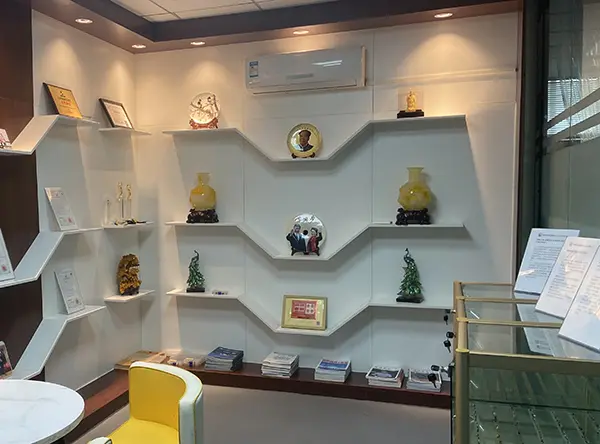
Our operation is built on the core principle of "customer first, integrity first." Powered by a highly skilled R&D team and a robust quality control team, we have earned the prestigious ISO9001:2015 international quality management system certification, guaranteeing that every component conforms to strict environmental protection and dimensional tolerances.
"Committed to being an excellent POGO PIN manufacturer for both quality and cost on home and abroad, and leading connector technology development."
Our business model centers on building strategic, long-term partnerships with leading companies worldwide. By providing robust engineering consultation during the initial design phase, we ensure that the mechanical tolerances, thermal characteristics, and electrical characteristics of our custom probe pins align with our clients' end-product goals.
Honeywell, Samsung, SIEMENS AG, ZTE, 360, QCY, HAYLOU, Shanghai Laimu, Luxshare Group, Aoni Electronics, Amphenol Group, and other world-class enterprises.

Delivering custom electrical contact excellence to Fortune 500 electronics leaders since 2011.
Shenzhen's Greater Bay Area represents the peak of industrial integration for micro-manufacturing and precision engineering.
Our facility in Songgang, Shenzhen, benefits from immediate access to raw material suppliers, high-precision surface plating facilities, and tooling shops. This proximity reduces development cycles and allows us to go from CAD design to prototype in a fraction of the time compared to Western counterparts.
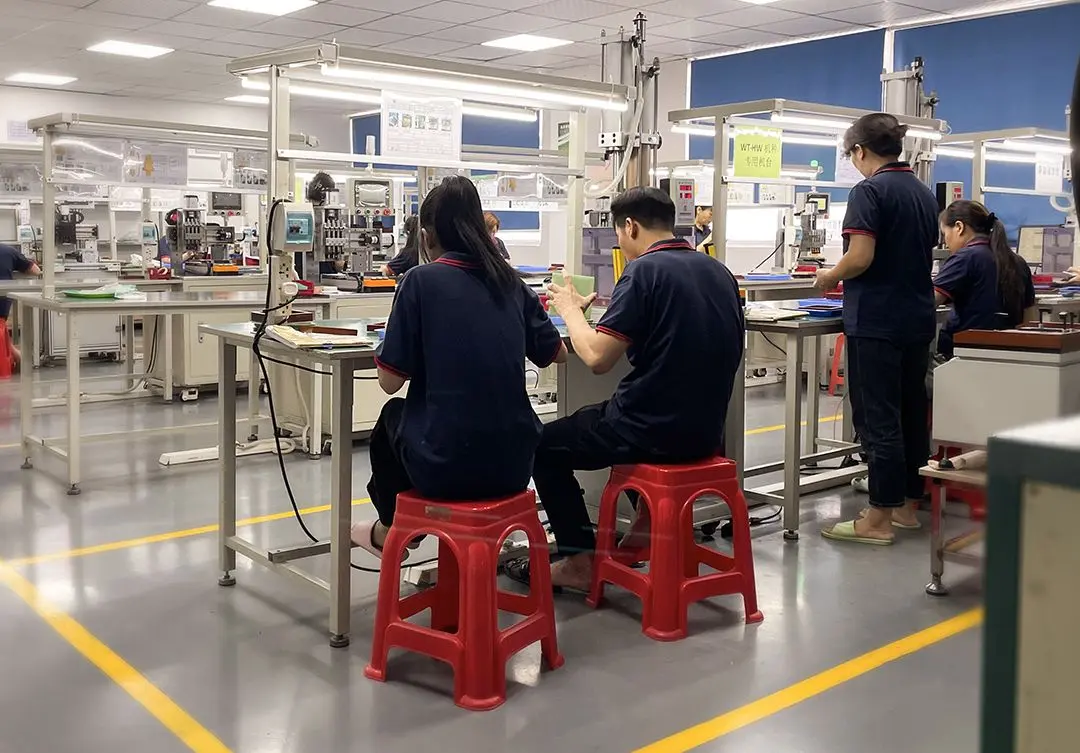
Leveraging modern Swiss-type CNC lathes and automatic assembly lines, our manufacturing floor holds dimensional tolerances within ±0.005mm. This extreme precision ensures that multi-pin connector housings assemble seamlessly and maintain co-planarity across long arrays.
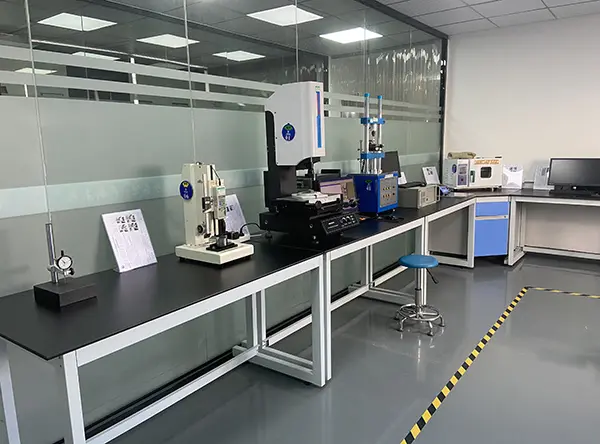
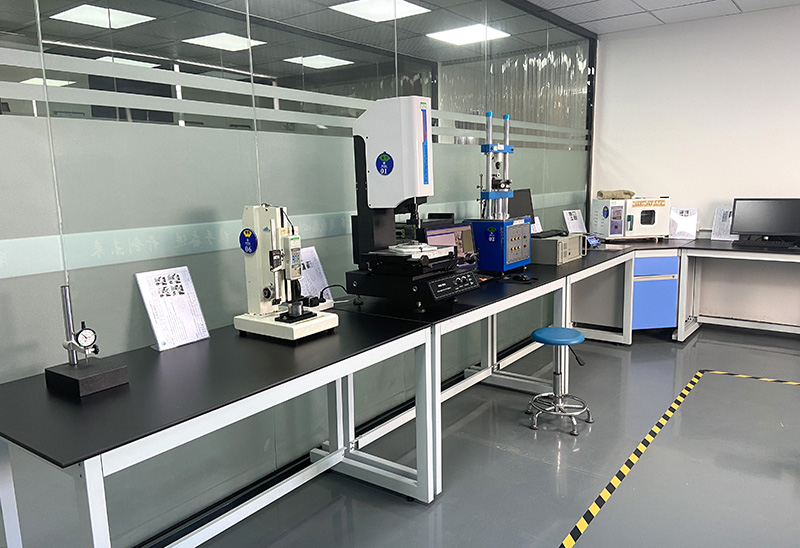
By incorporating dynamic impedance testers, X-ray thickness measurement devices for plating layers, elastic force profiling systems, and environmental chambers, we provide fully-documented quality validation, ensuring conformance with global compliance standards.
Our OEM probe pins and custom pogo pin systems are built for high performance across demanding target industries.
For smartwatches, TWS earbuds, and VR headsets, space is at a premium. Our ultra-miniature pogo pin connectors feature corrosion-resistant gold plating, allowing them to withstand exposure to sweat and environmental moisture without losing contact integrity.
We design high-current contact systems capable of carrying sustained current from 5A to 30A+ per pin. These custom connectors are critical in battery management systems (BMS), charging stations, and hybrid EV control units requiring high vibration resistance.
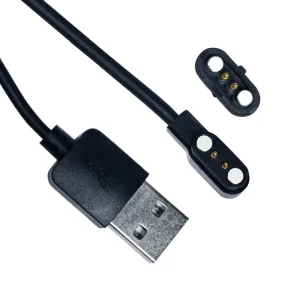
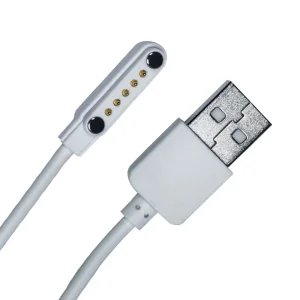
In rugged environments, dust, oil, and liquid ingress are constant challenges. Our magnetic mating connectors offer a self-aligning, break-away connection, preventing damage to medical diagnostics and industrial controllers.
Sourcing custom hardware components internationally requires transparency and clear quality expectations. As an experienced OEM factory, Rongqiangbin simplifies this process by providing direct engineering support from design to delivery.
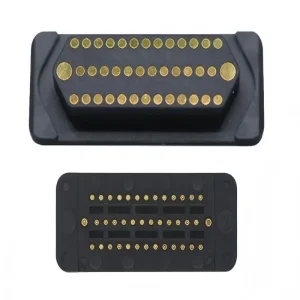
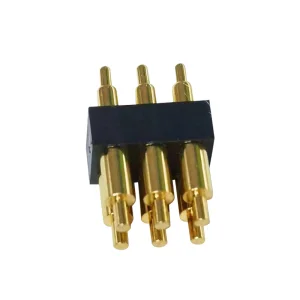
Decide between standard single row, double row, or matrix arrays with custom grid geometry.
High-power applications require thicker barrel walls and specialized internal designs.
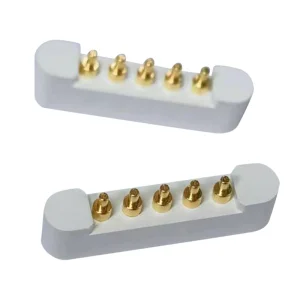
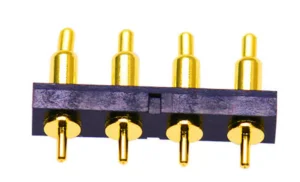
Select from Surface Mount (SMT/SMD), Through-Hole (DIP), right-angle, or solder cup configurations.
Get answers to common engineering questions regarding materials, plating, mechanical lifespan, and customization.
In standard designs, the flat bottom of the plunger resting directly on the spring can create an unstable electrical path, resulting in variable contact resistance as the pin moves. A bias-cut plunger features a sloped bottom edge. Under compression, this slope forces the plunger sideways against the inner wall of the barrel. This constant lateral contact creates a low-resistance path, bypassing the spring's high resistance and ensuring clean signal integrity.
Solder wicking occurs if solder paste migrates up the pin barrel during reflow, locking the spring mechanism. We address this in two ways: first, by manufacturing pogo pins with a solid bottom cap design; second, by using plastic housings with a tight interference fit or overmolding. This seals the base of the pins from molten solder capillary action during SMT processing.
For standard consumer applications, we apply 3 to 10 micro-inches of gold over a nickel barrier layer. For high-frequency testing, medical systems, or automotive environments requiring up to 100,000 mating cycles, we increase the plating thickness up to 30 or 50 micro-inches. This preserves wear resistance and prevents exposure of the copper alloy base to moisture.
Yes. By altering the wire diameter, pitch, active coil count, and material of the internal spring (e.g., stainless steel vs. music wire), we can dial in the force profile. This ensures sufficient contact force at full working stroke without exceeding the structural limits of thin or flexible target PCBs.
We combine automated optical inspection (AOI) with physical force and resistance profiling. Plating thickness is verified using X-ray fluorescence (XRF) instruments. For high-reliability sectors, we conduct 100% electrical continuity testing and dynamic resistance checks throughout the production process to guarantee that every shipped pin functions as specified.
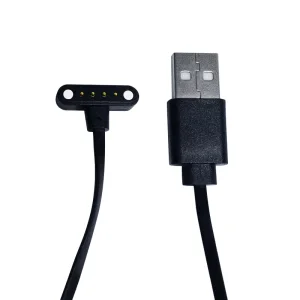
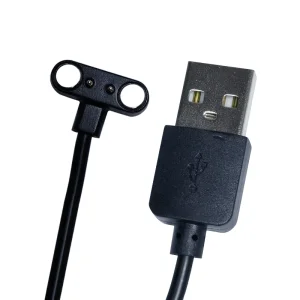
Magnetic mating systems automatically align the plug and receptacle, providing a satisfying tactile connection. They also protect devices by disconnecting cleanly if the cable is accidentally pulled, preventing wear on the physical port and preventing the device from being pulled off a surface.
Located in Shenzhen, we are connected to extensive logistics networks, including international airports and the Ports of Shenzhen and Hong Kong. This allows us to expedite air shipping for prototypes and schedule cost-effective ocean shipping for high-volume orders, ensuring prompt delivery to global manufacturers.
We offer engineering-grade plastics including LCP (Liquid Crystal Polymer) and HTN (High-Temperature Nylon) to withstand lead-free reflow soldering temperatures up to 260°C. Housings can be custom-molded to match specific dimensions, pitch configurations, and physical polarization features.
Browse our additional specialized products, designed to meet rigorous standards for global hardware procurement.
 Rongqiangbin Electronic