 Rongqiangbin Electronic


1 / 2


When choosing the right material for your pogo pin product, it is important to consider several key factors. The first and most important factor is the intended use of the product. Will it be used in high temperature or corrosive environments? Will it be used in a harsh outdoor environment or a controlled laboratory environment?
Typically, pogo pins are made of materials such as brass, stainless steel, and beryllium copper. Each of these materials has its own unique set of properties that make it suitable for different applications.
Brass is a cost-effective option that is easy to machine and has good electrical conductivity. It is typically used in low current applications where high resilience is not required.
Stainless steel is a popular choice for pogo pins that need to withstand high temperatures or harsh outdoor conditions. It has excellent corrosion resistance and can be machined to precise tolerances.
Beryllium copper is the most expensive option, but offers the highest level of resilience. It is highly resistant to corrosion and fatigue and is often used in high current and high frequency applications.
Ultimately, the material you choose for your pogo pin product will depend on the specific requirements of your application. Consulting with a knowledgeable pogo pin manufacturer can help you make the best decision for your needs.
In summary, when choosing a material for your pogo pin product, please consider factors such as intended use, cost, conductivity, and durability. By understanding the properties of different materials and their suitability for different applications, you can make informed decisions that will help ensure the longevity and effectiveness of your products.
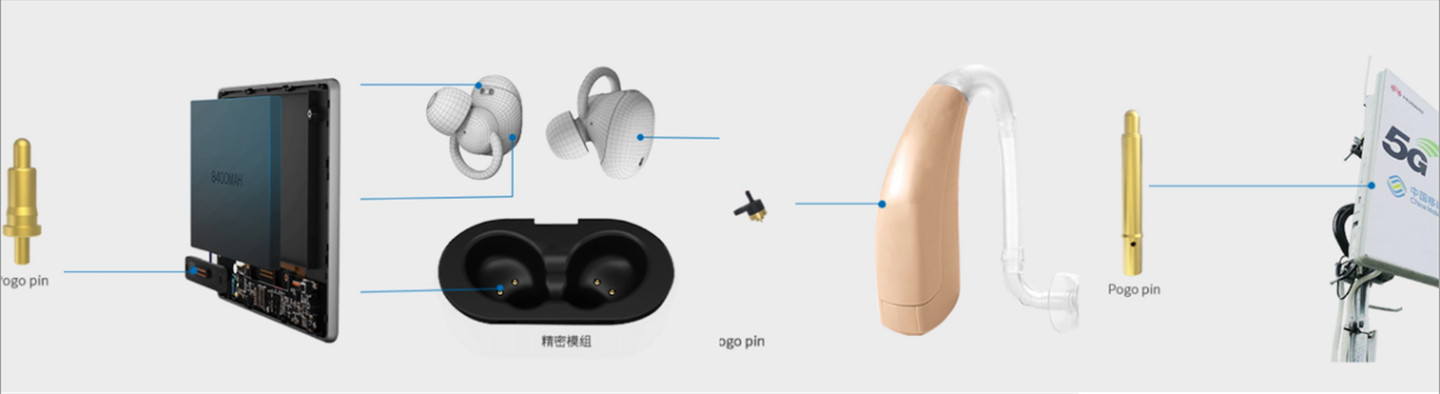
Intelligent wearable devices: Smart watches, smart wristbands, locator devices, Bluetooth headphones, smart shoes, smart glasses, smart backpacks, etc.
Smart home & appliances: Smart home, smart appliances, air purifiers, automatic controllers, etc.
Medical & Industrial Equipment: Medical equipment, wireless charging equipment, data communication equipment, telecommunications equipment, automation and industrial equipment, etc.
3C Consumer Electronics: Laptops, tablets, PDAs, handheld data terminals, etc.
Aviation & Automotive: Aviation, aerospace, military communication, military electronics, automobiles, vehicle navigation, testing fixtures, testing equipment, etc.
| Property Category | Detailed Specifications |
|---|---|
| Material |
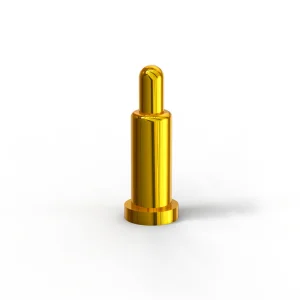
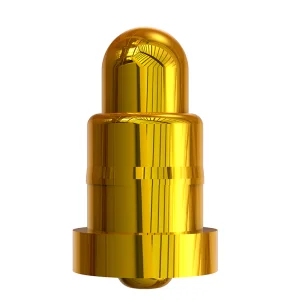
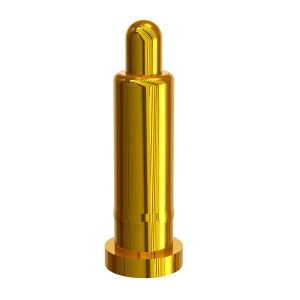
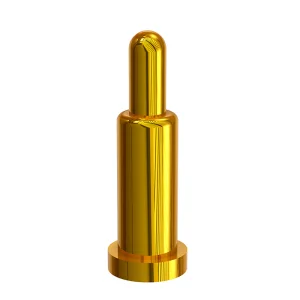
Plunger: Brass Barrel: Brass Spring: Stainless steel |
| Electroplating |
Plunger: 3 micro-inch minimum Au over 50-120 micro-inch nickel Barrel: 3 micro-inch minimum Au over 50-120 micro-inch nickel |
| Electrical Specification |
Contact electrical resistor: 100 mOhm Max. Rated voltage: 12V DC Max Rated current: 1.0A |
| Mechanical Performance | Life: 10,000 cycle min. |
A1: Pogo pins are commonly manufactured using brass, stainless steel, and beryllium copper. Each material is selected based on the specific electrical and environmental requirements of the application.
A2: Brass is a cost-effective, easily machinable material with good electrical conductivity. It is highly suitable for low current applications where extreme spring resilience is not required.
A3: Stainless steel offers superior resistance to corrosion and high temperatures. It is ideal for pogo pins that must operate reliably in challenging outdoor environments or demanding industrial applications.
A4: Beryllium copper provides the highest level of physical resilience and durability. It features excellent resistance to fatigue and corrosion, making it perfect for high-frequency and high-current electrical connections.
A5: Based on standard specifications, they support a contact electrical resistance of up to 100 mOhm Max, a maximum rated voltage of 12V DC, a rated current of 1.0A, and a mechanical life cycle of at least 10,000 runs.
A6: Pogo pins are extensively used in smart wearable devices (like watches and bands), smart home appliances, medical equipment, 3C consumer electronics (laptops, tablets), automotive navigation systems, and military communications.