High-performance mechanical interfaces engineered to withstand industrial thermal stresses in standard lead-free and customized electrical wire terminations.
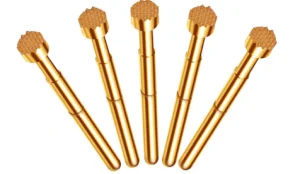
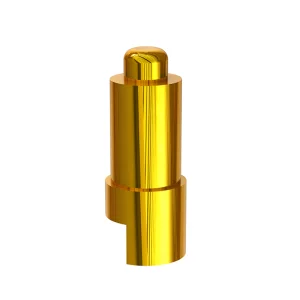
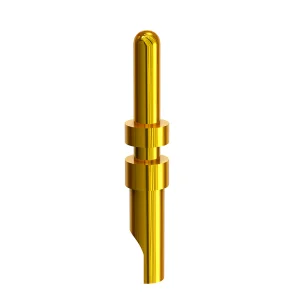
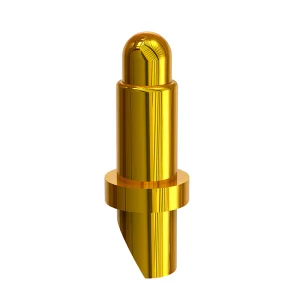
An analysis of material science and mechanical contact systems inside Indonesia's core manufacturing zones.
The Greater Jakarta Area (Jabodetabek)—specifically the massive manufacturing clusters across Bekasi, Cikarang, and Karawang—stands as the primary electronics, automotive assemblies, and telecommunication hardware gateway of Indonesia. As these factories embrace automated assemblies and advanced SMD (Surface Mount Technology) processes, the demand for precision soldering wire types paired with highly reliable physical connectors has spiked.
Choosing the correct soldering alloy (such as lead-free SAC305 vs. traditional Sn/Pb mixtures) dictates the physical reliability of interconnect systems like spring-loaded pogo pins. Manual and robotic selective soldering systems in Jakarta factories require optimized flux cores within the solder wire to penetrate high-density board environments without leaving corrosive ionic residues.
Furthermore, local environmental initiatives in Indonesia, aligned with RoHS mandates, are forcing a massive migration towards lead-free soldering processes. This transition increases the thermal stress on connectors, requiring housing materials (such as LCP or Nylon-9T) capable of enduring peak reflow temperatures exceeding 260°C.
"As high-speed data transmission and high-current charging systems penetrate the Indonesian automotive and consumer markets, connection designs must change. Relying solely on permanent solder bonds is no longer optimal for modular serviceability; hybrid designs utilizing soldering-tail pogo pins provide the ideal combination of structural security and modular flexibility."
Rongqiangbin addresses this paradigm by providing dual-solution architectures. We customize the pin tails (e.g., solder cups specifically designed to hold melted wire cores, or standard flat-bottom tails for automated SMT placement) to align with whatever specific soldering wire type and assembly procedure your Jakarta facility operates.
A comparative engineering breakdown for production managers selecting connection methodologies in West Java.
| Soldering Wire Alloy / Material Type | Melting Temperature Range | Pogo Pin Compatibility Mode | Ideal Application Sector in Jakarta | Recommended Joint Inspection Method |
|---|---|---|---|---|
| SAC305 (Sn96.5Ag3.0Cu0.5) Lead-Free Standard |
217°C - 220°C | Pre-tinned through-hole / SMT tails | Consumer Wearables, Smart Power Meters | Automated Optical Inspection (AOI) / X-Ray |
| Sn63/Pb37 Eutectic Leaded Wire |
183°C (Solidus/Liquidus same) | Direct solder-cup wiring contacts | Legacy Aerospace & Telecommunication systems | Visual Micrometer & Manual Pull Testing |
| Sn99.3/Cu0.7 Low-Cost Lead-Free Alloy |
227°C | Heavy-duty crimped/soldered pins | Household Appliances, Simple LED Driver Boards | Manual Cross-section Polish Analysis |
| SAC405 (Sn95.5Ag4.0Cu0.5) High-Vibration Resistant |
217°C | Thick Gold-plated (3u"-30u") Pogo Plungers | Automotive Sensors (Bekasi Industrial Zones) | Vibration Shearing Stress Validation |
When high-purity soldering wire types are melted against a spring pin connector tail, the interface relies on the interaction between the tin (Sn) in the solder and the copper (Cu) or nickel (Ni) base alloy of the connector pin. A thin, controlled IMC layer (typically Cu6Sn5) is essential to establish mechanical tensile strength. However, excessive heat during assembly (often caused by manual operators lingering too long with high-temperature soldering irons) will cause the nickel underplate of the pogo pin to diffuse, destroying the internal spring temper or causing solder to wick up the barrel of the pin.
To eliminate this failure mode, Rongqiangbin's manufacturing facility features specialized internal mechanical design features, such as back-drill walls and insulated inner balls, which block liquid solder from traveling up into the spring chamber regardless of the soldering wire type or flux style utilized by the operator.
A decade of pioneering engineering in mechanical contacts, pogo pins, and high-conductivity connectors.
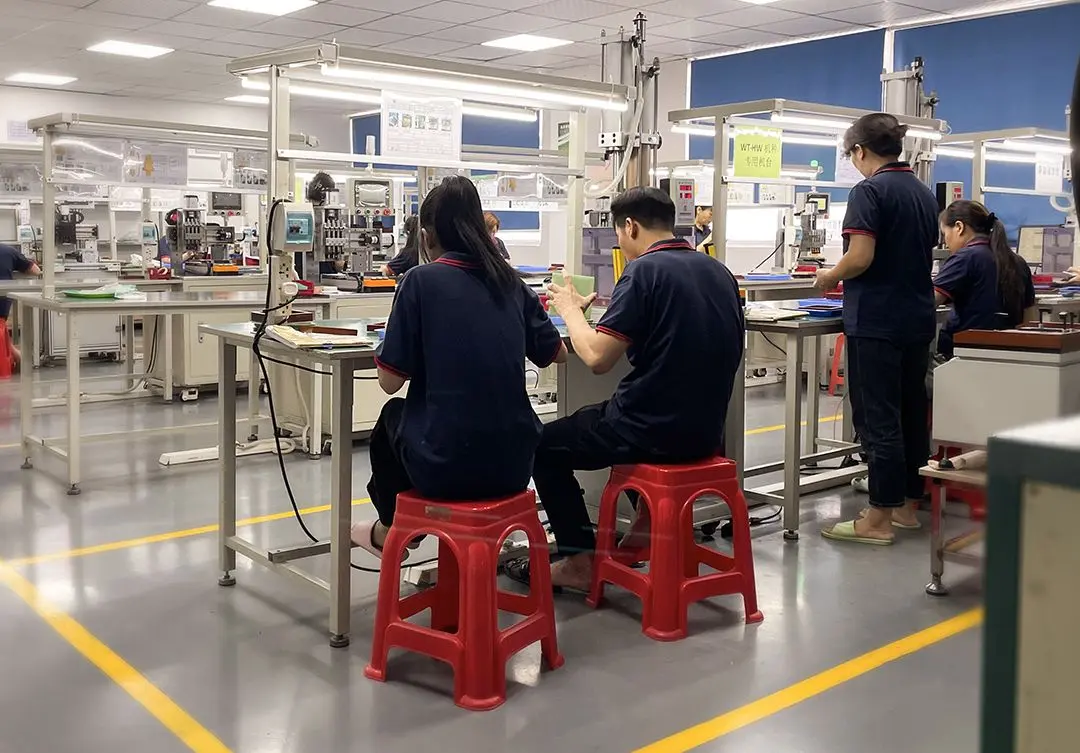
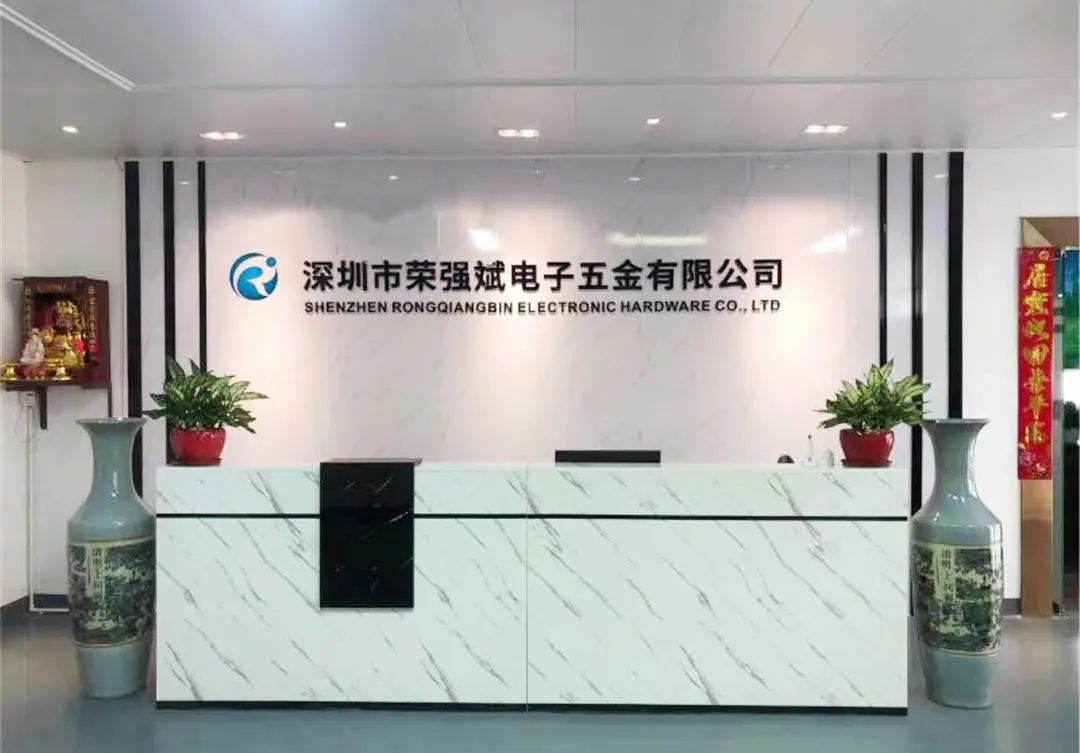
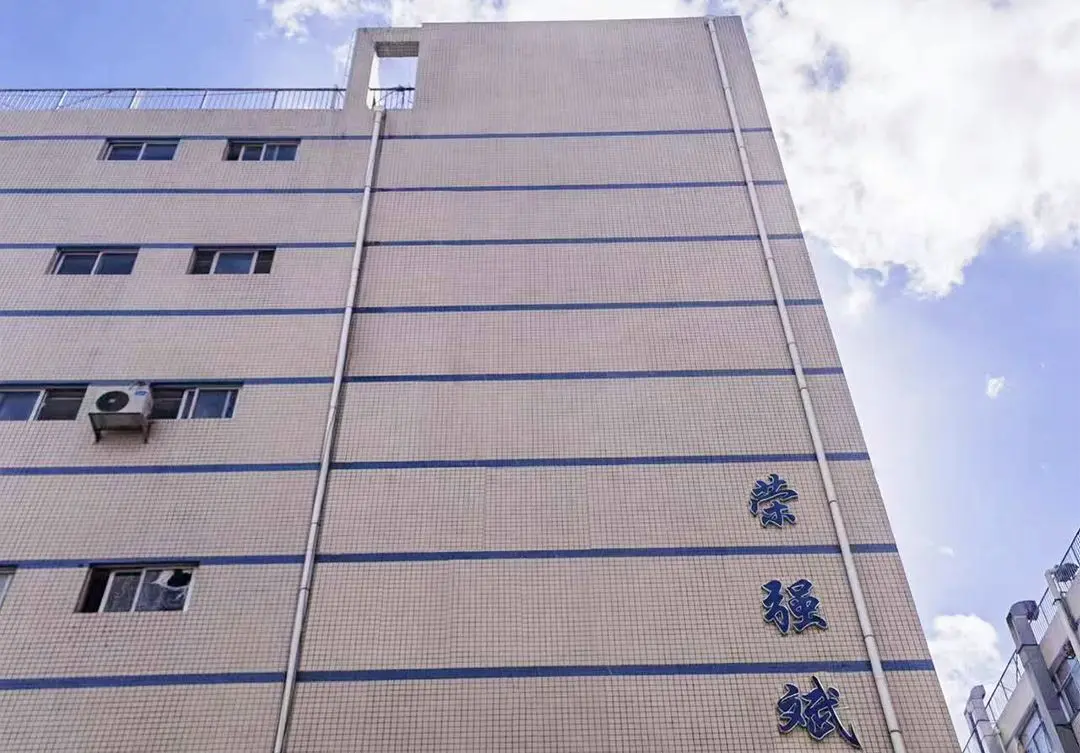
Shenzhen Rongqiangbin Electronic Hardware Co., Ltd. is strategically located in Shenzhen, the leading technology and industrial powerhouse of the Guangdong-Hong Kong-Macao Greater Bay Area. Founded in February 2011 on Songgang Street, Shenzhen, we have specialized for over a decade in the custom development, engineering, and mass-production of high-grade POGO PIN connectors and related hardware terminals.
Our corporate philosophy centers on "customer first, integrity first." To back this commitment, we have established a highly specialized R&D team consisting of industry-leading materials scientists and mechanical engineers. We have achieved the authoritative ISO9001:2015 international quality management system certification, guaranteeing structural integrity and environmental compliance across our entire production catalog.
We are proud to serve as a key technology supplier to many of the world's most demanding enterprises, including Honeywell, Samsung, SIEMENS AG, ZTE, 360, QCY, HAYLOU, Shanghai Laimu, Luxshare Group, Aoni Electronics, and the Amphenol Group. These partnerships validate our ability to deliver zero-defect quality across large volumes to complex supply chains globally, including localized delivery routes directly into Tanjung Priok port in Jakarta.
Why leading factories in Cikarang and Karawang rely on Rongqiangbin for precision contact systems.
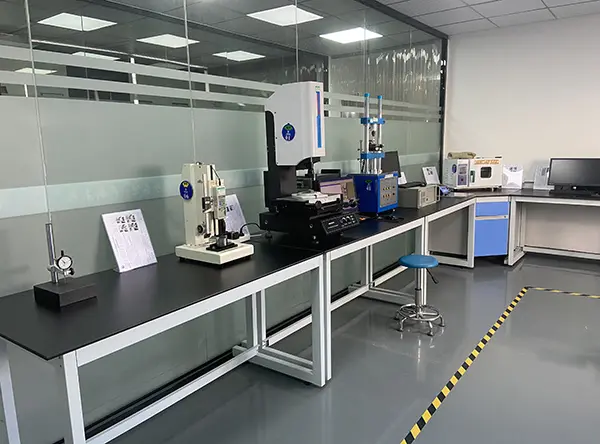
We deploy advanced chemical analyzers, X-ray thickness measurement instruments, and load-displacement testers to guarantee spring compliance and optimal gold plating distribution.
Every single batch undergoes automated optical sorting and mechanical force testing before shipping, keeping field failures below the parts-per-million (PPM) threshold.
Our vision is to remain the gold standard for global pogo pin connectivity, minimizing electrical contact resistance while driving down manufacturing costs.
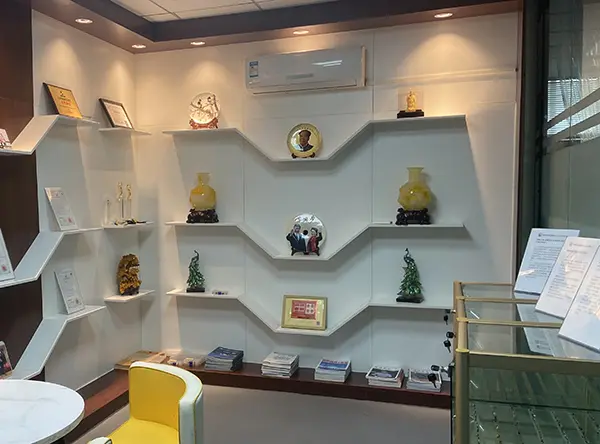
Certified Facilities & Compliance Standards:
Optimized international logistics, customs compliance under ACFTA, and regional integration.
In modern industrial operations, logistics stability is as critical as hardware quality. Our Shenzhen manufacturing headquarters is fully integrated with automated ERP warehousing and lean CNC Swiss-type lathes, ensuring rapid turnaround from design prototype to bulk shipment. For our clients in Jakarta and surrounding industrial parks, we offer customized trade assistance, including:
Our high-volume supply capabilities are trusted by market leaders in smart appliances, telecommunications, and industrial automation:
All trade marks and registered brands are property of their respective owners.
Answers to critical mechanical and metallurgical questions from our regional engineering partners.
Lead-free soldering wire types (such as SAC305) require higher processing temperatures (around 217°C - 245°C) than leaded solder. This increases the potential for thermal damage to the internal spring or insulating housing. It is critical to select high-temperature resistant plastics (like LCP) and limit soldering dwell times to under 3 seconds to prevent gold plating diffusion.
We utilize a patented internal barrier design. The plunger tail uses a solid base or a precision back-drilled cup. This stops liquid solder from migrating up the barrel via capillary action, protecting the spring's elasticity and overall electrical resistance values.
Our baseline specification is Gold (Au) plating over Nickel (Ni) underplating. Plunger plating typically ranges from 3 micro-inches (u") up to 30 u" of hard gold, depending on your mechanical cycle life targets (50,000 to 100,000+ compressions) and environmental corrosion risks.
Yes. We issue standard Form E Certificate of Origin documents for our shipments. Under the ASEAN-China Free Trade Agreement, this qualifies the imports for zero or significantly reduced import tariffs at Indonesian ports.
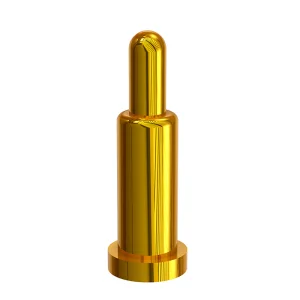
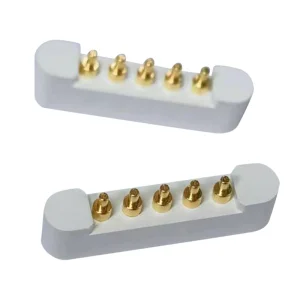
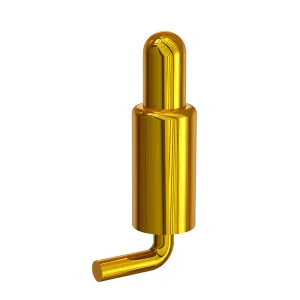
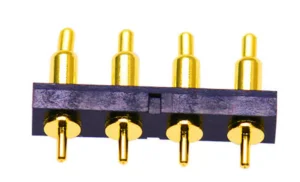
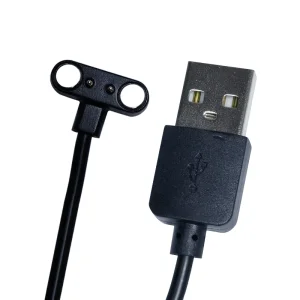
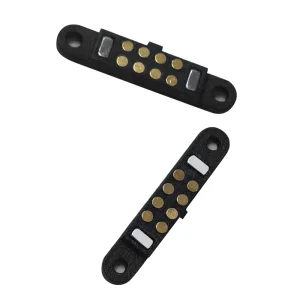
Browse our mechanical configurations designed to interface with standard soldering wires and SMT reflow lines in Jakarta.
 Rongqiangbin Electronic