Premium solutions engineered for longevity, reliable connectivity, and optimal electrical performance.
Analyzing procurement mechanisms, engineering challenges, and economic dynamics in high-speed connectivity.
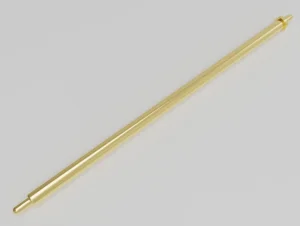
Pogo probes, once a niche semiconductor testing component, are now fundamental across consumer electronics, EV powertrains, smart IoT hubs, and medical tech. As devices get smaller, the demand for high-durability, ultra-compact spring pins has surged globally.
Sourcing from a "cheap" factory shouldn't mean sacrificing mechanical life cycles or electrical stability. Modern production processes allow factories to provide cost-efficient parts by optimizing material use, automating assembly, and utilizing smart machinery.
Experienced hardware engineers evaluate pogo pin manufacturers on specific data: contact resistance under 30mΩ, plating thickness (typically 3u" to 30u" Gold over Nickel), and spring consistency across millions of compression cycles.
Shenzhen, located in the Guangdong-Hong Kong-Macao Greater Bay Area, is the global epicenter for precision electronic hardware manufacturing. This region offers an unmatched ecosystem where raw material suppliers, high-speed turning machine tool builders, plating facilities, and logistics networks are tightly integrated.
This localized supply chain allows factories like Shenzhen Rongqiangbin Electronic Hardware Co., Ltd. to reduce overhead costs, optimize assembly speeds, and maintain strict quality standards. Sourcing directly from these advanced factories delivers significant savings while ensuring reliable product performance.
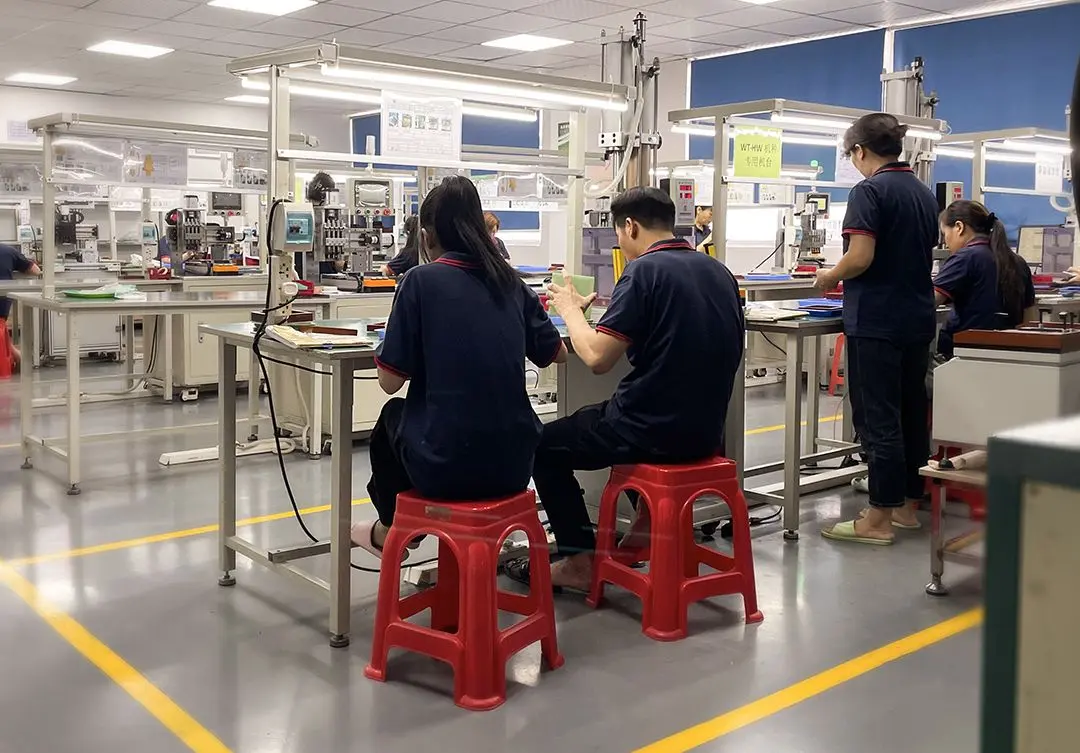
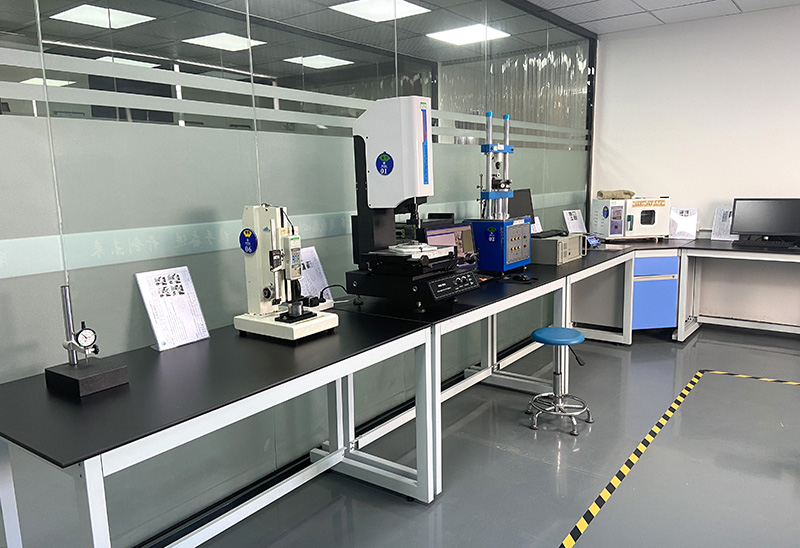
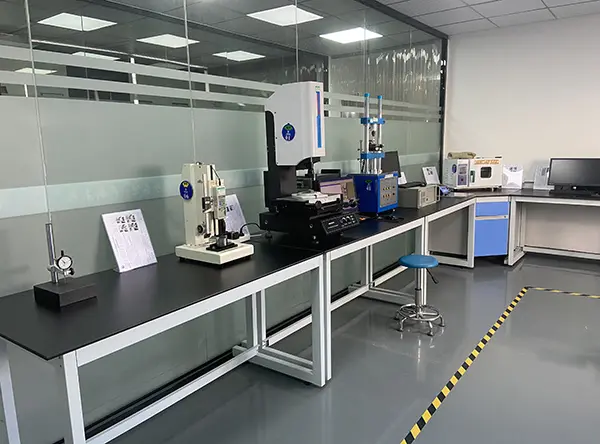
Equipped with modern CNC turning machines, automatic assembly lines, and optical inspection equipment, our factory specializes in handling high-volume pogo probe production. This setup helps prevent mechanical failures, manages high currents safely, and maintains tight tolerances across large batches.

Understanding the design choices and technological trends that define next-generation connection interfaces.
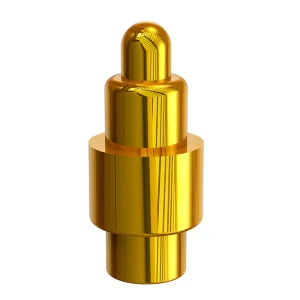
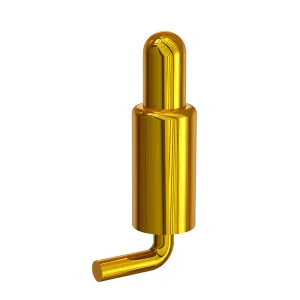
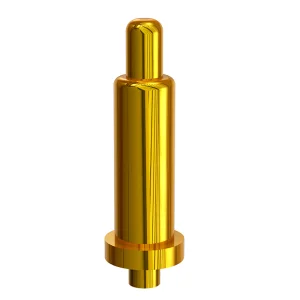
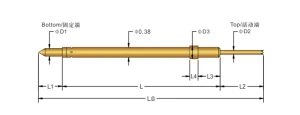
Pogo pins consist of a plunger, a spring, and a barrel. To ensure continuous contact and avoid signal dropouts, advanced designs use biased plunger tails, back-drilled hollow plungers, or internal ball joints. Selecting the right internal structure prevents open circuits during vibration.
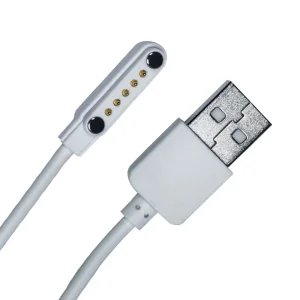
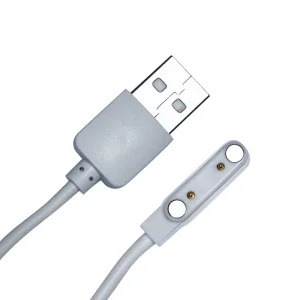
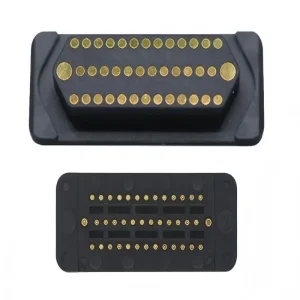
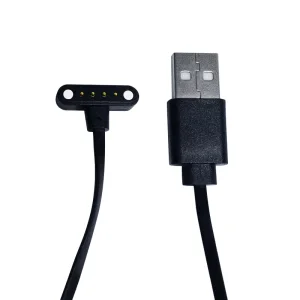
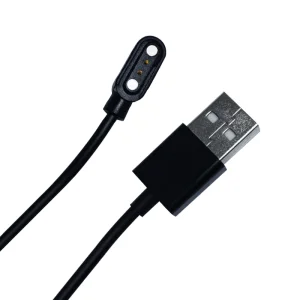
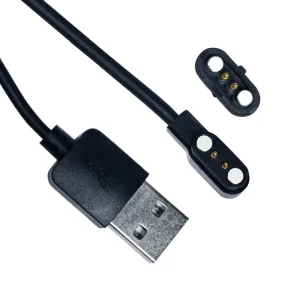
Custom pogo probes are key components in modern electronics. They provide clean charging contacts in TWS earbud cradles, allow fast data transfer in medical wearables, enable high-speed testing in semiconductor production, and handle high power demands in new energy vehicles.
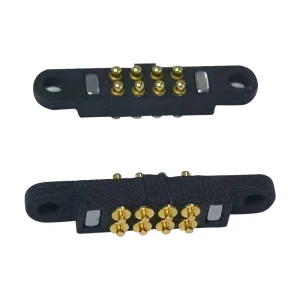
As electronic systems demand higher bandwidth and lower pitch sizes, pogo pins must adapt. The industry is moving toward high-frequency signal support, ultra-miniaturized form factors, increased current capacities (up to 30A), and robust magnetic alignment interfaces.

Founded in February 2011 and headquartered in Songgang Street, Shenzhen, Shenzhen Rongqiangbin Electronic Hardware Co., Ltd. specializes in the development, testing, and production of high-performance pogo pin connectors.
Through years of engineering focus and technical development, we have established ourselves as a reliable manufacturer in the connection systems industry. We hold the ISO9001:2015 international quality management certification and follow a "customer first, integrity first" approach. Our dedicated technical production team is committed to providing cost-effective, high-quality products that meet global environmental and safety requirements.
We aim to be a leading global pogo pin manufacturer by providing competitive pricing and reliable quality. We work closely with our partners to support the development of next-generation electronic products.
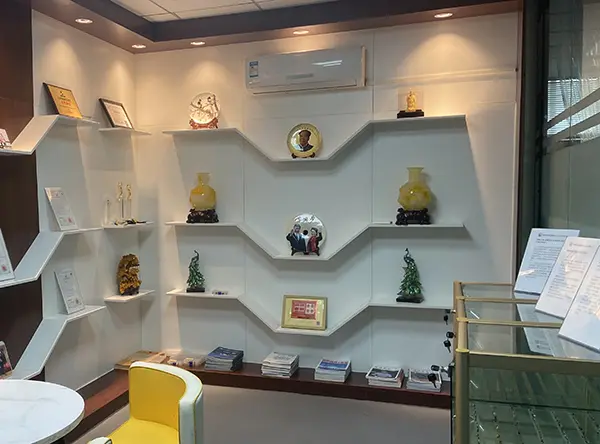
Providing precision hardware solutions for global brands, including Honeywell, Samsung, Siemens AG, ZTE, 360, QCY, Haylou, Shanghai Laimu, Luxshare Group, Aoni Electronics, and Amphenol Group.
Technical answers to common questions asked by hardware engineers, sourcing managers, and QC specialists.
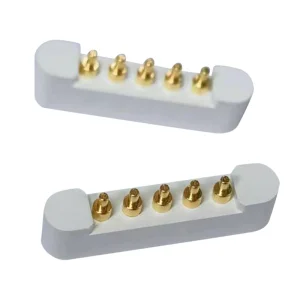
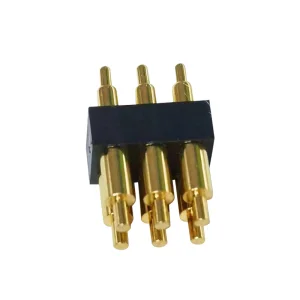
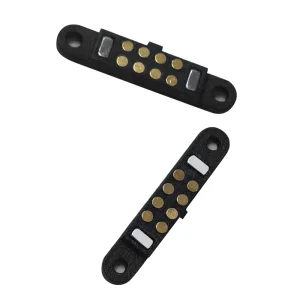
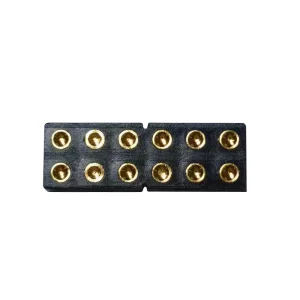
Explore our specialized range of high-current pins and magnetic charging interfaces for modern devices.
 Rongqiangbin Electronic