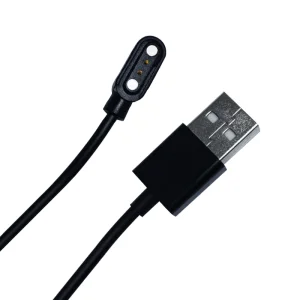
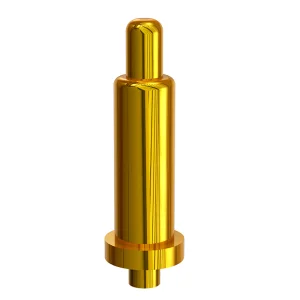
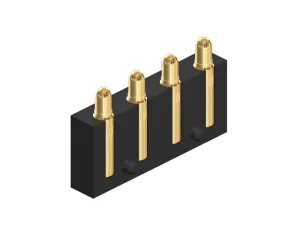
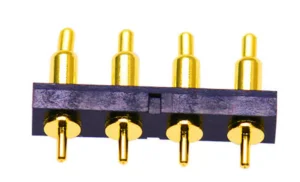
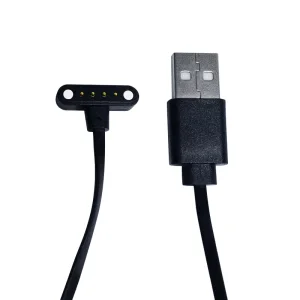
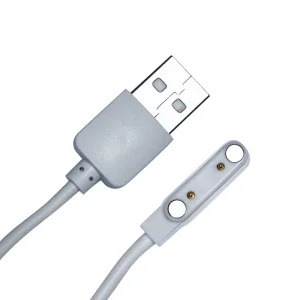
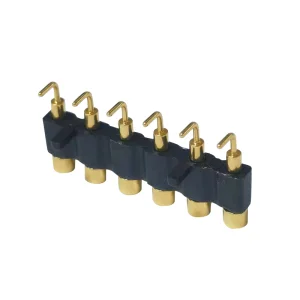
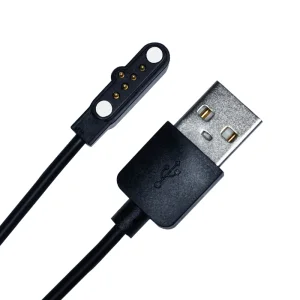
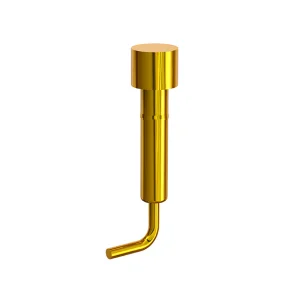
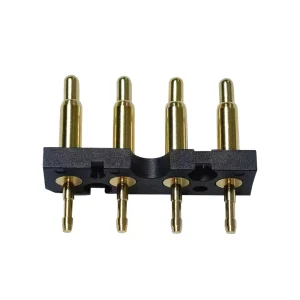
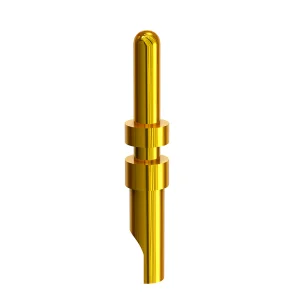
Explore our specialized range of high-performance spring contact probes, custom magnetic cables, and PCB socket modules engineered for seamless conductivity.
Decoding engineering benchmarks and requirements for custom electrical interface design.
In modern industrial and electronic systems design, the charging socket and electrical mating interface have progressed far beyond mere physical insertion. The integration of high-density layouts, fast-charging topologies, high-speed data transmission, and harsh environmental protections (such as IP67/IP68 hermetic sealing) demands precise customization of electrical contacts. Standard off-the-shelf connectors often fail to satisfy these integrated requirements, positioning the custom design phase as the cornerstone of contemporary hardware system integration.
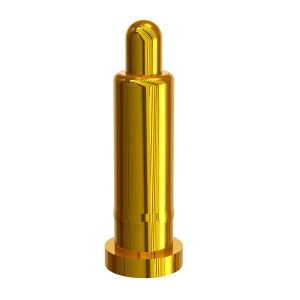
Global hardware innovators encounter space limitations, complex housing geometries, and demands for mechanical endurance. Traditional spring-loaded plugs suffer from friction-wear, high contact resistance under vibration, and a lack of self-alignment mechanisms. This is where custom pogo pin charging sockets change the paradigm. By using precision-turned plungers, micro-spring configurations, and custom barrel layouts, custom-engineered sockets optimize space utilization and ensure continuous surface contact. This eliminates data transmission loss and contact failure points common to conventional leaf-spring connectors.
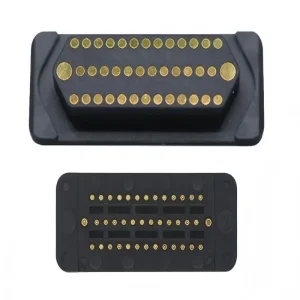
Furthermore, customized magnetic socket integrations simplify the end-user experience by providing self-locating interfaces. This is highly valuable in critical settings like medical patient monitoring and industrial logistics equipment, where incorrect plug alignment can result in costly operational downtime.
Procurement teams and hardware architects must balance performance targets with cost efficiency. The key engineering parameters driving custom socket design include:
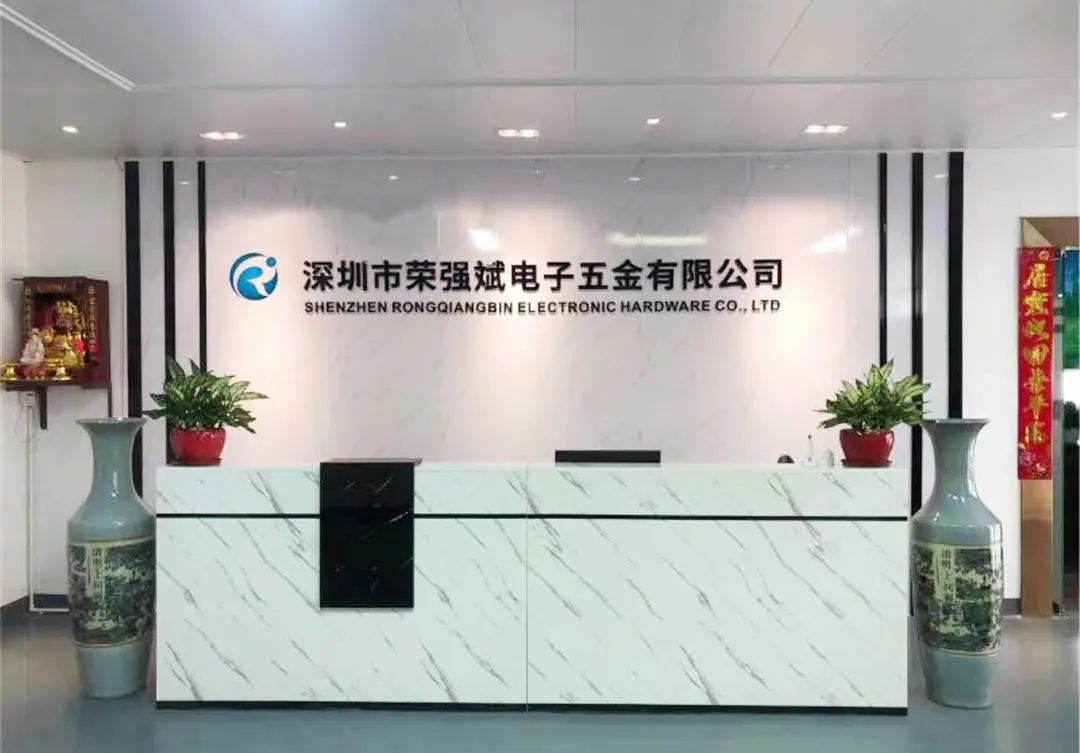
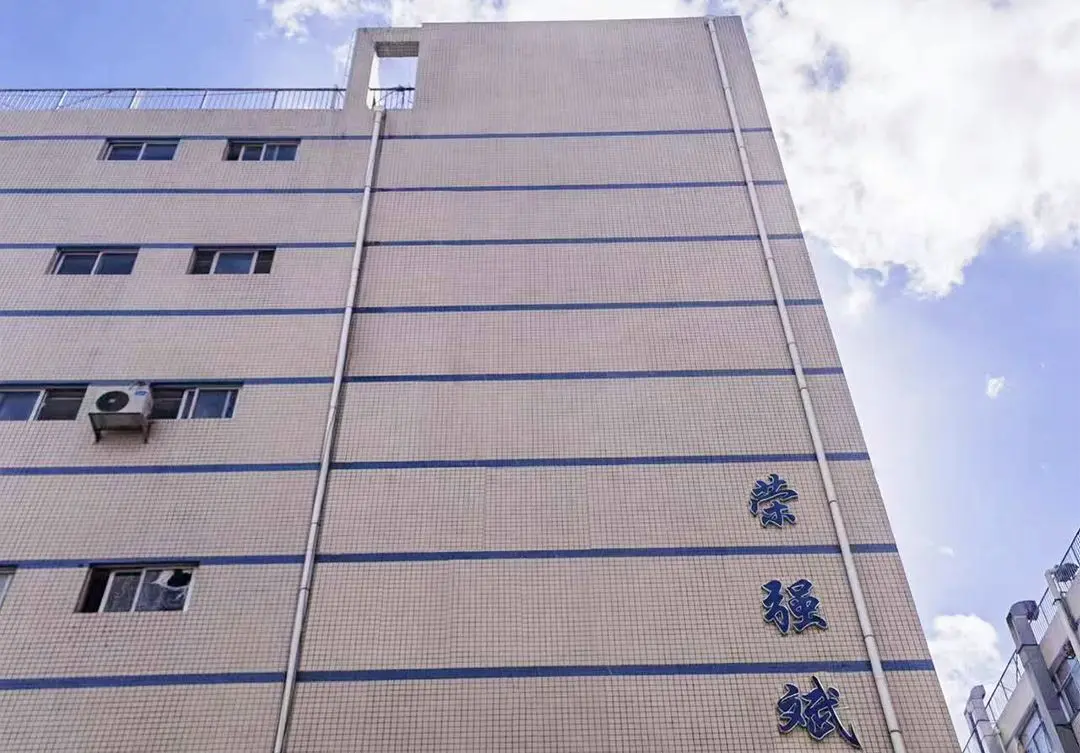
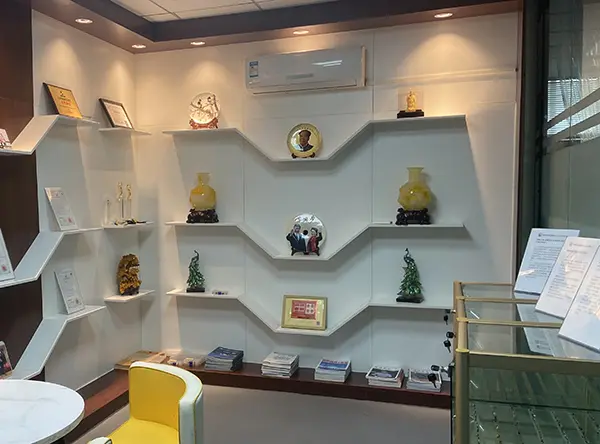
Founded in February 2011, located in Songgang Street, Shenzhen—a prominent technology and electronics manufacturing hub in the Guangdong-Hong Kong-Macao Greater Bay Area—Shenzhen Rongqiangbin Electronic Hardware Co., Ltd. (RQB) has established itself as an industry leader in Pogo Pin connector and custom socket engineering. With over a decade of dedication to materials science and tooling development, our team provides high-quality solutions for complex interconnect challenges worldwide.
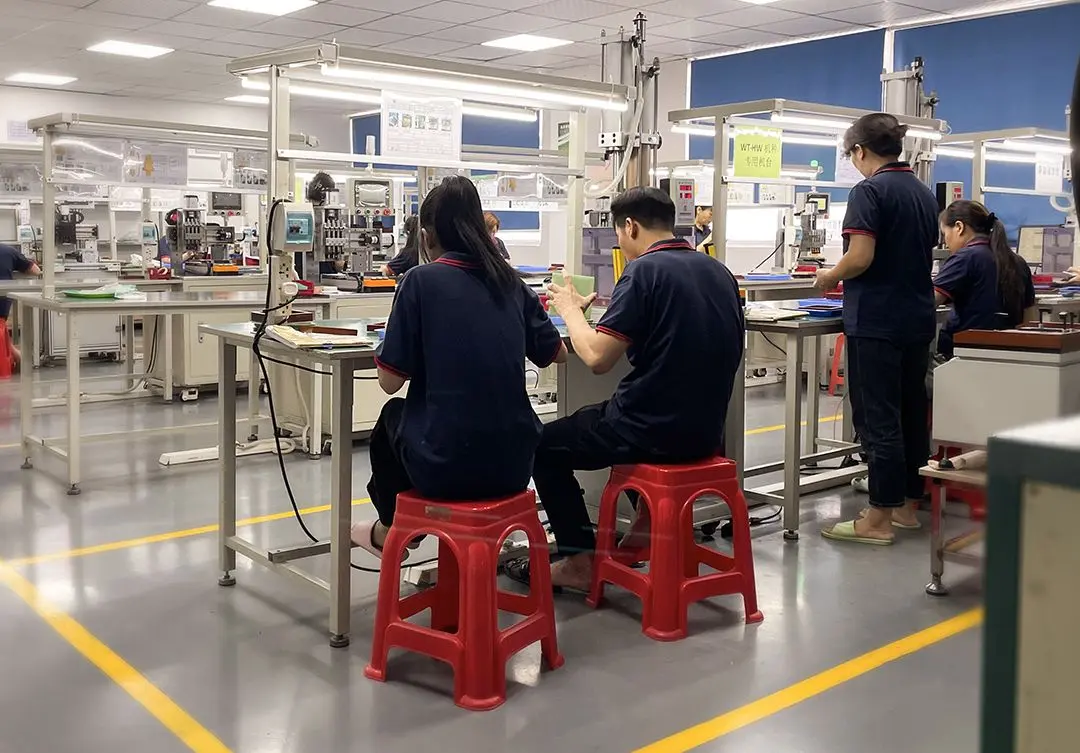
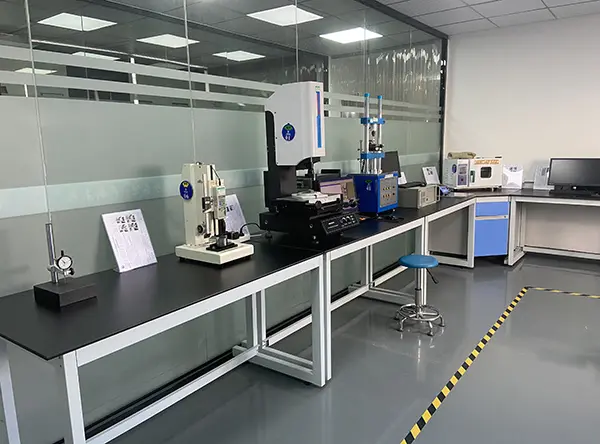
Our operational framework supports rapid prototyping, precision tool-making, plating control, and automated electrical and mechanical testing. This integration ensures that every custom socket matches our customers' custom specifications exactly.
Custom socket design architectures engineered to meet demanding performance criteria in diverse application environments.
Waterproof medical connectors and custom sockets featuring biocompatible plating materials, certified to resist autoclave sterilization processes, cleanable, and zero-fail contact points.
Robust charging sockets built with high-grade stainless steel casings, synthetic rubbers, and hermetic sealing technologies that achieve IP68 ingress protection ratings under submersed states.
Spring-loaded high-current contact systems designed to withstand continuous vibration and road shock, maintaining electrical integrity across standard automotive temperature ranges.
Our micro-mechanical layouts support high-speed automated placement on standard SMT lines. By working with engineering partners during the early stage of layout definition, we help prevent design issues, optimize spacing, and reduce overall board assembly footprints. This design approach enables device developers to maximize space for battery and functional electronics inside their products.
Exploring materials science advancements and the engineering evolution of next-generation spring-loaded charging systems.
The lifespan of a spring pin interface depends on its plating chemistry. Standard gold plating over nickel provides reliable performance but can fail under acidic exposure. Our advanced research focuses on multi-layer plating, combining platinum, rhodium, and palladium alloys to increase corrosion protection and durability.
These composite coatings reduce galvanic corrosion, which is essential for components exposed to moisture, sweat, and salt spray. This ensures that the interface remains conductive and corrosion-free over thousands of cycles.
With fast-charging technology demanding up to 5A, 10A, and 30A from small form factors, thermal performance is critical. Traditional pogo pin structures can overheat under sustained high currents, damaging surrounding plastic housings.
Our thermal management designs utilize hollow plunger designs, high-conductivity copper alloy cores, and low-rate internal springs to maximize contact area. This reduces contact resistance and minimizes thermal buildup during quick-charge operations.

Ensuring components meet global standards and undergo strict quality control before delivery.
For international tier-1 OEM/ODM clients, quality consistency and supply chain security are essential. Out of spec dimensions, plating variations, or spring pressure inconsistencies can lead to assembly line stoppages and product failures. RQB mitigates these risks by implementing quality control measures at every step of manufacturing.
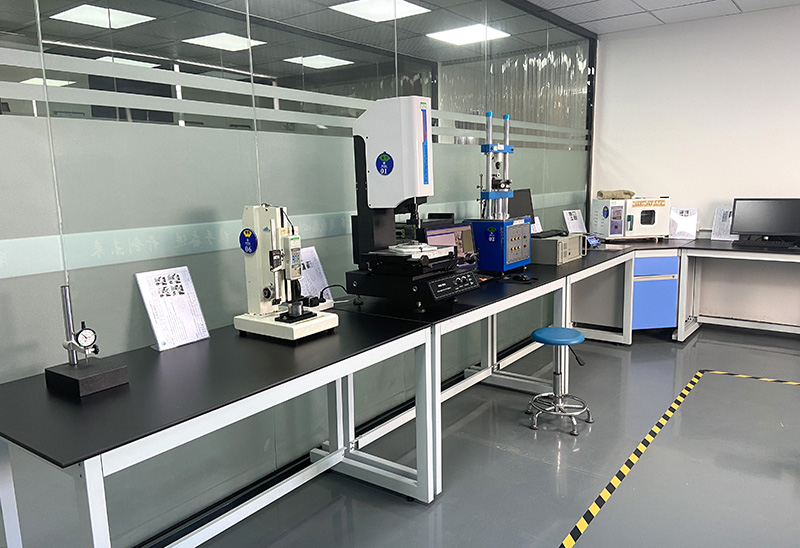
Our quality assurance framework begins with raw material verification via X-ray fluorescence analysis and mechanical property testing. In the production hall, automated optical inspection (AOI) systems monitor critical dimensional tolerances to micrometer accuracy. Every batch undergoes rigorous performance audits, including contact resistance testing, spring force profiling, environmental salt spray evaluation, and lifecycle simulation.
Our manufacturing and testing processes align with RoHS, REACH, and California Proposition 65 requirements. This compliance ensures that products manufactured by Shenzhen Rongqiangbin can be integrated into medical, automotive, and consumer electronics assemblies globally.
Answers to key technical questions about custom pogo pin sockets and custom charging connector layouts.
Explore specialized connector formats, spring-loaded pins, and interface sockets for standard and customized projects.
 Rongqiangbin Electronic