Engineered to deliver exceptional conductivity, mechanical endurance, and high duty-cycle validation across global manufacturing platforms.
In the modern era of electrification, from electric vehicles (EV) power assemblies to massive semiconductor burn-in cycles, high-current testing demands components that operate at the threshold of physical capability. Conventional test pins struggle with high electrical thermal loads, mechanical fatigue, and unpredictable contact resistance. As a leading high-current test probe manufacturer, Shenzhen Rongqiangbin Electronic Hardware Co., Ltd. addresses these micro-engineering bottlenecks with custom-designed probes engineered for extreme currents up to 100A and beyond.
Whether checking high-density EV battery cells, automotive power management modules, or micro-pitch server semiconductor chips, purchasing agents must evaluate not just the unit price but the total cost of ownership (TCO). A single minute of automated assembly line downtime due to an prematurely worn test probe can result in thousands of dollars in lost productivity. Our custom spring-loaded contact pins ensure minimum contact resistance (<10mΩ) under constant duty cycles, minimizing thermal buildup and eliminating phantom false-failures during automated test procedures.

Exploring the metallurgical, electrical, and structural science behind heavy-duty power-contact interfaces.
The core material selection defines the operational boundaries of any high-current contact pin. We utilize high-purity Beryllium Copper (BeCu) and custom-tempered steel for plungers and springs to handle dynamic compression without mechanical degradation. Precision plating using thick Gold (Au), Rhodium (Rh), or Palladium-Cobalt (PdCo) ensures optimized electrical conductivity and exceptional wear resistance, even under continuous heat loads.
As current increases, thermal dissipation becomes critical. When testing battery packs, a poor probe connection creates an electric arc, damaging both the probe and the unit under test (UUT). Our specialized coaxial probes and multi-point contact plungers split the load, dramatically reducing contact resistance and eliminating high thermal peaks. The internal bias ball design forces consistent lateral plunger-to-barrel contact, preventing spring burnout.
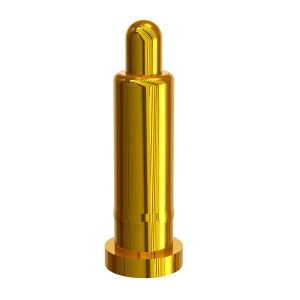
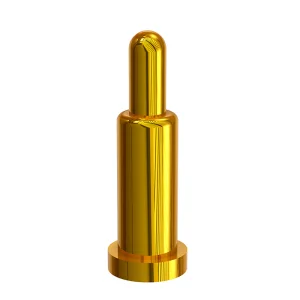
Every application demands customized mechanical metrics. We optimize our spring force configurations (from 50g up to 400g+ compression forces) depending on whether the UUT is a delicate semiconductor pad or a rugged copper busbar. Plunger tip shapes—including serrated, crown, cup, and chisel—are selected and machined with high-speed CNC precision to easily cut through oxide layers, assuring reliable electrical paths.
The progression of current density demands and our design responses for next-generation systems.
Traditional pogo pin connector design focused primarily on low-current digital signals, communication devices, and basic magnetic interfaces. Heavy emphasis lay on miniaturization and high-density pin pitches for smart consumer electronics.
Emergence of rapid consumer charging and automotive subsystems. Focus shifted to bias design and materials engineering. We incorporated advanced alloys and heavy-gold platings to secure long-term reliability and low resistance.
EV pack testing, industrial grid storage, and server power supplies. Developed multi-stage coax configurations, cooling-assisted test fixtures, and composite metallurgy. These prevent spring annealing during persistent mega-current sweeps.
Integration of temperature sensors and micro-strain gauges directly inside the test probe barrel. This design allows real-time telemetry back to the automated test equipment (ATE) system, enabling predictive maintenance schedules.
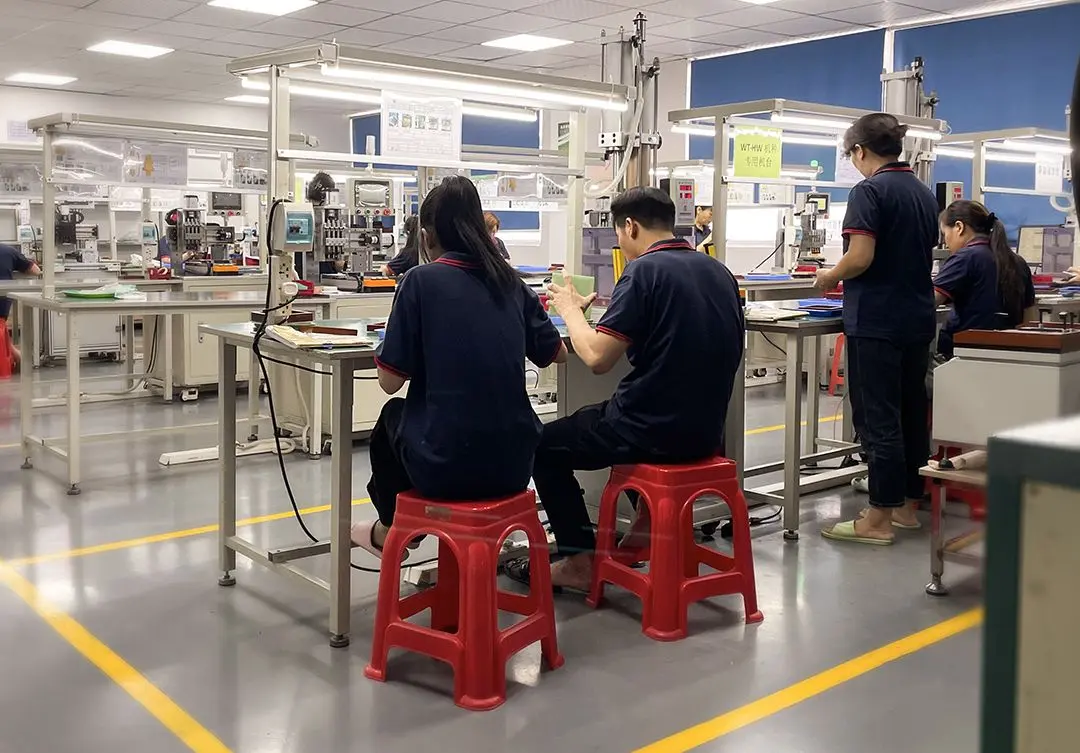
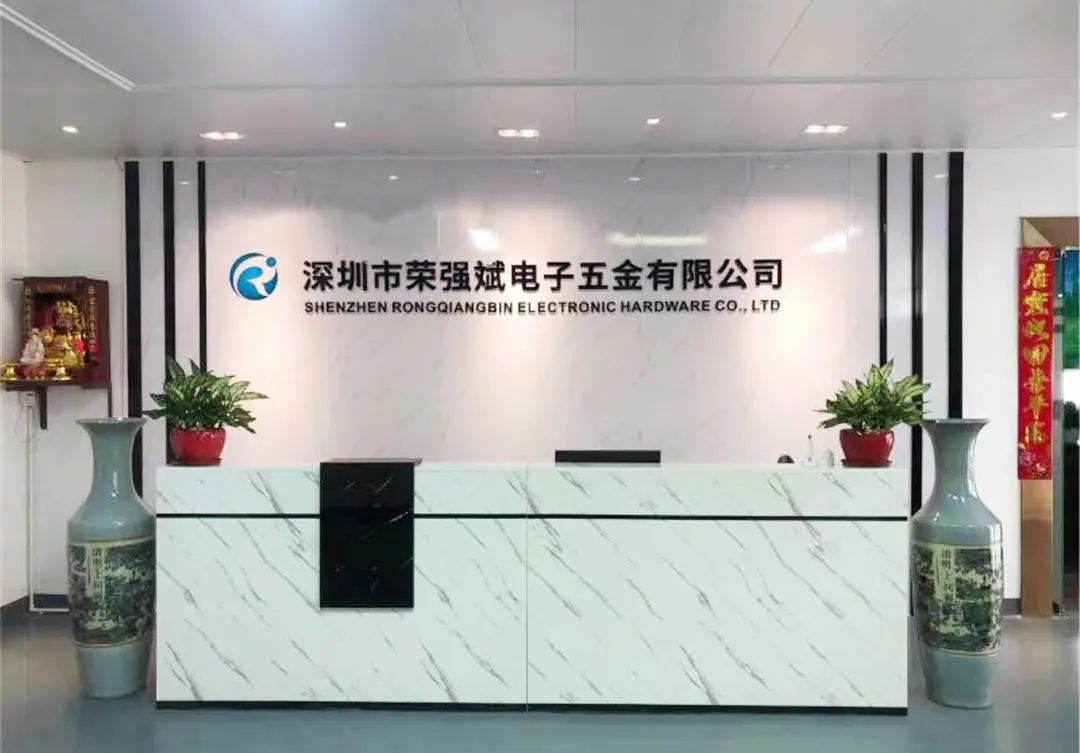
Established in February 2011, located in Songgang Street, Shenzhen, within the highly interconnected Guangdong-Hong Kong-Macao Greater Bay Area, our company has grown from a specialized manufacturer into a global leader in high-performance POGO PIN connectors and customized high-current test probes. Over years of focused manufacturing experience, we have prioritized technology-driven R&D and strict compliance standards.
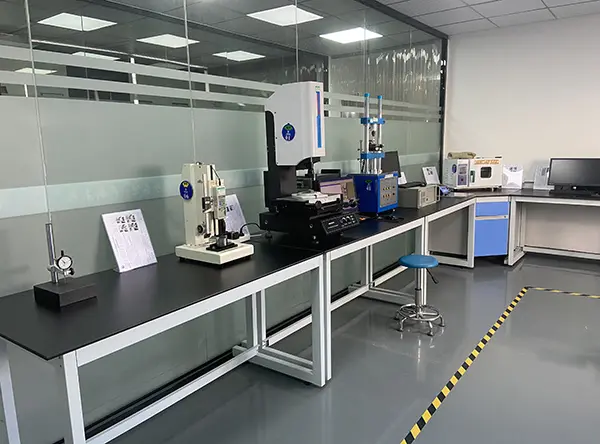
Through our persistent corporate spirit of "customer first, integrity first," we have established long-term strategic relationships with many of the world's most recognizable consumer, industrial, and automotive brands. We hold the ISO9001:2015 international quality management certification, utilizing top-tier testing instruments to guarantee absolute reliability under strict environmental conditions.
Committed to being an excellent POGO PIN and test probe manufacturer for both quality and cost, leading global connector technology development and providing customized engineering solutions to solve the most difficult contact challenges.
Engineered for global deployment, supported by strict localized engineering teams and high standard certifications.
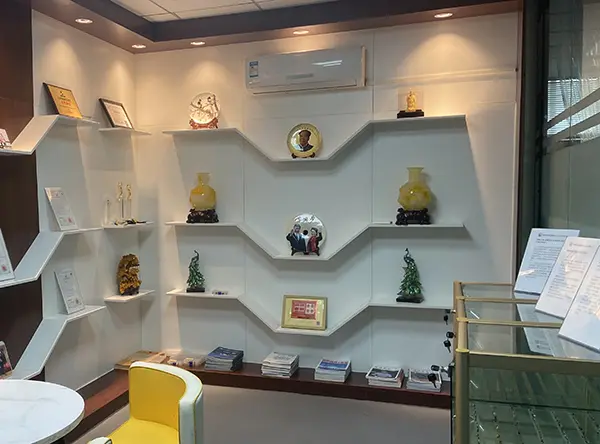
Shenzhen Rongqiangbin maintains rigorous quality procedures. All of our custom test pins, connectors, and cable assemblies conform to global environmental and safety initiatives, including REACH and RoHS. Our factories run strictly under ISO9001:2015 conditions, ensuring complete batch traceability for our global client base.
Recognizing that system downtime is extremely costly, we offer fast engineering turnarounds. We support direct technical consultations, providing CAD/3D review and electrical simulations within 48 hours. Our logistics partnerships enable expedited delivery to manufacturing centers across North America, Europe, and Asia.
Expert answers to the most common engineering and procurement questions regarding high-current spring contacts.
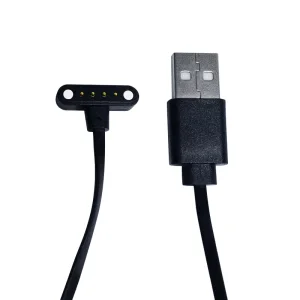
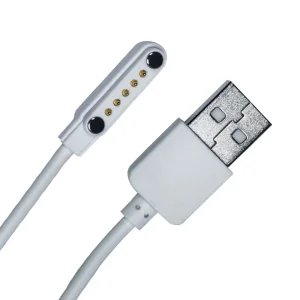
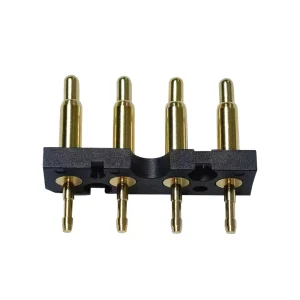
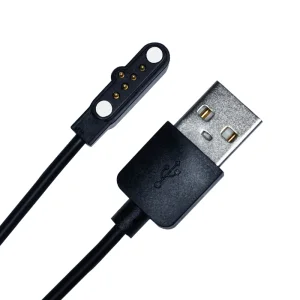
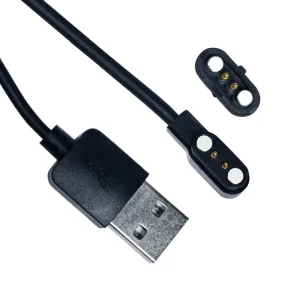
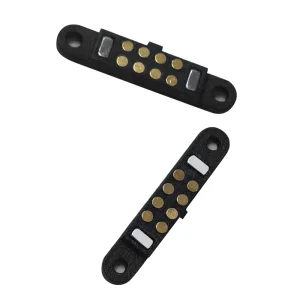
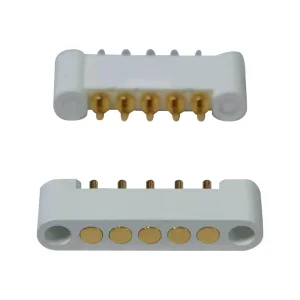
Explore our secondary product line featuring heavy-duty contact probes, DIP spring-loaded pins, and magnetic charger solutions.
 Rongqiangbin Electronic