As modern electrical systems scale in power density and operate in harsher environments, standard spring contact designs fail due to thermal fatigue and stress relaxation. High-temperature pogo pins are specifically engineered to maintain electrical integrity, dimensional stability, and constant spring force in settings that exceed traditional limits—typically ranging from 125°C up to peak reflow thresholds of 260°C.
Utilizing high-performance alloys such as beryllium copper and specialized stainless steels ensures spring force retention without deformation under continuous operating heat.
Advanced multi-layer plating processes introduce barriers like Nickel-Phosphorus or Palladium-Nickel to prevent metallic inter-diffusion under sustained thermal loads.
Through robust metallurgy and strict dimensional tolerances, our high-temp connectors sustain tens of thousands of cycles without electrical degradation.
In high-reliability markets, a microscopic variance in a connector's spring resistance can cause systemic failures. When standard pogo pins are exposed to temperatures exceeding their limits, the spring undergoes thermal relaxation, diminishing the contact force. This leads to signal degradation, intermittent connections, and premature system failures. High-quality manufacturers mitigate this by redesigning the physical spring tension, internal geometry, and plating layers to create thermally isolated, low-resistance conduction paths.
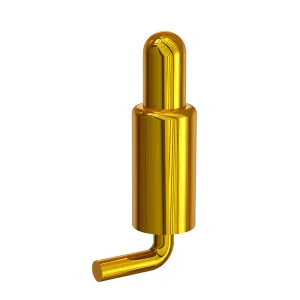
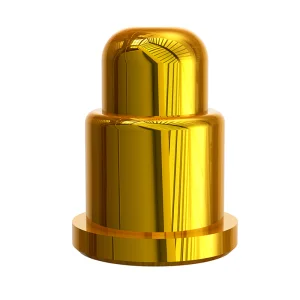
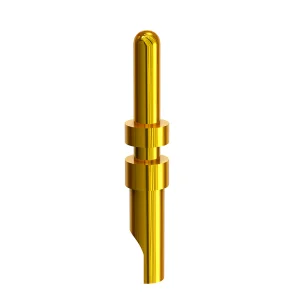
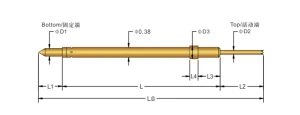
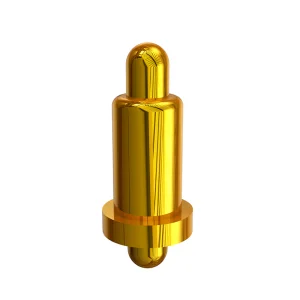
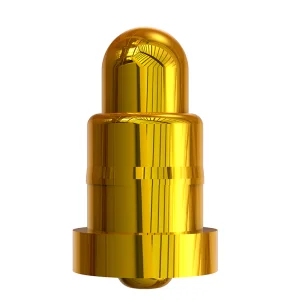
Designing an industrial-grade pogo pin that survives extreme thermal cycles requires precise selection of materials for the three primary components: the plunger, the barrel, and the internal spring.
Typically machined from high-conductivity brass or beryllium copper (BeCu) alloys. BeCu is favored for its high structural yield strength and superior electrical conductivity. The barrel must withstand mechanical wear while retaining a smooth inner wall to reduce friction during compression cycles.
For operations up to 120°C, high-tensile Music Wire is sufficient. However, for extreme requirements reaching 150°C to 220°C+, Stainless Steel (SUS304/SUS316) or exotic beryllium copper alloys are used. This avoids spring stress relaxation under constant loaded deflection.
The insulating carrier housing is critical. We use Liquid Crystal Polymer (LCP) and Polyether Ether Ketone (PEEK). These materials have high thermal deflection indexes, allowing them to endure standard Pb-free reflow profile peaks of 260°C without warpage or outgassing.
At high temperatures, atoms from the copper alloy base metal tend to migrate through the gold plating layer, oxidizing on the surface and drastically increasing contact resistance. To counteract this, Rongqiangbin deposits an ultra-stable diffusion barrier. A nickel or palladium-nickel underplate acts as a block, preserving the integrity of the gold surface layer over time and temperature cycles.
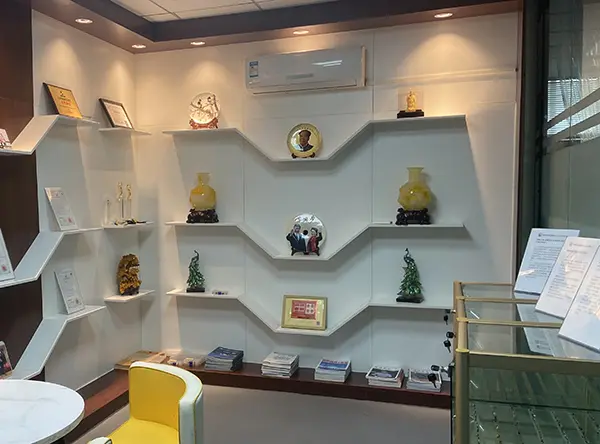
Located in Shenzhen, the leading city of the Guangdong-Hong Kong-Macao Greater Bay Area, Shenzhen Rongqiangbin Electronic Hardware Co., Ltd. was founded in February 2011 on Songgang Street. We specialize in the development and manufacturing of high-performance Pogo Pin connectors. After years of technical iteration, quality control, and customer-first service, our company has emerged as a premier manufacturer in the industry.
Our company operates on the principle of "customer first, integrity first." Supported by an experienced POGO PIN engineering and manufacturing team, we establish long-term relationships with global industry leaders. We are certified to the authoritative ISO9001:2015 international quality management system, maintaining rigid control workflows and an environmental management system to deliver high-quality, eco-friendly products.
Rongqiangbin serves high-profile global enterprises, engineering solutions for brands such as Honeywell, Samsung, SIEMENS AG, ZTE, 360, QCY, HAYLOU, Shanghai Laimu, Luxshare Group, Aoni Electronics, and Amphenol Group.
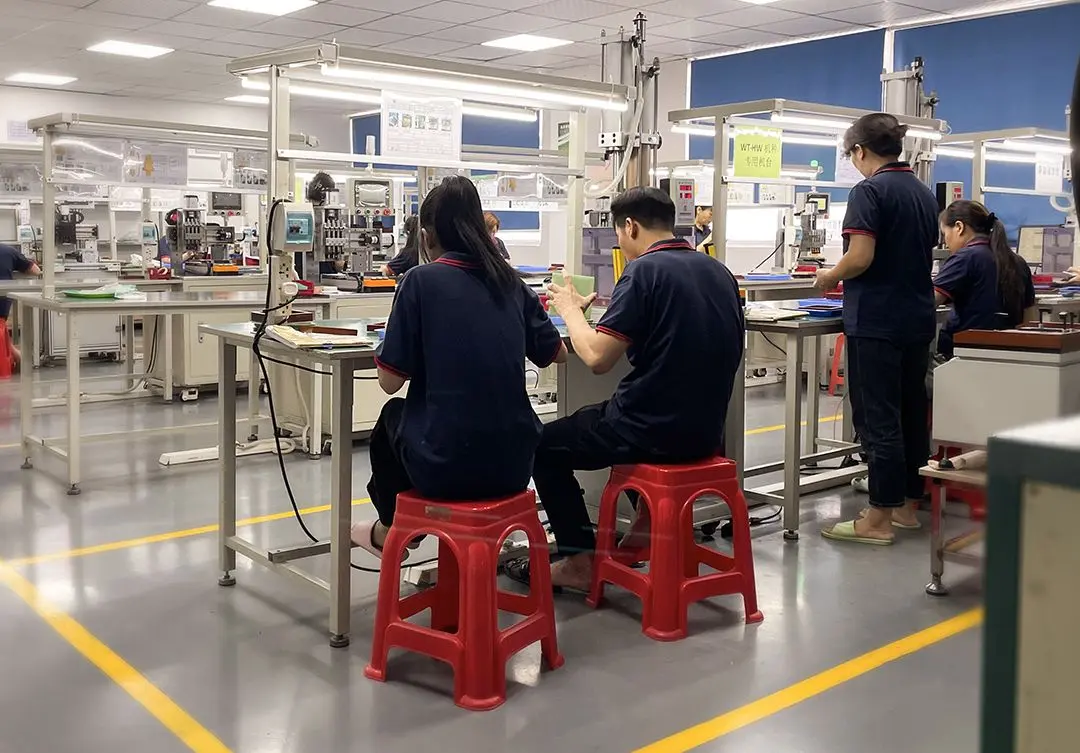
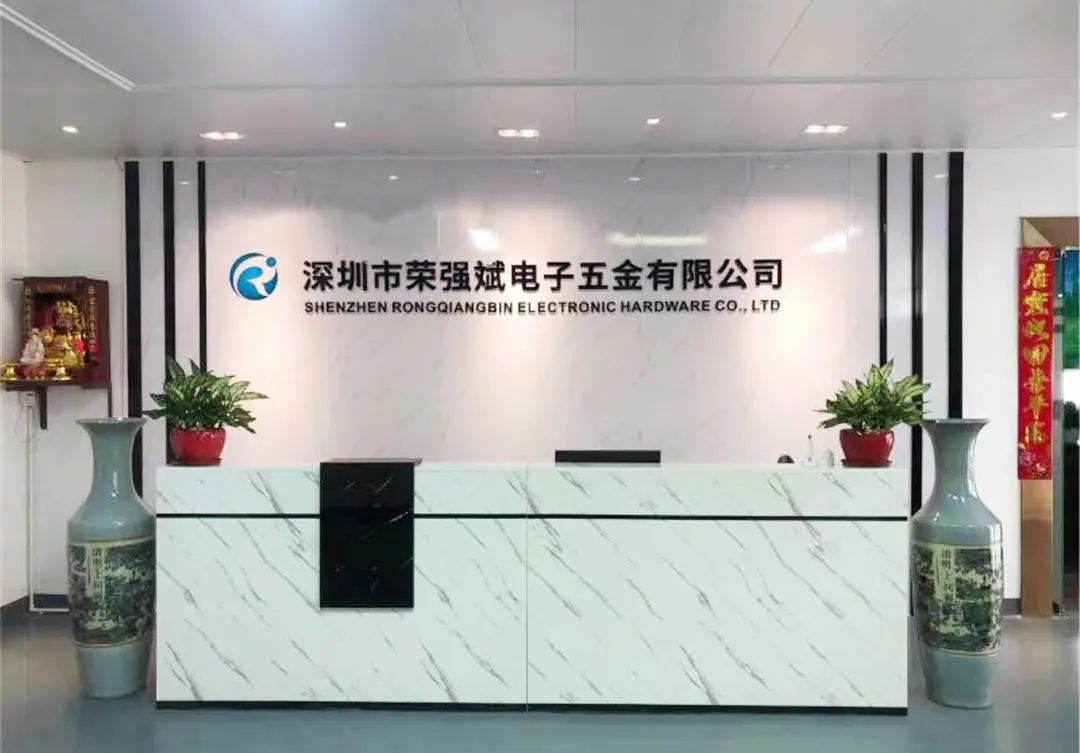
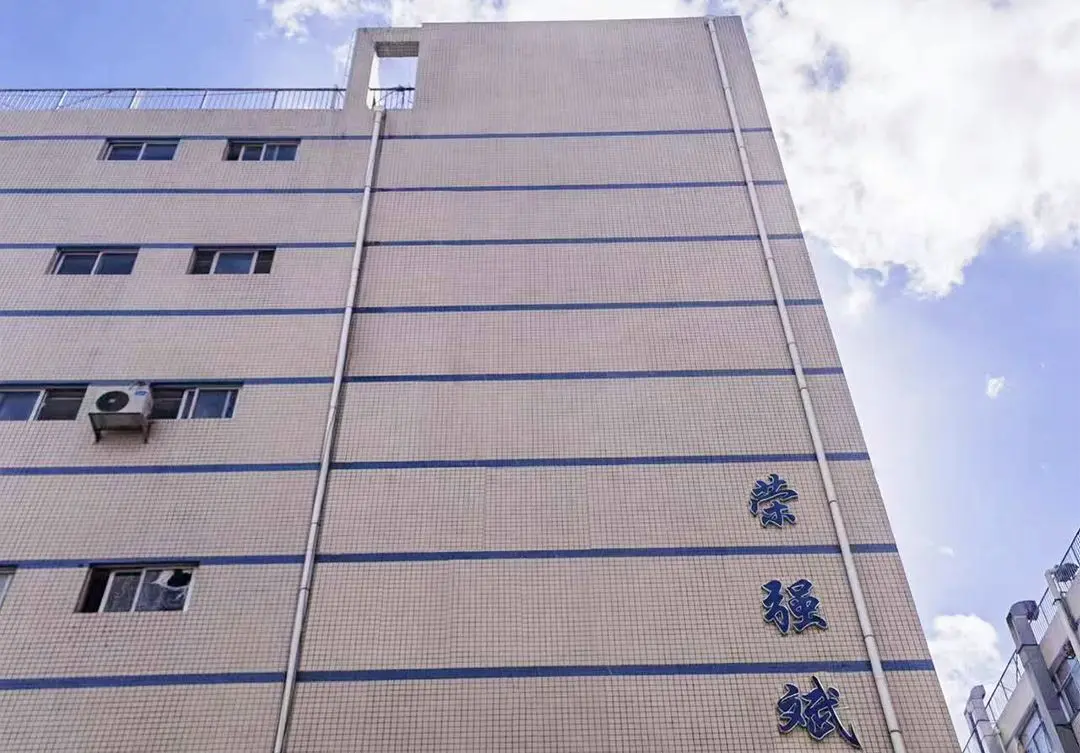
"Committed to being an excellent POGO PIN manufacturer for both quality and cost, at home and abroad, while leading global connector technology development."
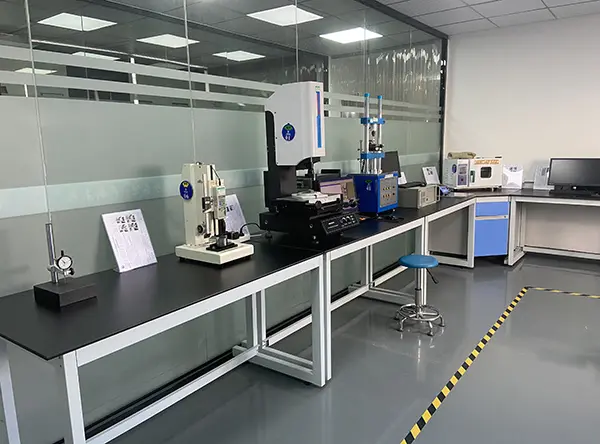
The demand for high-temperature pogo pins is accelerating across multiple industrial domains. As modules shrink and power loads rise, connector designs are facing unprecedented heat-tolerance requirements.
IC validation requires micro-pin configurations that run continuously at 125°C to 150°C for hours to simulate aging profiles. Pogo pins used here must maintain highly stable contact resistance values under hundreds of thousands of compression cycles without spring failure.
Modern battery management systems (BMS), high-power charging adapters, and engine compartments demand sensors that work under high operational heat. Connectors must function without failure under ambient temperatures exceeding 125°C, as well as mechanical vibrations.
Smartwatches, TWS earbuds, and VR gear undergo reflow soldering processes that expose PCB components to intense heat. Surface mount (SMT/SMD) pogo pins must tolerate lead-free reflow heat profiles peak of 260°C while maintaining contact straightness and plating thickness.
From smart manufacturing plants to rugged outdoor installations, Rongqiangbin engineers customized pogo pin modules to match the unique mechanical, electrical, and thermal demands of our partners.
For RF testing and high-speed data transmission lines exposed to testing environments over 150°C. Standard insulators are replaced with custom PTFE or PEEK sleeves to limit impedance variation.
Ideal for medical disinfection chambers (autoclave cycles) or smart wearables that run warm while fast-charging, featuring custom IP67/IP68 elastomer sealing rings that remain elastic under high heat.
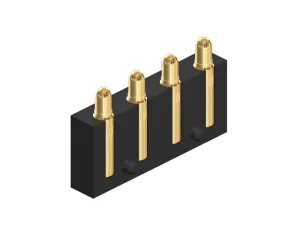
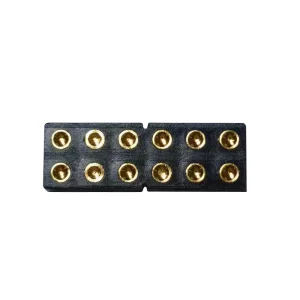
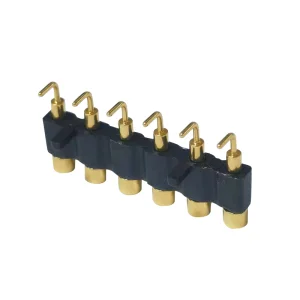
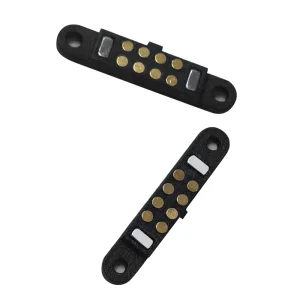
Custom 12-pin, 8-pin, or high-density grids optimized for Pick-and-Place machinery. Packaged in heat-tolerant tape-and-reel carriers to keep pin coplanarity within a tight <0.05mm margin.
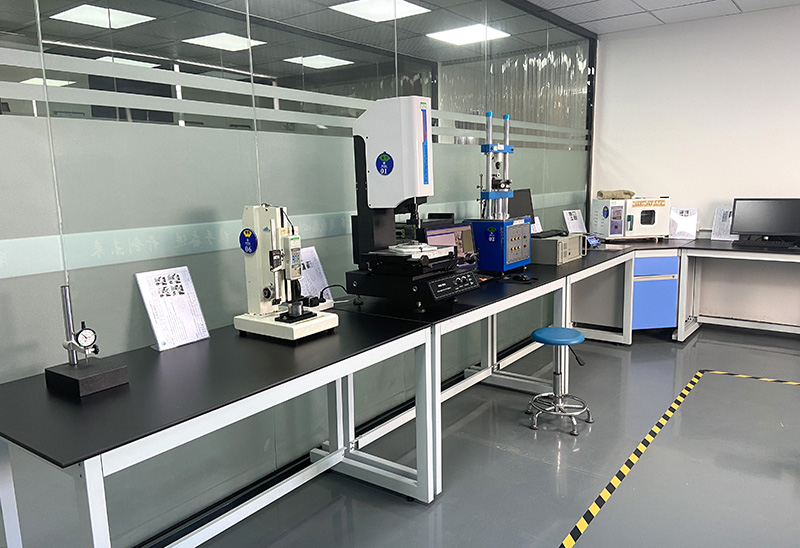
Answers to common design and engineering questions regarding high-temperature spring contacts, material thresholds, and custom manufacturing processes.
As electronic assemblies require smaller pitches and higher data rates, our R&D roadmap focuses on pushing thermal limits and dimensional limits further.
Developing micro-machined pogo pins capable of operating in dense grids, ensuring high signal integrity for next-generation semiconductor packages and multi-chip modules (MCM).
Testing atomic layer deposition (ALD) and advanced carbon coatings to lower sliding friction, prevent alloy oxidation, and increase wear life under high heat environments.
Transitioning toward lead-free brass formulations and eco-friendly plating processes to comply with evolving global environmental regulations (such as RoHS and REACH).

 Rongqiangbin Electronic