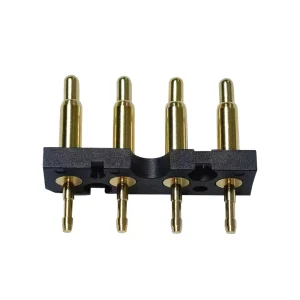
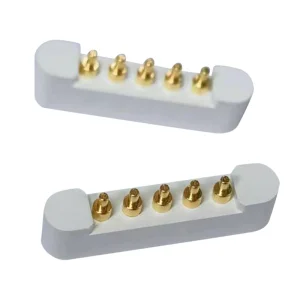
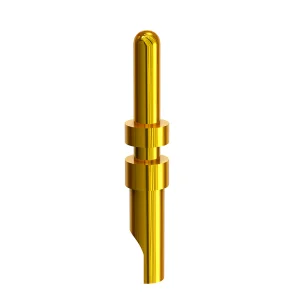
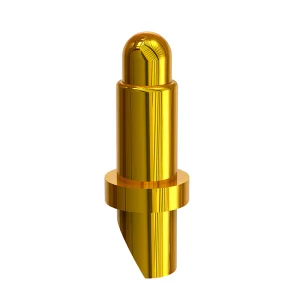
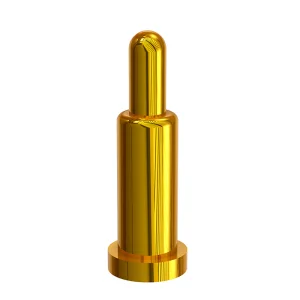
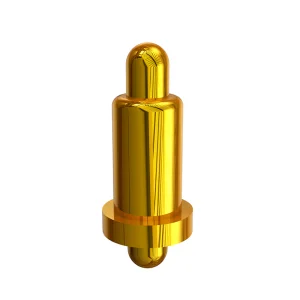
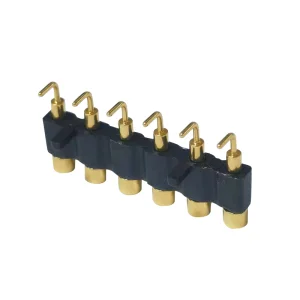
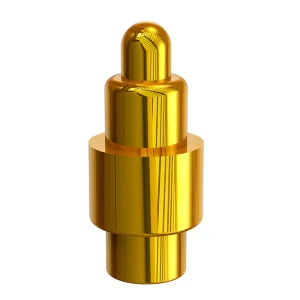
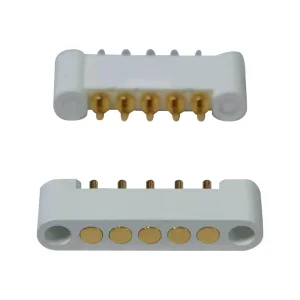
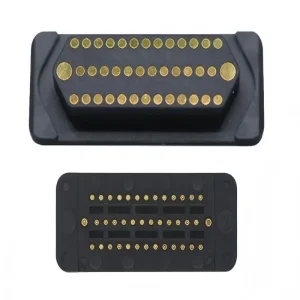
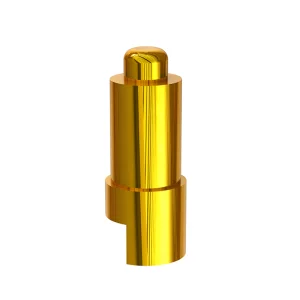
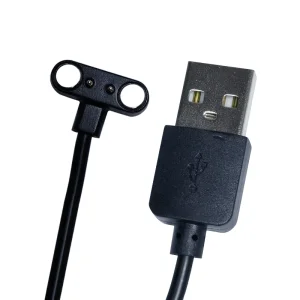
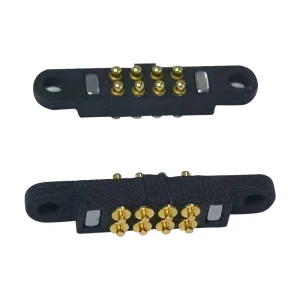
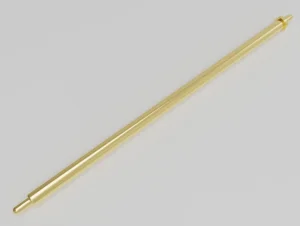
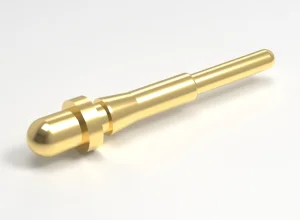
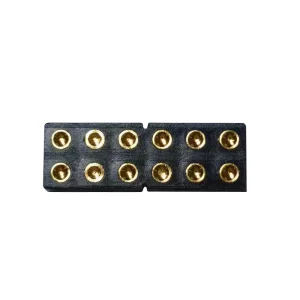
Explore our selection of top-tier spring loaded connectors, DIP sockets, and bespoke charging interfaces designed for maximum cycle life and stable contact resistance.
Founded in February 2011 in Songgang Street, Shenzhen, within the heart of the Guangdong-Hong Kong-Macao Greater Bay Area, our company has evolved over more than a decade of research, iteration, and manufacturing development into a dominant industry force specializing in POGO PIN connectors, test probe sockets, and custom mechanical interface contacts.
We pride ourselves on offering complete electrical testing interfaces, combining cutting-edge CAD/CAE simulations with ultra-precision CNC machinery. By maintaining 100% in-house manufacturing, plating quality management, and mechanical spring force calibration, we guarantee top-tier performance for your production line or product testing setup.
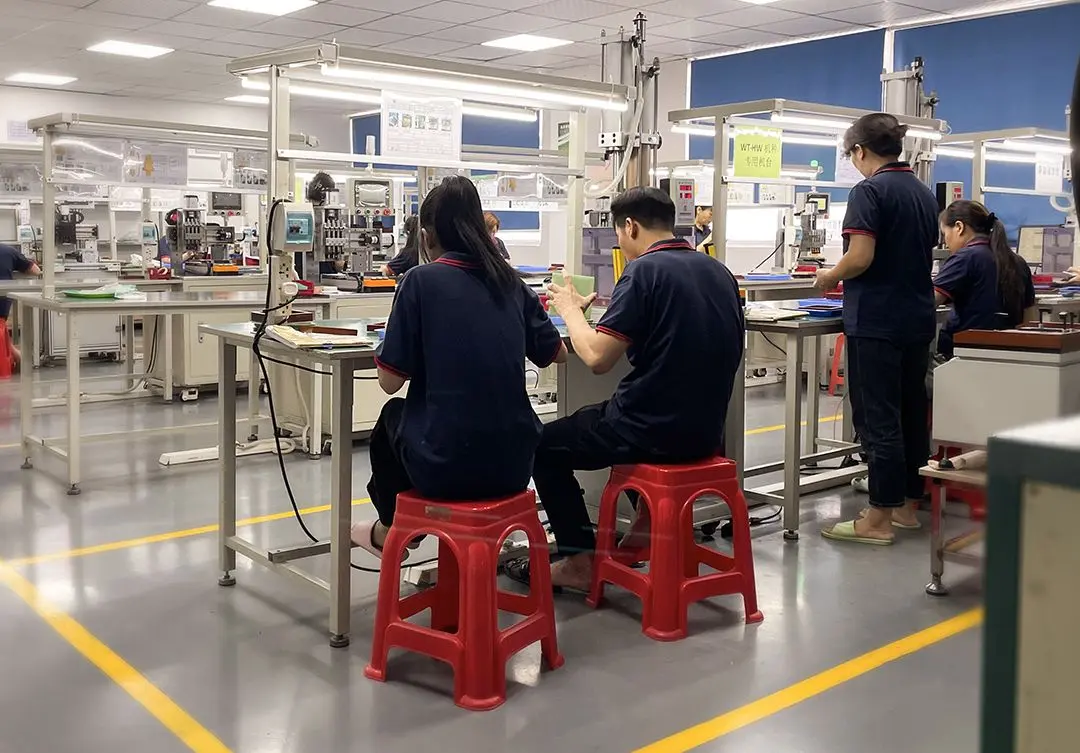
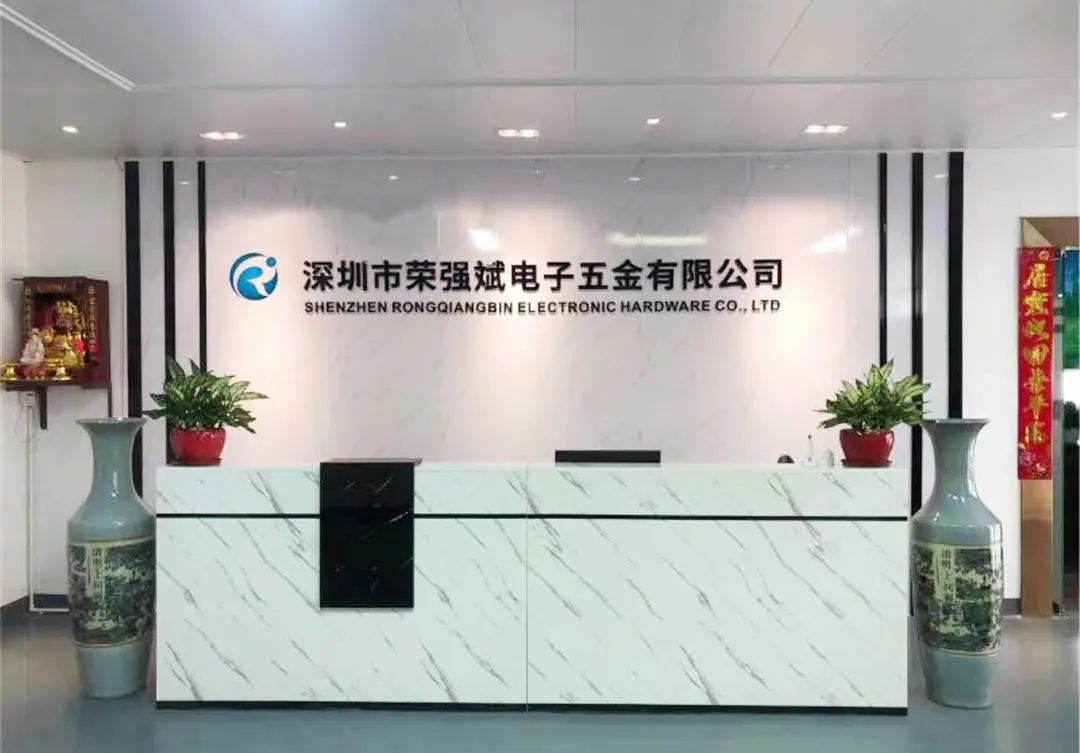
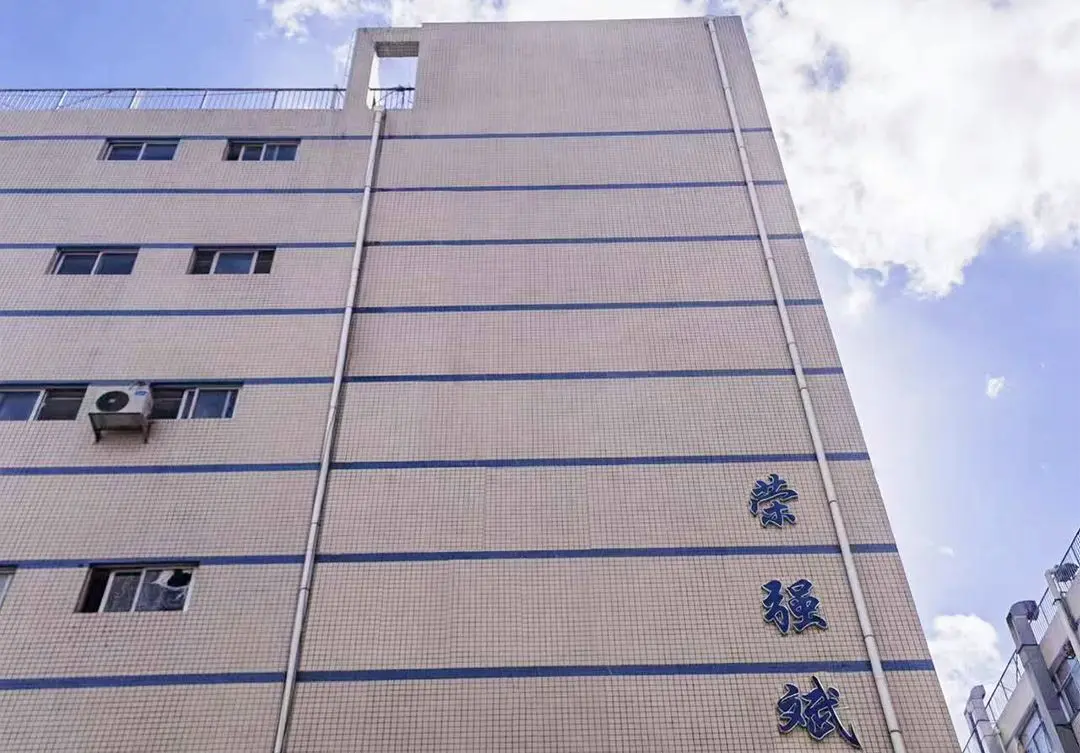
With an extensive intellectual property portfolio and state-of-the-art testing equipment, we deliver custom probe socket designs that bridge the gap between benchtop R&D and high-volume automated testing (ATE).
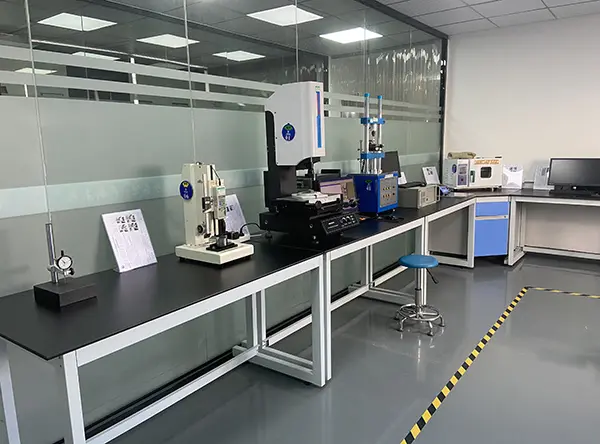
Our Quality Management Systems (QMS) are certified under the rigorous ISO9001:2015 standard. By integrating automated optical inspection (AOI), dynamic contact resistance testers, micro-hardness analyzers, and environment simulation chambers, we test probe sockets under real-world thermal and electrical stressors to ensure absolute zero-defect output.
Specialized gold, palladium-nickel, and customized electroplating processes to optimize conductivity, minimize friction, and extend life expectancy to millions of cycles.
CNC turning operations with tolerances down to ±0.005mm, making high-density multi-pin sockets down to 0.2mm pitch feasible.
As semiconductor architectures scale down to advanced sub-3nm nodes, and high-frequency communication protocols (5G Advanced, 6G, and PCIe Gen 6/7) take over modern system topologies, the requirement for robust test probe socket designs has become paramount. Test probe sockets are no longer merely passive interconnect structures; they are highly specialized engineering systems designed to transmit high-power currents and microwave-frequency RF signals without signal distortion.
Contemporary coaxial test sockets require bandwidths exceeding 40 GHz to accommodate modern RF and optical communications testing. Minimizing capacitance and inductance within the socket housing requires advanced 3D EM simulation modeling (CST/HFSS) to determine optimal housing geometry and dielectric materials (such as Torlon, PEEK, or Ultem).
With IC packaging migrating toward Chiplets and Wafer-Level Chip-Scale Packaging (WLCSP), mechanical test sockets must survive repetitive cycles at pitches of 0.3mm down to 0.2mm. Standard spring probes are being replaced by high-precision, ultra-short micro-pogo pins that limit mechanical travel while maintaining uniform spring force.
Power semiconductors used in EV inverters and smart grids draw sustained currents of 5A up to 100A during validation phases. Standard contacts suffer from localized thermal degradation. Our advanced custom high-current pins incorporate internal cooling pathways, high-conductivity copper alloys, and resilient gold platings to mitigate contact resistance (C.R.) and prevent thermal runaway.
Procuring test probe sockets at a global scale requires balancing complex variables including technical specifications, operational uptime, and total cost of ownership (TCO). For supply chain managers and lead hardware engineers, selecting the right partner involves auditing capabilities that extend far beyond initial price estimates.
Ensuring compliance with global standardizations (RoHS, REACH, Halogen-Free). Each batch of raw materials (Beryllium Copper, SK4 Steel, Phosphor Bronze) must be certified to prevent cross-contamination and micro-fissure expansion during continuous cycling.
Time-to-market is the primary metric for IC releases. A manufacturer with internal tool design and machining infrastructure can shorten custom socket development cycles from 8-10 weeks down to under 14 days, minimizing development blockages.
While low-cost alternatives appear attractive, they often fail prematurely, introducing testing errors and production line delays. Opting for sockets with superior structural resilience and high-quality gold plating delivers long-term economic advantages.
At Shenzhen Rongqiangbin, we establish long-term collaboration networks. Leveraging our 10+ years of high-volume engineering expertise, we address high-frequency test and mechanical interface design problems for our clients.
Our engineering division assists clients in optimizing target contact pads, configuring spring forces, and running FEA structural analysis before production, resulting in customized, fit-for-purpose solutions.
Our spring loaded test probe sockets are deployed across various high-growth engineering domains, ensuring precise electrical connection and high-reliability data acquisition.
From validation testing to automated test equipment (ATE) testing, our sockets are optimized for high pin density, high-speed differential signals, and low loop inductance. We provide solutions for BGA, QFN, QFP, LGA, and SOP packaging form factors.
Electric vehicle management systems require test interfaces that manage high voltage spikes and continuous high current. We engineer custom pins for battery management system (BMS) testing and high-power onboard charger (OBC) evaluation.
Miniature waterproof spring loaded pins are critical for compact applications such as smartwatches, TWS earphones, and medical sensors. We supply waterproof-rated (up to IPX8) charging sockets that resist sweat and skin corrosion.

Operating a global production strategy requires aligning with regional distribution requirements and compliance standards. Shenzhen Rongqiangbin provides complete support documentation, including material test reports, plating thickness maps, and product certifications.
Through partnerships with testing houses and logisticians, we offer fast customs processing and regional engineering assistance across Europe, the Americas, and Southeast Asia. Our teams assist with local verification, initial installation guidance, and troubleshooting support.
Compliance Checklist Met:
Our continuous research and development efforts focus on meeting the requirements of tomorrow's electronic systems.
We are iterating custom alloy alternatives to standard gold-plating. These advanced surface configurations limit tin-transfer during wafer testing, extending socket maintenance intervals and reducing operating costs.
To support high-speed data validation, our engineers are developing coaxial probe socket variants supporting 0.3mm pitches, limiting crosstalk and maintaining impedance control up to 50 GHz.
We plan to integrate micro-sensors directly within testing interfaces. These built-in components will trace cycles, monitor temperatures, and alert operators to degradation in contact resistance before failure occurs.
We continue to expand our automated manufacturing plants to optimize cycle times. Our target is to reduce standard manufacturing lead times by 20% over the next two years.
Technical insights and answers to common questions regarding our test probe socket systems.
Q: What is the typical lifetime expectancy of your pogo pin test sockets?
A: Lifetime expectancy depends on spring travel, load, environment, and pitch. Under standard testing environments, our standard pogo pin contacts are rated from 100,000 to over 500,000 cycles, with specialized configurations exceeding 1,000,000 cycles.
Q: Can you manufacture test sockets to accommodate pitches smaller than 0.4mm?
A: Yes, we specialize in high-density configurations. Using ultra-precision machining, we construct custom test sockets down to 0.3mm and 0.2mm pitches for advanced packaging structures.
Q: How do you guarantee the reliability of high-current applications?
A: We use high-conductivity copper alloys, specialized internal plungers, and heavy gold plating to minimize contact resistance. This approach prevents localized overheating during sustained currents.
Q: Do you support custom mechanical configurations and rapid prototyping?
A: Yes, we offer full design engineering support. By utilizing our internal CNC facilities, we can provide prototype samples for customer validation within 7 to 14 working days.
Q: Are your test sockets compliant with global environmental regulations?
A: Yes. All our products comply with RoHS, REACH, and Halogen-Free guidelines, backed by testing reports for every manufacturing batch.
Discover our specialized magnetic couplers, vehicle power pins, and high-frequency waterproof connectors, engineered for demanding consumer and industrial environments.
 Rongqiangbin Electronic