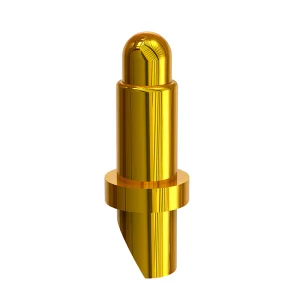
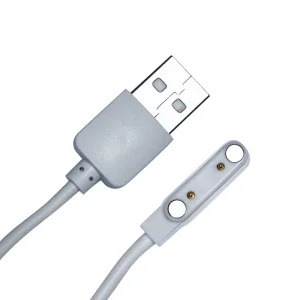
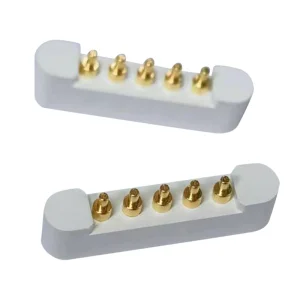
Precision engineered components custom tailored for high cycle-life electrical contacts, micro-current systems, and fast-coupling data transfers.
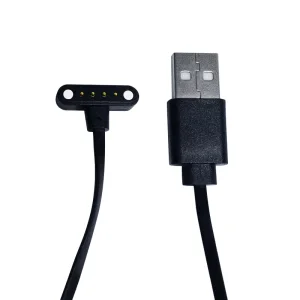
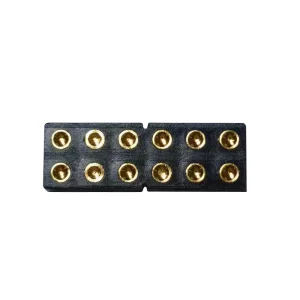
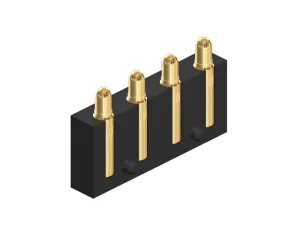
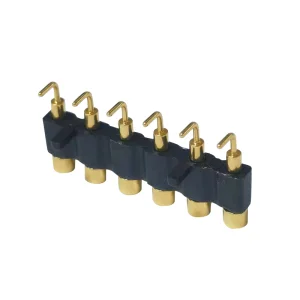
Analyzing the shift from traditional micro-USB/Type-C ports to high-performance magnetic spring-loaded interfaces across commercial industries.
Traditional plug-and-unplug interfaces suffer from rapid degradation, insertion force tolerances, and ingress protection risks. A standard USB Type-C connector is rated for 10,000 cycles, yet micro-wear issues often occur earlier under industrial use. USB Pogo Pin cables completely eliminate insertion fatigue, leveraging Spring-Loaded Contacts (SLCs) that connect via zero-force compression alignment.
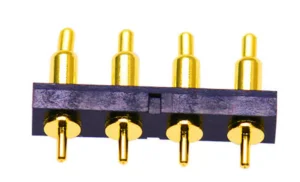
Our research shows that combining neodymium magnets with precision pogo pin arrays achieves reliable blind-mate engagement. By integrating high-grade NdFeB magnets, devices benefit from self-locating interfaces. This mechanism redirects shear strain away from delicate PCB components, acting as a breakaway safety valve when unexpected strain is applied to the connection cord.
Zero Insertion Force (ZIF): Mitigates physical stress during high-volume diagnostic connects.
Hermetic Sealing Capability: Smooth contact surfaces allow flat-mating gaskets, achieving up to IP68 rating configurations.
High Tolerances: Compensates for axial/radial misalignment during blind-mating protocols.
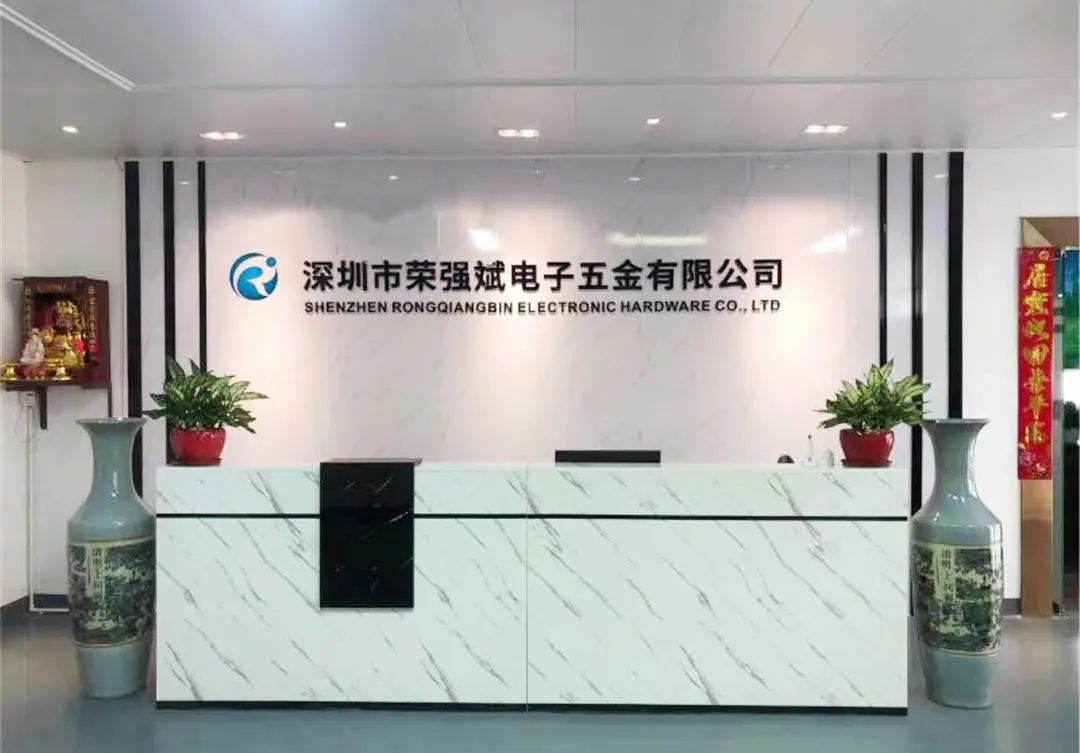
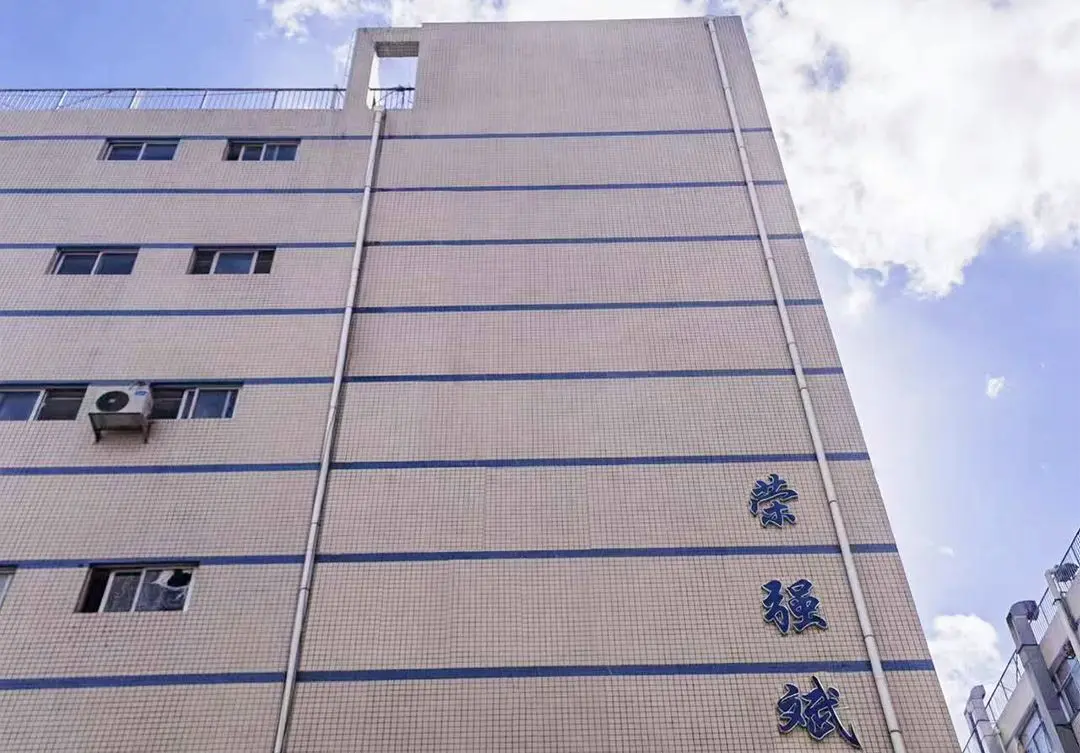
Located in Shenzhen, the leading city of the Guangdong-Hong Kong-Macao Greater Bay Area, our company was founded in February 2011 on Songgang Street. Over a decade of structured engineering evolution has established RONGQIANGBIN as an industry-recognized leader in high-performance Pogo Pin connectors.
Operating under the primary directive of "customer first, integrity first", we deploy an expansive custom design process that couples direct CNC Swiss-type turn lathe machining with electroplating chemistry. We prioritize product performance under extreme load conditions, delivering critical sub-assemblies to international clients.
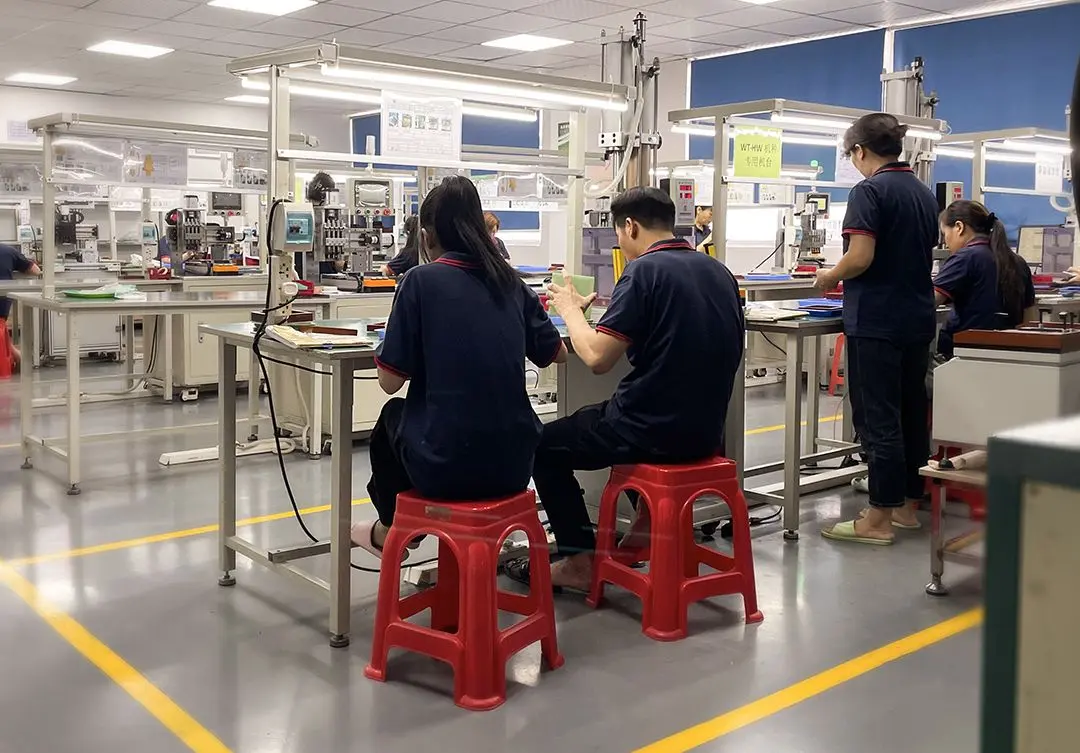
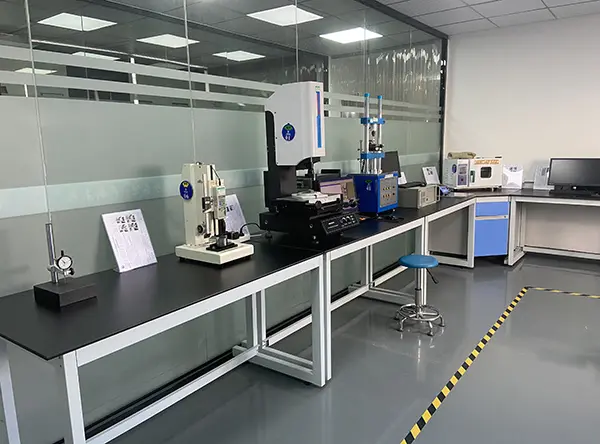
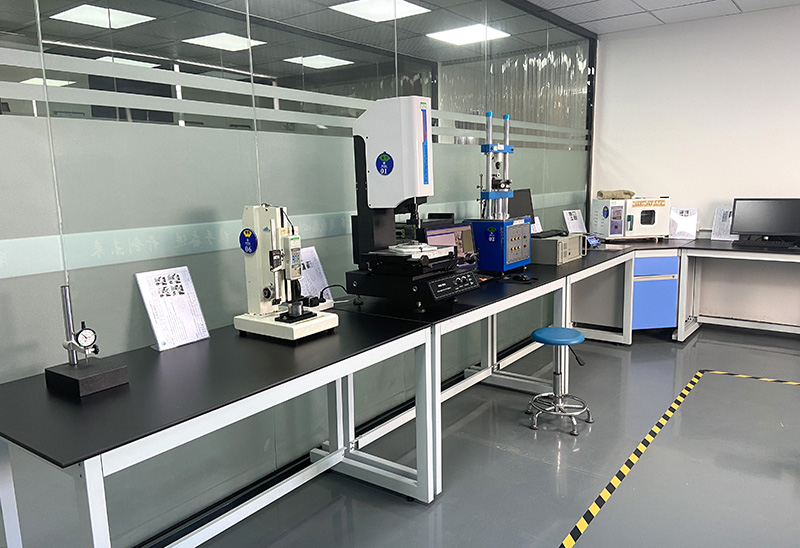
Our facilities are certified to the ISO9001:2015 international standard. Our strict quality management systems control raw materials, plating thickness, spring forces, and electrical contact resistance.
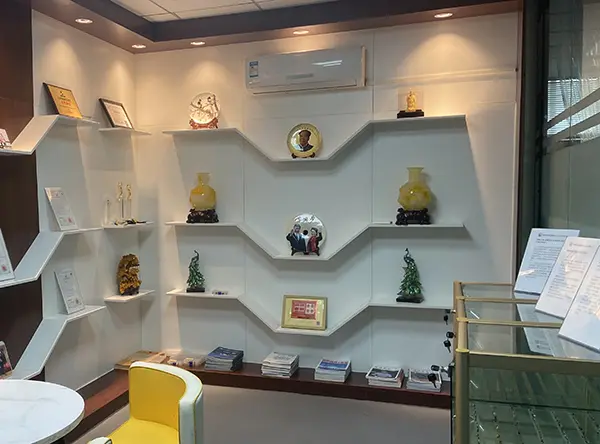
Delivering custom connectivity designs to the world's most demanding engineering groups and consumer tech conglomerates.
Rongqiangbin leverages a vertically integrated manufacturing line. From raw brass material bar turning to precision spring winding and high-speed multi-stage packaging, every step is managed directly. This setup guarantees cost control and short turnaround times.

Committed to being excellent POGO PIN manufacturers for both quality and cost on home and abroad, and leading connector technology development.
Investigating technical requirements in the smart hardware market: IPX8 water resistance, high-current charging, and automated assembly.
Modern smart devices demand quick charging, requiring pogo pins to carry currents up to 5A–10A. Traditional pogo pin designs run the risk of spring overheating. We solve this by adding high-conductivity copper sleeves and ball-in-socket internal structures. These additions reduce contact resistance, keeping temperatures low during high-current charging.
Wearable devices are vulnerable to salt-water corrosion, human sweat, and dust buildup. Standard gold plating can degrade under these conditions, causing contact failure. We offer custom plating formulations, including thick Gold (Au) layers over Nickel (Ni) barriers, alongside Palladium-Nickel (Pd-Ni) options. These coatings resist corrosion in marine environments and high-sweat scenarios.
Our magnetic pogo pin assemblies use smart mechanical keys alongside magnetic polarization. This design prevents mismatched connections, blocking reverse voltages and protecting target devices from electrical shorts. The magnetic pull force is calibrated between 150g and 800g to ensure secure connection without making disconnection difficult.
Essential design values for electrical and mechanical engineers developing custom magnetic pogo pin solutions.
| Parameter Classification | Standard Specification Limit | ODM Customized Range Options | Primary Engineering Target |
|---|---|---|---|
| Working Current Limit | 1.0A – 3.0A Continuous | Up to 15A Custom design | Ensures safe power transfer without overheating. |
| Contact Resistance | < 30 mΩ (Under rated compression) | < 10 mΩ for low-impedance requirements | Minimizes voltage drop across contacts. |
| Mechanical Durability | 10,000 to 50,000 cycles | Up to 1,000,000 cycles (High-durability springs) | Maintains mechanical spring force over device lifetime. |
| Spring Force Rating | 60g ± 20g at working stroke | 30g to 500g custom options | Balances solid contact pressure with mechanical wear limits. |
| Base Plating Material | Nickel (Ni) Underplating > 1.25 μm | Pd-Ni, Platinum alloy alternatives | Provides corrosion resistance and a barrier against diffusion. |
| Ingress Protection Rating | IP65 (Splash proof) | IPX8 Hermetic Overmolding | Prevents water ingress inside device housings. |
Meeting international environmental directives and product safety requirements for seamless global distribution.
All brass pins, stainless steel springs, and plastic resins used in our manufacturing process meet RoHS 2.0 and REACH requirements. We run regular XRF screenings on raw materials to keep hazardous substances like lead, cadmium, and hexavalent chromium safely below regulated limits.
To ensure long-term durability in marine, industrial, or tropical environments, our pogo pin assemblies undergo extensive environmental stress testing. This testing includes salt spray exposure up to 480 hours, artificial sweat tests, high humidity cycle storage, and temperature shock profiles.
We combine high-speed optical inspection (AOI) with dynamic electrical testing. This setup measures insertion profile curves, dynamic contact resistance, and magnetic alignment force for every batch, ensuring each shipment meets specifications before leaving the factory.
Direct answers to technical questions about magnetic alignment, plating durability, and manufacturing timelines.
Explore our specialized and heavy-duty designs engineered to perform reliably under demanding conditions.
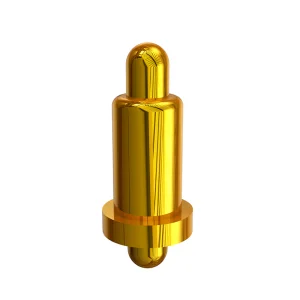
 Rongqiangbin Electronic