Modern electrical engineering requires interfaces that combine structural integrity, compact geometries, high mating cycle lifetimes, and rapid charging. Traditional USB connectors (Micro-USB and Standard USB Type-C receptacles) rely on friction-based insertion mechanisms. While highly functional for static environments, these designs often fail in environments subject to repeated mating cycles, moisture, dust, or physical impact.
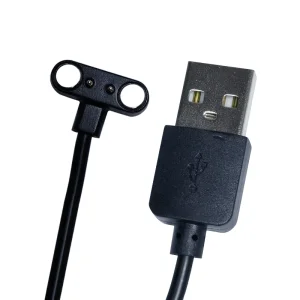
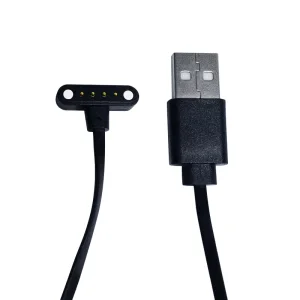
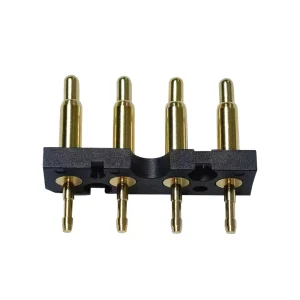
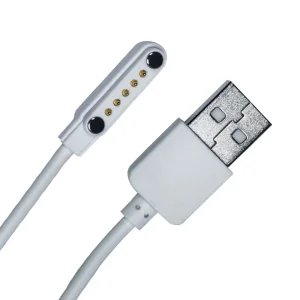
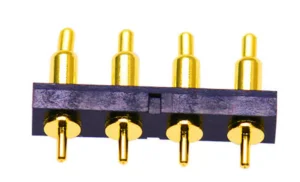
This is where custom ODM USB to Pogo Pin connectors become essential. By replacing the friction sleeve with spring-loaded plunger contacts and incorporating magnetic alignment interfaces, engineers can develop rugged, blind-mate connectivity systems. These designs protect device housings, seal out environmental elements, and deliver consistent impedance profiles and high current carrying capacities up to 10A.
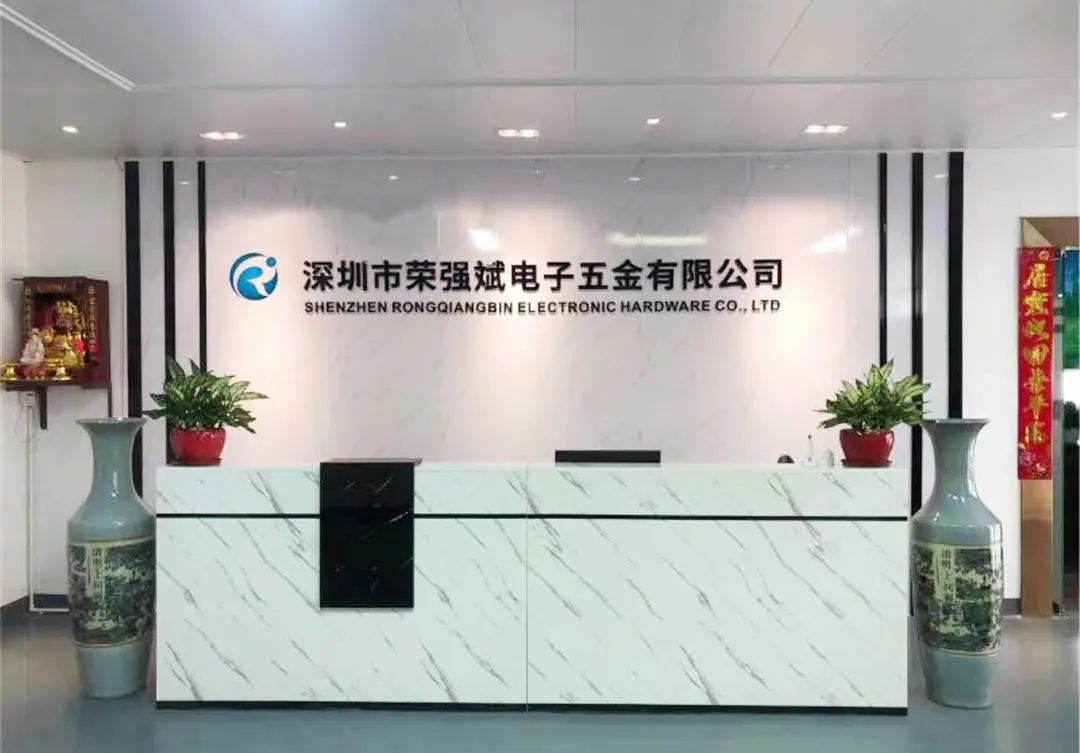
Founded in February 2011 and based in Songgang Street, Shenzhen—at the heart of the Guangdong-Hong Kong-Macao Greater Bay Area—Shenzhen Rongqiangbin Electronic Hardware Co., Ltd. has established itself as an industry leader in Pogo Pin connector technology. Over more than a decade of research, development, and engineering expertise, we have optimized high-performance spring-loaded pins for global supply chains.
With an expansive production base, specialized testing systems, and a commitment to precision engineering, our company delivers reliable custom solutions. We manage the entire lifecycle of custom connector development—from tool design, plating, assembly, to rigorous validation testing.


Honeywell • Samsung • SIEMENS AG • ZTE • 360 • QCY • HAYLOU • Shanghai Laimu • Luxshare Group • Aoni Electronics • Amphenol Group
As international supply chains evolve, technology companies face challenging requirements for physical interconnects. Sourcing managers look beyond unit pricing, evaluating supplier engineering capacity, material performance, compliance standards, and risk-mitigation strategies. Demand is rising across three main areas:
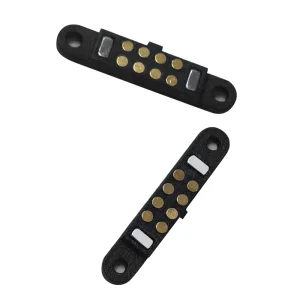
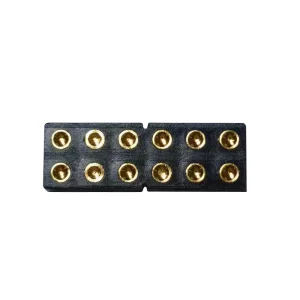
Standard off-the-shelf connectors rarely fit modern industrial designs. Custom pitches, spring forces, and specific pin configurations (such as charging-only 2-pin setups or high-speed data 8-pin systems) are necessary. Sourcing teams prioritize partners capable of delivering custom molded housings, magnetic alignment features, and specialized contact plating.
Devices exposed to sweat, humidity, or harsh environments (such as medical devices, handheld industrial scanners, and marine electronics) require enhanced plating. Pogo pin manufacturers must provide gold, palladium, or ruthenium plating to prevent galvanic corrosion and electrolysis during power transmission.
Working with direct manufacturers allows procurement teams to secure shorter lead times, consistent raw materials, and lower costs. Companies seek vertically integrated partners capable of managing design, high-speed turning, injection molding, and testing under one roof.
Transitioning from standard USB receptacles to magnetic pogo pin structures solves challenges across multiple sectors:
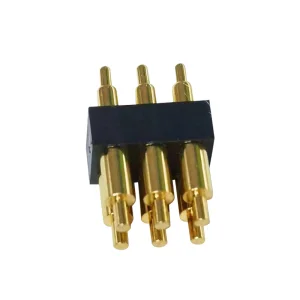
Bluetooth headphones, smartwatches, and fitness trackers require compact, sweat-resistant charging ports. Direct solder-to-board SMT/SMD pogo pins and custom magnetic charger cables provide reliable charging and data transfer in space-constrained designs.
For hand-held computers and scanners used in logistics (such as Honeywell equipment), standard USB-C ports can wear out or break from frequent docking. Rugged magnetic docking stations using Pogo pins ensure thousands of reliable insertion cycles.
Medical monitoring devices require easy, reliable disinfection. Flat-surface pogo pin contacts, when paired with magnetic mating housings, eliminate deep port recesses where pathogens can collect, simplifying sterilization procedures.
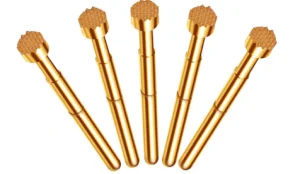
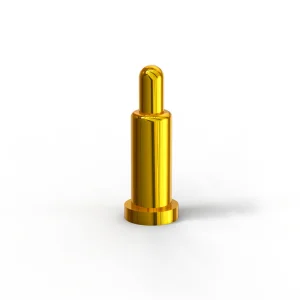
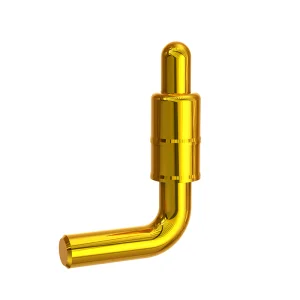
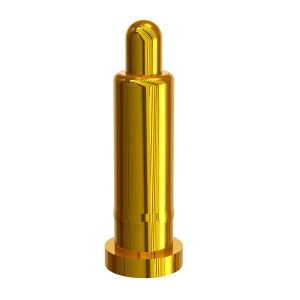
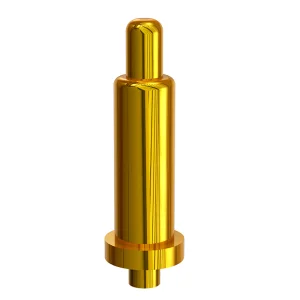
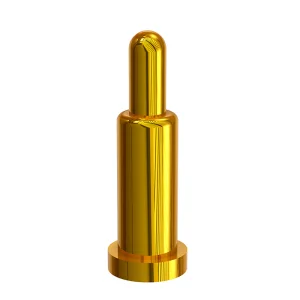
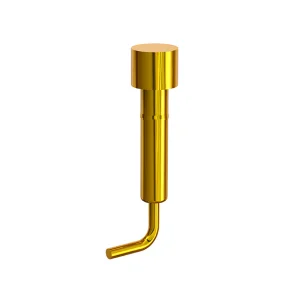
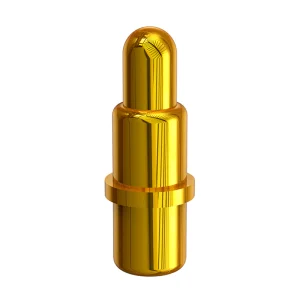
Rongqiangbin utilizes specialized internal pin architectures to optimize contact integrity. By applying bias-cut plunger designs or incorporating internal ball bearings, we maintain stable electrical contact between the plunger and the barrel. This prevents intermittent signal loss, even during vibration or mechanical stress, keeping contact resistance below 30 milliohms.
Furthermore, our insert-molded magnetic designs combine rare-earth magnets (Neodymium N52) with high-temperature plastic housings, ensuring consistent blind-mating force and exact polarization to prevent reverse polarity connection errors.

As standard interfaces evolve toward high-speed USB4 and USB-C configurations, the spring-loaded connector industry must innovate to match high-frequency signal requirements. Our technical roadmap focuses on the following key areas:
Historically limited to power and low-frequency signal lines, newer pogo pin designs feature precision impedance matching (90-ohm differential profiles). This supports high-speed data transmission rates matching USB 2.0 (480 Mbps) and USB 3.0/3.1 Gen 1 (5 Gbps) standards without signal degradation.
To address corrosion issues with sweat and saltwater, we are developing advanced composite plating technologies. Using platinum-group metals alongside selective gold plating, our components maintain conductivity and resist pitting, even when exposed to active charging currents in damp conditions.
As wearable form factors shrink, pitch requirements are moving from 2.54mm and 2.0mm down to 1.2mm and 1.0mm. Our ultra-precision CNC swiss lathe turning machines produce micro-plungers with diameters as small as 0.3mm while keeping spring performance reliable.
Operating as an international OEM and ODM partner, Shenzhen Rongqiangbin ensures all products meet strict global regulatory frameworks. This compliance simplifies our clients' product certification processes worldwide.
Our quality management systems follow ISO 9001:2015 guidelines. Every step—from raw material entry (brass, stainless steel, beryllium copper) to manufacturing and final packaging—is monitored to maintain traceabilities and low defect rates.
Environmental safety is a key focus. All polymer housings (high-temperature LCP, Nylon, PBT) and metal plating finishes are free from hazardous substances, complying with RoHS 3.0 and REACH regulations for European and North American markets.
We perform 100% inspections using advanced sorting systems, spring force/travel testers, contact resistance meters, salt spray chambers, and X-ray plating thickness analyzers to verify that products perform reliably in their intended environments.
 Rongqiangbin Electronic