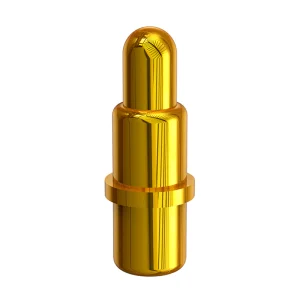
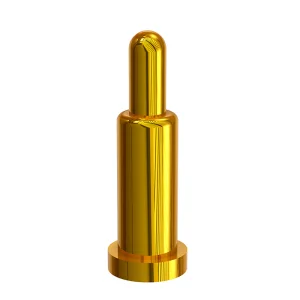
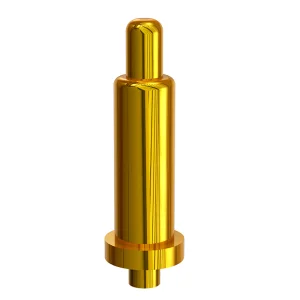
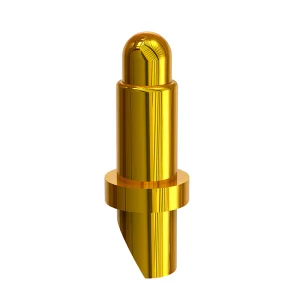
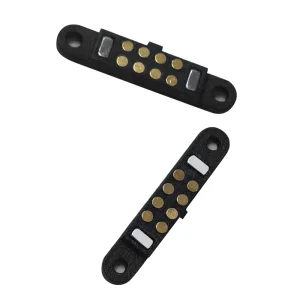
Explore our leading range of high-performance spring-loaded contacts and charging connectors engineered to precision specifications.
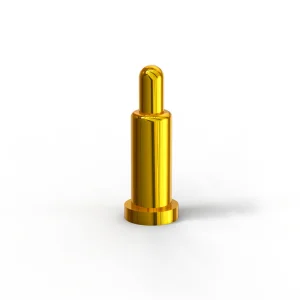
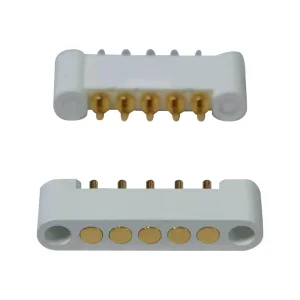
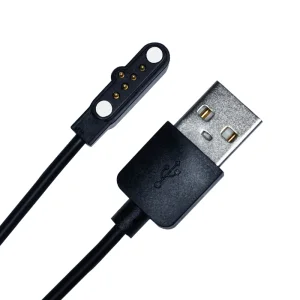
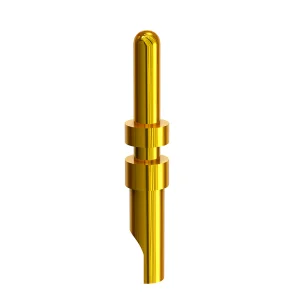
Analyzing the evolution of spring contact plug sockets in the high-density interconnect market.
In the modern era of micro-electronics, smart consumer devices, and electrified transportation, the demands placed on contact interfaces have evolved far beyond traditional solid-pin plug sockets. OEMs and global engineering teams now require high-density, low-profile, and modular solutions that facilitate both high-current charging and high-speed data transmission in harsh conditions.
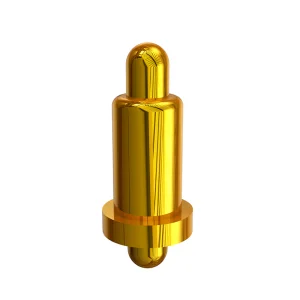
The global connector market is experiencing a significant shift toward precision spring-loaded contacts (Pogo Pins) and customized plug-and-socket configurations. Pogo pins provide a unique advantage: they utilize a internal spring mechanism to exert continuous pressure against a mating contact board, ensuring reliable electrical connection even under extreme mechanical vibration, thermal expansion, or physical movement.
As a leading OEM plug socket factory, we analyze these dynamics through a strict engineering lens. Key performance factors such as contact resistance (typically kept below 30mΩ), mechanical lifetime (ranging from 10,000 to over 1,000,000 compression cycles), and precise plating composition are the building blocks of reliable industrial designs.
How modern socket manufacturing technologies are adapting to the next generation of industrial requirements.
Standard gold plating is no longer sufficient for high-corrosion or high-cycle environments. Advanced manufacturers are utilizing palladium-nickel (Pd-Ni) underplates beneath gold layers to increase wear resistance and eliminate galvanic corrosion from human sweat in wearables.
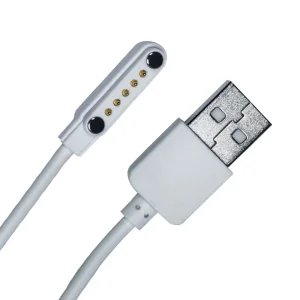
Self-mating magnetic plug sockets are becoming the standard interface for consumer charging and industrial handheld terminals. By integrating custom-shaped magnets into the housing, companies protect internal ports from physical stress and leverage blind-mating capabilities.
To reduce cost and increase production yield, modern plug socket designs are optimized for surface-mount technology (SMT) reflow processes. This requires plastic carrier housings that can withstand temperatures above 260°C and tape-and-reel packaging.
Established in February 2011 in Songgang Street, Shenzhen, within the highly strategic Guangdong-Hong Kong-Macao Greater Bay Area, our facility stands as a premier hub for custom connector solutions.
We specialize in the development, design, and mass-scale manufacturing of high-reliability Pogopin connectors, custom spring-loaded sockets, and specialized electronic interfaces. Over a decade of rigorous engineering, quality accumulation, and technological breakthroughs has propelled us to become a recognized market leader.
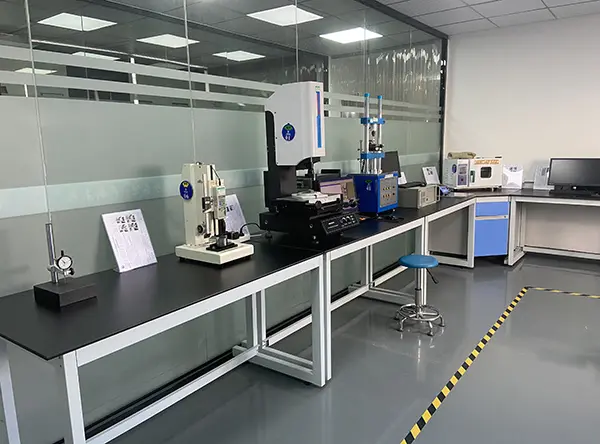
Our core mission revolves around "customer first, integrity first." To meet the zero-defect standards required by global tier-one electronics brands, we operate a certified ISO9001:2015 international quality management system, complete with state-of-the-art failure analysis and electrical testing laboratories.
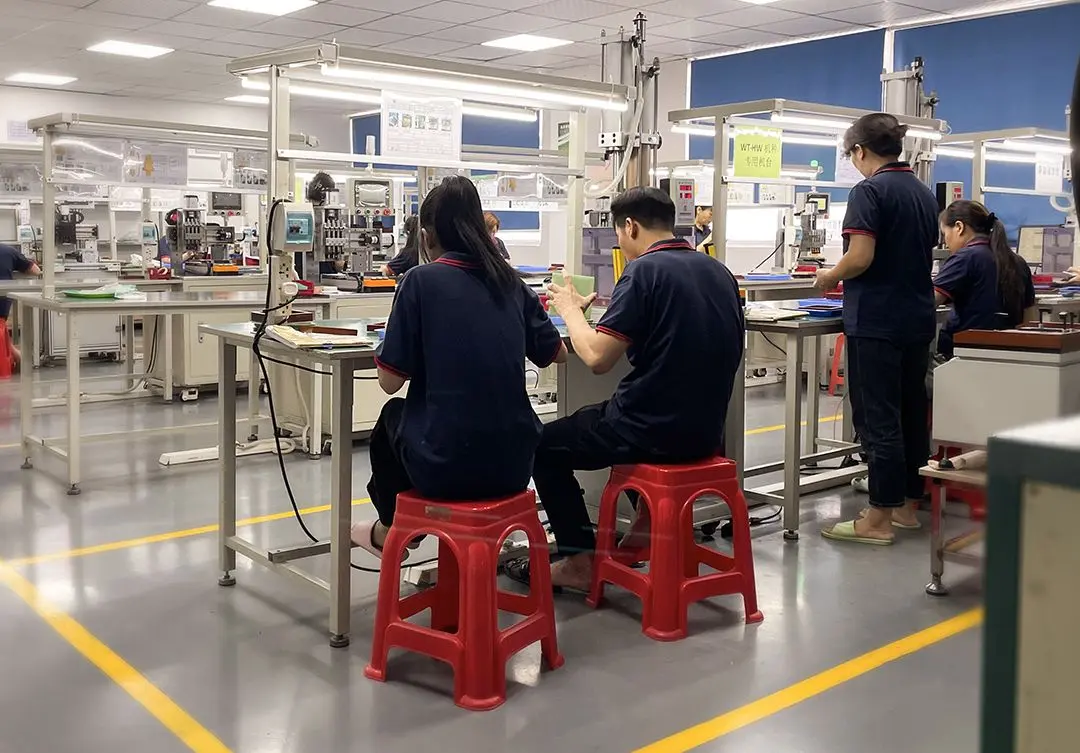
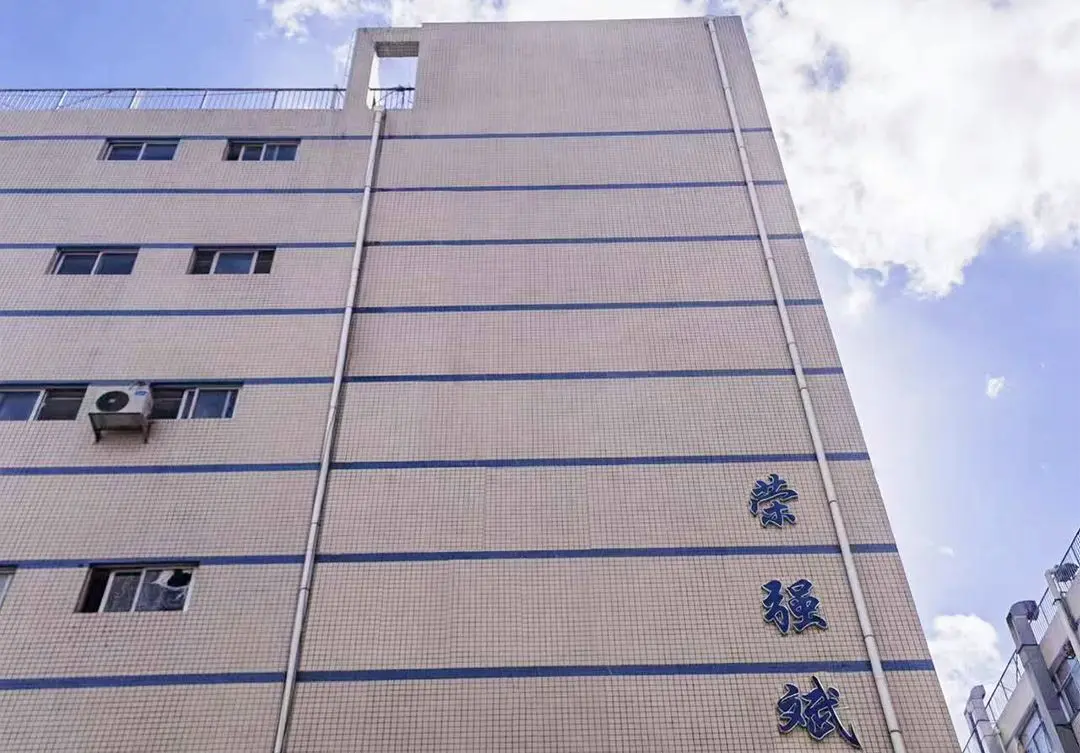
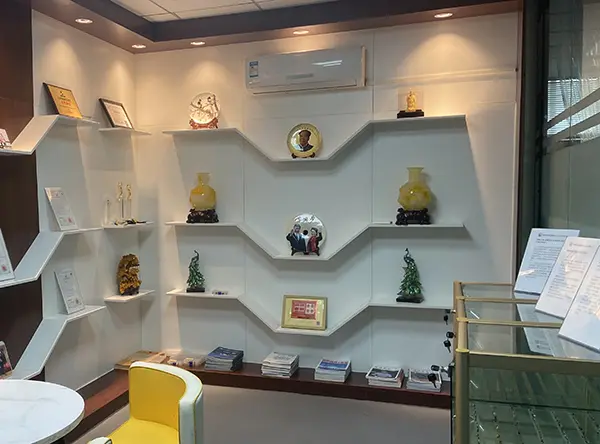
Supporting over 4,000 clients globally with more than 300 proprietary design patents.
Complete ISO9001:2015 compliance. Advanced inspection tools verify strict mechanical tolerances.
Each batch undergoes structural load, spring-force calibration, and contact resistance verification before shipping.
Proud manufacturer and partner for Honeywell, Samsung, SIEMENS AG, ZTE, 360, QCY, HAYLOU, Shanghai Laimu, Luxshare Group, Aoni Electronics, Amphenol Group, and more.
Understanding how customized plug sockets solve engineering challenges in diverse real-world environments.
In consumer audio and medical biosensors, the main challenge is sweat-induced galvanic corrosion and skin irritation. We solve this by providing custom-designed spring loaded contact pins plated with thick, low-porosity gold layers (up to 30 micro-inches) and specialized biocompatible metal layers. This ensures our sockets sustain contact integrity over 50,000 insertion cycles.
EV charging systems and battery management units (BMS) require high current tolerances and resistance to heat and constant vibration. Our custom new energy vehicle pin charging connectors are manufactured from high-conductivity tellurium copper and packaged with high-temperature glass-filled liquid crystal polymers (LCP) to prevent structural melting during fast-charge cycles.
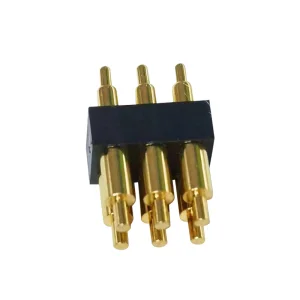
For semiconductor and PCB testing, test fixtures require spring probes with high mechanical cycles (exceeding 500,000 compressions) and ultra-low contact resistance. Our DIP spring-contact pogo pin sockets and double-row configurations are designed for quick swapping and reliable contact pressure against high-density target matrices.
From custom metal selection to precise component machining, we control the entire vertical manufacturing process.
We source raw copper alloy bars (beryllium copper, phosphor bronze, and brass) from certified domestic and international metal mills. Inductively coupled plasma spectroscopy (ICP) verifies purity and trace element limits.
State-of-the-art Swiss CNC lathes machine custom plungers, barrels, and housing sockets down to +/- 0.005mm tolerances. Components are electroplated in-house with multi-layer coatings (Nickel barrier + Gold/Palladium-Nickel finish).
Custom automated assembly lines fit springs and plungers into the barrels, using pneumatic crimping to lock components. Integrated 2D vision systems measure structural alignment in real time.
Before batch release, sample lots undergo mechanical cycling tests, temperature-humidity chamber exposure, and high-frequency vector network analyzer tests to measure insertion loss and return loss.
The internal configuration of a spring-loaded socket determines its performance limit. We manufacture four main internal configurations:
The end of the plunger is machined with a bevel angle. When compressed, the plunger is forced laterally against the inside barrel wall, lowering internal contact resistance and maintaining constant path lengths.
Designed for micro-miniature devices. The plunger is back-drilled to accommodate a longer spring. This configuration provides maximum stroke lengths in minimal physical profiles.
An internal insulating ball sits between the plunger and the spring, forcing the plunger into continuous radial contact with the barrel. This prevents high currents from traveling through the spring, reducing resistance spikes.
Expert engineering answers to standard layout, customization, and environmental performance questions.
Explore more high-reliability charging connectors, multi-pin modules, and magnetic cable interfaces from our manufacturing floor.
 Rongqiangbin Electronic