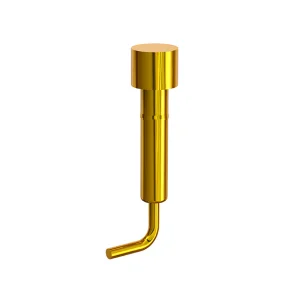
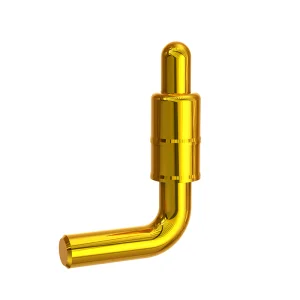
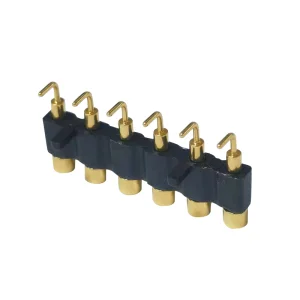
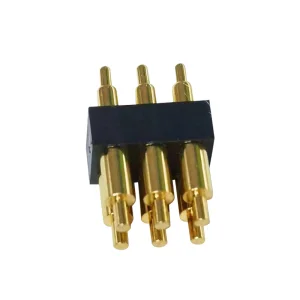
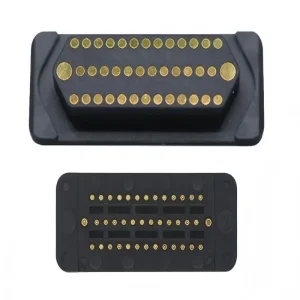
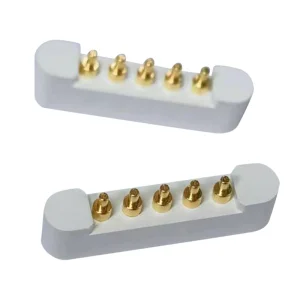
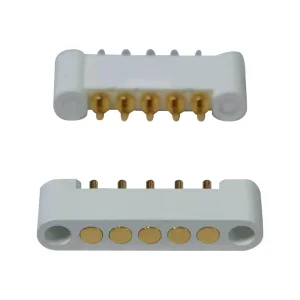
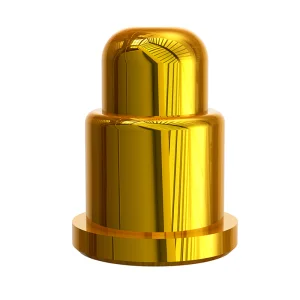
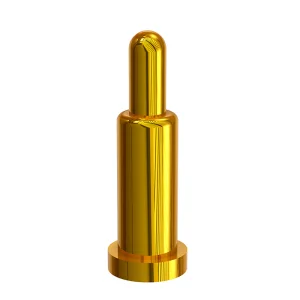
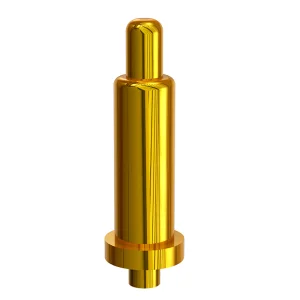
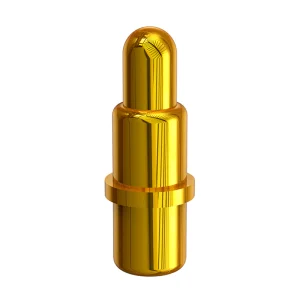
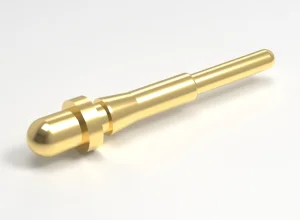
The electronic connector industry is undergoing a structural paradigm shift. As devices shrink in physical dimensions while increasing processing bandwidth and power demands, standard board-to-board connectors are hitting their mechanical limits. This is where OEM Pogo Pins (spring-loaded contacts) step in as the optimal choice. Unlike friction-based pin headers, pogo pins use dynamic internal spring force to establish contact, minimizing mechanical wear, accommodating high tolerance stack-ups, and delivering longevity of over 1,000,000 mating cycles.
Historically, spring-loaded pins were relegated to low-current, low-cycle applications. Modern configurations, however, incorporate advanced internal designs to bypass the high-resistance spring path:
Procuring custom connector interfaces is complex for global supply chain managers and hardware designers. High-volume manufacturing requires consistency, design flexibility, and competitive cost structures. Sourcing teams commonly look for:
Connectors must withstand extreme environments—whether it's sweat corrosion in smart rings, vibration in electric vehicles (EVs), or cleaning cycles in medical machinery. Buyers demand comprehensive testing data, including salt spray tests, thermal cycling, vibration fatigue profiles, and continuous current-carrying capacity charts.
Waiting months for a custom mold is not viable in today's rapid market cycles. Direct access to a manufacturer's CAD team and rapid CNC prototyping is critical to fast-track development and shorten the Time-to-Market (TTM).
Sourcing managers must verify supplier credentials to avoid supply chain disruptions. Top tier-1 brands require ISO9001:2015, RoHS compliance, REACH documentation, and robust quality management systems (QMS) that detect defects inline rather than post-production.
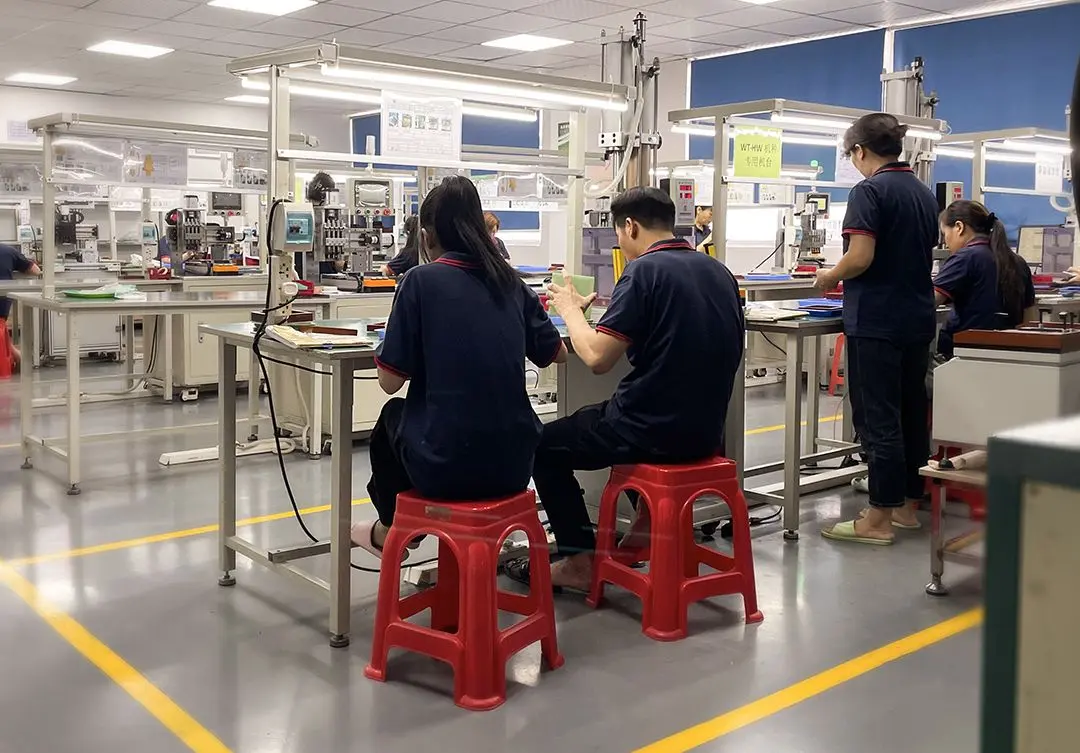
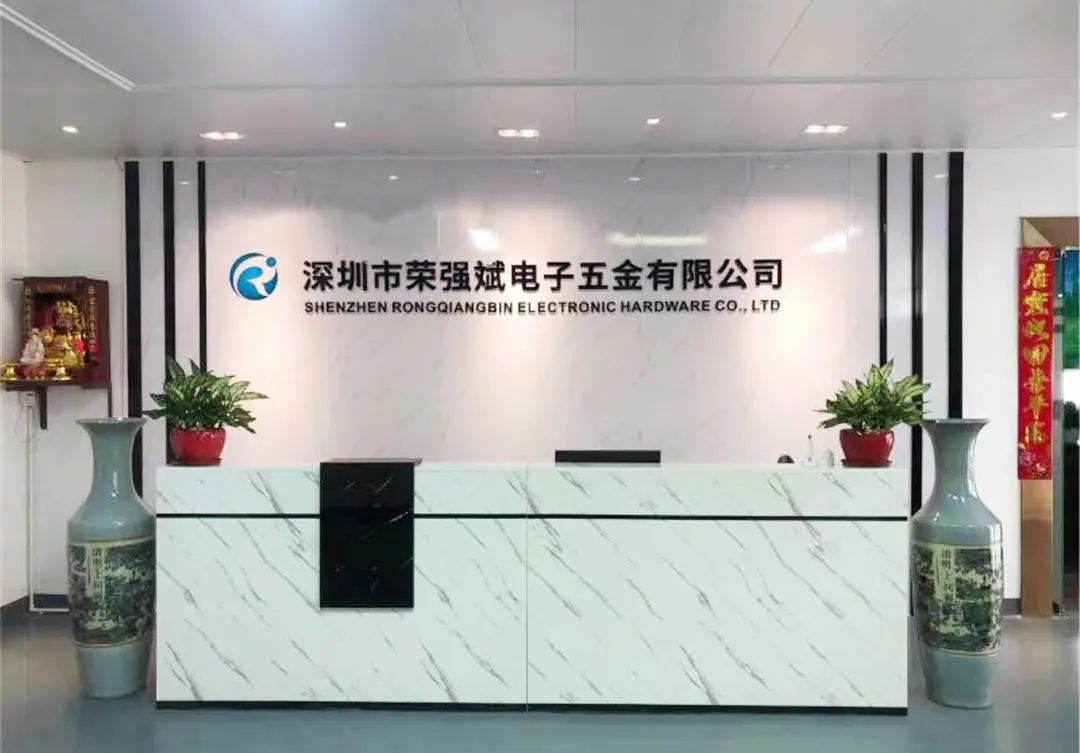
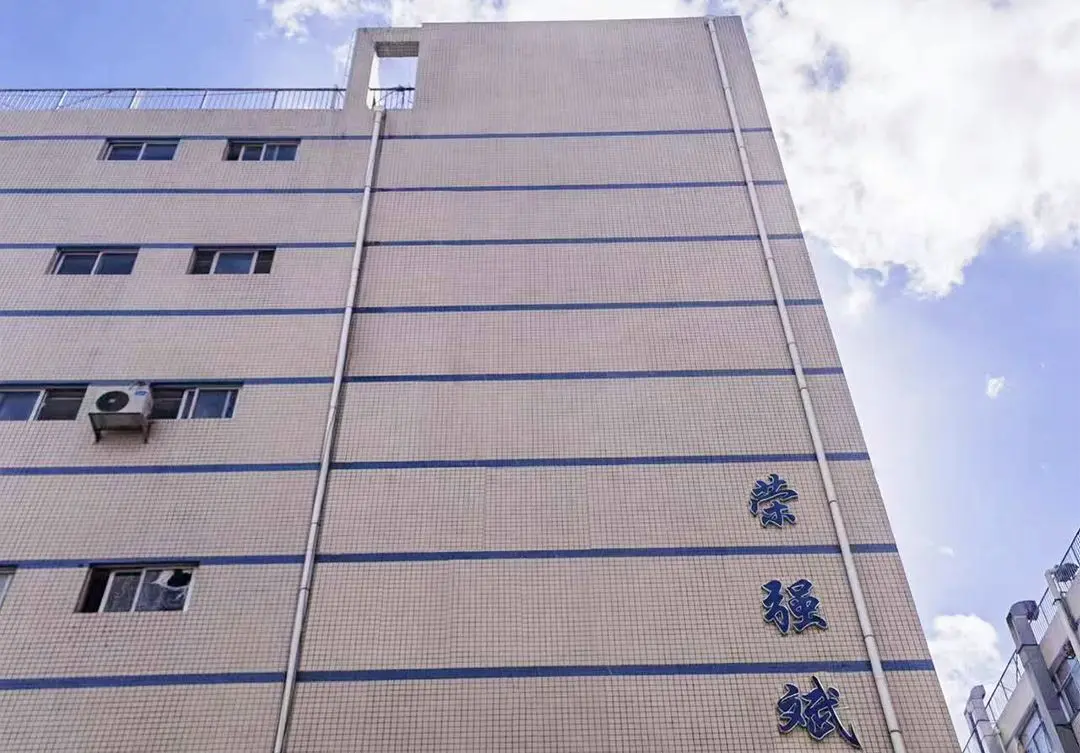
Shenzhen is the global hub for electronic component innovation. Positioned in the core of the Guangdong-Hong Kong-Macao Greater Bay Area, Shenzhen Rongqiangbin (RQB) Electronic Hardware Co., Ltd. leverage an unparalleled ecosystem of high-precision materials, tooling experts, and advanced surface treatment facilities. This close proximity dramatically reduces logistics overhead and production cycles.
Our long-term partnerships with raw material suppliers ensure access to high-grade brass, lead-free copper, beryllium copper, and stainless steel alloys. Our customized surface electroplating processes deliver outstanding performance:
Established in February 2011, Shenzhen Rongqiangbin Electronic Hardware Co., Ltd. (RQB) is an industry leader in high-performance Pogo pin connectors. Located in Shenzhen, the leading city of the Guangdong-Hong Kong-Macao Greater Bay Area, our modern manufacturing site focuses on providing high-precision connectors that meet strict global performance and cost requirements.
"Committed to be excellent POGO PIN manufacturers for both quality and cost at home and abroad, and leading connector technology development."
By balancing cost-efficiency with uncompromising quality standards, we deliver robust solutions that help global brands build reliable electronic hardware.
We believe in a "customer first, integrity first" approach. This focus on reliability has helped us build long-term relationships with global industry leaders, including:
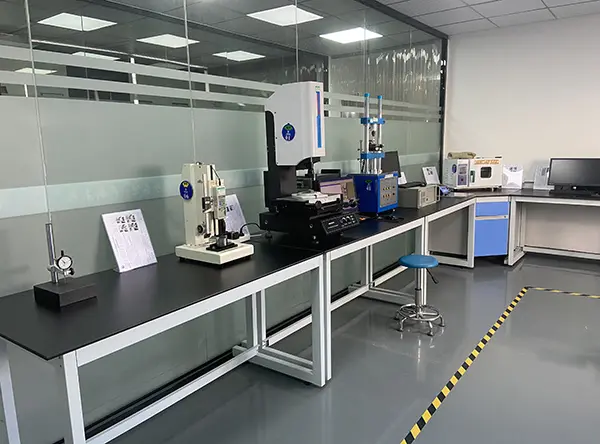
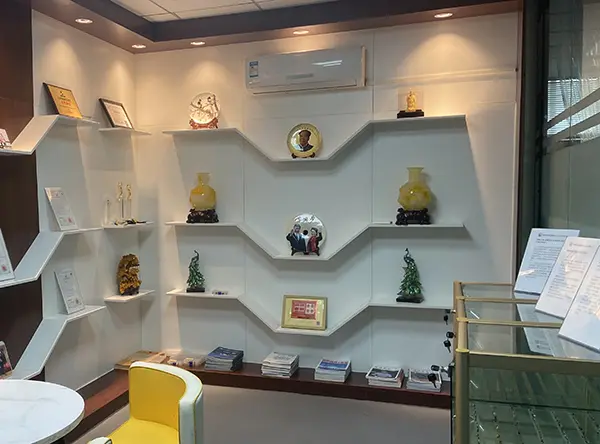
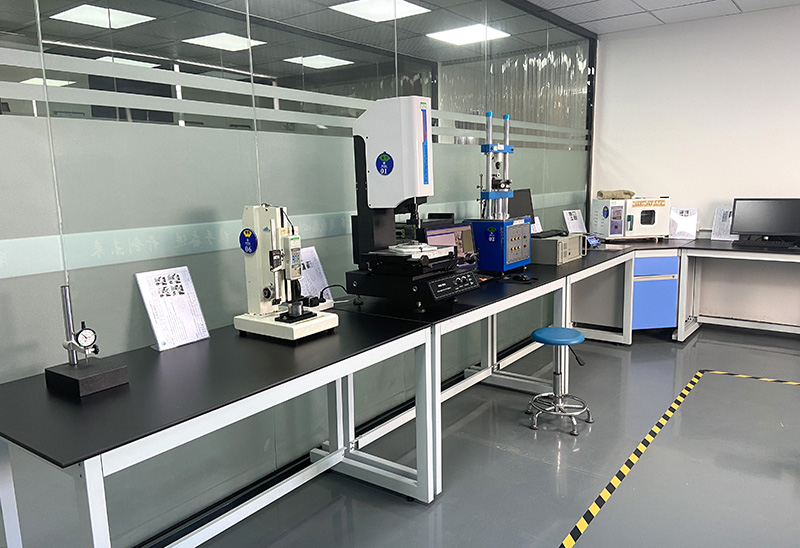

Our customized Pogo pin solutions are designed to address the challenges of modern industrial applications:
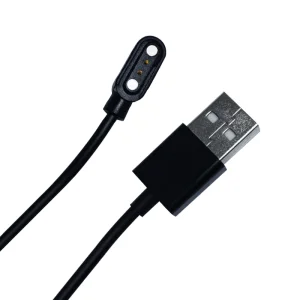
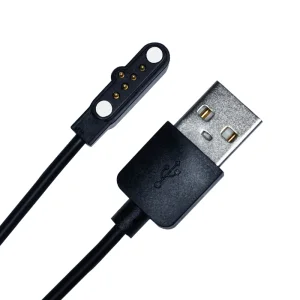
For Bluetooth earbuds, smartwatches, and medical rings, space is highly constrained. Our micro-pogo pins (pitches as small as 0.35mm) feature custom plating that resists sweat corrosion and skin contact reactions, keeping charging connections stable throughout the product's lifespan.
Under-the-hood and battery-management sensors must operate reliably amid constant road vibrations and temperature swings. Our heavy-duty, high-durability pogo connectors maintain electrical contact even in high-vibration automotive environments.
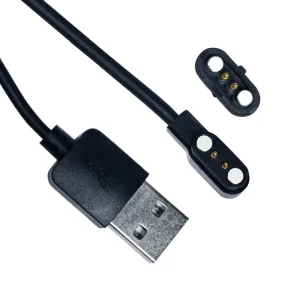
In automation, smart sensors and robotic arms depend on quick, blind-mating power and data links. Magnetic pogo pin connectors enable seamless docking, easy breakaway, and protection against accidental cable tugs, minimizing equipment downtime.
 Rongqiangbin Electronic