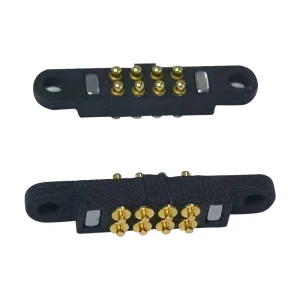
Engineered for high-frequency signal integrity, extreme durability, and vertical space optimization in advanced Japanese automated systems.
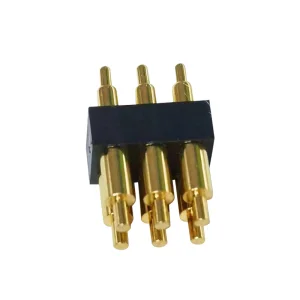
Greater Nagoya, the beating heart of Japan's Chubu region, is globally recognized as an industrial superpower. Dominating over 40% of Japan's automotive manufacturing market share and hosting the world’s leading aerospace clusters, Nagoya is a region where "Monozukuri" (the art of making things) meets high-tech cyber-physical systems. From Toyota City to the aerospace production lines of Toyoyama and the robotics laboratories in Kariya, precision engineering is not just a standard—it is a survival mechanism.
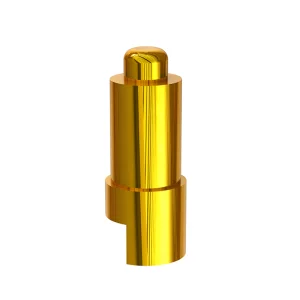
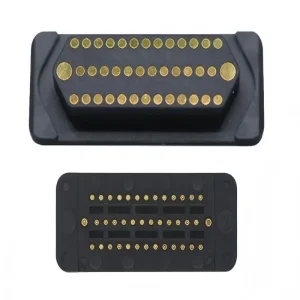
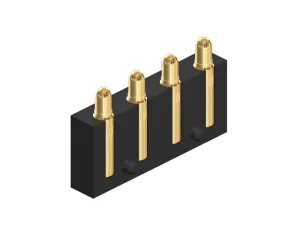
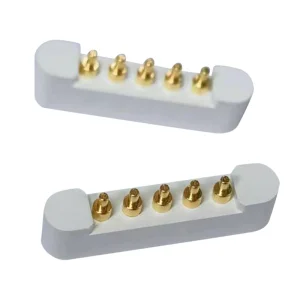
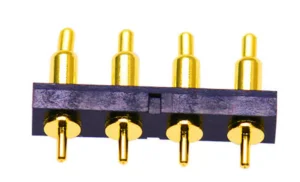
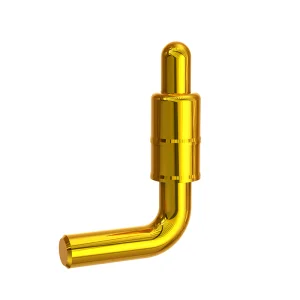
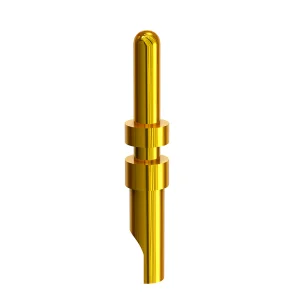
In highly condensed modern electrical architectures, vertical space is extremely limited. Standard straight SMT pogo pins require vertical compression, which forces PCB layouts to expand vertically. Bending-type (right-angle / side-mounted) spring-loaded connectors bypass this mechanical constraint entirely. By introducing custom bending angles on the tail pins or barrels, engineers can mount these pins horizontally. This design provides parallel board-to-board mating, side-charging functionality, and lateral signal transmission. This spatial flexibility is crucial for automotive telemetry sensors, space-constrained robotic joint encoders, and compact consumer wearables.
As the regional industry undergoes a massive transition toward electrification (EVs/HEVs) and Smart Factory Automation (IoT & Industry 4.0), the components inside local hardware must meet strict parameters: low contact resistance, high current capacity, robust vibration survivability, and chemical/thermal resilience. Shenzhen Rongqiangbin Electronic Hardware Co., Ltd. addresses this specific market, supplying Nagoya's supply chain with Tier-1 grade connectors that blend Chinese structural customization speed with strict Japanese quality protocols.
These specialized solutions address high power distribution, ruggedized cable connections, and SMT lines.
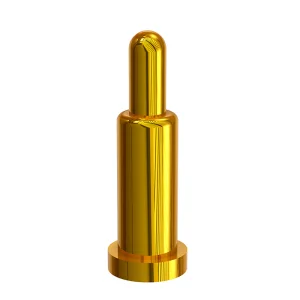
Global procurement teams face a persistent challenge: balancing raw material costs, technical customization speed, and strict defect management. Traditional domestic Japanese connector manufacturers offer high precision but often operate on long lead times (up to 8 to 12 weeks for tooling) and premium pricing structures. This delay makes rapid prototyping difficult in modern R&D cycles.
By partnering with Shenzhen Rongqiangbin Electronic Hardware Co., Ltd., Japanese buyers leverage the unmatched speed of Shenzhen's hardware supply chain:
Years Experience
Global Clients
Patents Held
QC Inspection
Shenzhen Rongqiangbin Electronic Hardware Co., Ltd. is located in Shenzhen, the leading city of Guangdong-Hong-Kong-Macao Greater Bay Area. Our company was founded in February 2011 in Songgang Street, Shenzhen, specializing in the development and manufacturing of high-reliability Pogo Pin connectors. After years of focused development, technological accumulation, and operational persistence, we have grown to become a leader in the precision connector industry.
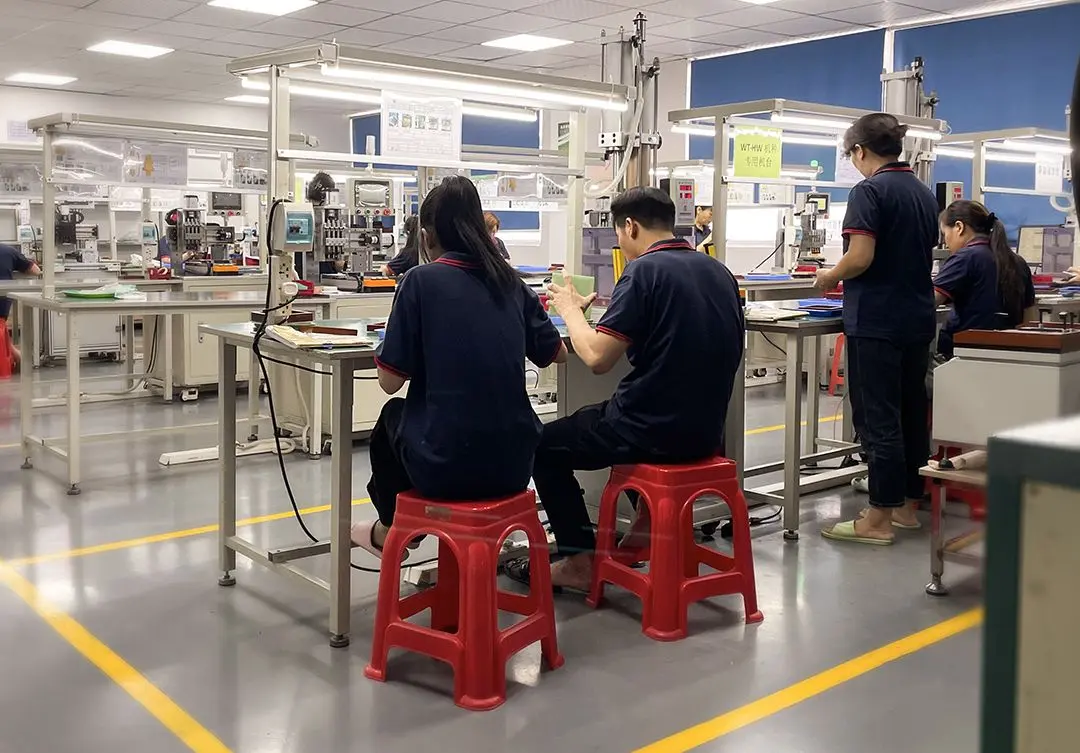
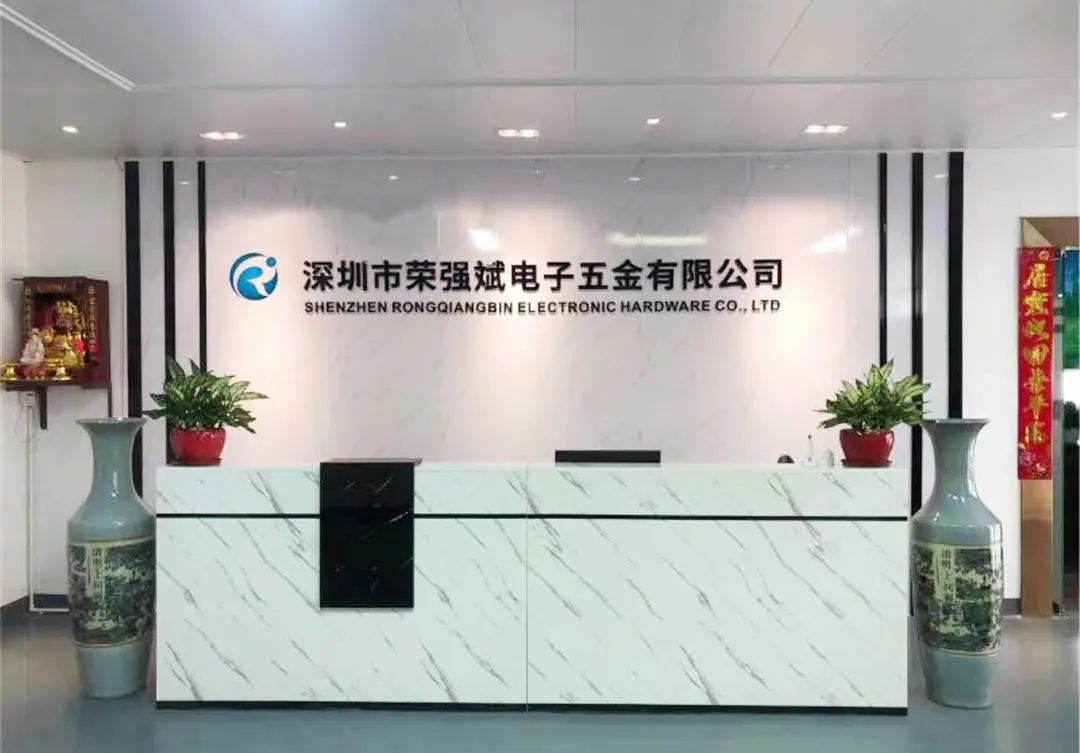
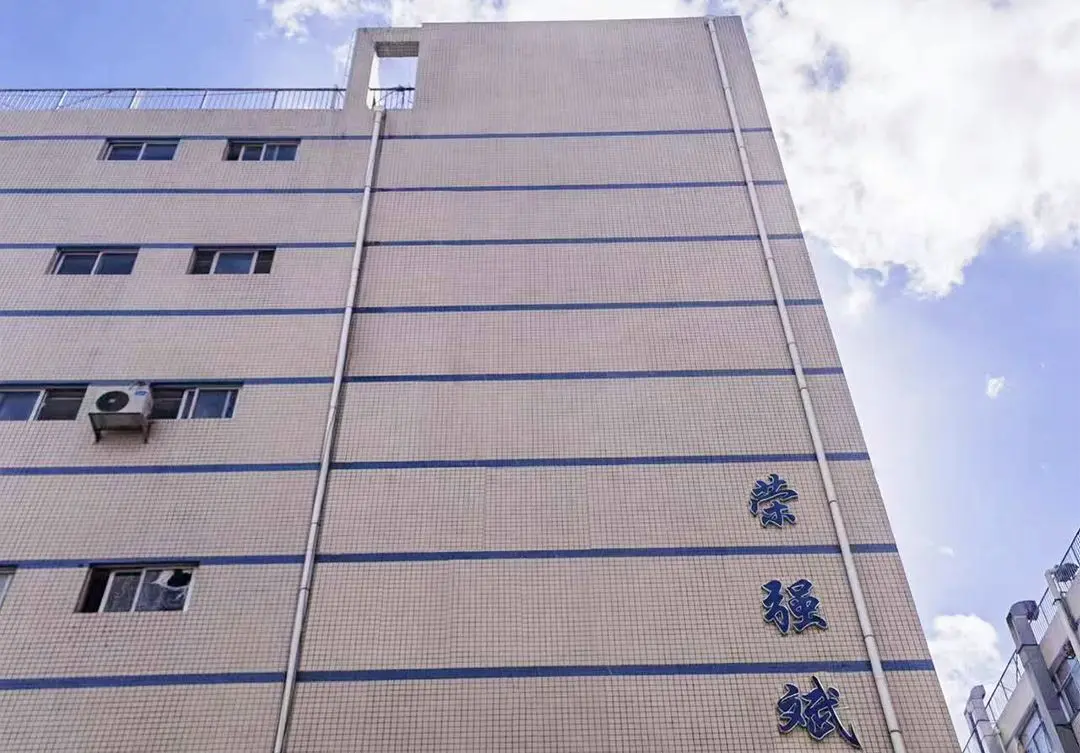
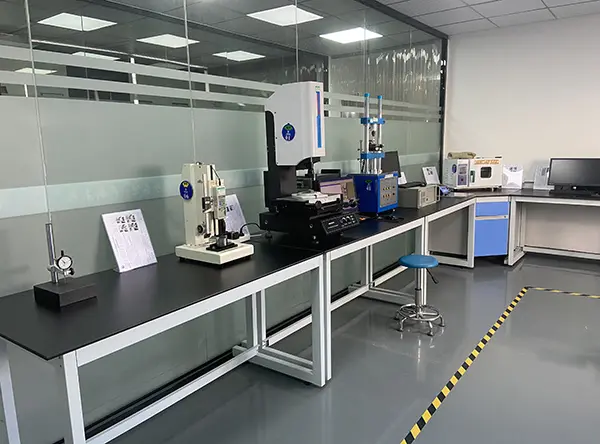
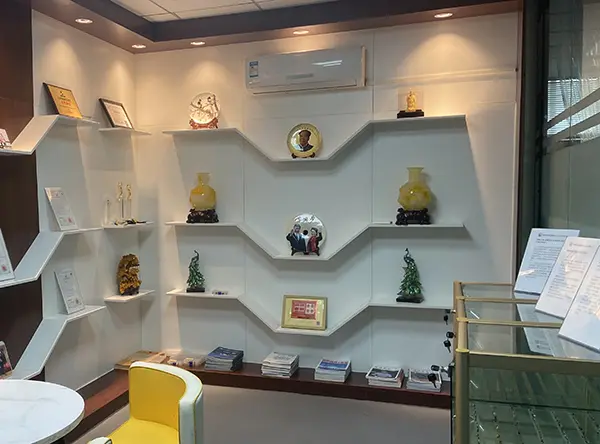
Our Vision: Committed to being an excellent POGO PIN manufacturer worldwide for both quality and cost, and leading connector technology development into new industrial domains.
Guided by our principle of "customer first, integrity first", we maintain a highly specialized, technical production team. This commitment has helped us build long-term, collaborative relationships with major global brands, including:
 RONGQIANGBIN
A broad array of custom-engineered charging connectors, magnetic cables, and SMT/DIP spring probes for global and Japanese distribution.
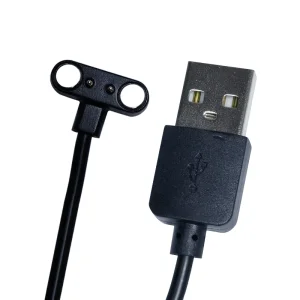
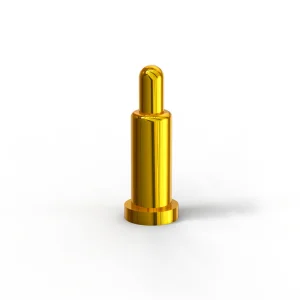
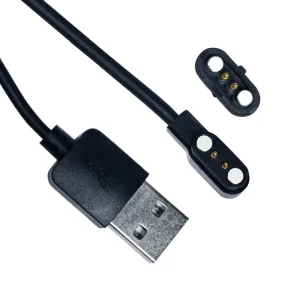
Precision interconnect components must perform reliably across different industries. Below is a detailed look at how right-angle (bending type) pogo pins are integrated into Nagoya's production ecosystems:
As EVs and autonomous driving features become standard, vehicle sensing arrays (LiDAR, Radar) require compact, reliable layouts. Right-angle pogo pins connect coplanar PCBs inside narrow sensor housings. This setup maintains signal continuity under continuous shock and vibration (tested to G-force profiles matching JASO D014-4 standards).
Robot arms and automated guided vehicles (AGVs) in Nagoya assembly lines rely on modular joints. Side-mounted pogo pins provide high-density charging connections when docking. They also transmit encoder signals across rotating interfaces, handling millions of mating cycles with minimal wear.
In the regional aerospace cluster, cockpit avionics and flight-data recorders require high-reliability components. Bending-type spring-loaded pins save valuable space, providing reliable board-to-board links that handle sudden drops in air pressure and temperature fluctuations from -55°C to +125°C.
Our engineering process is optimized to prevent common field failures, such as high resistance, spring fatigue, and electrochemical corrosion:
Expert engineering advice to guide your project specifications, QA approvals, and production timelines.
Submit your mechanical drawings, PCB layouts, electrical specifications, or custom spring force requirements. Our engineering team will review your project and respond within 24 hours.
 Rongqiangbin Electronic