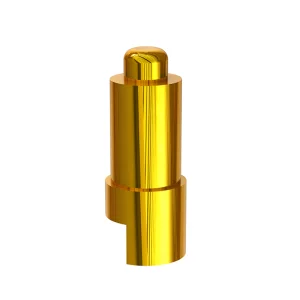
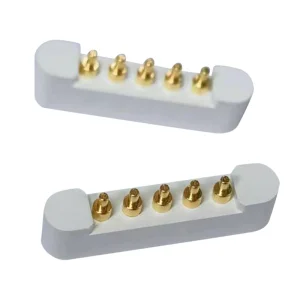
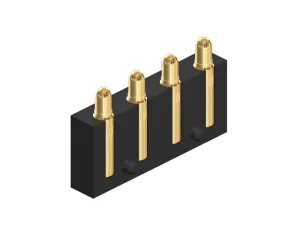
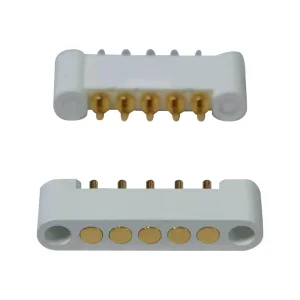
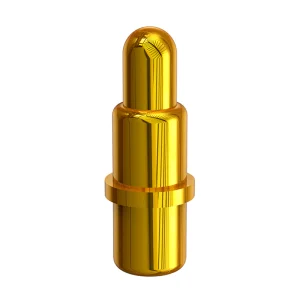
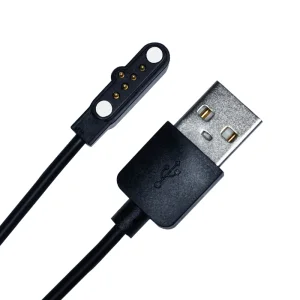
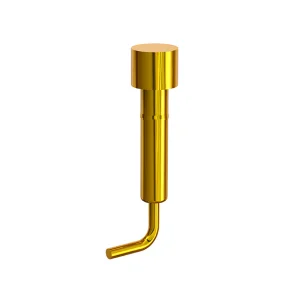
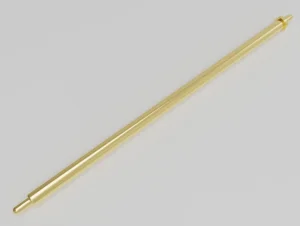
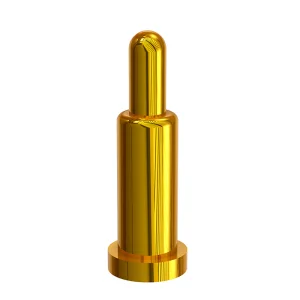
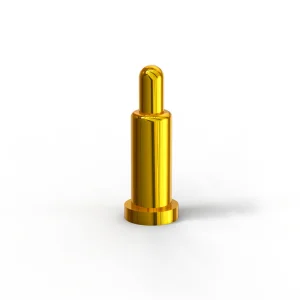
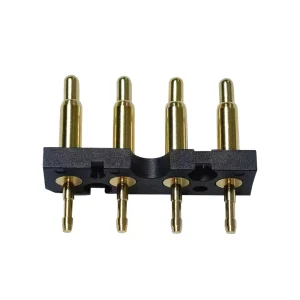
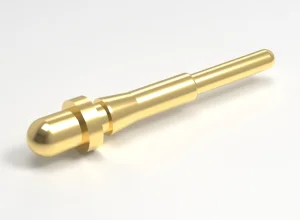
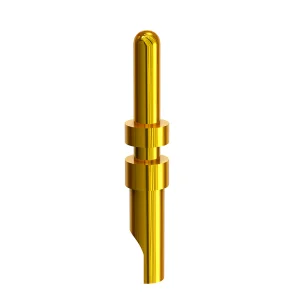
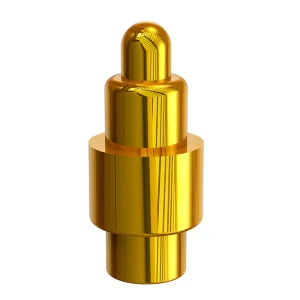
High-precision spring-loaded contact pins designed for micro-pitch electronic connections, dynamic testing, and reliability verification.
Analysis of Japan’s high-precision manufacturing landscape and its requirements for double-headed connector technology.
Japan’s high-tech manufacturing sector—specifically in semiconductor packaging, Automated Test Equipment (ATE), automotive electronics (BMS and ADAS), and advanced robotics—demands exceptionally strict hardware tolerances. "Monozukuri" (Japanese craftsmanship and manufacturing philosophy) is defined by zero-defect requirements and extremely long component lifespans.
Double head type pogo pins, featuring springloaded action on both ends, play a crucial role in these industries. By establishing high-conductivity joints between two parallel boards or substrates without permanent soldering, double-head connectors protect sensitive motherboards while supporting fast, modular maintenance in precision test labs across Tokyo, Kanagawa, Kyoto, and Osaka.
On a global scale, the requirement for high-durability floating connectors is surging. Double head type pogo pins represent the pinnacle of interconnect adaptability. Unlike single-ended pogo pins which are soldered permanently to a PCB, double-headed configurations float between two compression surfaces.
This floating design mitigates mounting tolerances and offsets thermal expansion differences between mating interfaces. As a result, global electronics leaders leverage double-ended systems for high-current EV power pack modules, high-frequency antenna couplers, and coplanar PCB stacking, eliminating the risk of solder joint fatigue.
We serve this global supply chain by bridging advanced manufacturing bases in Shenzhen with strict quality gates in Japan, ensuring seamless delivery of high-reliability interconnect solutions.
A deep dive into materials engineering, contact mechanical profiles, and Japanese application environments.
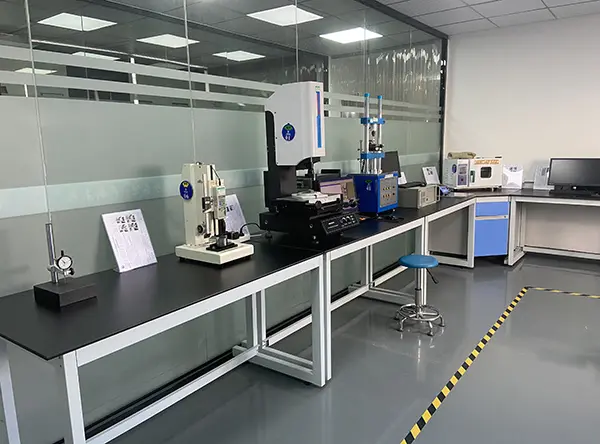
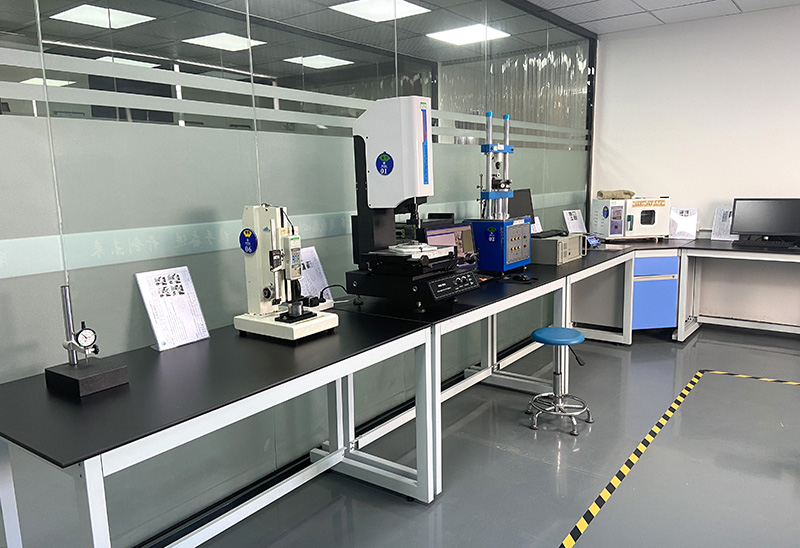
Our quality system aligns with both ISO9001:2015 and Japanese Kaizen expectations. Each batch of double-ended pogo pins is subjected to a strict validation pipeline:
The table below highlights typical technical thresholds optimized for the Japanese industrial market:
| Performance Characteristic | Standard Pogo Pin Specification | Premium Double-Ended Test Grade | Japan Market Application Targets |
|---|---|---|---|
| Contact Resistance (Initial) | < 50 mΩ | < 20 mΩ | High-frequency IC probe cards, RF testing |
| Max Continuous Current | 2.0 A | 10 A - 30 A (Custom) | NEV Charging, Power management units |
| Rated Mechanical Durability | 50,000 Cycles | 500,000 - 1,000,000 Cycles | Automated manufacturing test lines (ATE) |
| Working Spring Force | 60g - 120g | Customizable (30g - 250g) | Delicate BGA packaging, micro-components |
| Recommended Plating | 3u" Au over 50u" Ni | 10u"-30u" Au over Pd-Co barrier | Corrosive chemical environments, heavy wear |
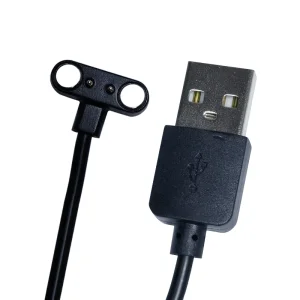
Select from our certified spring-loaded contact pins, high-current connectors, and custom magnetic adapter cables.
Anticipating requirements for high frequency, high density, and extreme temperature operations.
Standard brass components struggle under the high insertion rates required by Japanese semiconductor test chambers. To meet these demands, we use beryllium-copper (BeCu) alloy plungers, heat-treated to over 380 HV hardness. The spring inside is made from high-tensile stainless steel (SUS304/SUS302) or music wire coated with gold to prevent electrical deterioration.
For high-frequency applications, we apply a sub-micron barrier layer of palladium-cobalt (Pd-Co) or palladium-nickel (Pd-Ni) prior to gold plating. This stops copper atoms from diffusing into the gold layer at high temperatures, keeping the connection stable below 20 milliohms over 1,000,000 cycles.
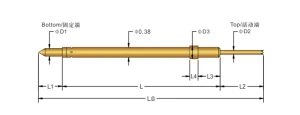
As micro-controller units (MCUs) and System-on-Chip (SoC) architectures move to sub-3nm nodes, LGA and BGA array pitches are shrinking. Our research focuses on producing micro double-head pogo pins with outer diameters down to 0.15mm and working strokes of 0.3mm.
Using advanced CNC lathe machines imported from Switzerland, we hold dimensional tolerances to ±0.005mm. This enables Japanese testing facilities to inspect dense mobile processors, solid-state sensors, and satellite high-frequency modules with minimal footprint and maximum accuracy.
Ensuring environmental responsibility, supply chain transparency, and quick response times for Japanese partners.
We comply fully with RoHS 2.0 (Directive 2011/65/EU) and REACH (EC 1907/2006). Materials are certified lead-free and halogen-free to meet Japanese environmental procurement guidelines.
We provide comprehensive design support within 24 hours. Our engineers offer complete CAD models, mechanical drawings, and finite element analysis (FEA) reports to align with your design schedules.
From spring force adjustments to customized barrel lengths, we accommodate small-batch high-mix (JIT) production profiles typical of Tokyo and Osaka technology startups.
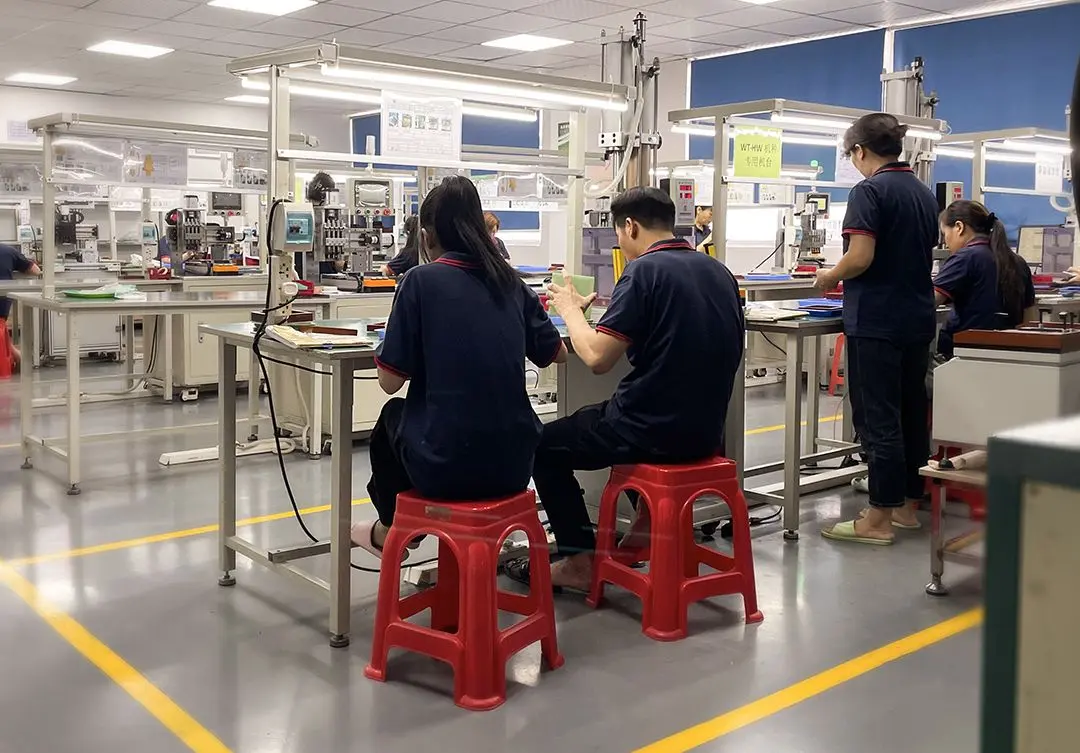
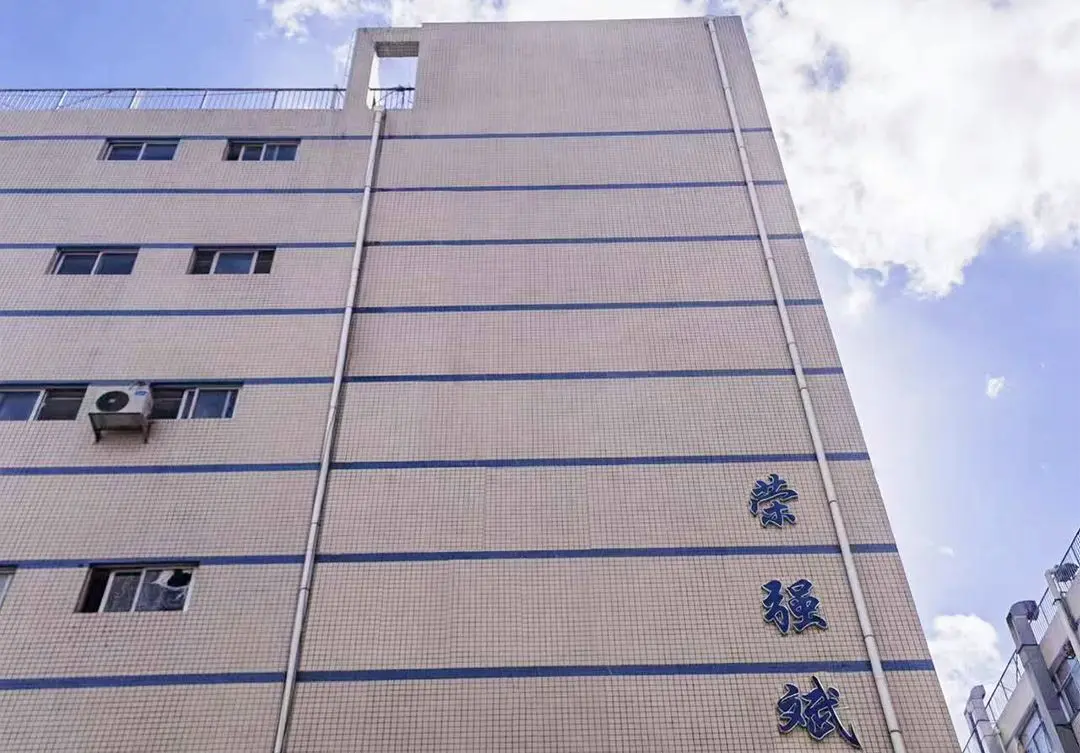
Shenzhen Rongqiangbin Electronic Hardware Co., Ltd. is located in Shenzhen, the leading city of Guangdong-Hong Kong-Macao Greater Bay Area. Our company was founded in February 2011 in Songgang Street, Shenzhen, specializing in the development and manufacturing of Pogopin connector; After years of efforts and sedimentation, the company gradually became a leader in the industry.
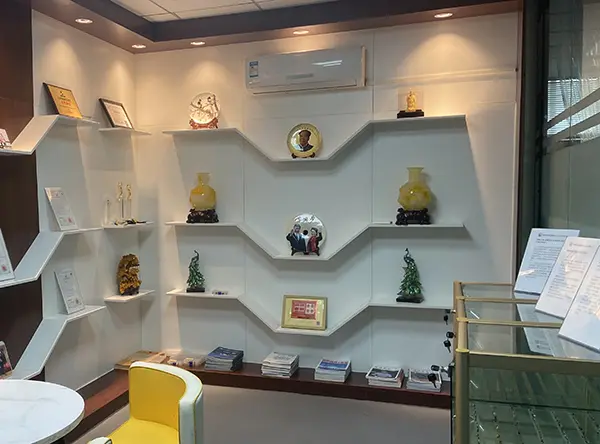
Our company’s spirit of "customer first, integrity first" principle, has a strong POGO PIN industry technology production team, and a number of enterprises to establish a long-term cooperative relationship. Our company has obtained ISO9001:2015 version of the international authoritative quality management system certification, has a strong quality management team and environmental management system, to provide customers with all kinds of high quality and environmental protection requirements of the products.
The main customers are Honeywell, Samsung, SIEMENS AG, ZTE, 360, QCY, HAYLOU, Shanghai Laimu, Luxshare Group, Aoni Electronics, Amphenol Group and other well-known enterprises.

Common engineering questions regarding double-ended pogo pins answered by RQB's senior laboratory directors.
Double-head pogo pins feature independent spring-loaded plungers on both ends. This design allows the connector to float between two parallel surfaces (such as board-to-board interfaces) without permanent soldering. This simplifies modular maintenance, compensates for assembly tolerances, and eliminates solder joint failures caused by vibration or thermal expansion.
We use high-purity beryllium-copper (BeCu) base materials for our plungers, combined with customized gold plating (up to 30u") over a nickel or palladium-cobalt diffusion barrier. This combination maintains a clean contact interface and limits contact resistance (R_c) to under 20mΩ, even after 500,000 compressions.
Yes. By optimizing the pin profile, minimizing internal inductance, and using low-dielectric housing materials (such as LCP or PEEK), our double-ended high-frequency testing pins support signal bandwidths up to 40 GHz with minimal insertion and return loss.
We provide initial 2D/3D CAD layouts within 24 hours. Once drawing approval is complete, fast prototype tooling takes 7 to 10 working days, and mass production delivery to Japan (Tokyo, Yokohama, Osaka) takes 2 to 3 weeks via major international express carriers.
Yes, all components are fully compliant with RoHS and REACH regulations. We implement strict quality control procedures in line with ISO9001:2015, ensuring our products meet the high standards expected by Japanese automotive, medical, and semiconductor customers.
Need customized double-head connectors or specialized spring-loaded pin specifications for your new projects in Japan? Speak to our engineering team today.
Send Inquiry Now Rongqiangbin Electronic