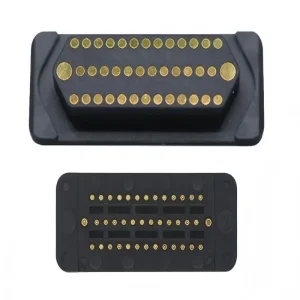
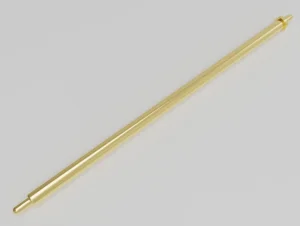
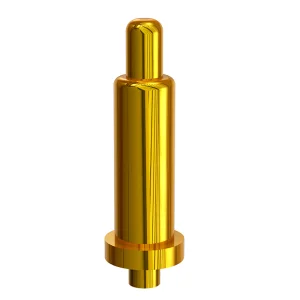
Engineered to deliver unmatched signal integrity, low insertion loss, and consistent impedance matching for modern RF and microwave characterization.
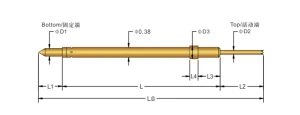
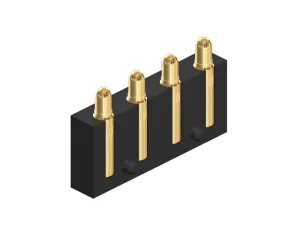
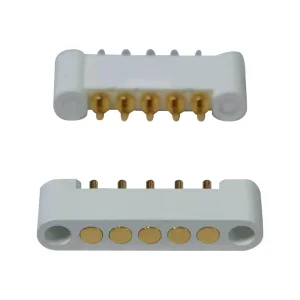
As the semiconductor backend assembly and test (OSAT) industry continues to serve as a vital pillar of the Philippine economy, the demand for precision electronic test interfaces has intensified. Modern semiconductor nodes operating in RF (Radio Frequency), 5G NR (New Radio), radar systems, and high-speed data communications require test needles that can guarantee minimal signal degradation. High-frequency testing needles—commonly referred to as RF coaxial probes or high-speed pogo pins—serve as the critical physical bridge between the test head and the device under test (DUT).
In the Philippines' major manufacturing clusters—specifically within the Cavite Economic Zone, Laguna Technopark, and Clark Freeport Zone—test engineers continuously encounter difficulties related to high loop inductance, insertion loss (S21), and return loss (S11) during high-speed wafer sorting and package testing. A difference of even 0.1 mm in pin length or an unexpected micro-variance in spring tension can lead to false failures, causing drops in yield and loss of valuable production time.
"With higher data transmission speeds, test interfaces must behave like continuous waveguides. Controlling characteristic impedance (typically matched to 50 ohms) is no longer optional—it is a critical requirement to prevent signal reflections."
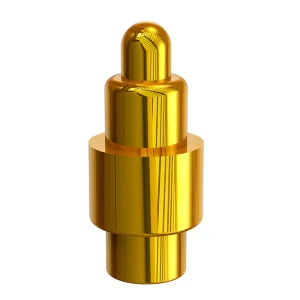
To support these strict tolerances, Shenzhen Rongqiangbin Electronic Hardware Co., Ltd. supplies high-performance high-frequency test needles, custom RF sockets, and specialized pogopin connectors. By implementing advanced impedance control structures and high-durability gold alloy plating, our probes ensure stable contacts across millions of test cycles under extreme thermal and mechanical stresses.
At high operating frequencies, high-frequency test needles cease to behave as simple DC paths. Instead, they act as transmission lines. Our engineering department prioritizes three major criteria during the design phase: material composition, surface topology, and structural design.
Our probe plungers are manufactured using Beryllium Copper (BeCu) or Palladium alloy (Pd), heat-treated to achieve exceptional hardness (typically > 380 HV). This prevents physical deformation when making contact with oxidized solder balls or pads. The spring inside is made of stainless steel or music wire with high tensile strength, protected by a gold plating barrier to minimize high-frequency skin effect losses and prevent internal corrosion.
| Specification Parameter | Standard Pogo Pin Probe | Coaxial High-Frequency Probe | Philippines Assembly App |
|---|---|---|---|
| Operating Frequency | DC to 3 GHz | Up to 40 GHz | RF Frontend & Baseband ICs |
| Contact Resistance | < 50 mΩ | < 20 mΩ (Highly Stable) | Automotive Electronics & Sensors |
| Plating Layers | Gold (Au) over Nickel (Ni) | Heavy Gold (0.5µm+ Au) / Palladium-Alloy | High-humidity factory floors |
| Expected Mechanical Life | 100,000 cycles | Over 500,000 cycles | Mass Production ATE (Auto Test Equip) |
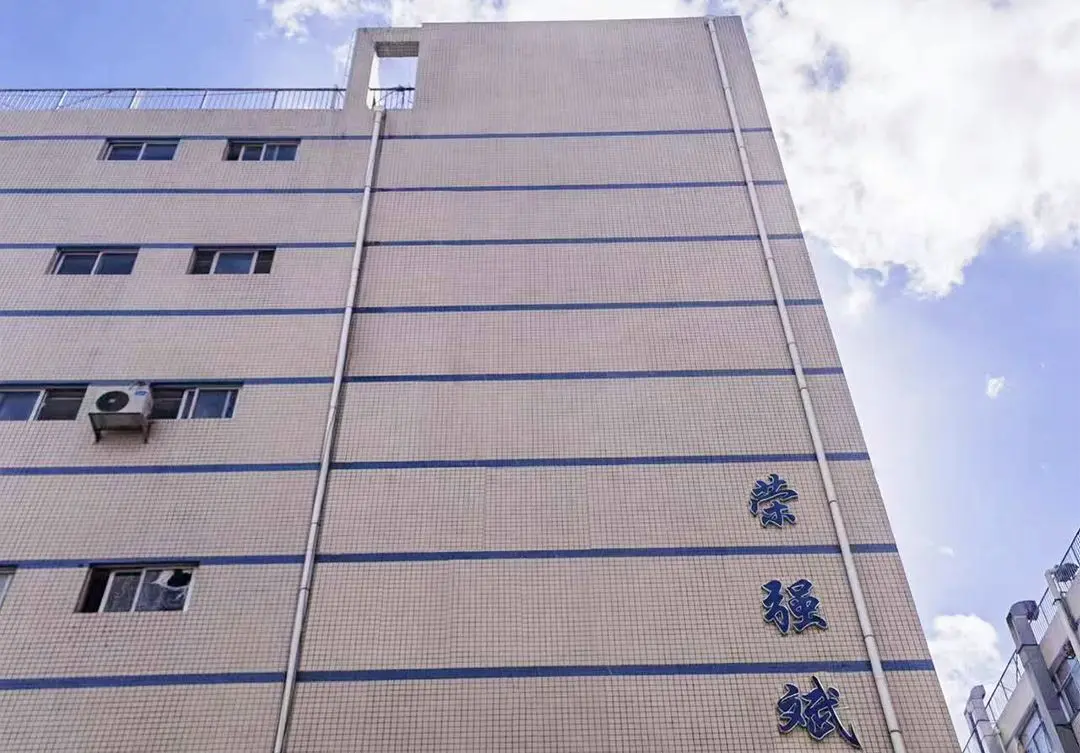
Established in February 2011 in Songgang Street, Shenzhen, within the highly integrated Guangdong-Hong Kong-Macao Greater Bay Area, our company has grown to become a leading manufacturer in the connector industry. Specializing in the research, development, and manufacturing of high-quality pogopin connectors, high-frequency test probes, and magnetic interface solutions, we operate with a client-first philosophy.
We are certified under the ISO9001:2015 version of the international quality management system, maintaining a robust quality assurance team and strict environmental protocols to satisfy demanding environmental standards.
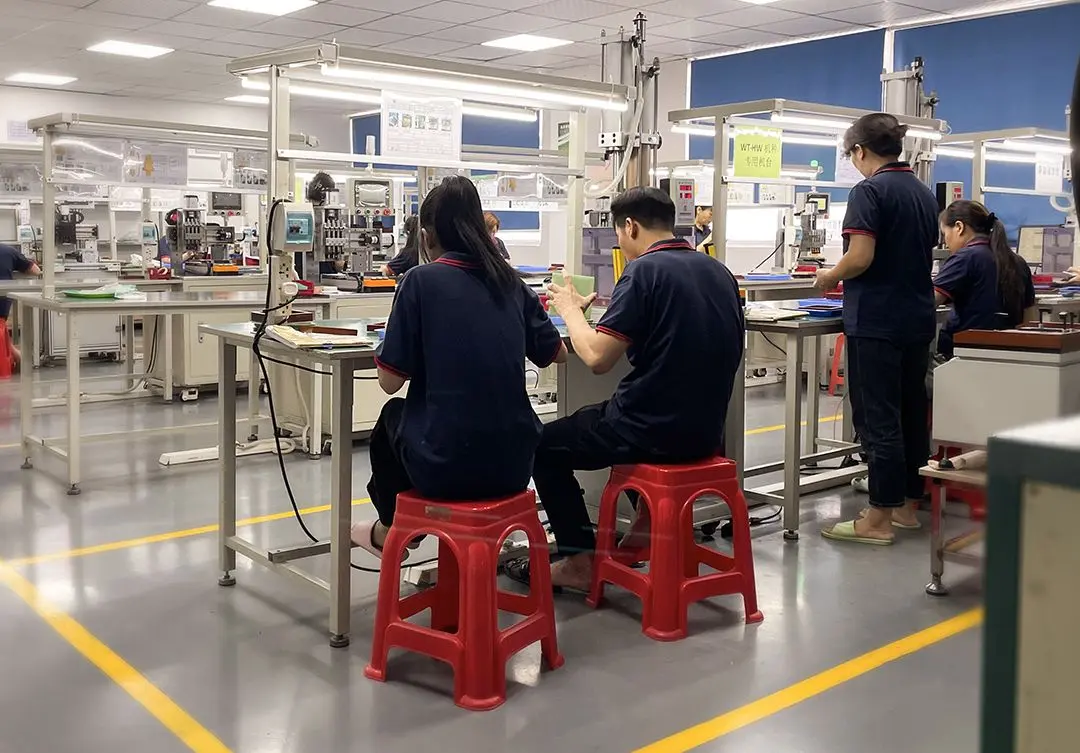
Our manufacturing facilities are equipped with precision testing tools, automatic lathes, and dynamic simulation systems to verify spring force, contact resistance, and RF characteristics before shipment.
Explore our industrial-grade components designed to meet demanding mechanical and environmental requirements in the Philippines and global markets.
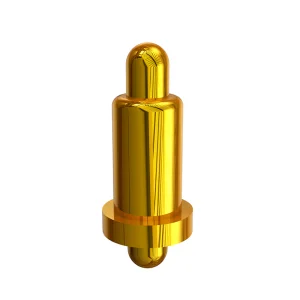
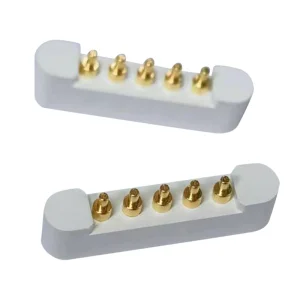
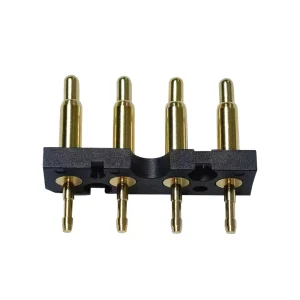
The global semiconductor testing industry is transitioning toward ultra-fine pitch (sub-0.2mm) configurations, higher current carrying capacities, and extremely high frequencies. As RF transceivers, IoT chips, and autonomous ADAS radars expand in complexity, test probes must adapt to provide minimal inductance. Standard spring pins, while reliable for low-speed DC signals, cannot perform adequately above 10 GHz due to parasitic self-inductance.
Rongqiangbin addresses this technical shift by engineering coaxial high-frequency probes. These probes utilize a dual-structure arrangement, separating the inner signal path from the outer shield with a dedicated dielectric spacer. This design maintains a controlled impedance, preserving signal integrity even at extreme high-frequency limits.
For the local Philippine market, working with a factory in Shenzhen provides significant logistical and operational advantages. Thanks to the geographic proximity and the ASEAN-China Free Trade Agreements, local OSAT facilities can secure custom probe design, rapid prototyping, and high-volume delivery with shorter lead times compared to North American or European suppliers.
Comprehensive technical and commercial answers for semiconductor engineers and supply chain managers in the Philippines.
Connect with our technical application support team today. Request custom CAD drawings, mechanical specification sheets, or commercial quotes tailored for your assembly requirements in the Philippines.
Send Inquiry Now Rongqiangbin Electronic