Explore our premium high-durability contact solutions. Built to optimize conductivity and mechanical wear in rigorous production lines.
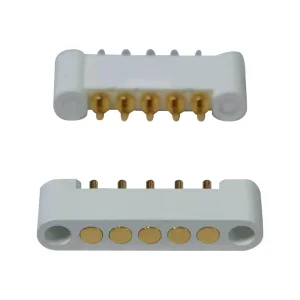
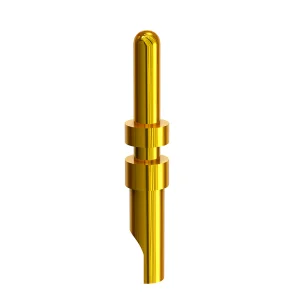
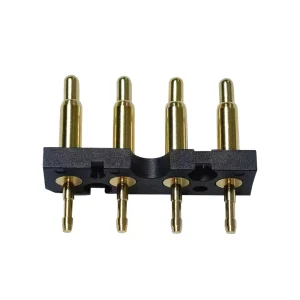
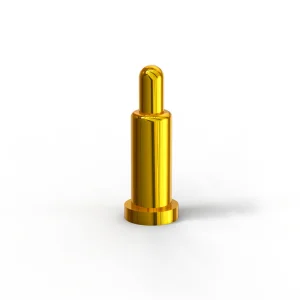
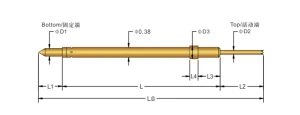
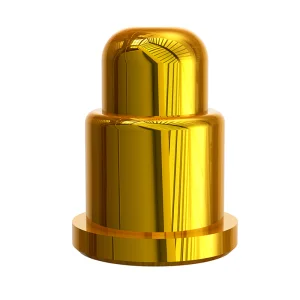
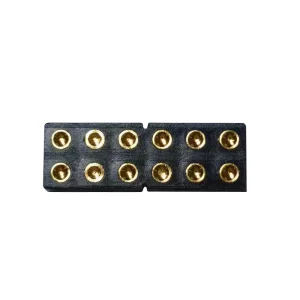
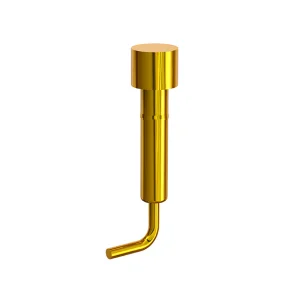
In modern electronic manufacturing, the integrity of a printed circuit board assembly (PCBA) relies heavily on rigorous screening methods. Among these, In-Circuit Testing (ICT) is the standard for detecting manufacturing faults, component values, and electrical discontinuities. The critical interface between the test fixture and the board under test is the spring-loaded test probe, commonly referred to as the pogo pin.
Historically, purchasing departments evaluated pogo pins solely on unit costs. However, in automated, high-velocity production lines, a single probe failure can halt the entire testing station, resulting in costly downtime and false failures. Today’s procurement teams recognize that sourcing cost-effective (or "cheap") ICT pogo pins requires evaluating the overall lifecycle value. An optimized pogo pin must balance material costs, contact resistance stability, and electrical performance over hundreds of thousands of cycles.
Strategic Insight: "Cheap" in the industrial connector supply chain should not mean compromised materials. Instead, it refers to structural cost efficiency achieved through advanced automation, localized raw material sourcing, and low defect rates (DPMO).
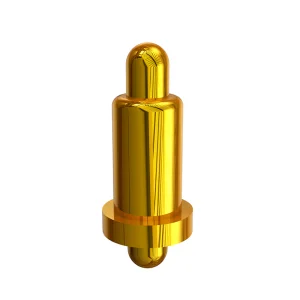
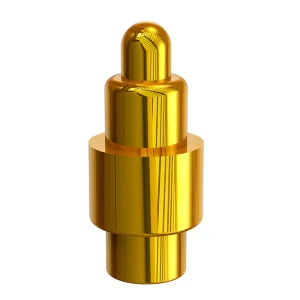
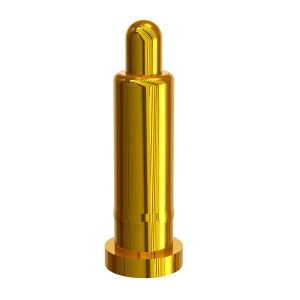
An ICT pogo pin consists of three primary mechanical components: the plunger, the barrel, and the internal spring. Each component requires specific metallurgy to achieve the desired mechanical and electrical performance:
| Probe Parameter | Standard Specification | High-Precision Specification | Impact on Testing Quality |
|---|---|---|---|
| Contact Resistance | < 50 mΩ | < 20 mΩ | Reduces measurement errors in analog circuit verification. |
| Spring Force (at travel) | 1.5 oz - 2.5 oz | 3.0 oz - 4.5 oz | Ensures reliable contact through thick oxide layers and contaminants. |
| Plating Composition | 3µ" - 10µ" Gold over Nickel | 20µ" - 30µ" Gold over Nickel | Prevents fretting corrosion and micro-arcing over extended cycles. |
| Mechanical Lifespan | 100,000 cycles | 1,000,000+ cycles | Reduces fixture maintenance intervals and downtime. |
Gold (Au) remains the preferred plating material for high-performance pogo pins due to its excellent electrical conductivity and resistance to oxidation. During high-volume testing, pogo pins undergo thousands of compression cycles, which generates frictional heat. This heat can lead to micro-arcing at the contact point. Without adequate gold plating thickness, base metals can oxidize, causing contact resistance to spike and leading to false failures on the test line. Sourcing cost-effective pogo pins requires factories to optimize plating thickness to meet the required cycle life without unnecessary material costs.
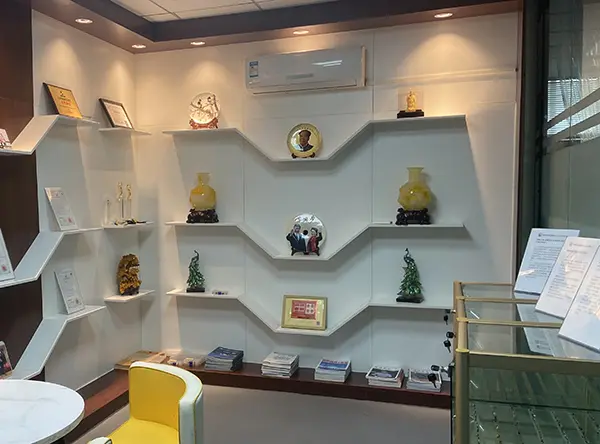
Founded in February 2011 and located in Songgang Street, Shenzhen—the heart of the Guangdong-Hong Kong-Macao Greater Bay Area—Shenzhen Rongqiangbin Electronic Hardware Co., Ltd. has established itself as an industry-leading manufacturer of high-precision pogo pin connectors.
Over the last decade, we have built a fully integrated manufacturing facility that bridges the gap between cost efficiency and high quality. By controlling the entire production process—from raw material testing and automated turning to precision electroplating and assembly—we deliver cost-effective pogo pins without compromising on technical reliability.
Our spirit of "customer first, integrity first" guide our efforts to establish long-term, mutually beneficial partnerships with electronic manufacturers and test fixture fabricators worldwide.
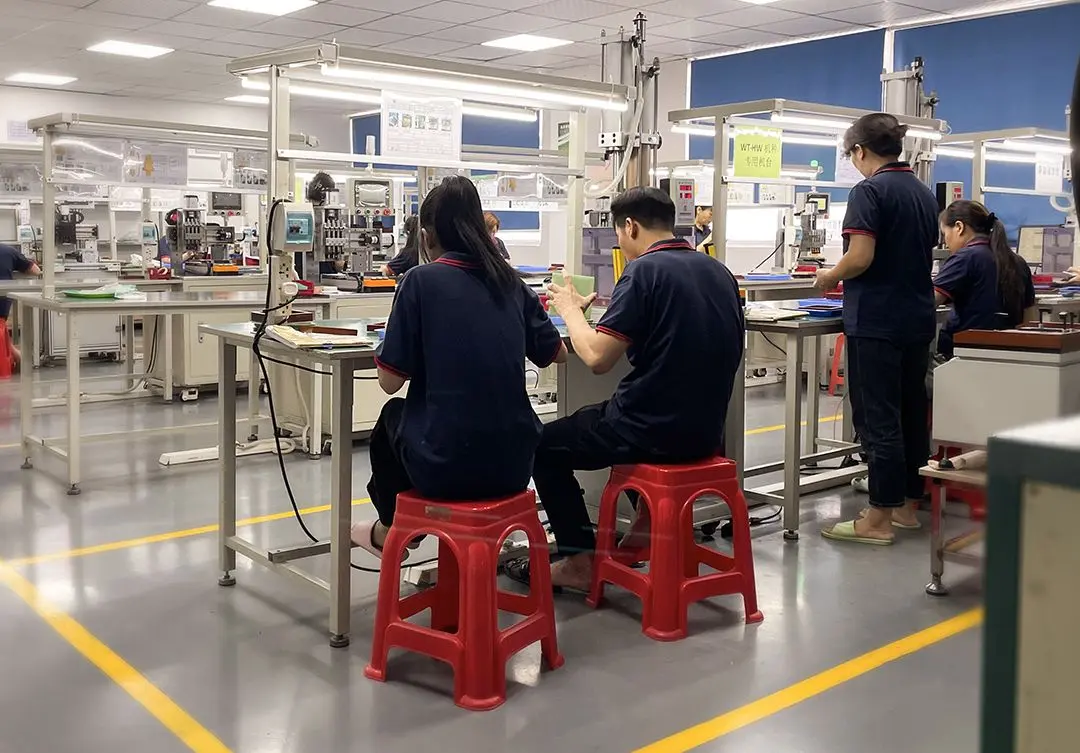
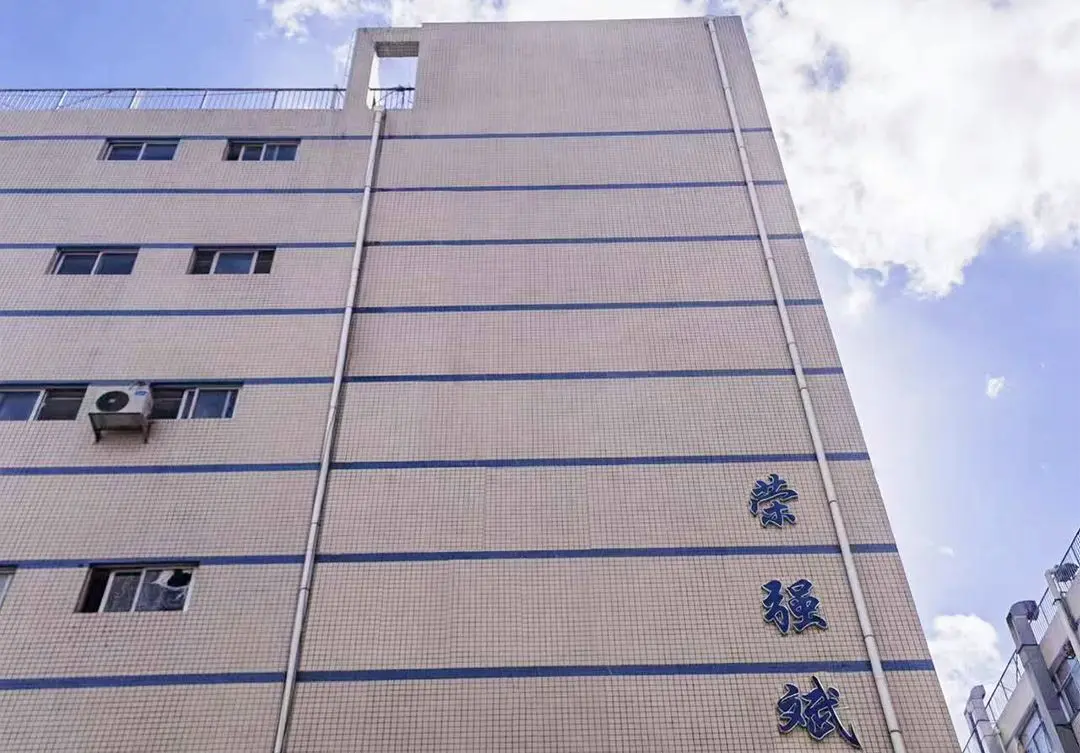
We combine advanced engineering capabilities with a lean manufacturing model to deliver reliable, cost-effective testing solutions.
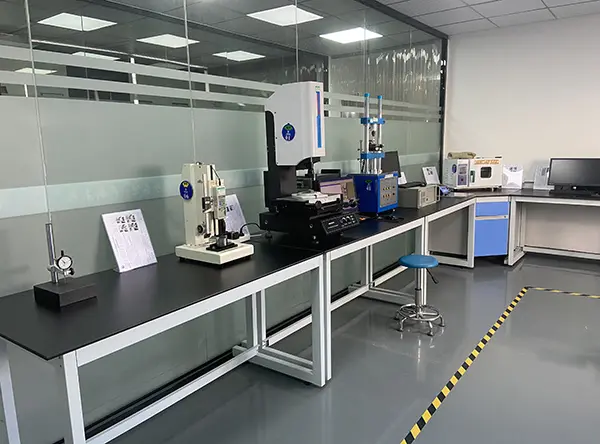
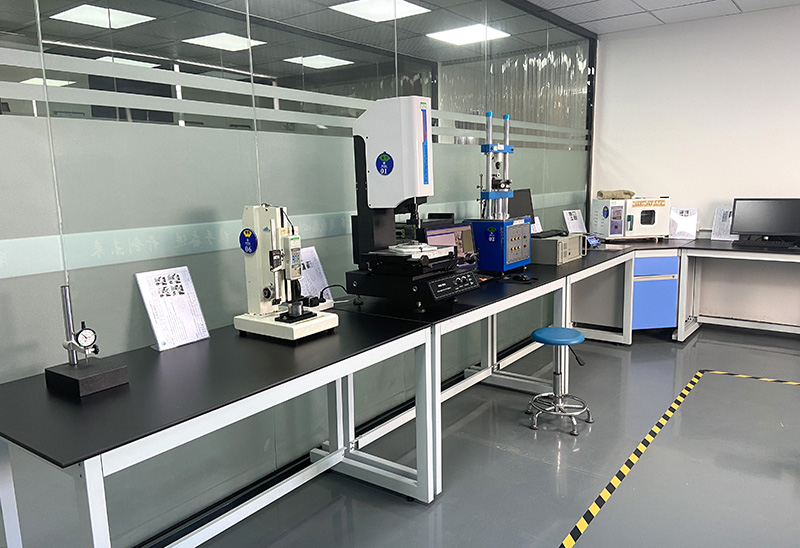
Our operations are certified to the ISO9001:2015 international quality standard. We use advanced inspection equipment, including X-ray fluorescence plating thickness analyzers, mechanical force-stroke testers, and micro-ohm resistance meters.
Every production batch undergoes strict quality control checks throughout assembly and before shipping. Our optical inspection sorting machines filter out dimensional defects to ensure a low defect rate.
With our automated assembly lines and in-house CNC turning facility, we maintain lead times of 3 to 7 days for standard products. Our production capacity allows us to offer competitive pricing on bulk orders.
Our engineering team designs custom pogo pin configurations, pitches, and spring forces. We provide technical drawings and samples within 48 hours to streamline the design-in process for test engineers.
As electronic manufacturing services (EMS) companies handle higher product mixes and shorter cycles, the sourcing strategy for testing consumables has shifted. Sourcing agents prioritize suppliers that offer a balance of price, performance, and reliability. This is particularly important for high-volume consumer electronics, automotive ECUs, and smart medical devices.
Three main trends drive the selection of ICT pogo pins globally:
To reduce testing costs while maintaining performance, engineering and purchasing departments can follow this selection process:
Shenzhen Rongqiangbin delivers high-precision connect solutions to tier-1 OEMs and electronics manufacturers worldwide.
“Committed to being an excellent global POGO PIN manufacturer for both quality and cost, and leading connector technology development.”

As electronic packages transition to system-in-package (SiP), stacked micro-vias, and high-frequency IoT architectures, the testing industry faces new challenges. Traditional pogo pin manufacturing is evolving to support these complex technologies. Key areas of development include:
Get answers to common technical and procurement questions about ICT pogo pins and custom contact solutions.
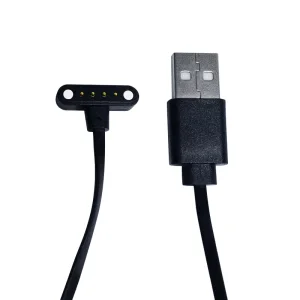
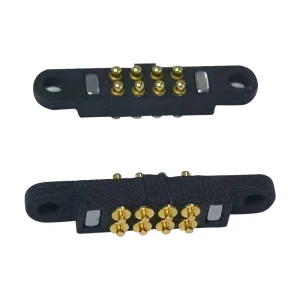
Explore our catalog of spring-loaded interfaces, custom sockets, and magnetic charging assemblies designed for modern product integration.
 Rongqiangbin Electronic