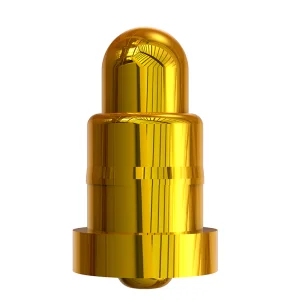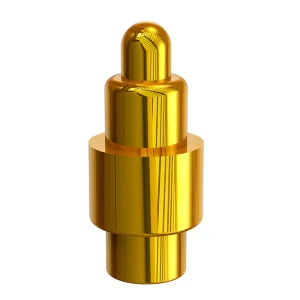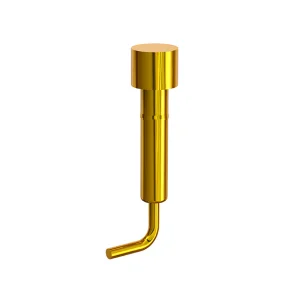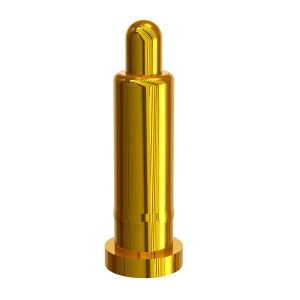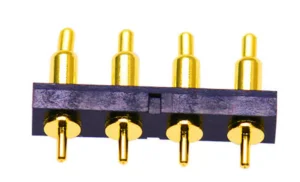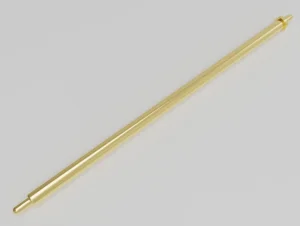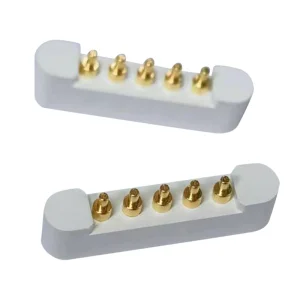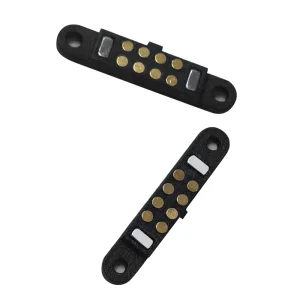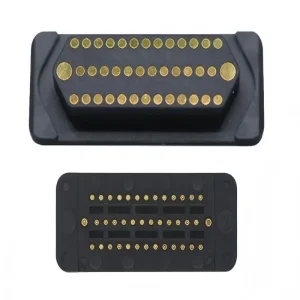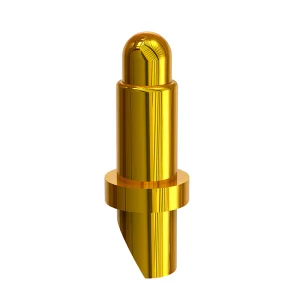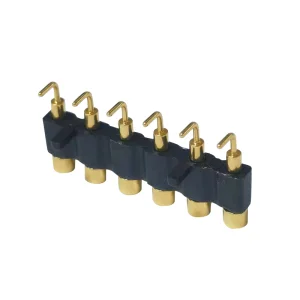
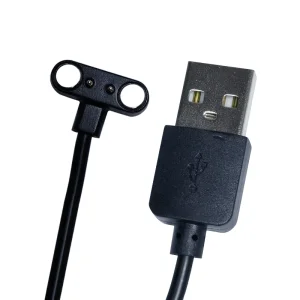
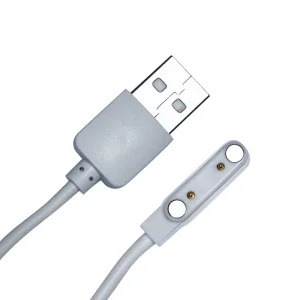
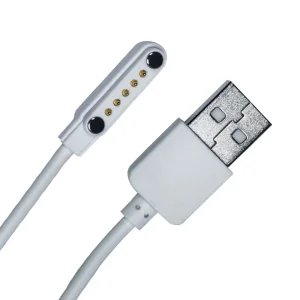
In high-density electronic assemblies, spatial efficiency and robust contact interfaces are critical. Surface Mount Device (SMD) Pogo Pins, also termed SMT (Surface Mount Technology) spring-loaded connectors, have emerged as the industry-standard interface. They bridge physical connection points directly to the surface pads of Printed Circuit Boards (PCBs) without requiring through-hole routing.
Unlike standard pin headers, a pogo pin features an internal helical spring that provides continuous mechanical force against the mating contact point. This dynamic tension compensates for physical deviations, mechanical alignment tolerances, structural warpage, and vibration. This ensures an uninterrupted circuit connection with exceptionally low electrical contact resistance.
For B2B procurement managers, hardware engineers, and sourcing directors, identifying high-performing yet cheap pogo pin SMD manufacturers is essential. The challenge lies in reducing unit costs without compromising raw material quality, plating thicknesses, spring force compliance, or packaging standards for high-speed pick-and-place automated assembly lines.
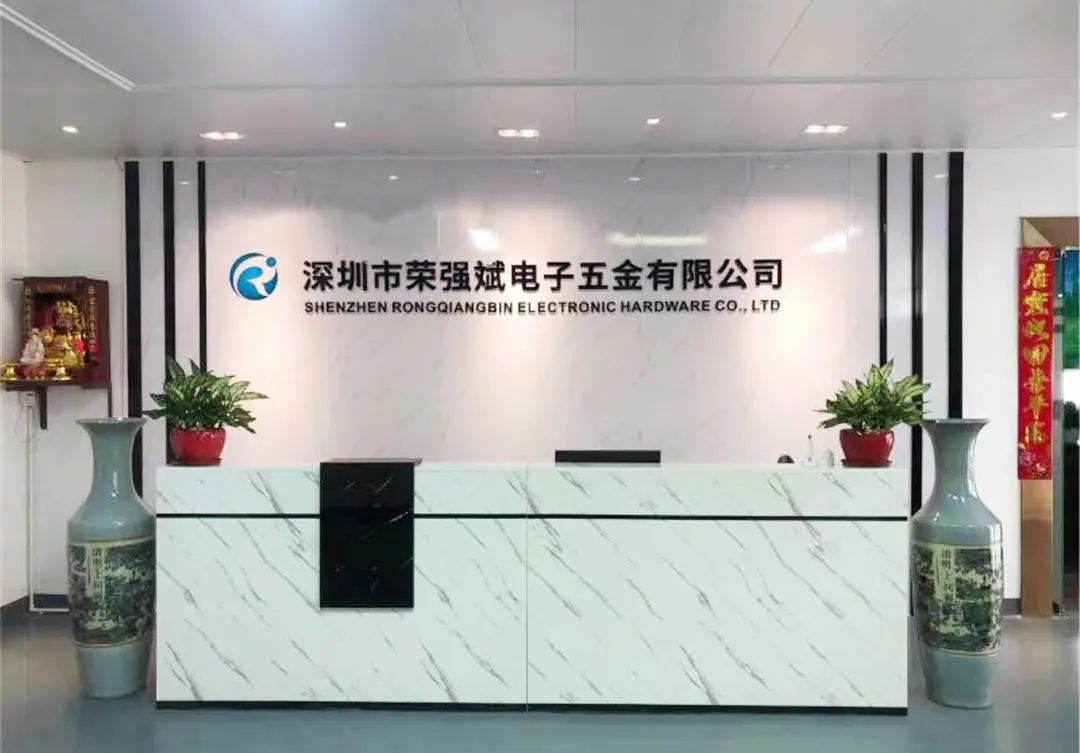
Located in Shenzhen, the leading technology and industrial manufacturing hub of the Guangdong-Hong Kong-Macao Greater Bay Area, Shenzhen Rongqiangbin Electronic Hardware Co., Ltd. was established in February 2011 on Songgang Street. We focus on the design, validation, manufacturing, and global supply of high-precision pogo pins and spring-loaded connector assemblies.
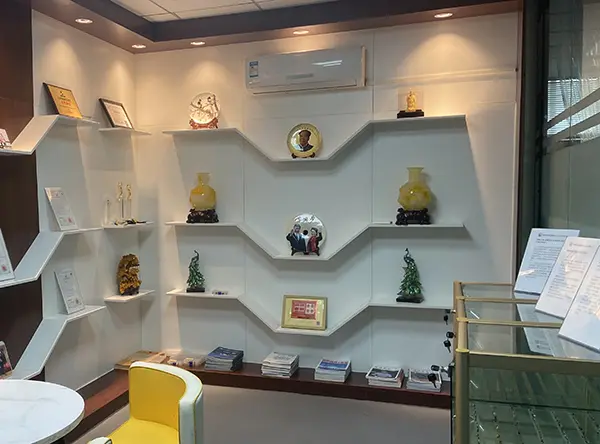
Over more than a decade of development and research, our company has grown from a specialized hardware workshop to an industry leader. We hold a strong patent portfolio and maintain rigorous certifications to support tier-one technology enterprises. We blend advanced Swiss-type CNC precision turning with modern automated inspection assembly systems to offer cost-competitive, high-reliability interconnect products.
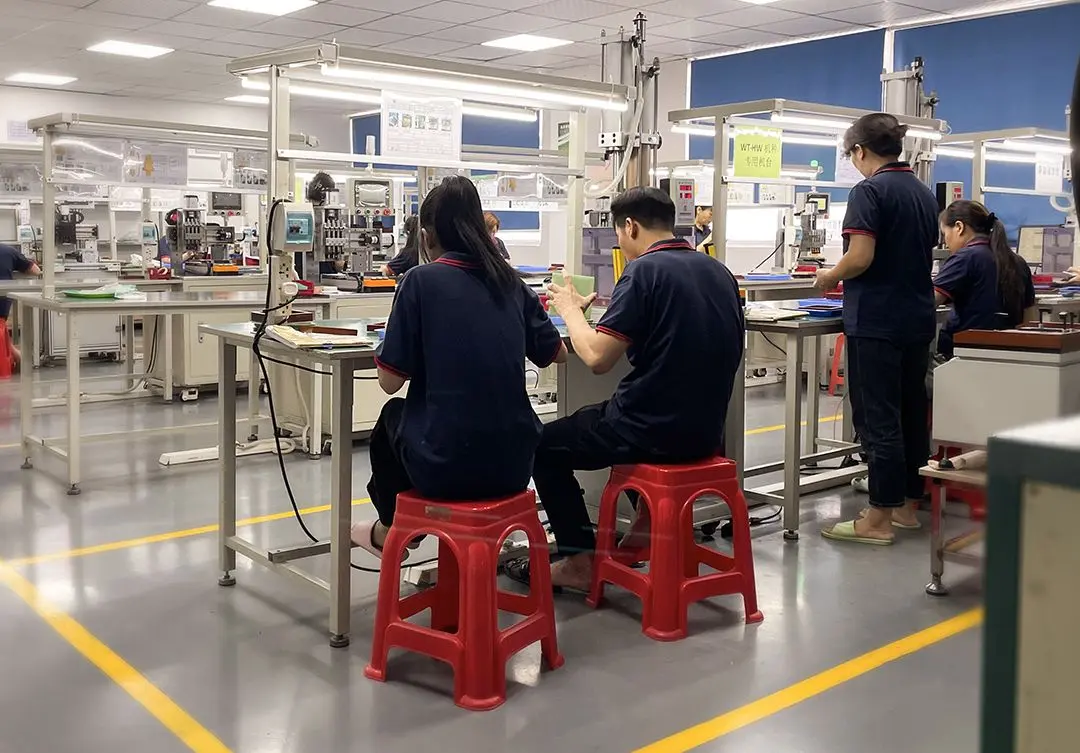

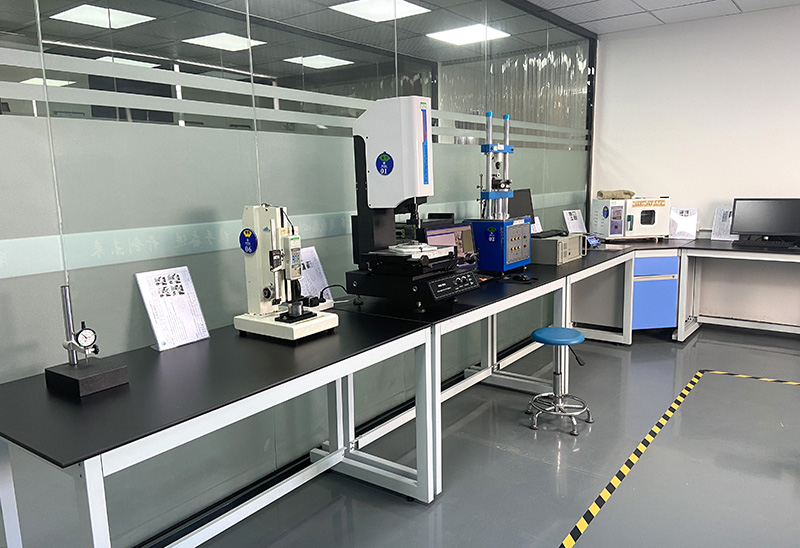
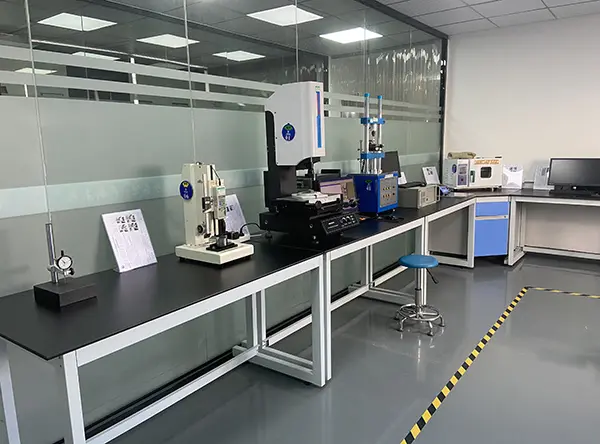
The term "cheap" often raises concerns about compromised quality. In our facility, cost-efficiency is achieved through advanced industrial automation, vertical manufacturing integration, and supply chain design—principles aligned with China's Factory 4.0 guidelines.
By automating the entire cycle—from CNC turning of the brass barrels and plunger tips to spring winding, electroplating control, automated assembly, and high-speed vision scanning—we keep defect rates extremely low (measured in DPPM). This close control of raw materials and mass-scale automated manufacturing minimizes material waste and manual labor costs. We pass these savings directly to our clients, ensuring competitive pricing for high-performance SMD pogo pins.
Additionally, our location in the Shenzhen electronics cluster gives us direct access to high-grade copper alloys, specialized gold plating baths, and high-temperature plastic raw materials (such as LCP and HTN). This robust ecosystem helps buffer against raw material market volatility and secures predictable delivery timelines for critical B2B production schedules.
Our advanced CNC turning centers run 24/7, maintaining tight dimensional tolerances of ±0.005mm. This ensures smooth plunger movement and consistent electrical contact.
Our controlled electroplating lines deposit precise layers of Nickel (barrier layer) followed by high-purity Gold (Au). This optimizes conductivity while preventing premature wear or oxidation.
Finished pogo pins are automatically loaded into carrier tapes and sealed under cleanroom-equivalent conditions. This guarantees direct compatibility with high-speed SMT assembly equipment.
From ultra-compact consumer electronics to robust automotive systems, SMD pogo pins provide dependable, low-profile electrical contacts across diverse applications.
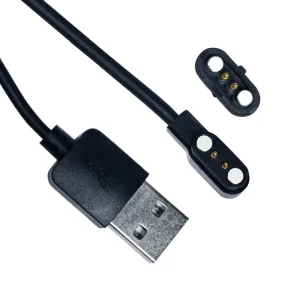
Modern devices demand space-saving internal components. SMD pogo pins are widely used for charging cradles, battery connectors, and detachable keyboard dock interfaces in devices like TWS earbuds, smartwatches, tablets, and smart-home products.
Vehicle electronic control systems require reliable connections that can withstand constant vibration and thermal cycling. Our robust pogo pins provide secure connections in camera assemblies, sensor interfaces, and infotainment modules.
Medical monitoring systems, biosensors, and portable diagnostic equipment rely on gold-plated pogo pins for stable, bio-compatible signal transmission and easy disinfection cycles.
In high-frequency RF transmission equipment, standard pin headers can introduce signal losses. Specially configured impedance-matched pogo pins maintain signal integrity in RF test fixtures and modular communication assemblies.
Robotic arms, automated testing setups, and programmable logic controller (PLC) modules use high-durability pogo pins to ensure dependable power and control signal routing across demanding factory floors.
Low-power, miniature smart-home sensors and smart tracking hardware utilize SMD pogo pins to optimize board layout and simplify automated production assemblies.

As electronic systems grow smaller and require faster charging speeds and data rates, pogo pin technology must evolve. Rongqiangbin's engineering team focuses on three key development paths:
Operating a global electronics business requires strict compliance with international manufacturing, environmental, and quality standards.
Our manufacturing processes conform to internationally recognized quality management systems, ensuring traceability and consistent product standards.
All SMD pogo pins manufactured by Rongqiangbin comply with RoHS, REACH, and Halogen-Free directives, facilitating seamless international import compliance.
We partner with tier-one electronics OEMs, ODMs, and brands globally, including:
Gold plating thickness impacts corrosion resistance and contact longevity. Wearable devices typically require thicker gold coatings (10u" to 30u") to withstand exposure to sweat and ambient moisture.
Always plan design constraints around the recommended working stroke (usually 50% to 60% of total travel) rather than the maximum limit. This maintains constant spring force and prevents physical damage.
Standard pogo pins support currents of 1A to 2A. For fast-charging circuits or battery power lines, choose high-current internal plungers or ball-point architectures to prevent heat buildup.
For automated SMT lines, select pogo pins packaged with removable plastic caps or designed with flat surfaces. This allows standard vacuum pick-and-place nozzles to easily grip the component.
SMD pogo pins mount directly to surface pads, eliminating through-hole drilling. This leaves the back layers of the PCB free for trace routing and reduces overall assembly height. It also streamlines production by running the pins through standard SMT reflow ovens alongside other components, eliminating secondary hand-soldering steps.
We use vertically integrated manufacturing at our Shenzhen facility. By handling Swiss-type CNC machining, spring winding, plastic injection molding, and assembly in-house, we eliminate external markups and optimize material yield. High-speed automated optical inspection (AOI) checks each unit for proper spring force and dimensional accuracy, minimizing post-assembly defects.
The barrel and plunger are machined from high-conductivity brass or lead-free copper alloys, which are then plated with gold over nickel. The internal spring is typically wound from stainless steel (SUS304) or beryllium copper (BeCu) to provide reliable spring return forces and resist fatigue over high operating cycles.
For custom designs, our engineering team can provide 2D/3D CAD models within 24 to 48 hours. Once drawings are approved, physical prototypes can be machined and delivered within 7 to 10 days. Mass production runs typically take 2 to 3 weeks, depending on quantity and plating specifications.
Yes. We design impedance-matched coaxial pogo pins (typically 50-ohm or 75-ohm target values) that support high-speed data transmission for RF testing, high-definition display connections, and modern communication systems.
We control the manufacturing tolerances of plastic housings and pin heights to keep SMD base coplanarity below 0.1mm. High-temperature plastics (LCP) are used to prevent housing deformation during lead-free reflow profiles (which peak around 260°C), ensuring high assembly yields on the production line.
We perform incoming material inspections, in-line visual and mechanical checks, and final audits. Testing includes measuring force-displacement curves to verify spring rate consistency, salt spray exposure tests to check corrosion resistance, and X-ray fluorescence (XRF) testing to verify plating thickness.
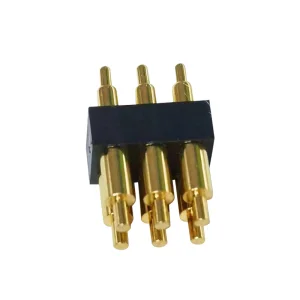
Partner with Shenzhen Rongqiangbin to optimize your SMT interconnect footprint, lower overall component costs, and improve assembly line yields.
 Rongqiangbin Electronic