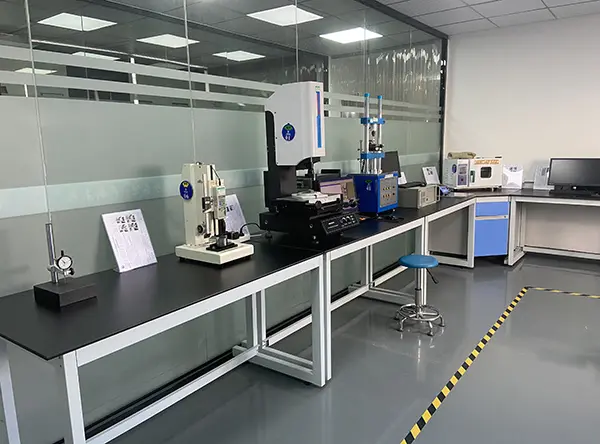
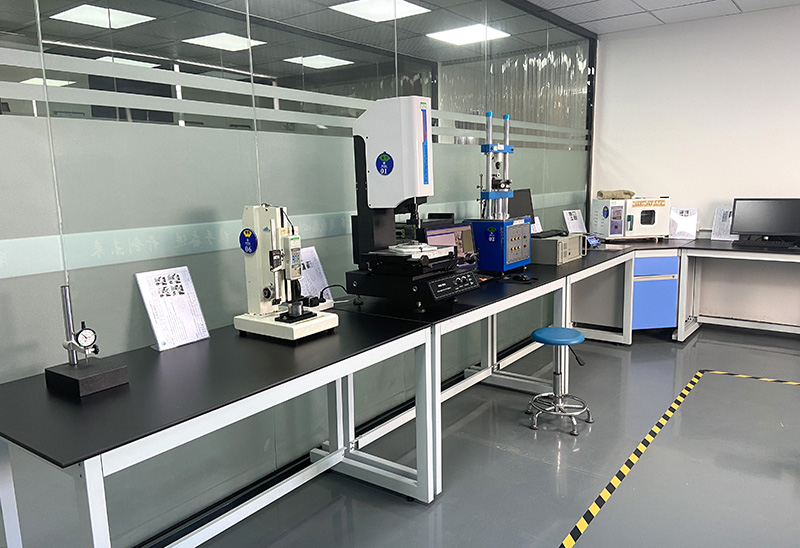
Explore our foundational range of SMT/SMD contact pins, custom test socket components, and magnetic automated charging systems engineered for optimal continuity.
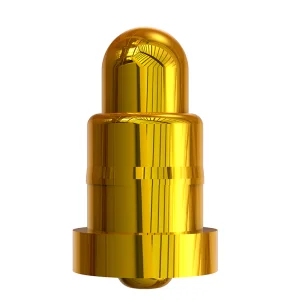
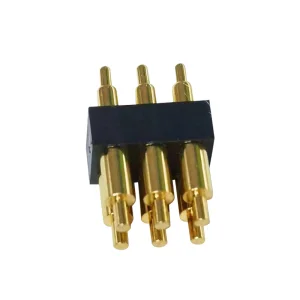
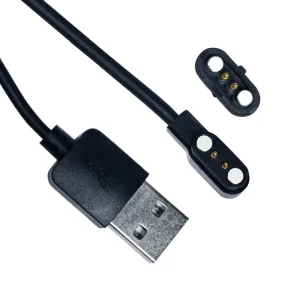
In the high-stakes realm of semiconductor manufacturing, integrated circuit (IC) validation, and electrical continuity testing, procurement officers and hardware engineers face a perpetual trade-off: cost versus reliability. When search terms like "cheap test sockets supplier" are entered into search engines, the underlying intent is rarely a search for subpar, low-grade plastic structures. Instead, industrial buyers are seeking high-value, cost-efficient test socket solutions that offer a low Total Cost of Ownership (TCO).
A true high-value test socket factory optimizes its internal manufacturing processes, leverages advanced Swiss-type CNC machining, and deploys high-speed automatic assembly lines. This achieves significant unit cost reductions while preserving mechanical tolerances within the micron level (down to ±0.01mm) and maintaining high insertion counts (often exceeding 100,000 to 1,000,000 cycles). By managing production variables directly in Shenzhen—the center of the Greater Bay Area electronics supply chain—companies like Shenzhen Rongqiangbin Electronic Hardware Co., Ltd. can offer highly competitive pricing without sacrificing material purity, gold plating thickness, or signal performance.
High-density BGA, QFN, and QFP test sockets demand precise pitch configurations down to 0.3mm. Our custom contact solutions maintain low contact resistance (Rc < 30mΩ) under continuous testing routines.
Operating under extreme thermal conditions (-55°C to +150°C), our high-temperature engineering plastics (like Torlon or PEEK) ensure structural integrity during long-duration reliability screenings.
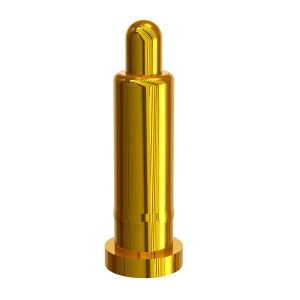
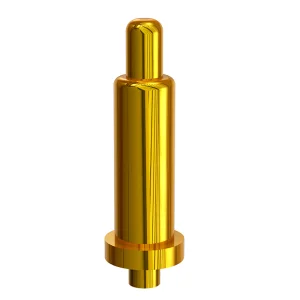
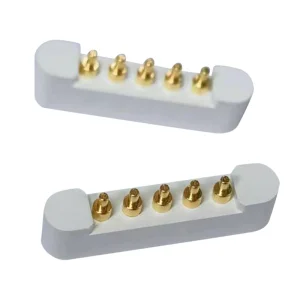
Pogo pin blocks and spring-loaded PCB sockets configured for fast swapping on automated production lines, optimizing device verification speeds and minimizing downtime.
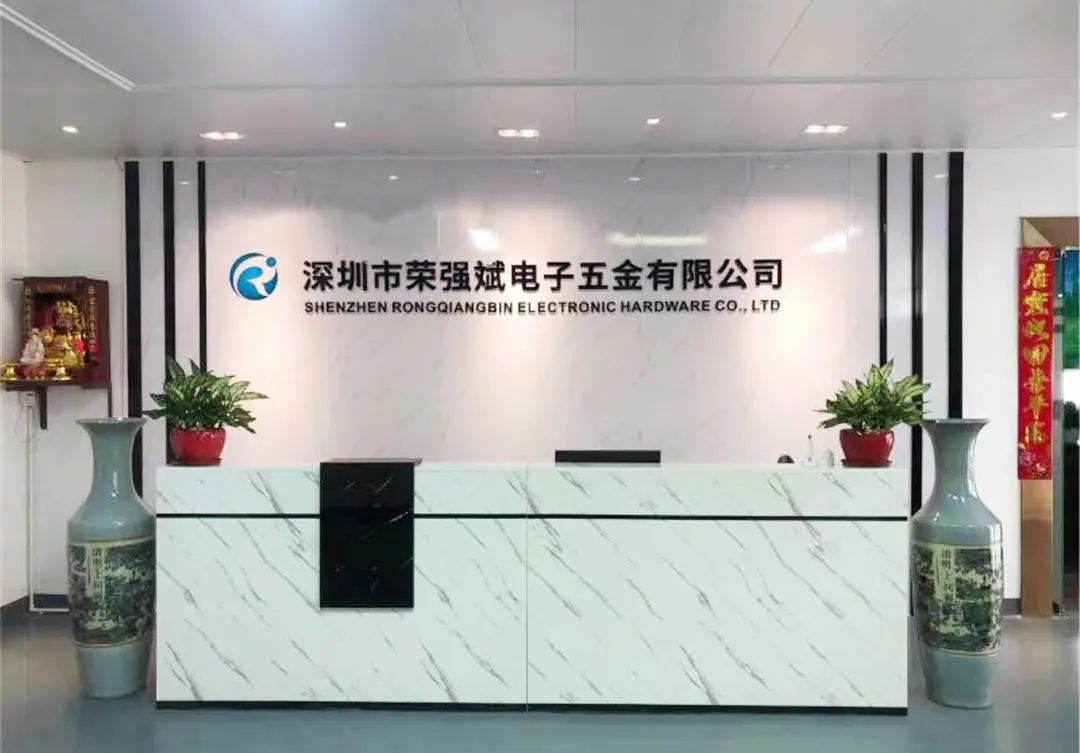
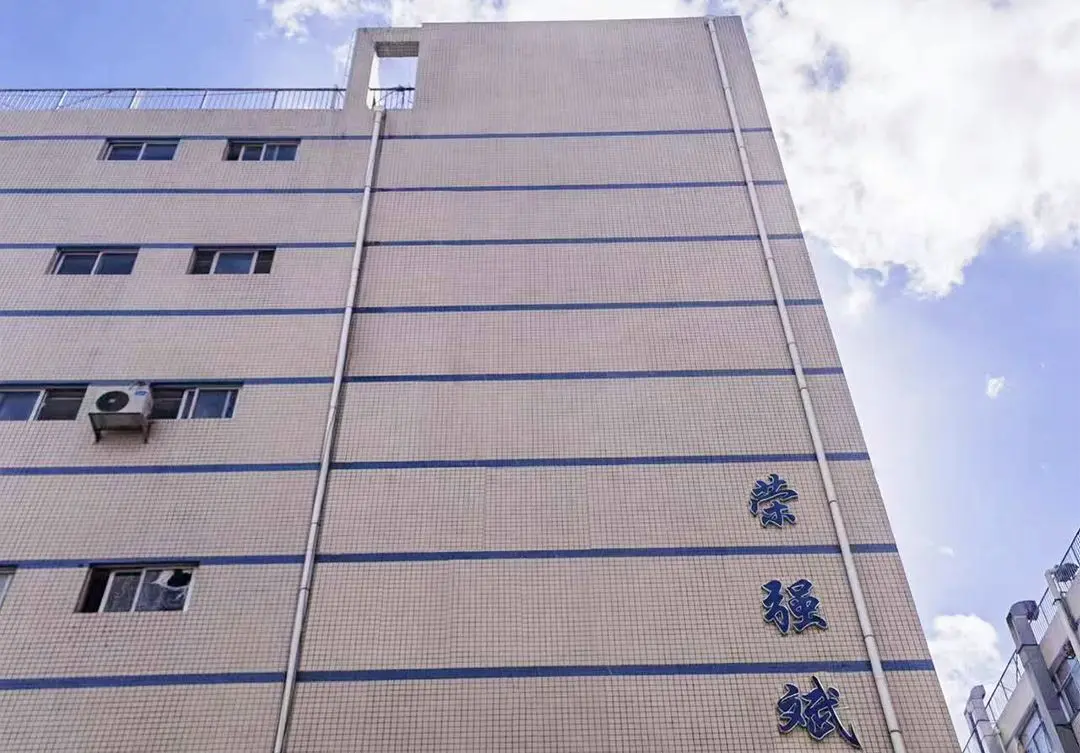
Founded in February 2011 and situated in the industrial center of Songgang Street, Shenzhen, within the Guangdong-Hong Kong-Macao Greater Bay Area, our company has transitioned from a specialized workshop into a recognized industry leader in high-performance connector design and high-volume manufacturing.
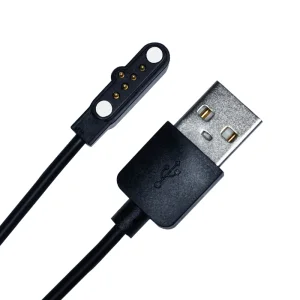
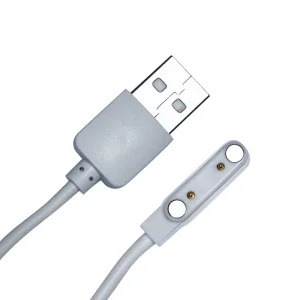
We focus on the R&D, precision machining, and custom development of Pogopin connectors, spring-loaded contact pins, magnetic charger cables, and custom PCB test socket interfaces. Guided by our core principle of "customer first, integrity first", we have established long-term engineering partnerships with leading global enterprises, delivering cost-effective interconnect hardware for consumer electronics, medical equipment, automotive subsystems, and semiconductor verification modules.
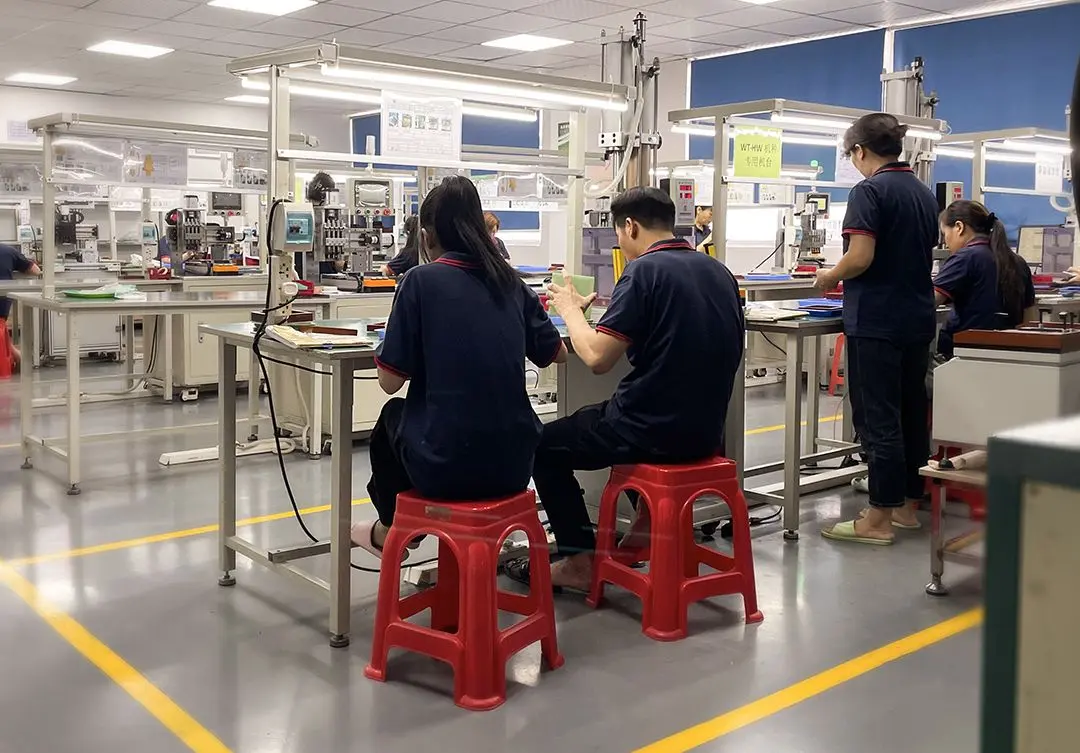
A deeper look at the materials, structures, and surface engineering that define the cost-effectiveness and performance of RQB connectors and test socket interfaces.
The choice of plunger metal is critical for maintaining mechanical and electrical integrity over many testing cycles. We utilize Beryllium Copper (BeCu) for high conductivity and hardness, as well as Palladium-Alloy (Pd) coatings for high-throughput testing environments where probe wear must be minimized.
By default, our pogo pins feature a nickel base barrier layer with gold plating options ranging from 3u" to 50u". This helps prevent copper migration, oxidation, and contamination, which can cause erratic resistance spikes. In-house control of the plating process allows us to manage manufacturing costs and provide stable performance across our entire product line.
Sourcing electronic hardware and test sockets internationally requires balancing manufacturing costs with regulatory compliance. For hardware shipped to North America and Europe, products must comply with environmental guidelines such as RoHS (Restriction of Hazardous Substances) and REACH (Registration, Evaluation, Authorization, and Restriction of Chemicals). Non-compliant connectors containing restricted lead levels or prohibited plastics can result in custom hold-ups and product recalls.
At Shenzhen Rongqiangbin, we address these challenges early in the design stage. All raw copper alloys, stainless steel springs, and plastic resins (like PPS, LCP, PEEK, and Torlon) are sourced from certified materials suppliers who provide complete chemical analysis sheets. Our incoming quality control (IQC) inspects every batch using X-Ray Fluorescence (XRF) testing, ensuring complete traceability and compliance.
In high-volume manufacturing, the test socket is a consumable component. Cost-control strategies typically focus on two key areas:
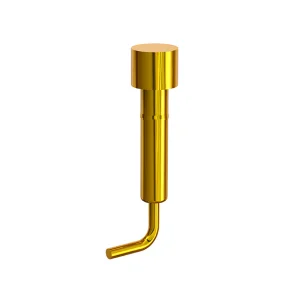
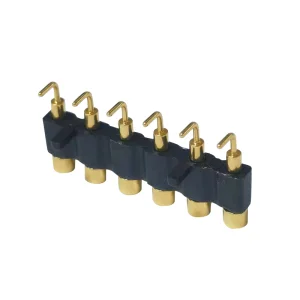
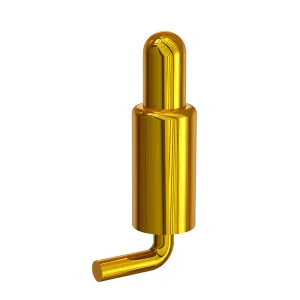
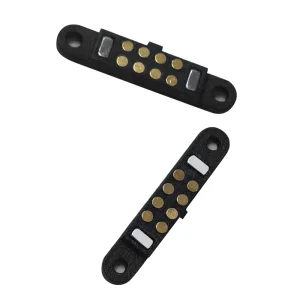
Browse our advanced catalog of magnetic connectors, custom bending pogo contacts, and high-density multi-pin assemblies built for automated production lines.
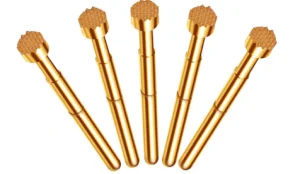
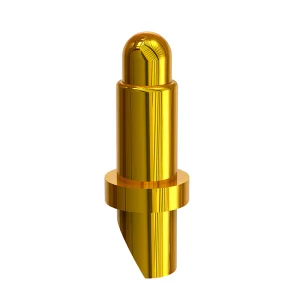
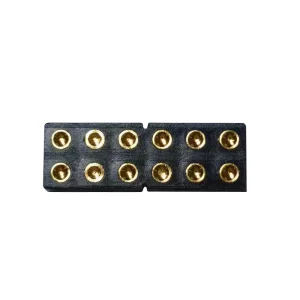
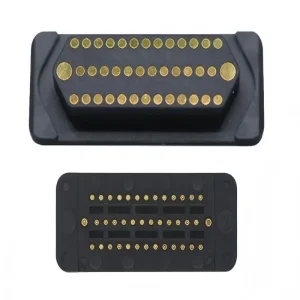
The semiconductor industry is moving toward chiplet designs, co-packaged optics (CPO), and sub-0.2mm contact dimensions. These trends present challenges for standard spring-loaded pogo pin structures, particularly regarding mechanical fatigue, current density limits, and electrical parasitic inductance.
Our engineering vision is centered on keeping pace with these technological developments. We are investing in R&D to optimize contact styles and coatings, aiming to improve reliability for high-frequency testing applications (including 5G RF and millimeter-wave modules).

Committed to delivering high-performance, cost-effective POGO PIN and test socket designs globally.
Get professional answers to common questions about sourcing custom pogo pin systems, quality testing, and pricing.
 Rongqiangbin Electronic