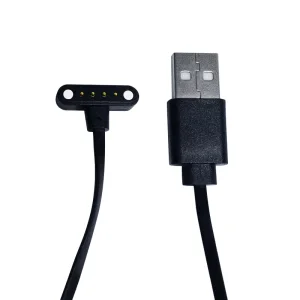
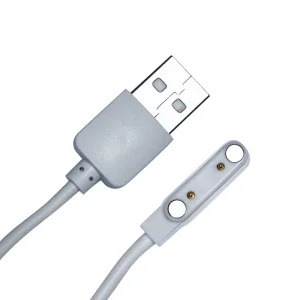
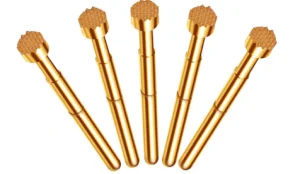
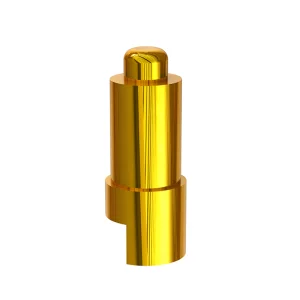
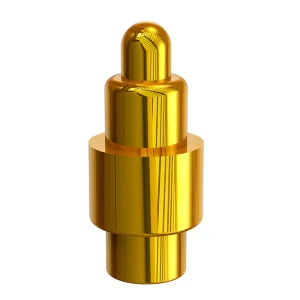
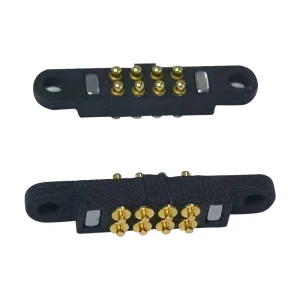
Explore our premium custom solutions built to handle high conductivity, dynamic loads, and micro-pitch alignments.
When hardware engineers ask, "Are pogo pins conductive?", the immediate answer is a definitive yes. However, the true engineering query lies deeper: How conductive are they, and how do custom designs optimize that conductivity under varying mechanical conditions?
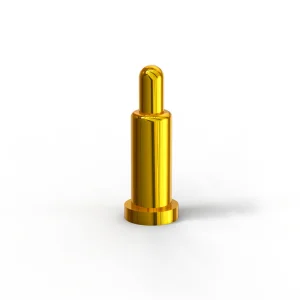
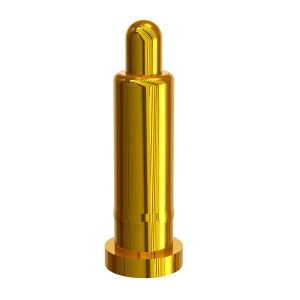
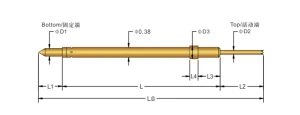
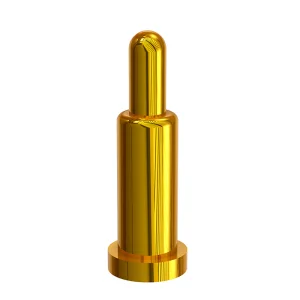
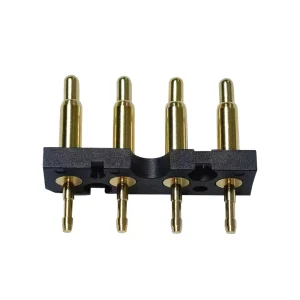
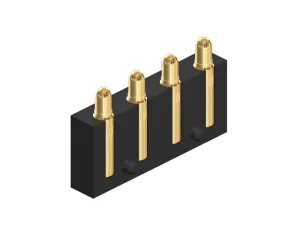
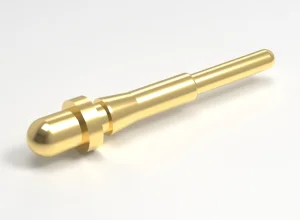
A pogo pin (spring-loaded connector) is not merely a piece of metal. It is a dynamic electrical transmission system consisting of three key components: a plunger, a barrel, and an internal spring. The conductivity of a pogo pin is dictated by the materials used, the surface finish plating, internal geometry, and mechanical forces applied during compression. Let us deconstruct the science behind pogo pin electrical performance.
Critical Engineering Truth: The internal spring of a pogo pin is typically made of stainless steel or music wire—materials with high electrical resistance. Therefore, to ensure excellent conductivity, electrical current must bypass the spring and flow directly from the plunger to the barrel shell. Achieving this requires custom internal designs such as bias-cut plungers or ball-inserted architectures.
To achieve reliable electrical contact resistance (typically less than 30 mΩ), manufacturers employ specific architectural designs to force direct mechanical contact between the plunger and the barrel. Without these custom modifications, a pogo pin would suffer from unstable resistance, signal dropouts, and overheating.
| Component | Primary Materials | Plating Options | Function in Conductivity |
|---|---|---|---|
| Plunger (Piston) | Brass, Beryllium Copper (BeCu) | Gold (Au), Palladium-Nickel (Pd-Ni) | Primary contact point; requires high hardness & wear resistance. |
| Barrel | Brass (C3604) | Gold (Au), Platinum (Pt) | Main conductive body enclosing the spring. |
| Spring | Stainless Steel (SUS304), Music Wire | Gold Flash (micro-thickness) | Generates the contact force; not intended for primary electrical path. |
Raw metals like copper and brass oxidize rapidly when exposed to air, creating non-conductive barrier layers that increase contact resistance. Hence, advanced electroplating is mandatory to ensure pogo pins are consistently conductive over thousands of cycles.
Gold (Au) Plating: Gold is the preferred industry standard because it does not form oxide films, ensuring remarkably low contact resistance. For smartwatches, TWS earbuds, and high-reliability industrial interfaces, gold thickness ranges from 3 micro-inches (μ") up to 50 μ" depending on the mechanical wear expectations.
Nickel (Ni) Underplating: Before gold is applied, a nickel barrier layer is plated onto the base brass. This prevents the copper atoms in the brass from diffusing upward into the gold layer, which would otherwise lead to surface corrosion and loss of conductivity.
Custom pogo pins can handle up to 30A of continuous current using high-conductivity materials and robust internal structures.
Engineered with fatigue-resistant beryllium copper and heavy gold coatings for long-term product lifespans.
Specialized alloy compositions optimized for wearables exposed to human skin and acidic sweat environments.
In modern global manufacturing hubs, custom pogo pins have replaced traditional blade and leaf connectors due to their space savings, high toleration for misalignment, and superior dynamic conductivity. Below are key scenarios where custom conductive pogo pins play a mission-critical role:
Established in February 2011 in the industrial heart of Songgang Street, Shenzhen, within the highly dynamic Guangdong-Hong Kong-Macao Greater Bay Area, Shenzhen Rongqiangbin Electronic Hardware Co., Ltd. has evolved into a premier developer and manufacturer of high-precision pogo pin connectors.
Over more than a decade of research, development, and capacity scaling, we have cemented ourselves as an industry leader. Our production facility is certified to the stringent ISO9001:2015 international quality management standard. By implementing comprehensive environmental and quality controls, we ensure every custom batch conforms to the highest standards.
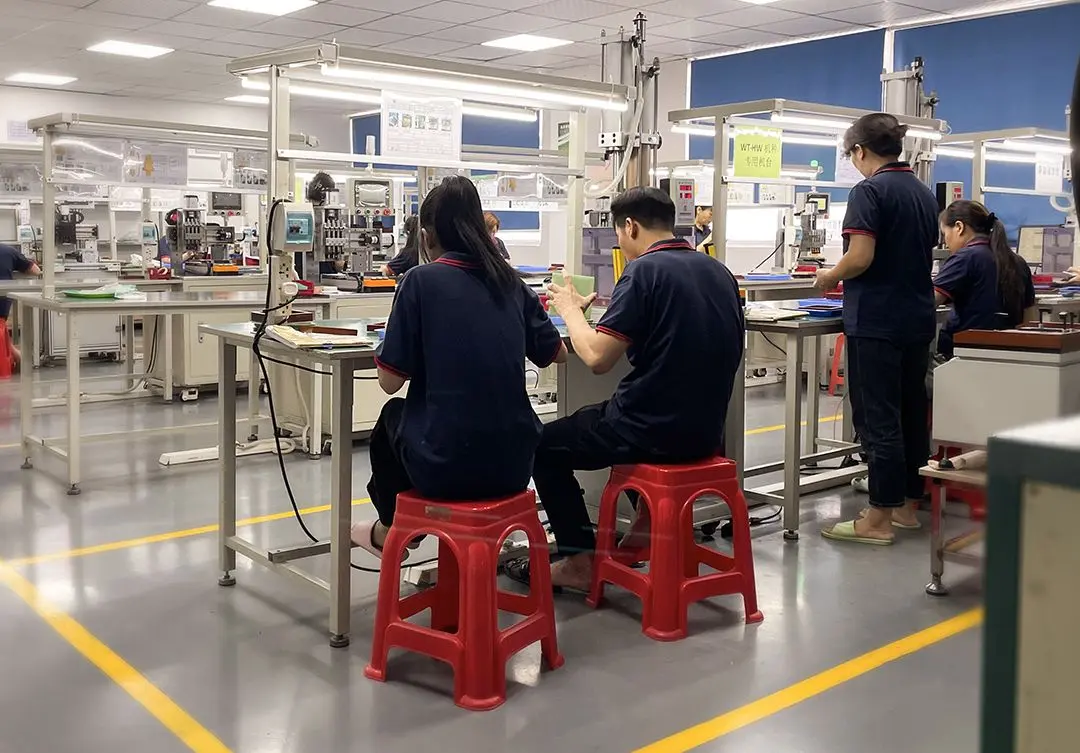
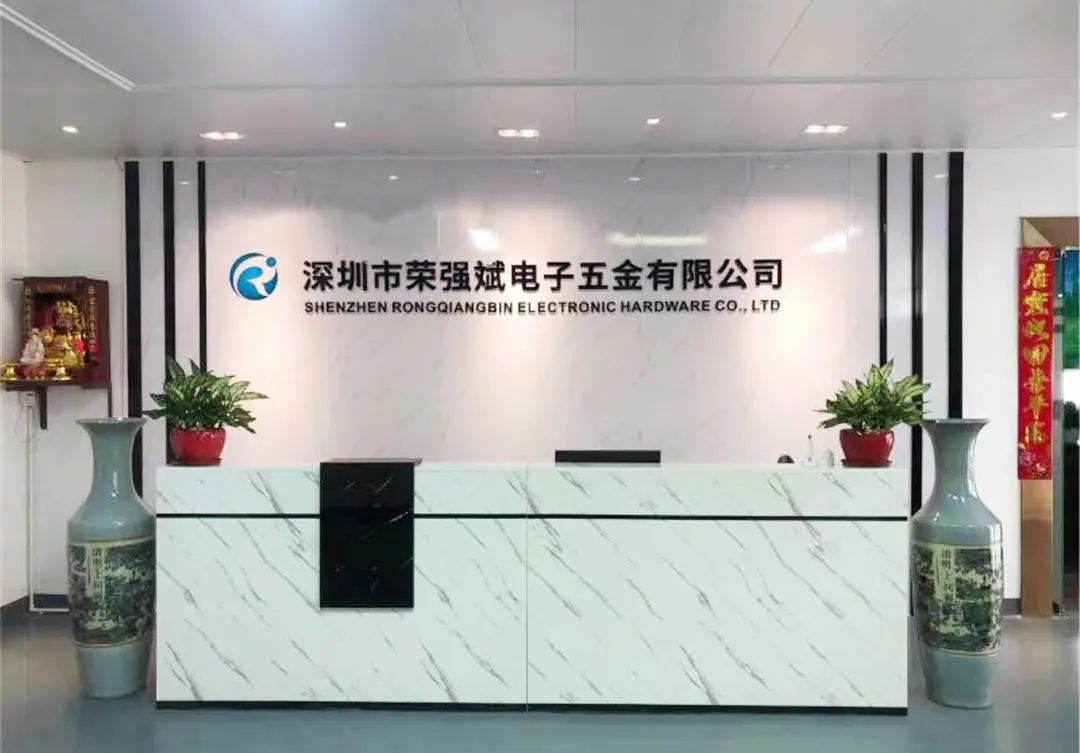

Our core mission revolves around the philosophy of "customer first, integrity first." Backed by an elite technical R&D team and a highly efficient production infrastructure, we partner with world-renowned brands, including:
When international OEMs procure custom pogo pins, they choose Shenzhen partners due to the unmatched ecosystem integration. At Shenzhen Rongqiangbin, we leverage local metalworking clusters, precision tooling workshops, high-speed automated assembly lines, and specialized electroplating facilities to execute design modifications swiftly.
This concentration of localized supply chain capabilities enables us to go from CAD rendering to working prototype in as little as 3-5 days. Furthermore, our automated packaging and 100% optical sorting inspection systems ensure that high-volume orders (millions of units) maintain zero-defect quality levels at optimal cost efficiency.
As electronics become more dense and functional, pogo pins must adapt. The roadmap for spring-loaded contact technology concentrates on three key technical goals:
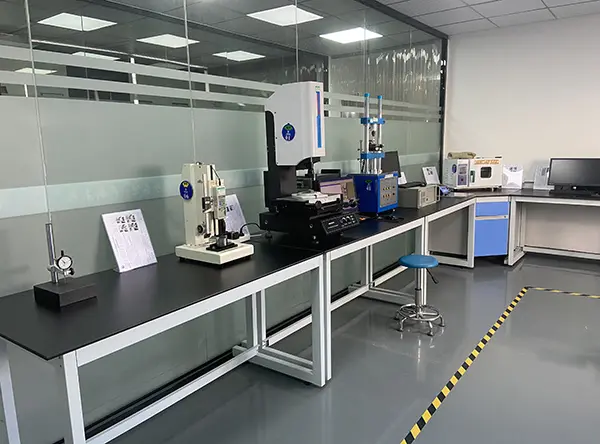
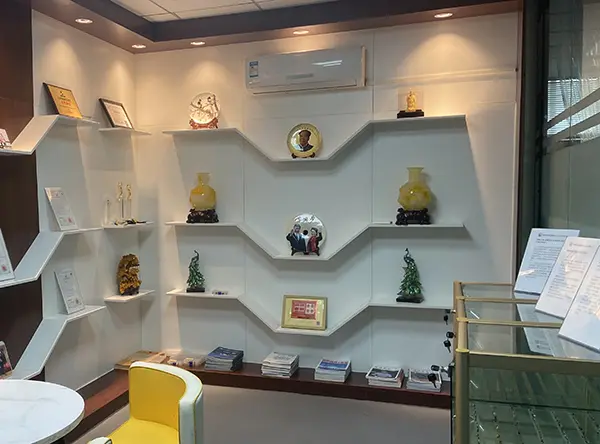
Rongqiangbin maintains rigorous quality control procedures. We support complete documentation including RoHS reports, REACH declarations, and ISO 9001:2015 certificates for seamless localized compliance integration.
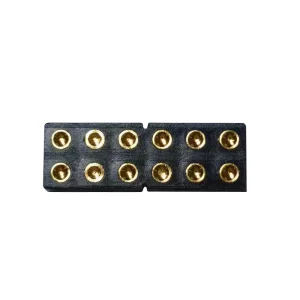
Precision micro-pitch components tailored for complex automotive, consumer, and diagnostic hardware interfaces.
 Rongqiangbin Electronic