Explore our leading SMT, SMD, magnetic, and high-current pogo pin products designed for complex electronic architectures.
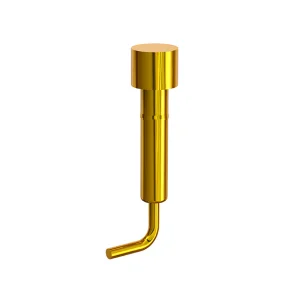
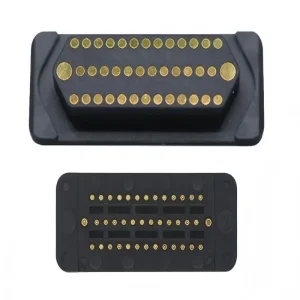
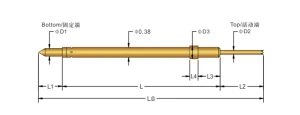
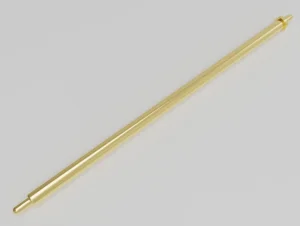
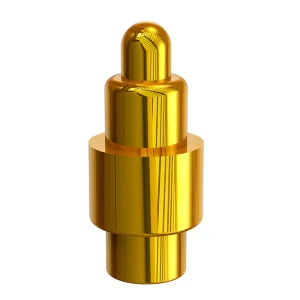
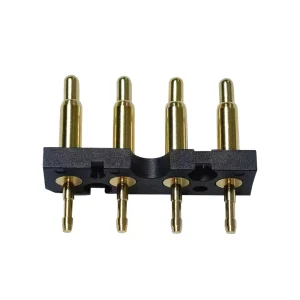
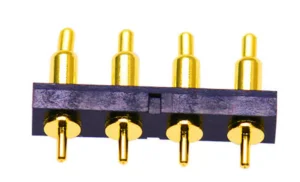
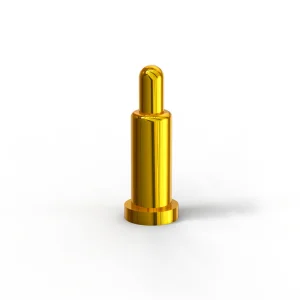
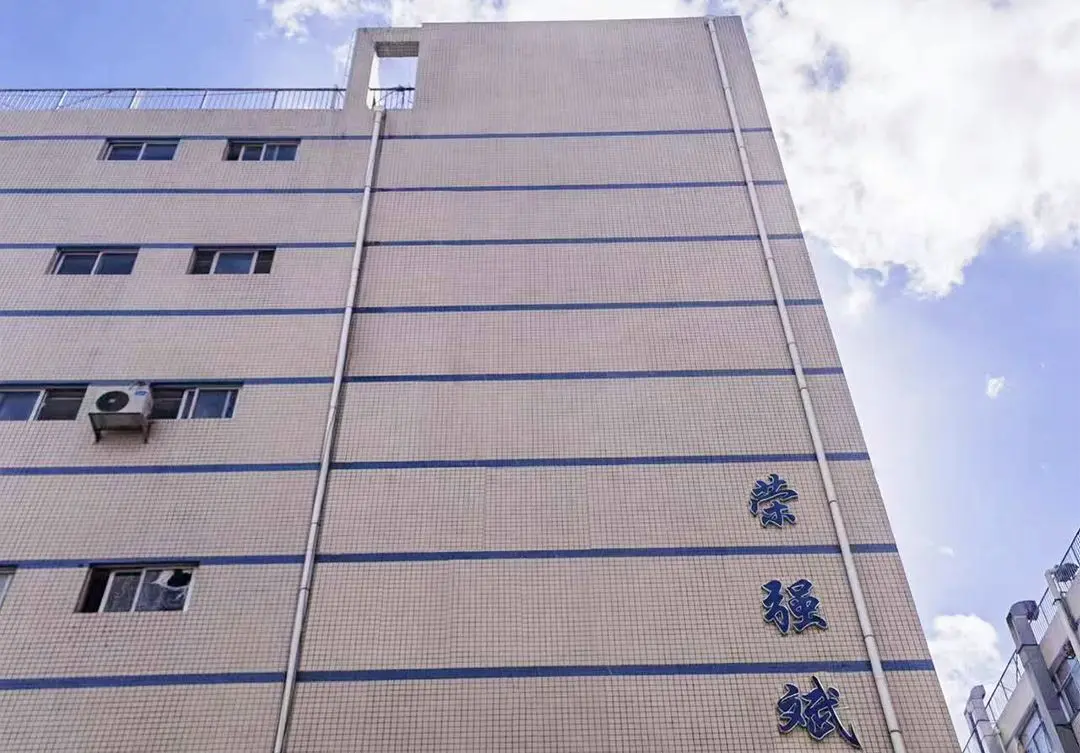
Shenzhen Rongqiangbin Electronic Hardware Co., Ltd. is strategically situated in Songgang Street, Shenzhen, within the heart of the Guangdong-Hong Kong-Macao Greater Bay Area. Founded in February 2011, our facility has evolved over more than a decade from a specialized production unit into a globally recognized technological leader in Pogo Pin connectors.
Our operational philosophy—"Customer First, Integrity First"—guides a high-caliber technical team dedicated to engineering high-performance contact interfaces. Backed by the international ISO9001:2015 Quality Management System Certification, we operate a sophisticated manufacturing infrastructure configured to produce environmentally compliant, highly durable components that satisfy strict RoHS, REACH, and custom industrial standards.
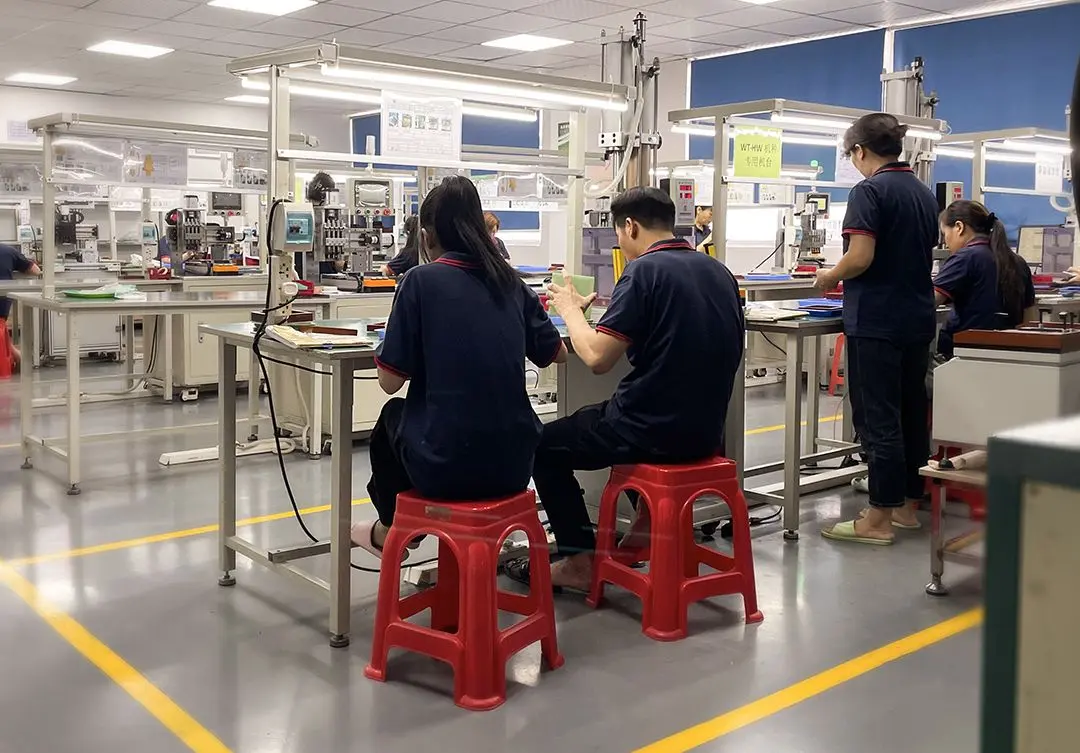

A technical overview of spring-loaded contact mechanics, raw material optimization, and high-frequency signal integrity.
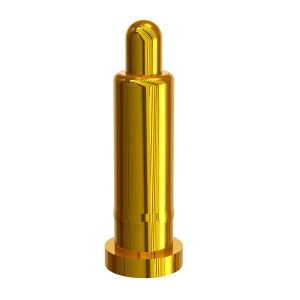
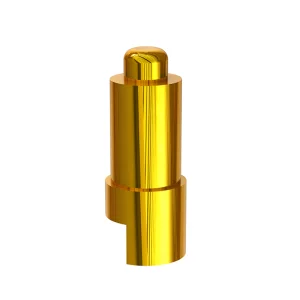
For custom pogo pins, plunger design dictates current flow stability. We engineer standard hollow plungers, bias-cut plungers (which force contact between plunger and barrel to reduce contact resistance), and ball-point plungers incorporating an internal ball to handle high lateral forces and high-current demands up to 30A without damaging the spring mechanism.
We apply high-grade gold plating (ranging from 1u" up to 50u" based on operational environments) over a diffusion-blocking nickel underplate. This process ensures exceptional resistance to mechanical wear, high chemical resistance against perspiration, and low electrical contact resistance (<30mΩ) over operating lifespans exceeding 100,000 mating cycles.
Using premium music wire (SWP) or stainless steel (SUS304/SUS316), our springs are engineered for precise spring forces (ranging from 20g to 150g or more). This provides consistent mechanical pressure at nominal travel distance while compensating for structural planar stack-up tolerances in dense B2B device designs.
In standard low-cost pogo pin configurations, the plunger bottom is flat, creating an indirect, high-resistance electrical path via the internal spring. This can cause electrical noise, impedance mismatch, and local overheating when current spikes. To prevent this, Rongqiangbin engineers custom spring contacts using three primary mechanical structures:
Analyzing procurement requirements, technical integration paths, and emerging application spaces across international markets.
Modern hardware procurement departments face challenges with component variations, dynamic supplier lead times, and early-stage design modifications. Rongqiangbin addresses these issues with full DFM (Design for Manufacturability) analysis, prompt prototyping (often in 3 to 5 days), and a robust production system that scales seamlessly from pilot runs to high-volume manufacturing.
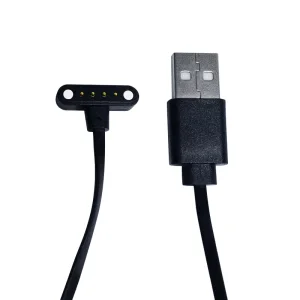
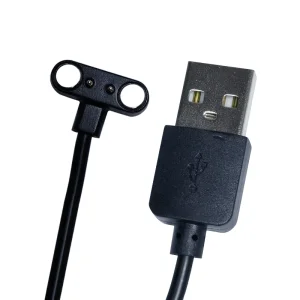
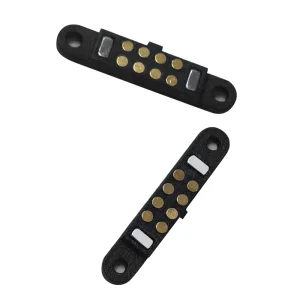
For smart wearables and outdoor industrial equipment, waterproofing is a critical requirement. We offer custom magnetic pogo pin connector assemblies with integrated silicone gaskets, overmolded plastic housings, and specialized plating (such as Platinum or Rhodium). This enables charging interfaces to achieve IPX7 and IPX8 ratings while resisting corrosion from sweat and salt water.
As standard interfaces transition to USB 3.2, USB4, and custom high-speed data protocols, pogo pins must maintain matched impedance (typically 50Ω or 90Ω). Our custom multi-pin coaxial and magnetic connector architectures minimize crosstalk and insertion loss, supporting stable high-speed data transmission alongside power delivery.
Review our baseline capabilities for standard products alongside our advanced, tailormade engineering solutions.
| Specification Parameter | Standard Catalog Offering | Custom Factory Engineering Capabilities |
|---|---|---|
| Pin Pitch | ≥ 2.0 mm | Down to 0.4 mm micro-pitch configurations |
| Current Rating | 1.0 A - 2.0 A continuous | Up to 30.0 A continuous per pin (custom high-current alloys) |
| Mechanical Durability | 10,000 cycles | 100,000 to 1,000,000 cyclic mating life profiles |
| Plating Formulations | Gold over Nickel (1u" - 3u" Au) | Custom Gold (up to 50u"), Palladium-Nickel, Platinum, Rhodium |
| Working Travel Range | 0.5 mm to 1.5 mm | Up to 5.0 mm customized stroke travel geometries |
| Waterproof Standard | Non-rated | IPX7, IPX8 hermetic sealing using LSR/Overmolding |
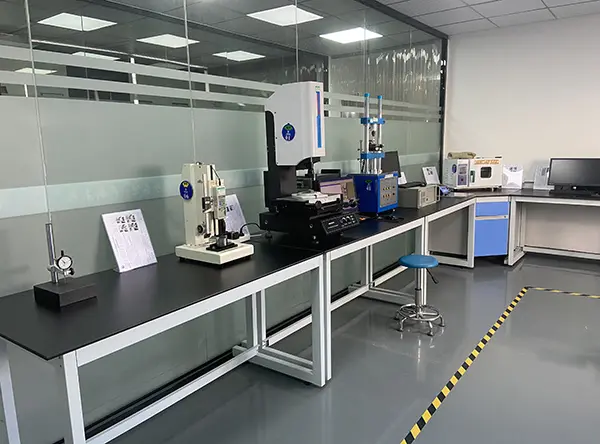
For tier-1 manufacturers like Siemens, Samsung, and Honeywell, compliance is a non-negotiable requirement. At Rongqiangbin, our production system follows strict quality control guidelines:
"Committed to being excellent POGO PIN manufacturers for both quality and cost at home and abroad, and leading connector technology development."
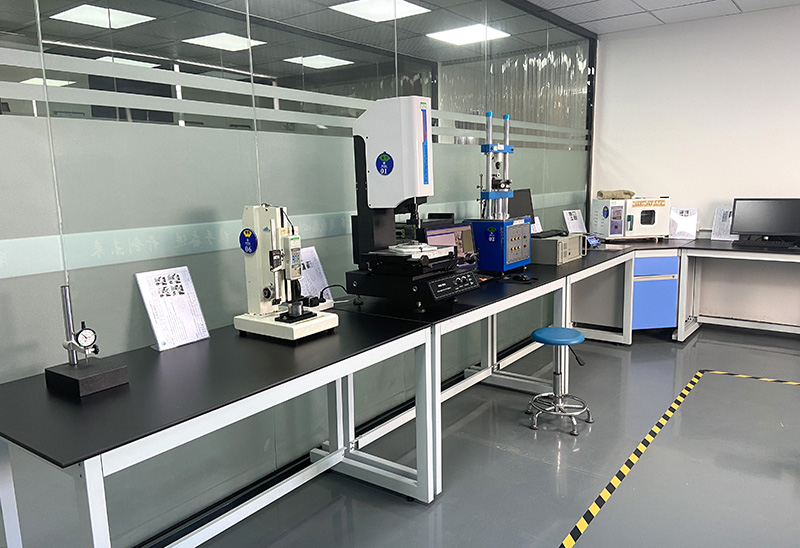
Our QC management team and environmental systems are fully certified to the ISO9001:2015 standard, providing global brands with high-quality, reliable, and compliant interconnect solutions.
Technical guidance for hardware engineers, procurement specialists, and quality auditors.
The standard material for plungers and barrels is high-machinability Brass (typically C3604), which offers excellent electrical conductivity. For high-wear applications, Beryllium Copper (C17200) is used for its superior mechanical strength. Springs are typically made of Music Wire (SWP) for long lifecycle durability, or Stainless Steel (SUS304 or SUS316) for corrosion resistance in wet or chemical environments.
Standard electroplating uses gold over nickel. Gold provides low contact resistance and resists oxidation. For harsh environments (such as exposure to human sweat in smartwatches, or maritime industrial use), we offer advanced plating materials like Platinum, Rhodium, or Palladium-Nickel to prevent galvanic corrosion and prolong the pin's operational lifespan.
Yes. We customize magnetic connector assemblies using overmolded liquid silicone rubber (LSR), high-temperature plastics (PEEK, LCP), and epoxy sealants. This ensures a hermetic seal against liquid ingress, allowing the connector interface to meet IPX7 and IPX8 standards.
For custom pin geometries, our initial DFM design and prototype tooling cycles take approximately 3 to 7 days, depending on mechanical complexity. Mass production tooling typically requires 10 to 14 days, followed by automated manufacturing and testing.
To prevent localized heating (limiting temperature rise to ΔT < 30°C), we increase the pin's wall thickness and utilize bias-cut plungers or ball-design internal configurations. This maintains low contact resistance, prevents the spring from carrying current, and ensures safe performance at loads up to 30A.
Yes. We package our SMT/SMD pogo pins and custom multi-pin assemblies in carrier tapes with standard plastic reels. This supports automated pick-and-place nozzle operations on high-speed SMT production lines, reducing manual assembly costs and increasing yield rates.
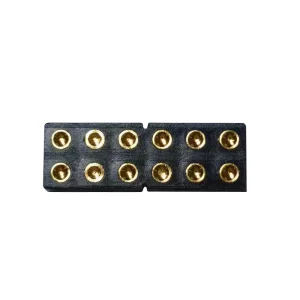
Explore our secondary portfolio featuring SMT charging pins, magnetic cables, and specialized DIP interface sockets.
 Rongqiangbin Electronic