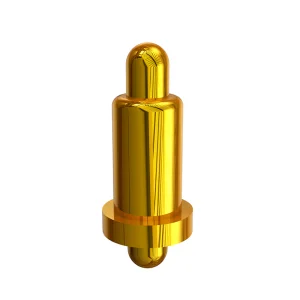
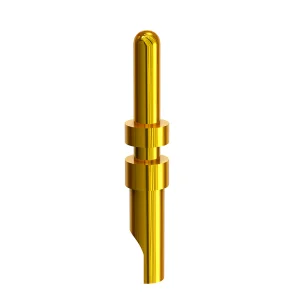
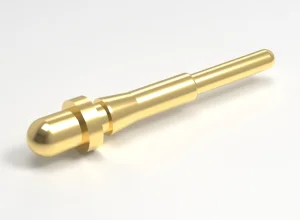
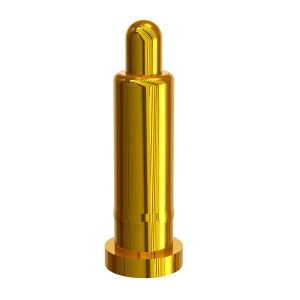
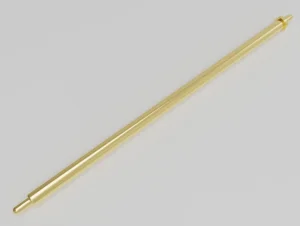
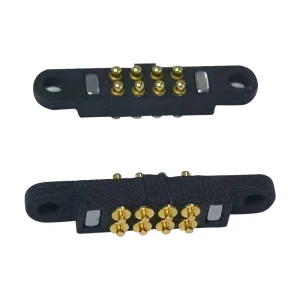
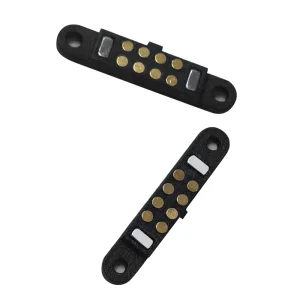
Explore our highly-engineered connectors, optimized for low resistance, high durability, and safe power transfer under demanding electrical configurations.
How Modern Power Distribution Demands are Revolutionizing Connector Architecture.
The global high-current connector market is experiencing unprecedented demand expansion. Driven by the electrification of transportation, high-power server farms for Artificial Intelligence (AI) computation, and the rise of automated heavy machinery, modern electronic systems now transmit quantities of energy that were once the exclusive domain of industrial electrical substations. These dynamics demand a shift in interconnect paradigms: from heavy, rigid copper busbars to highly flexible, compact, custom high-current pogo pins and spring-loaded kontakts.
In response to these trends, engineers and sourcing procurement officers must balance variables such as ambient operating temperature, cyclic thermal expansion, contact mechanical wear, and chemical resistance against harsh environmental factors. A generic connector is no longer adequate. Custom-designed high current systems are now critical enablers of device lifespan and system safety. Standard commercial off-the-shelf (COTS) components fail to meet the performance ceilings required by space-constrained assemblies, necessitating close partnerships with specialised manufacturers.
Minimizing bulk contact resistance is vital. Every milliohm ($\text{m}\Omega$) of resistance generates thermal loads ($I^2R$ losses) that can degrade host systems, melt substrates, or cause catastrophic thermal runaway in dense battery packs.
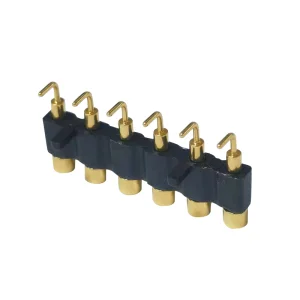
Modern applications require high-density power delivery. Pogo pins and custom pin matrices achieve high amperes-per-square-millimeter capacity, saving PCB footprint and weight in aerospace and automotive architectures.
Unlike fixed terminal blocks, custom spring-loaded terminals are designed to maintain electrical continuity throughout thousands of compression cycles, compensating for vibration and tolerance stack-ups.
A Premier Leader in High-Performance Connector Engineering & Precision Production.
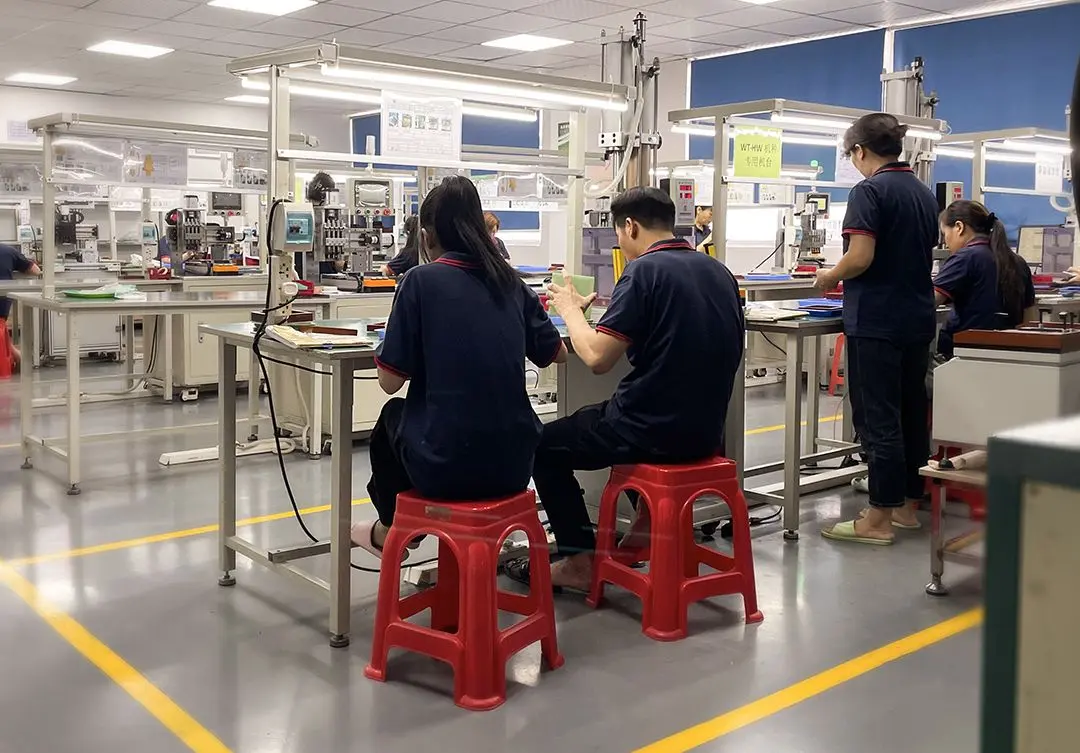
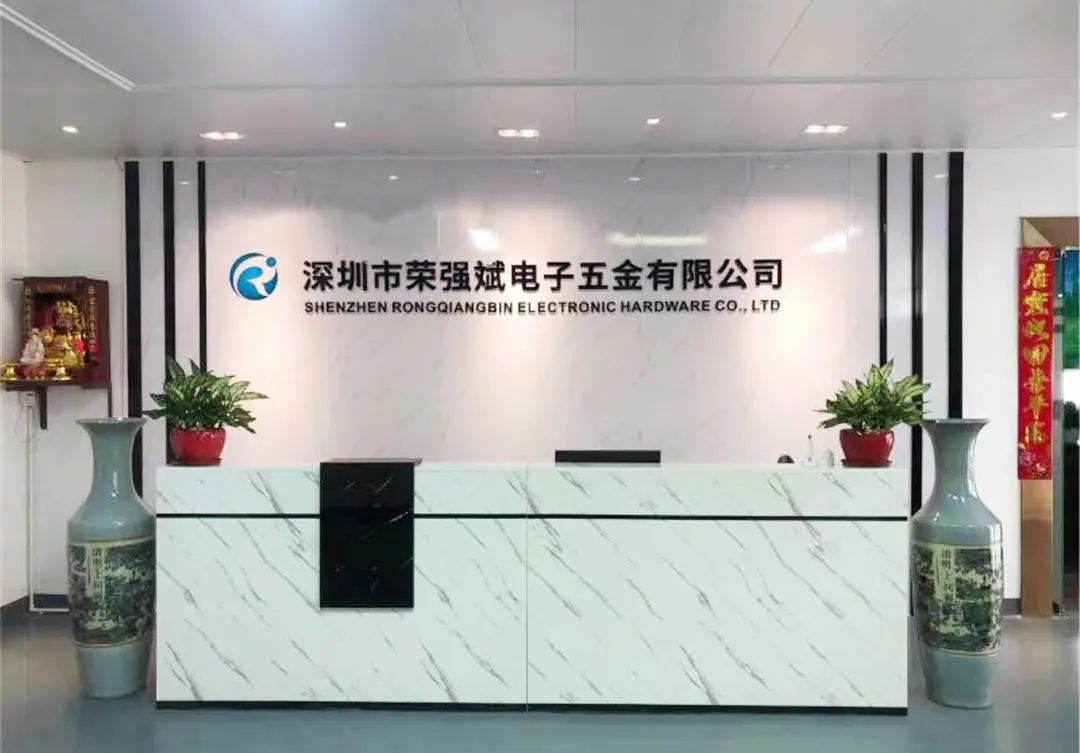
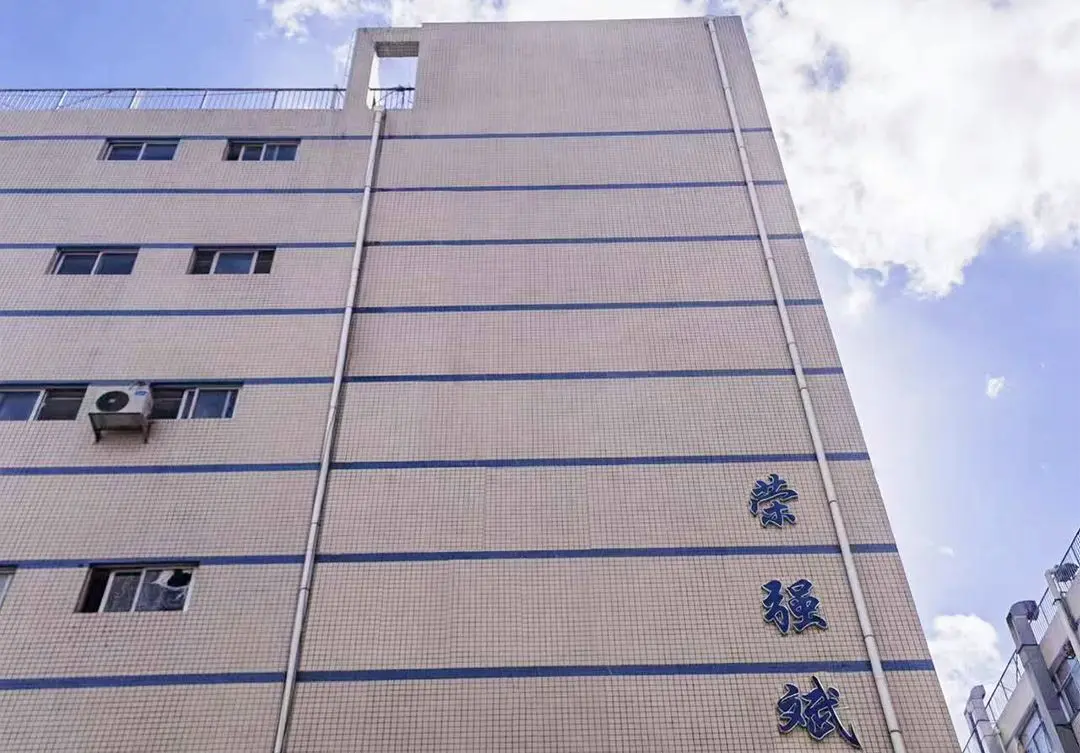
Shenzhen Rongqiangbin Electronic Hardware Co., Ltd. is located in Shenzhen, the leading city of the Guangdong-Hong Kong-Macao Greater Bay Area. Our company was founded in February 2011 in Songgang Street, Shenzhen, specializing in the development and manufacturing of premium Pogopin connectors. After years of continuous efforts and technological accumulation, the company has grown to become a recognized leader in the high-current and spring-loaded connector industry.
Our corporate spirit centers on the principle of "Customer first, integrity first". Backed by a strong POGO PIN industry technology production team, we have established long-term cooperative relationships with numerous world-renowned enterprises. To ensure global competitiveness and meet rigorous reliability standards, our facilities have obtained the ISO9001:2015 version of the international authoritative quality management system certification. We operate under a robust quality management team and comprehensive environmental management systems to supply products that comply with all global environmental and hazardous substance directives.
Our custom components are trusted by some of the most demanding names in modern industrial manufacturing and global consumer electronics, including: Honeywell, Samsung, SIEMENS AG, ZTE, 360, QCY, HAYLOU, Shanghai Laimu, Luxshare Group, Aoni Electronics, and Amphenol Group.
How customized high-current connectors fulfill domain-specific electrical requirements across global supply chains.
Electric vehicle (EV) charging ports and internal battery management systems (BMS) require high currents (often exceeding 100A peak loads) to achieve fast charging cycles. Our custom pin designs withstand vibration while maintaining continuous high power flow without thermal failure.
Automated Guided Vehicles (AGVs) and collaborative robots require high-current contacts for automatic dock charging stations. Here, spring-loaded pins provide structural compliance, accommodating mechanical misalignments and dust accumulation.
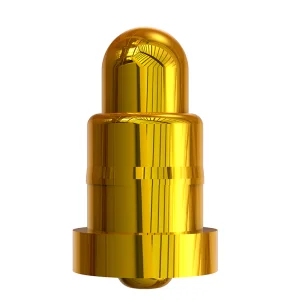
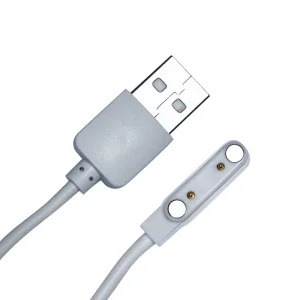
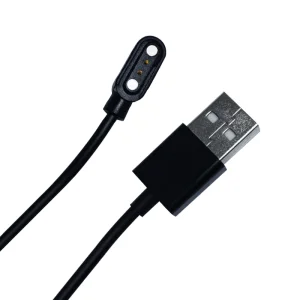
For modern smartwatches, premium headphones, and portable smart tech, our micro-pogo pins combine high charging speed with waterproof protection. Gold-plating prevents sweat corrosion while ensuring reliable performance.
Traditional blade-style connectors face severe degradation when subjected to mechanical misalignment or regular vibration. High current pogo pins resolve these vulnerabilities. By utilizing internal mechanical springs that maintain continuous compression, they absorb axial and radial movement. This mechanical decoupling guarantees stable contact force and low, consistent electrical resistance, protecting downstream circuits from power drops and voltage spikes.
A look at the next generation of materials, plating technologies, and engineering designs.
As standard currents move beyond the typical 5A-10A limits toward 30A-50A per contact channel, structural materials must adapt. Rongqiangbin's engineering team is actively testing and executing changes across three strategic vectors:
Standard gold-on-nickel platings can break down under high electrical arcing and friction. We are implementing multi-layer platings using Palladium-Nickel (Pd-Ni) capped with gold. This structure significantly increases wear resistance and extends the life of spring contacts to over 100,000 cycles, even in high-humidity or corrosive industrial environments.
Using finite element analysis (FEA) software, our engineers map temperature rises across the entire surface of custom pogo pins. By adjusting the composition of the brass body or beryllium copper springs, we reduce internal electrical resistance. This prevents thermal degradation and keeps performance stable throughout a product's lifecycle.
The future of industrial connectors is smart. We are designing multi-pin configurations that bundle power transmission lines with real-time feedback loops. These integrated sensor lines monitor local temperature, contact resistance, and mating alignment, enabling predictive maintenance in automated assembly lines and wind-energy systems.
Key information regarding high-current spring-loaded pins, electrical engineering challenges, and custom manufacturing processes.
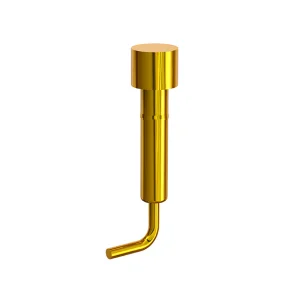
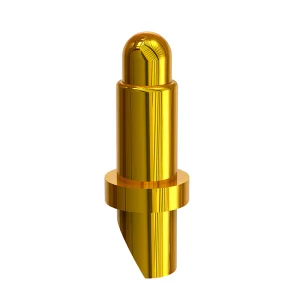
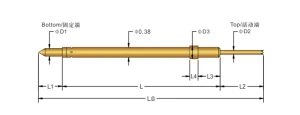
The current capacity of a pogo pin is limited by contact resistance and internal design. Typically, the spring inside a pogo pin has high resistance. Under high current, electricity must flow through the plunger and body rather than the spring to prevent spring damage. Custom high-current designs use ball-on-slope or bias-cut plunger architectures to maintain solid contact with the outer tube, keeping electrical resistance low and stable.
We use finite element analysis (FEA) to simulate thermal dissipation across custom components. Using materials with low electrical resistance, like beryllium-copper alloys, and increasing the thickness of our gold-alloy plating, we keep temperature rises (ΔT) within safe levels, even under continuous operation at 30A or higher.
Standard connectors rarely match specific PCB heights, mechanical tolerances, and spatial restrictions. Custom connectors are designed to align with your application's unique envelope, mechanical force targets, environmental sealing needs (such as IP67/IP68), and exact electrical demands. This helps prevent field failures and optimizes space.
Contaminants like dust and moisture create barrier films that raise electrical resistance. To counter this, our custom solutions feature high-spring-force designs that slice through surface debris. We also offer waterproof housings (IPX7+) and corrosion-resistant platings to protect the underlying copper substrate from oxidation.
For custom pogo pins and spring-loaded connector arrays, tooling and design validation typically take 7 to 10 working days. Once the prototypes are approved, volume production is completed within 2 to 3 weeks, depending on assembly complexity and order size.
We perform 100% inspections at key stages of production and before shipping. Quality checks include contact resistance tests, spring force mapping, salt spray testing for corrosion resistance, and high-frequency electrical simulation to ensure durability and stable performance in the field.
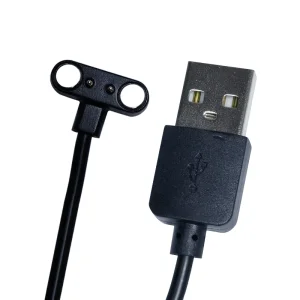
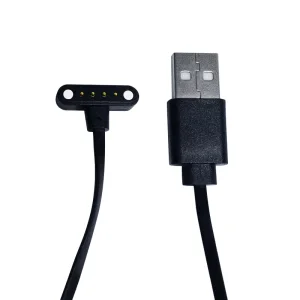
Explore further configurations of custom pogo pins, high-amp connectors, and specialized magnetic cables designed for high power delivery.
 Rongqiangbin Electronic