Premium spring-loaded components matching rigorous performance metrics of standard Digikey series.
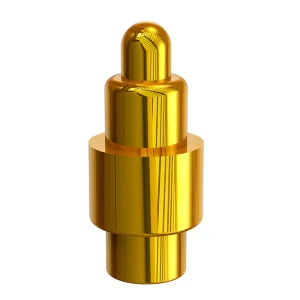
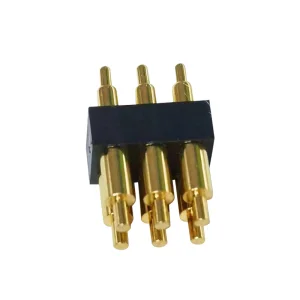
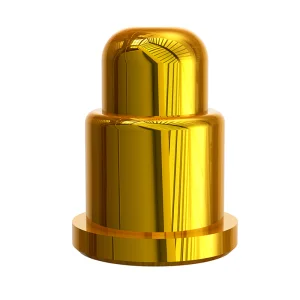
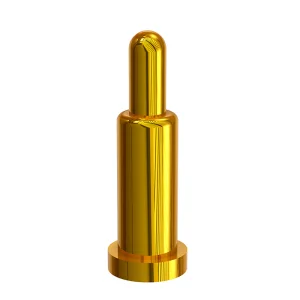
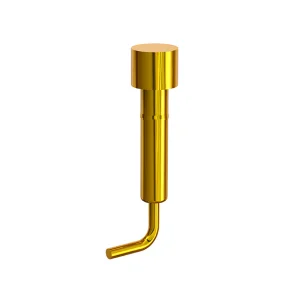
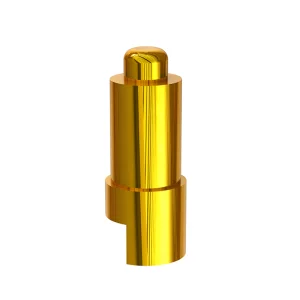
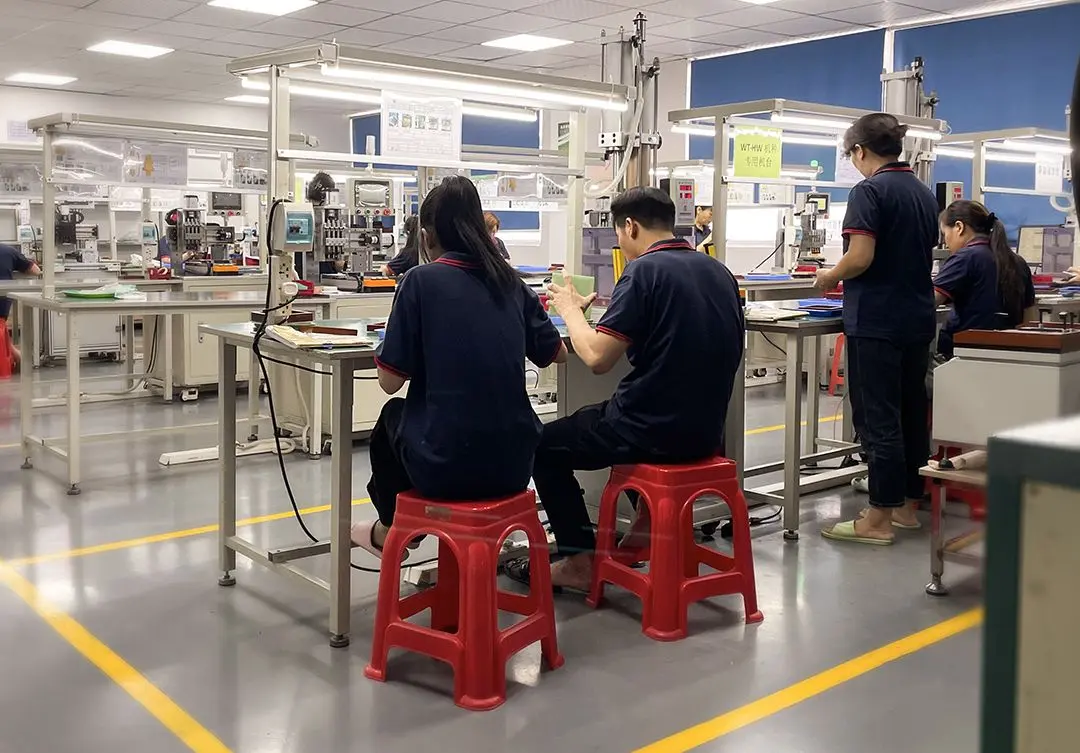
Founded in February 2011 in Songgang Street, Shenzhen, within the highly integrated manufacturing ecosystem of the Guangdong-Hong Kong-Macao Greater Bay Area, Shenzhen Rongqiangbin Electronic Hardware Co., Ltd. has established itself as an authoritative leader in the development and manufacturing of custom and standard Pogo Pin connectors.
Over a decade of focus and deep industry penetration has resulted in a comprehensive ecosystem tailored to high-reliability interconnect designs. We serve as a trusted direct manufacturer and custom designer for global clients looking to source high-durability alternatives to Digikey listed pogo pins, delivering comparable technical profiles at a significant value advantage.

A comprehensive review of precision connection mechanics, plating technologies, and miniaturization trends shaping global electronics design.
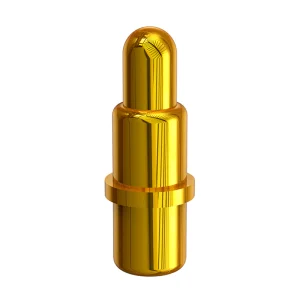
Modern design cycles demand high packaging density. Traditional board-to-board connectors are increasingly replaced by ultra-fine pitch SMT (Surface Mount Technology) Pogo Pins. Today’s applications require pin pitches to drop down to 1.0mm or even 0.8mm, compelling manufacturers to execute microscopic tolerances. With over 300 patents, our engineering team utilizes high-precision CNC lathe machining to manufacture plungers and barrels down to 0.5mm diameters, ensuring consistent mechanical contact without compromising durability.
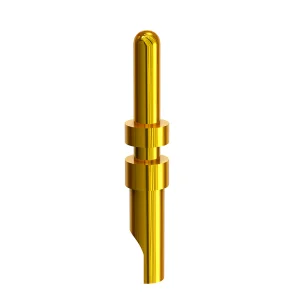
Fast-charging systems, high-speed data transmission modules, and EV charging interfaces require Pogo Pins to handle transient currents ranging from 2A up to 30A. Standard spring pins can experience thermal build-up and plating breakdown under high current. To mitigate this, we deploy bias-cut plungers or ball-inside-plunger configurations. These innovations guarantee a reliable path for electricity, lowering internal contact resistance to less than 30mΩ, and safeguarding signal integrity.
Exposure to sweat, moisture, and high salinity limits the lifespan of standard connectors in smart wearables and industrial equipment. Our plating processes conform to strict global standards, featuring customized multi-layer gold plating (up to 30u” Au over Nickel) and palladium-nickel (Pd-Ni) options. This specialized material configuration provides exceptional chemical stability, wear resistance, and long-term durability up to 1,000,000 compression cycles.
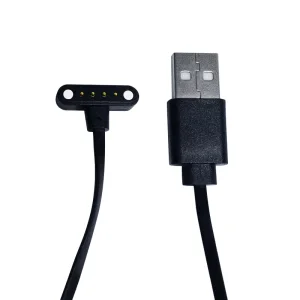
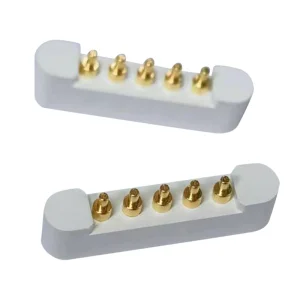
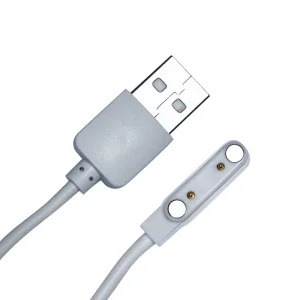
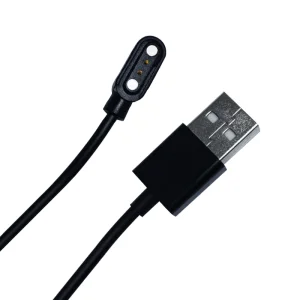
Commercial products increasingly favor blind-mating interfaces to improve usability and reduce port wear. Combining neodymium magnets with custom-arranged Pogo Pin arrays produces an easy-to-use, water-resistant interface. Our custom magnetic cables (ranging from 2-pin to 6-pin arrays) are designed to withstand rugged physical use, serving sectors from healthcare sensors to consumer wearables.
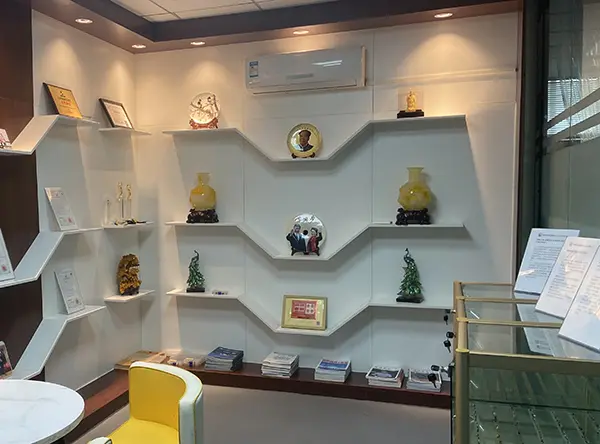
Sourcing spring contacts directly from our Shenzhen production facility offers distinct commercial and technical advantages over standard catalog distribution platforms like Digi-Key, particularly for custom layouts and high-volume orders.
Deploying specialized spring-loaded pin designs to solve critical transmission and power delivery challenges across industries.
TWS earbuds and smartwatches call for corrosion-resistant, sweat-proof, and compact pogo pins. Our custom plating stands up to body acidity, preventing connector failures for top brands like QCY and HAYLOU.
Partnering with Honeywell and Siemens, we supply heavy-duty spring pins that withstand continuous shock, vibration, and thermal shifts, maintaining low contact resistance throughout.
Patient monitoring systems, diagnostic tools, and modular medical devices require highly reliable connection interfaces. We deliver biocompatible, non-magnetic materials that prevent magnetic distortion.
When sourcing alternatives to catalog connectors from global manufacturers, engineering and procurement teams should verify these essential quality standards:
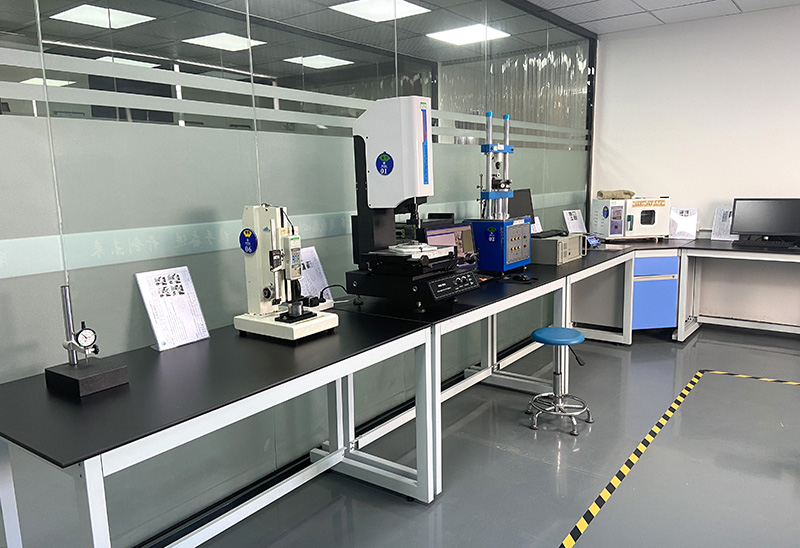
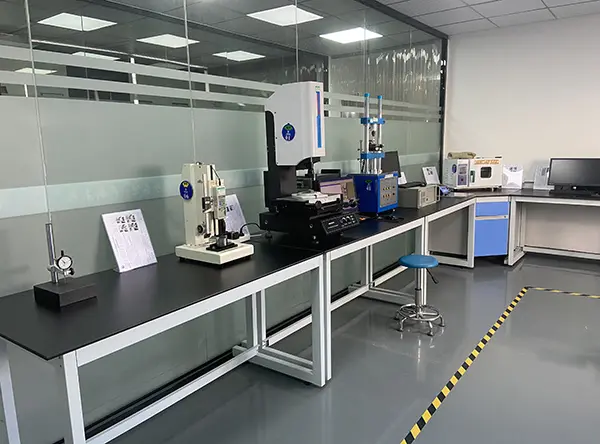
At Shenzhen Rongqiangbin, our strict quality control workflow monitors every step of production:
Explore custom multi-pin blocks, new energy interfaces, and high-frequency charging arrays.
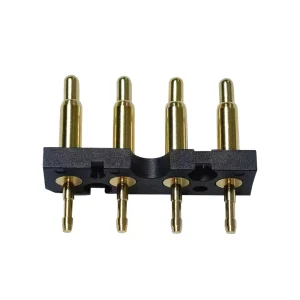
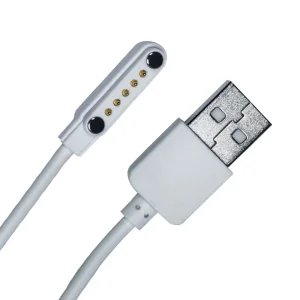
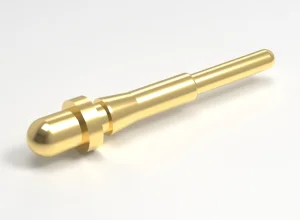
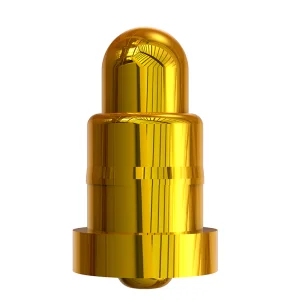
Expert engineering answers about performance, testing standards, and structural configurations.
 Rongqiangbin Electronic