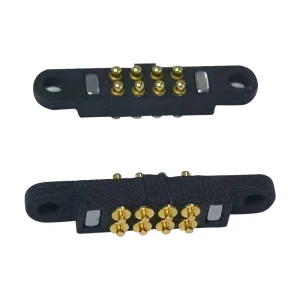
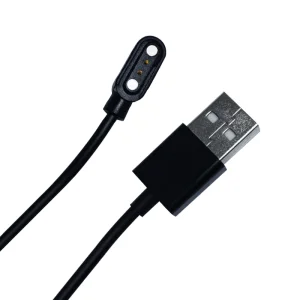
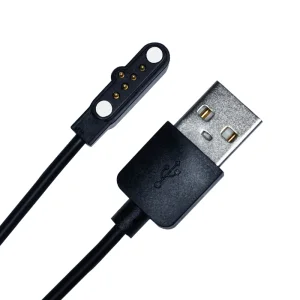
Explore our high-performance standard and custom spring-loaded magnetic connector modules, engineered for durability, water resistance, and rapid power transmission.
In the rapidly advancing world of wearable technology, consumer expectations for battery life, device aesthetics, and charging convenience are at an all-time high. The mechanical interface of a smart device is no longer just a functional necessity; it is a critical differentiator in user experience and product reliability. Traditionally, micro-USB or USB-C ports were the standard for smart electronics. However, the physical constraints of smartwatch design—specifically, the need for waterproofing, sweat resistance, and miniaturization—have phased out open ports in favor of spring-loaded Pogo Pin chargers.
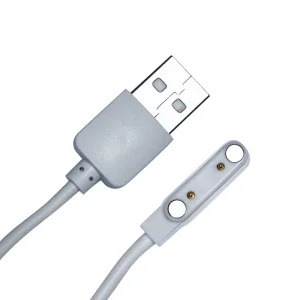
A high-quality Pogo Pin charger utilizes spring-loaded pins inside a docking system or magnetic cable interface to match electrical contacts on the reverse side of the smartwatch. By combining mechanical engineering precision, material science, and custom magnetism, modern manufacturers can build extremely reliable, durable, and weather-resistant charging connections. This whitepaper analyzes the current market dynamics, technological roadmaps, and manufacturing best practices that guide global procurement directors and hardware design engineers in selecting the ultimate Pogo Pin charging partner.
As procurement managers across North America, Europe, and the APAC region audit potential suppliers, their criteria have shifted from purely unit-cost evaluations to lifecycle reliability and compliance metrics. In our analysis of search intent and RFQ (Request for Quote) data, three major trends stand out:
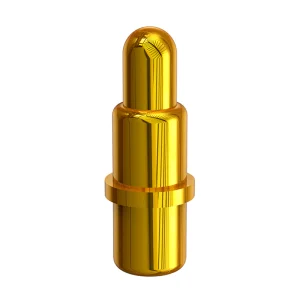
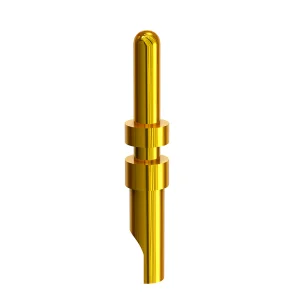
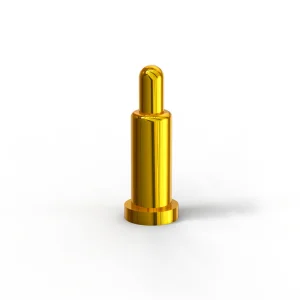
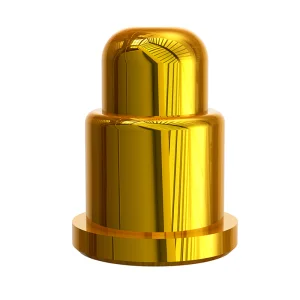
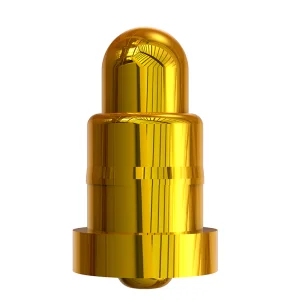
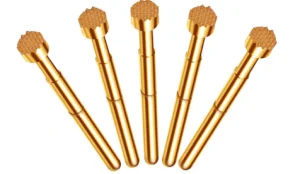
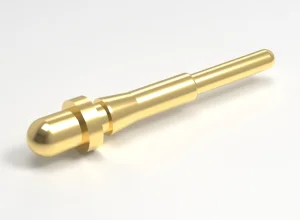
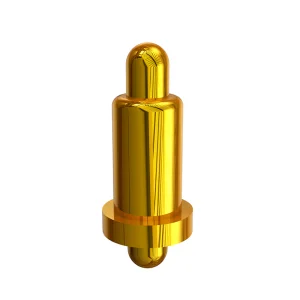
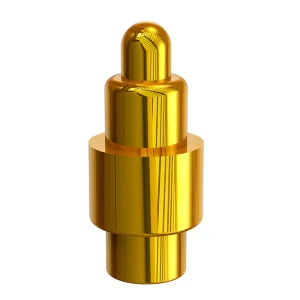
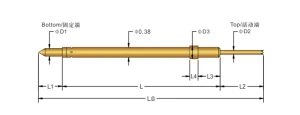
A Pogo Pin is a precision mechanical device composed of a plunger, a spring, and a barrel. To engineer a high-reliability smartwatch charger, each of these components must undergo rigorous physical testing and optimization:
Typically, brass is used as the base metal due to its excellent electrical conductivity and machinability. The outer plating layer, however, is the defense barrier. While standard consumer products might use 3 to 5 micro-inches (u") of gold, high-reliability smartwatch pogo pins demand up to 30u" to 50u" of gold plating over a nickel undercoat. Advanced designs even incorporate Palladium-Nickel (Pd-Ni) or Platinum coatings to completely eliminate galvanic corrosion caused by biological contact.
The internal spring, usually made from stainless steel (SUS) or music wire, determines the contact force. Too little force results in high contact resistance and intermittent charging. Too much force causes accelerated wear on the mating target contact pad. The golden mean is usually around 50 to 120 grams of force at operating height, allowing for more than 100,000 compression cycles without degradation.
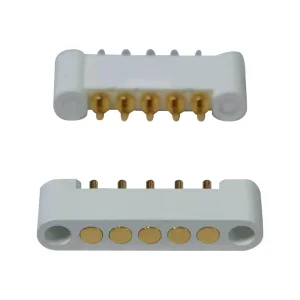
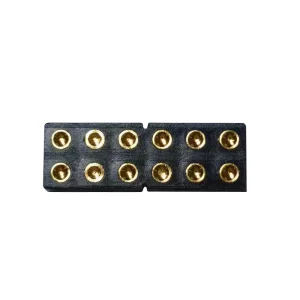
Every brand’s industrial design team has a unique aesthetic and spatial constraint. This is where standardized components fall short. Shenzhen Rongqiangbin Electronic Hardware Co., Ltd. specializes in tailored ODM and OEM designs, matching exact mechanical housing dimensions, number of pins (from 2-pin up to high-density 12-pin configurations), and magnetic pull forces.
Our design cycle is optimized for speed and reliability. Leveraging 3D electromagnetic and mechanical simulation software, we model the magnetic flux lines and contact resistances before a single tool is cut. This preemptive engineering ensures that the first physical prototype works flawlessly, shortening product time-to-market.
Shenzhen Rongqiangbin Electronic Hardware Co., Ltd. is located in Shenzhen, the leading city of the Guangdong-Hong Kong-Macao Greater Bay Area. Our company was founded in February 2011 in Songgang Street, Shenzhen, specializing in the development and manufacturing of Pogo Pin connectors. After years of efforts and sedimentation, the company gradually became a leader in the connector industry.
Guided by our company's spirit of "customer first, integrity first", we have established a strong Pogo Pin industry technology production team. We maintain long-term, stable cooperative relationships with dynamic, world-leading enterprises.

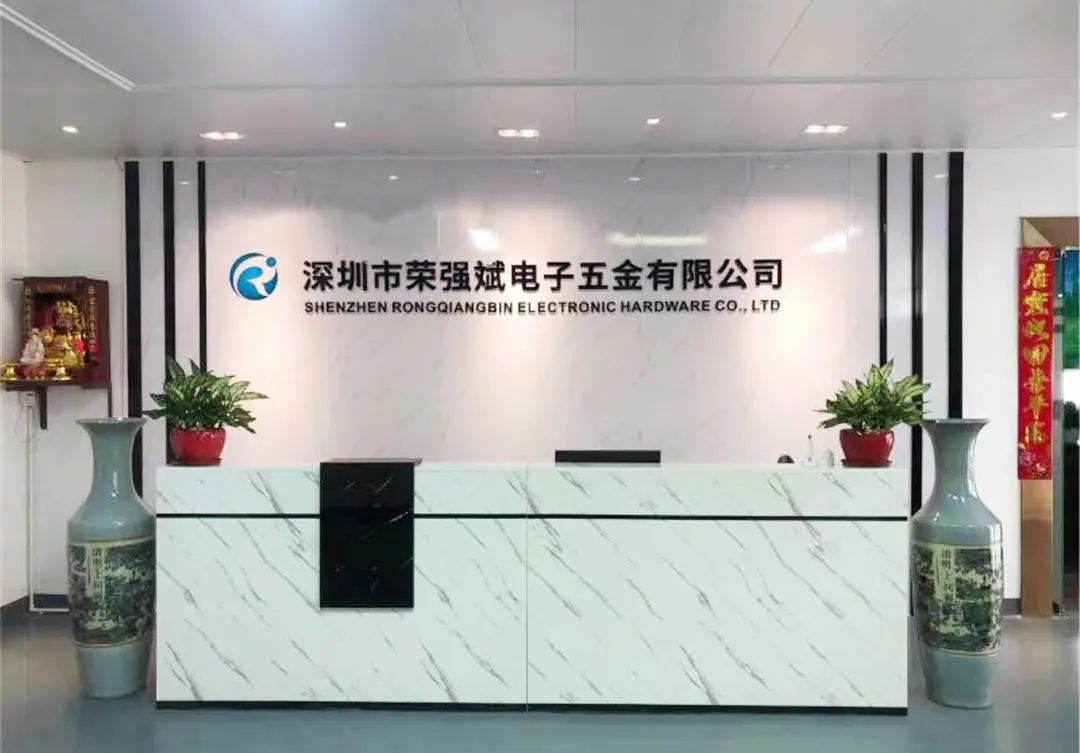

We are committed to delivering the highest caliber of components. Our factory has obtained the ISO9001:2015 version of the international authoritative quality management system certification. With a robust quality management framework and environmental systems, we guarantee high-quality, eco-friendly products compliant with RoHS and REACH requirements.



To verify that each batch of custom Pogo Pin chargers matches your operational guidelines, our quality assurance lab conducts intensive stress tests. No component leaves the facility without passing our multi-stage inspection criteria:
Building a global supply chain requires more than just manufacturing high-end parts; it demands seamless logistic alignment, engineering support, and stringent environmental certifications.
At Shenzhen Rongqiangbin Electronic Hardware Co., Ltd., we provide end-to-end support for our overseas buyers. Our engineering team assists with your PCB layouts, housing designs, and 3D step-file integrations. We understand the import/export compliance frameworks across the EU and USA, ensuring our products hold valid CE, RoHS, and REACH certificates, allowing for clean custom clearance and zero supply chain delays.
As smartwatches become medical-grade health diagnostic centers, their sensors require continuous data collection and rapidly increasing charging capacities. The standard charging configuration is undergoing revolutionary alterations:
Explore our comprehensive lineup of advanced pogo pin charging systems, custom high-current interfaces, and automotive connector pins.
 Rongqiangbin Electronic