Explore our high-performance solutions, featuring reliable conductivity, waterproof sealing, and magnetic self-alignment.
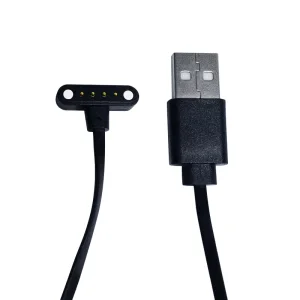
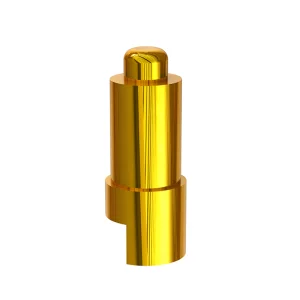
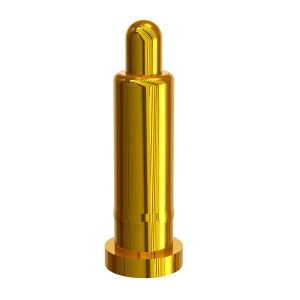
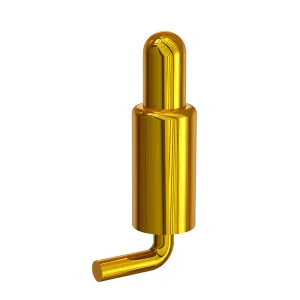
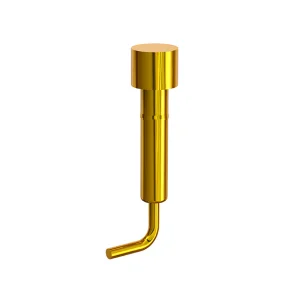
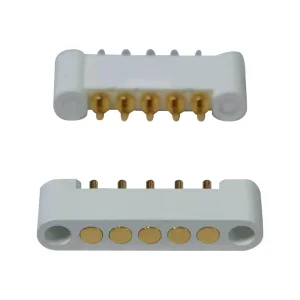
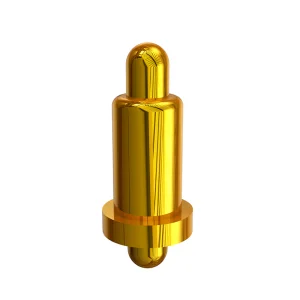
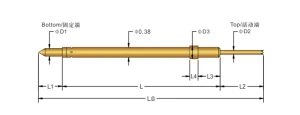
In the rapidly advancing landscape of micro-electronics and smart devices, the demand for highly reliable, intuitive, and space-saving connectors has surged. Traditional mechanical connectors, while functional, suffer from degradation over cycles, complex coupling alignment, and vulnerability to environmental contaminants like dust and moisture. This is where Spring-Loaded Magnetic Pogo Pin Connectors have emerged as the industry standard.
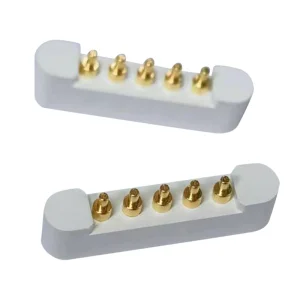
By integrating NdFeB permanent magnets with precision-turned, spring-loaded brass plungers, these interfaces offer seamless self-alignment, instant connection/disconnection, and extreme mechanical durability. From premium consumer wearables to critical clinical medical equipment and rugged industrial IoT nodes, magnetic pogo pin technology is revolutionizing power delivery and high-frequency data transmission.
Unlike friction-based interfaces (such as Micro-USB or USB-C), pogo pins make surface-level contact. This minimizes physical scraping, preserving gold plating and preventing contact resistance spikes even after 100,000 mating cycles.
Magnetic attraction guides the male plug directly to the female socket. If a cable is pulled accidentally, it detaches cleanly without damaging the internal hardware or pulling the host device off its mount.
Technical benchmarks that procurement engineers utilize to specify high-performance custom pogo pins.
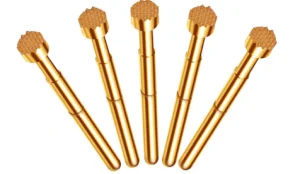
The integrity of a pogo pin connector rests entirely on its metallic formulation. Plungers and barrels are precision CNC-machined from C3604 brass, and subsequently coated. Standard coatings involve nickel diffusion barriers under a high-purity gold plating (ranging from 3u" to 50u" depending on custom requirements) to optimize oxidation resistance and galvanic stability.
Engineered internal springs (typically SUS304 or music wire) are calibrated to maintain precise vertical forces. Normal force configurations are optimized between 30g and 120g to ensure stable mechanical contact under vibration, while simultaneously preventing premature wear on the mating target surface.
Modern devices demand rapid power throughput. Customized multi-pin magnetic arrays support charging currents up to 10A per pin while keeping thermal dissipation minimal (ΔT < 30°C). Concurrently, characteristic impedance matching enables stable USB 2.0/3.1 signal transmission over magnetic interfaces.
A trusted global leader in Pogo Pin and Magnetic Connector engineering located in the heart of China's technological hub.
Shenzhen Rongqiangbin Electronic Hardware Co., Ltd. is strategically located in Shenzhen, the leading city of the Guangdong-Hong Kong-Macao Greater Bay Area. Founded in February 2011 in Songgang Street, Shenzhen, our enterprise specializes in the research, development, and high-volume precision manufacturing of top-tier Pogopin connectors. Over more than a decade of persistent efforts, technological accumulation, and quality-driven growth, we have transitioned into a market leader within the precision interconnect sector.
Our enterprise operates under the core principles of "customer first, integrity first." Armed with a robust, highly skilled R&D team and state-of-the-art automated manufacturing infrastructure, we design customized solutions that integrate seamlessly with our customers' proprietary layouts. RQB has successfully attained the rigorous ISO9001:2015 international quality management system certification, cementing our reliability as a global supply chain partner.
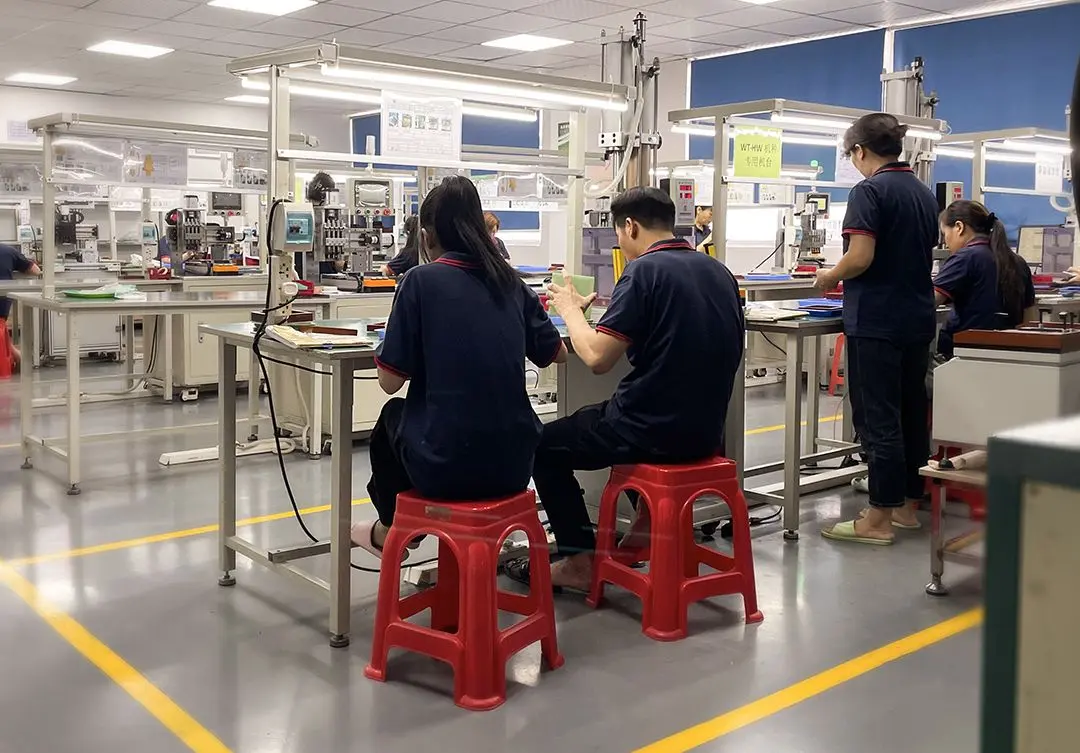
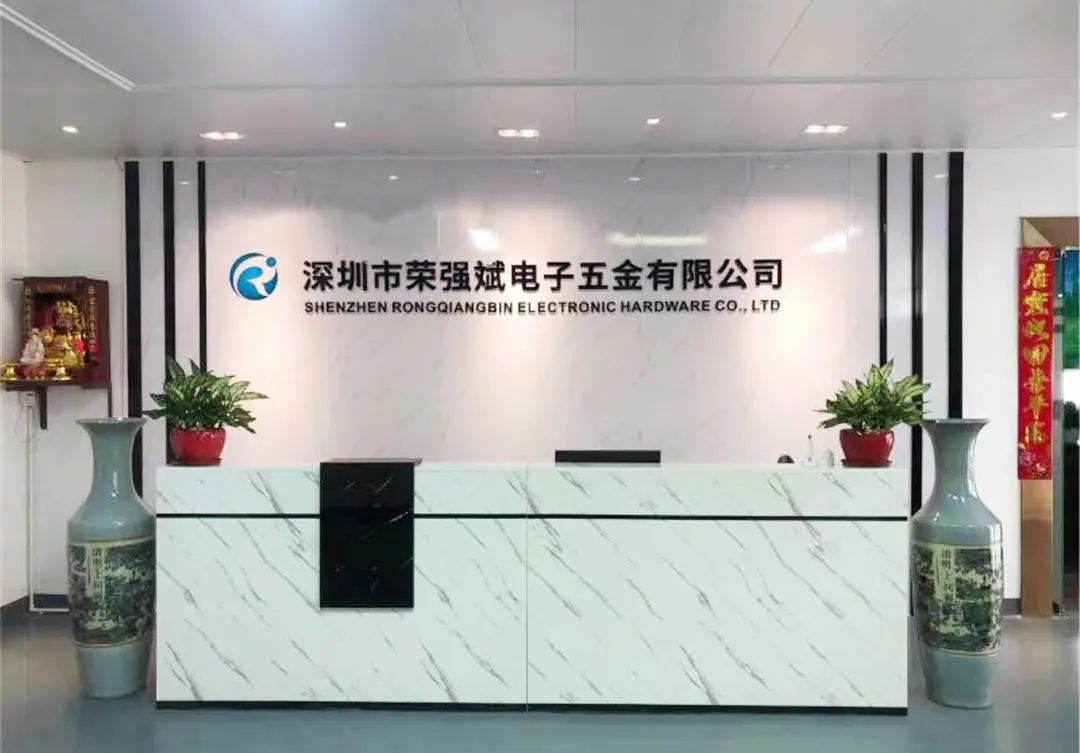
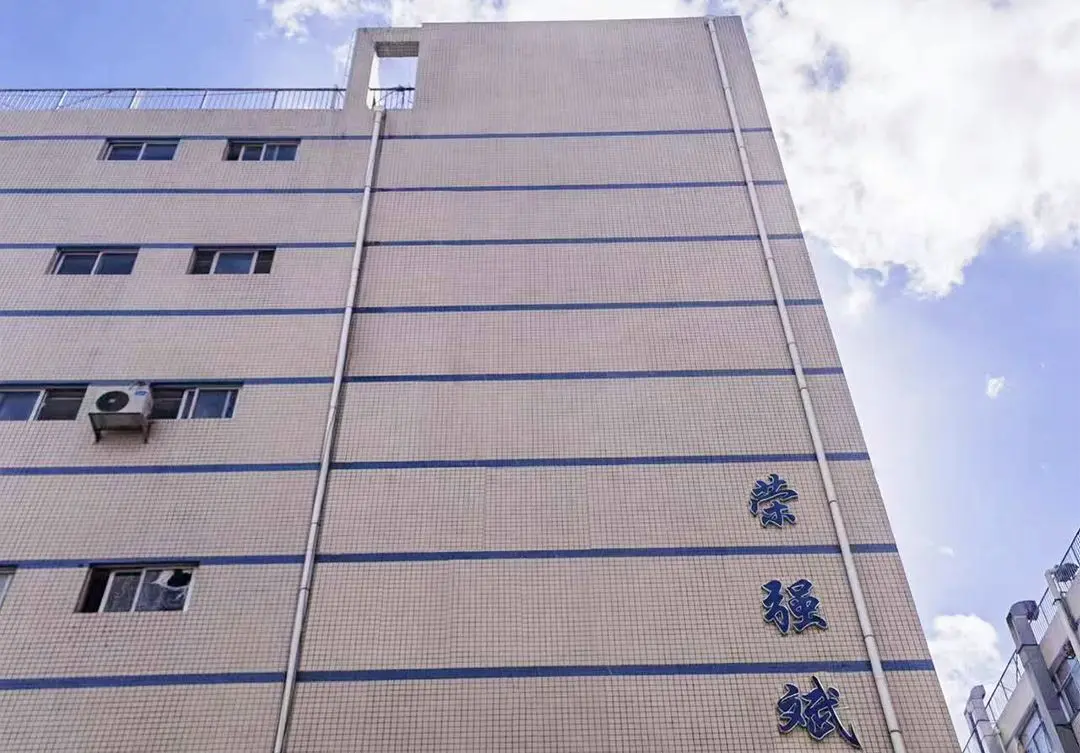
An unmatched combination of engineering expertise, certified reliability, and production scalability.
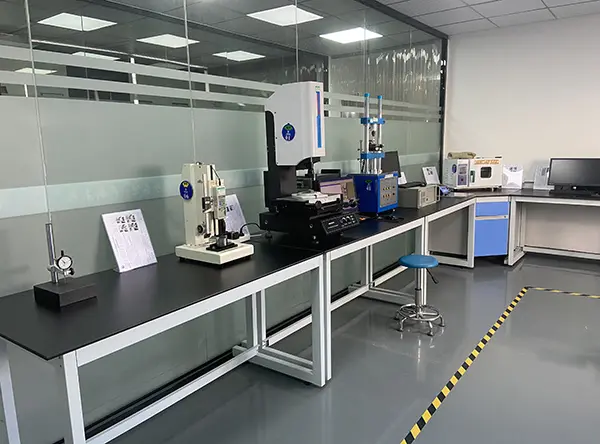
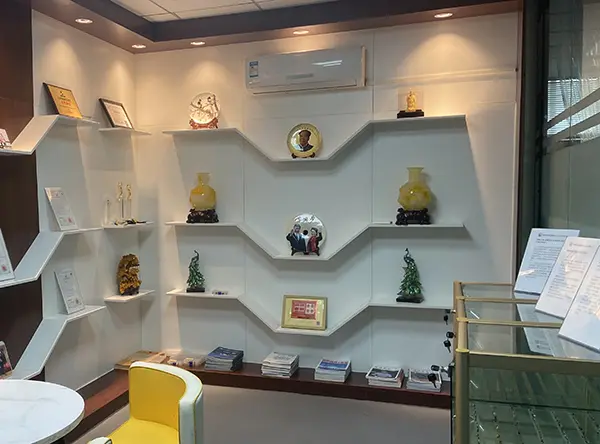
"Committed to be an excellent POGO PIN manufacturer for both quality and cost domestically and abroad, and leading connector technology development."
Shenzhen's industrial cluster hosts the most concentrated electronics supply chain globally. For international buyers seeking custom pogo pins, sourcing directly from Shenzhen Rongqiangbin offers critical cost and time-to-market advantages:
Our localized manufacturing model links tooling designers, material suppliers, and specialized electroplating facilities within a 30-minute logistics radius. This vertical integration allows RQB to rapidly deploy customized tooling setups and execute dynamic design modifications at fraction of the typical cost in Western markets. The result is a highly streamlined, scalable process from design concept to large-scale production.
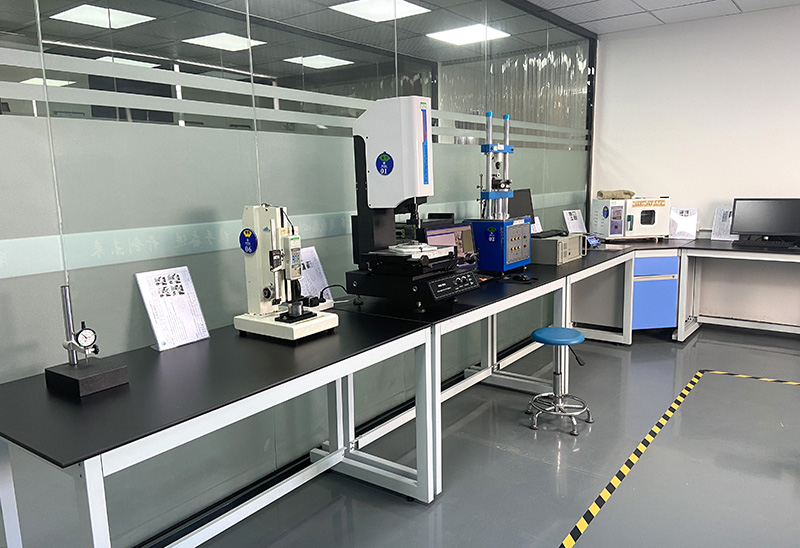
Our pins are engineered to withstand the thermal profiles of lead-free reflow soldering (peak temperatures up to 260°C). High-temperature plastics (LCP/PA9T) ensure dimensional stability during SMT operations.

Our specialized engineering team utilizes advanced finite element analysis (FEA) to simulate mechanical stress and current distribution, minimizing development cycle errors.
Adapting spring-loaded contacts to extreme environments and specialized industry requirements.
Smartwatches, TWS Bluetooth earbuds, VR/AR headsets, and magnetic keyboard interfaces. Here, low contact profile, lightweight design, and user-friendly magnetic connection are paramount.
Portable ultrasound probes, wearable glucose monitors, and clinical diagnostic docks. Demands biocompatible plating materials, IPX7/IPX8 waterproofing, and sterilization-tolerant structural materials.
Fleet telematics trackers, in-vehicle charging cradles, and robotic end-of-arm tooling. Requires ruggedized pogo pin configurations engineered to absorb severe shock and structural vibration.
Premium OEM/ODM options designed to meet your project specifications.
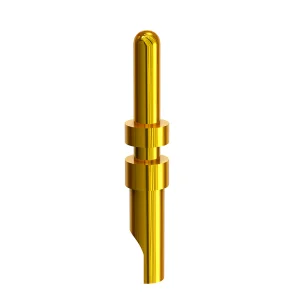
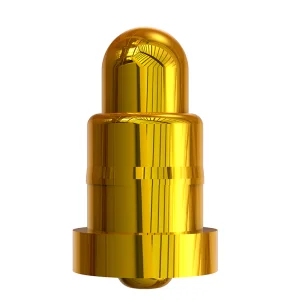
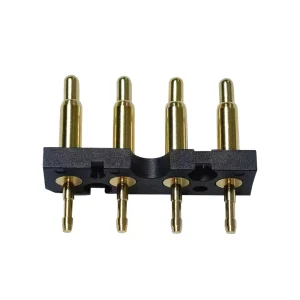
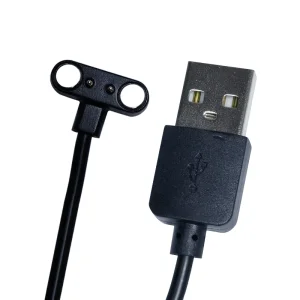
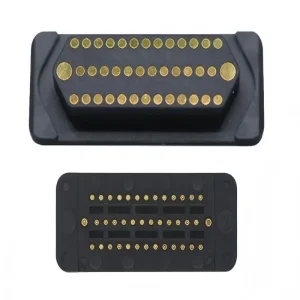
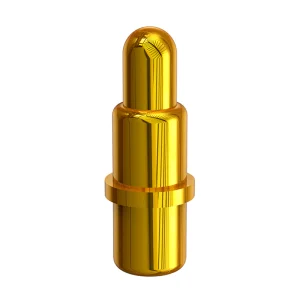
An analytical roadmap for global procurement directors and hardware architects.
1. Miniaturization with High Density: As smart rings, advanced hearables, and implantable medical monitors shrink, pitch distances are compressing from 2.54mm down to sub-1.0mm. SMT assembly requires high coplanarity tolerances (<0.05mm) to guarantee clean, un-shorted solder connections during production.
2. High-Speed Protocol Integration: The implementation of Type-C parameters onto a magnetic docking interface demands advanced structural planning. Pin configurations must shield high-speed RX/TX differential pairs to minimize cross-talk and maintain signal integrity at data transfer speeds exceeding 5Gbps.
3. Enhanced Corrosion Resistance: Sweat and skin contact pose severe corrosion challenges for standard charging pins. Advanced alloys and coatings, such as Palladium-Nickel (Pd-Ni) or Rhodium-Ruthenium over a gold layer, are widely deployed to counter galvanic corrosion and sweat-induced electrolysis.
To safeguard supply chain resilience and product quality, global hardware sourcing managers should prioritize manufacturers that meet the following criteria:
In-House Vertical Integration: Verify that the factory possesses CNC machining, injection molding, SMT assembly, and automated testing under one roof to minimize shipping delays and trace defects effectively.
Verification of ISO & RoHS Standards: Demand testing documentation (such as ICP/MS analysis certificates) to confirm lead-free compliant materials and verify compliance with global environmental guidelines.
Life Cycle & Stress-Testing Data: Request official reports on mechanical lifetime tests (min. 50,000 insertions), salt spray exposure (standard 48h to 96h), and maximum temperature rises at continuous load currents.
Detailed technical answers addressing common design and procurement concerns.
 Rongqiangbin Electronic