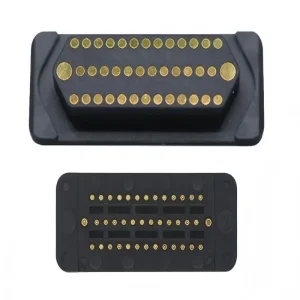
High-performance mechanical components engineered for extreme durability, low contact resistance, and optimal electrical pathing.
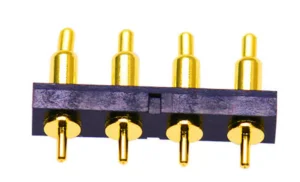
In modern electronics manufacturing, contact reliability dictates performance. Spring contact probes (often designated as Pogo Pins) serve as the vital mechanical linkages that ensure continuous electrical conductivity under physical vibration, thermal expansion, and repeated connection cycles.
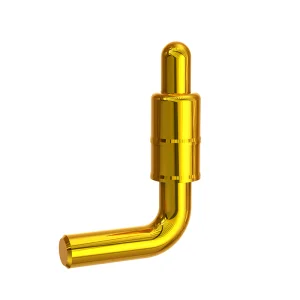
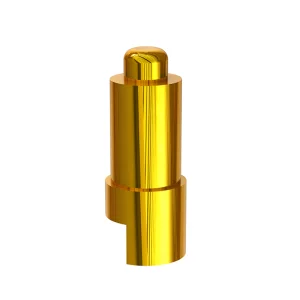
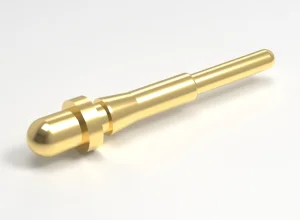
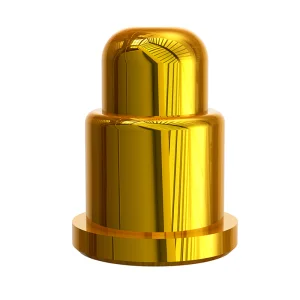
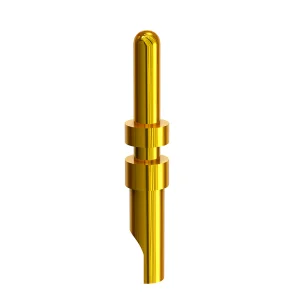
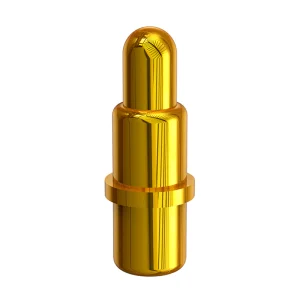
By employing advanced metallurgical treatments and precision turning methods, our contact interfaces mitigate the risk of intermittent connection loss. We design customized plunger configurations—ranging from flat, spherical, pointed, to multi-point crown shapes—engineered to pierce oxidation layers on the mating surface while preserving the mechanical integrity of target contact pads.
Providing cross-sector interconnect configurations optimized for harsh environments, heavy cycles, and micro-pitch designs.
Ultra-fine pitch probes designed to meet the rigorous demands of wafer level chip-scale packaging (WLCSP) testing and automated test equipment (ATE) fixtures. Exceptional compliance ensures minimal pad damage and high-frequency signal propagation.
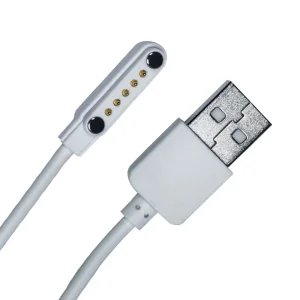
Robust, high-current spring contacts engineered to withstand extreme vibrations and thermal cycles in Electric Vehicle (EV) battery management systems and magnetic fast-charging docks.
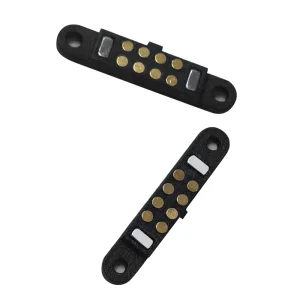
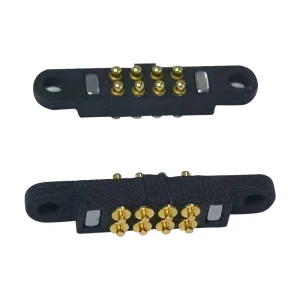
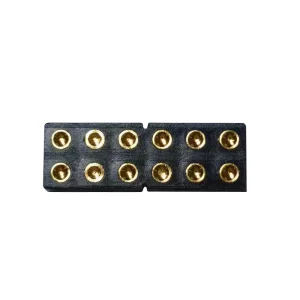
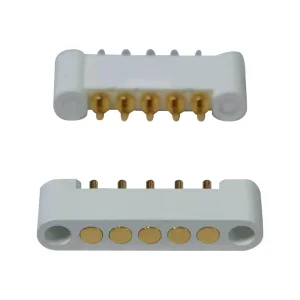
Space-saving low-profile magnetic and SMT spring connectors that preserve waterproof seals (IP67/IP68). Ideal for smartwatches, personal medical devices, and ergonomic wireless accessories.
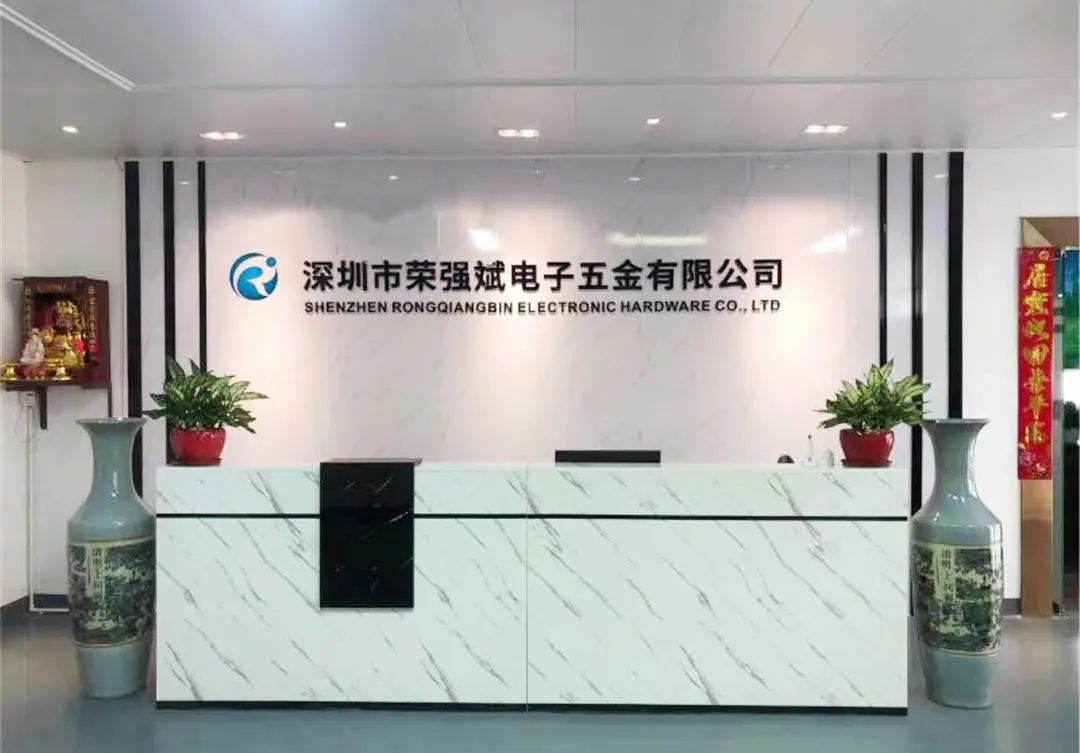
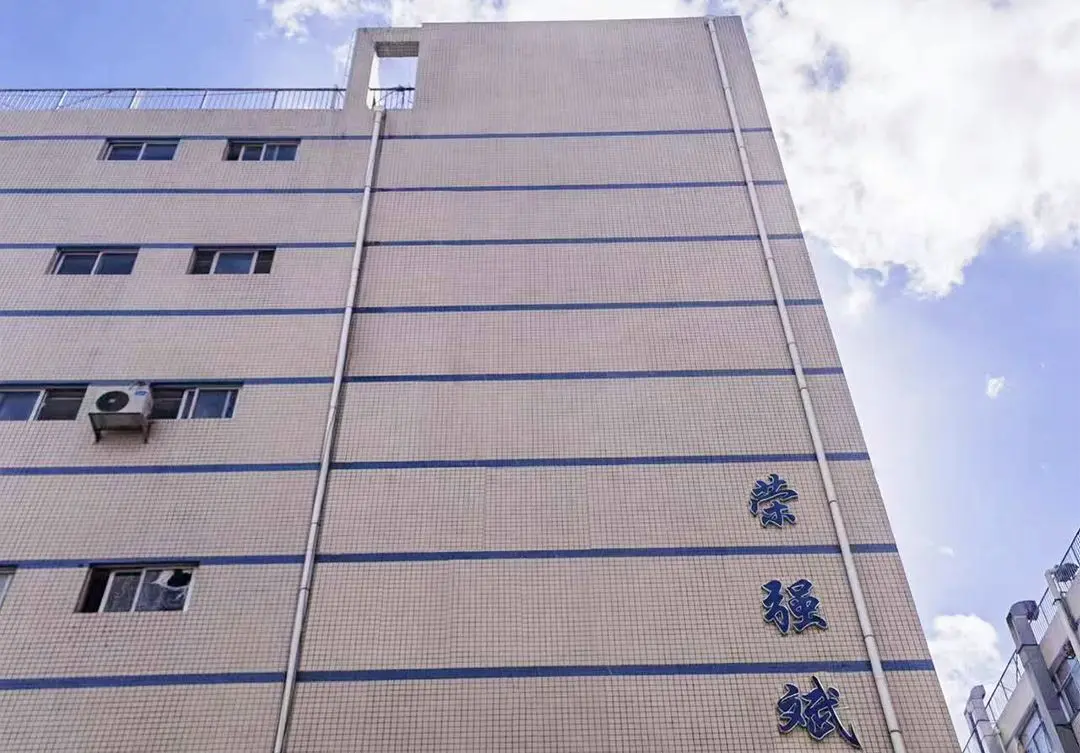
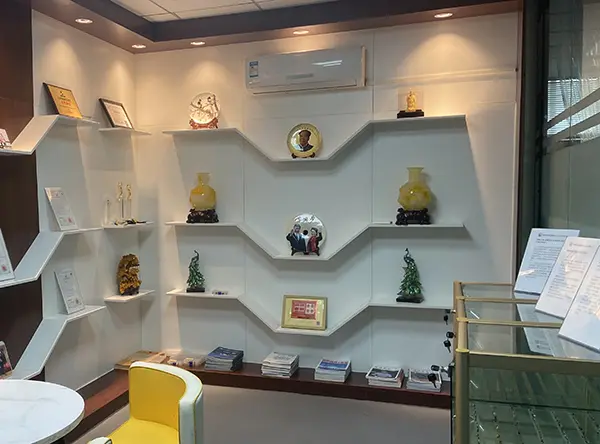
Founded in February 2011 on Songgang Street, Shenzhen, within the highly connected Guangdong-Hong Kong-Macao Greater Bay Area, our company has pioneered advanced connector technology for over a decade.
We specialize in the research, development, and high-volume manufacture of Pogo Pin connectors and precision spring-loaded hardware. Over years of development and technical refinement, Rongqiangbin has risen to a position of leadership in the global connector industry.
Adhering strictly to the business philosophy of "customer first, integrity first," we maintain a robust design, manufacturing, and QA ecosystem. We hold authoritative international certifications, including the ISO9001:2015 quality management system, and implement comprehensive environmental initiatives to meet global green directives.
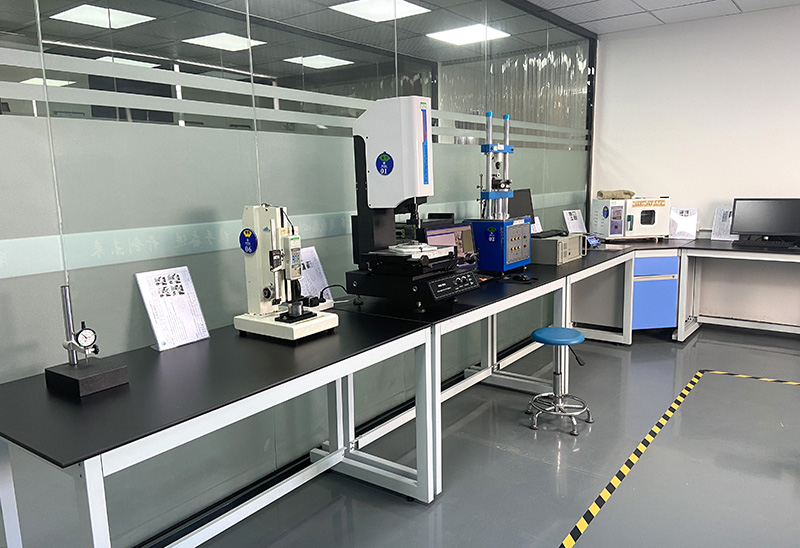
Our commitment to rigorous engineering processes, verification protocols, and custom tooling makes us a trusted supply partner.
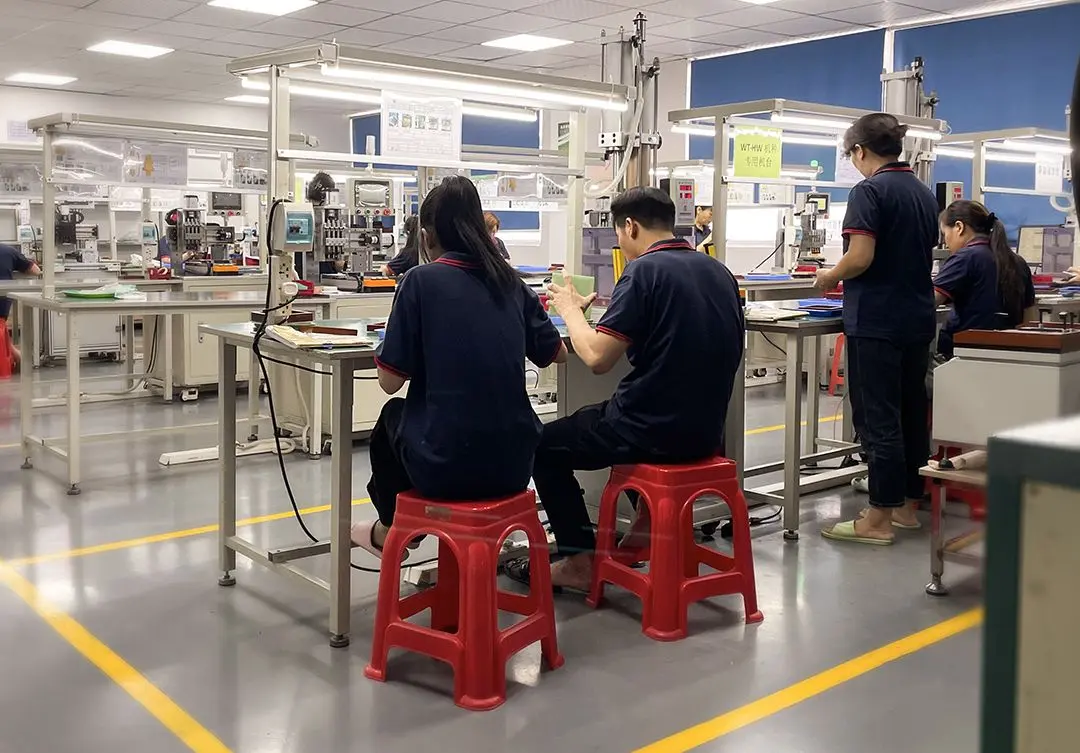
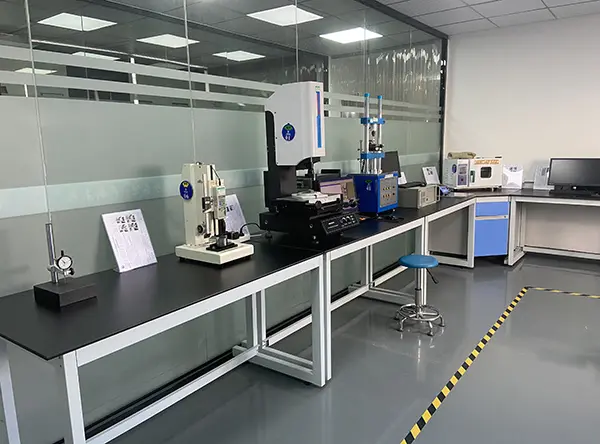
To maintain complete reliability in critical electrical contacts, our state-of-the-art metrology labs feature key instrumentation: contact resistance testers, mechanical load-displacement plotters, X-ray plating thickness analyzers, and environmental chambers for salt-spray and thermal shock testing.
Each production lot undergoes 100% optical and mechanical testing before dispatch, guaranteeing that current-carrying capabilities and cycle lifespans match specified engineering limits.

Understanding the engineering behind low-resistance, high-durability spring contact probes.
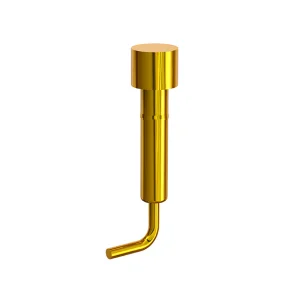
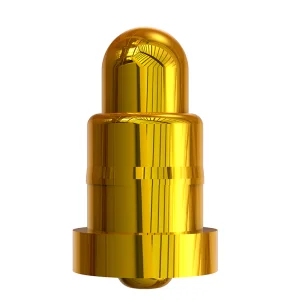
The structural composition of a spring contact probe directly governs its functional life. In most setups, the assembly consists of three key components:
Our advanced metallurgical processes control the thickness of the nickel diffusion barrier (typically 50-120 micro-inches) under the gold plating layer. This prevents base metals from migrating to the surface, which could otherwise lead to oxidation and higher contact resistance.
Engineering geometries down to 0.15mm pitch to support complex, high-density test configurations on advanced silicon dies.
Designing specialized dual-contact and coaxial probes capable of continuously carrying currents exceeding 30A without thermal runaway.
Utilizing high-performance alloys and specialized lubricants to preserve mechanical elasticity from -55°C up to +150°C.
Collaborating with global enterprise brands to deliver highly customized connection systems.
All production practices at our Shenzhen site adhere strictly to national environmental laws and international trade compliance. We guarantee our spring contact probes and connectors are fully compliant with RoHS and REACH standards. By sourcing only conflict-free minerals and operating within certified environmental systems, we help our partners de-risk their global supply chains.
Addressing key engineering, procurement, and structural considerations for spring contact components.
The mechanical lifespan is primarily determined by spring stress, material selection, plating quality, and the operating environment. Standard probes achieve between 100,000 and 1,000,000 cycles. Proper lubrication, matching spring force to the stroke distance, and minimizing lateral forces help prevent premature plunger wear.
Gold (Au) provides excellent electrical conductivity and corrosion resistance. An underplating layer of nickel (Ni) acts as a diffusion barrier, preventing base copper alloys from migration. Thick gold plating (typically 3 to 30 micro-inches) maintains low contact resistance, often below 30 milliohms, even after long-term cyclic exposure.
Yes. We specialize in custom-tailored spring forces and working stroke configurations. Using advanced spring winding technology, we can adjust preload and full-stroke forces to meet target requirements, ensuring optimal pad penetration without damaging sensitive circuit boards or components.
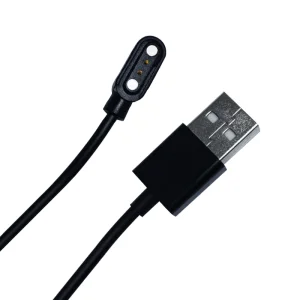
Integrating permanent magnets with spring-loaded contact interfaces ensures automatic self-alignment, rapid blind mating, and easy breakaway capability. This design is highly valuable for consumer devices, smart wearables, and industrial charging systems where physical alignment is challenging.
We maintain an ISO9001:2015 certified quality management system. Our inspection process includes automated optical inspection (AOI), dynamic force-stroke testing, X-ray fluorescence plating thickness analysis, and strictly controlled production parameters. This ensures reliability across high-volume production runs.
For standard catalog items, we maintain stock for fast delivery. For custom geometries, the initial DFM engineering review and prototype stage takes 5-7 working days. Once approved, production molds and initial production lots are typically completed within 2 to 3 weeks, depending on order size and complexity.
Additional specialized pogo pin connectors, magnetic charging cables, and custom-pitch arrays engineered for industrial applications.
 Rongqiangbin Electronic