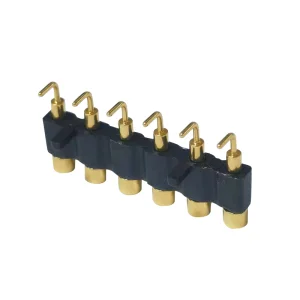
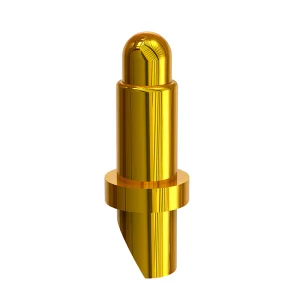
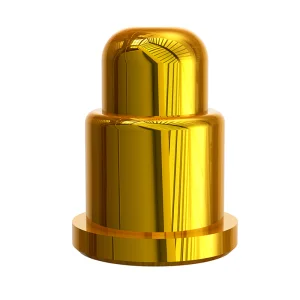
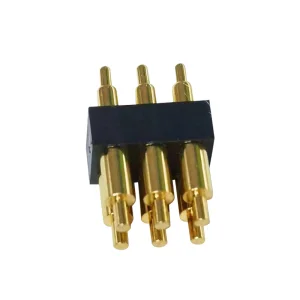
Explore our custom bending types, waterproof connectors, and ultra-durable SMT/SMD components engineered for industrial performance.
Analyzing market drivers, micro-miniaturization, high-frequency signal integrity, and high-current electrical parameters.
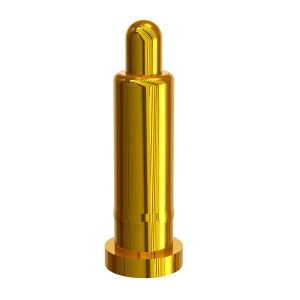
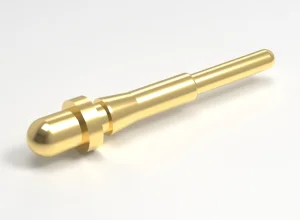
In the rapidly transforming landscape of modern hardware engineering, the demand for reliable, high-performance physical interfaces has skyrocketed. Pogo pins—spring-loaded contact mechanisms consisting of a plunger, spring, and barrel—have transitioned from simple testing probes into critical system-level components. Procurement officers and product development teams in Tier 1 aerospace, automotive (specifically Electric Vehicles), smart medical tech, and consumer electronics divisions face a common imperative: sourcing connectors that can tolerate hundreds of thousands of compression cycles while sustaining stable contact resistance and high signal fidelity.
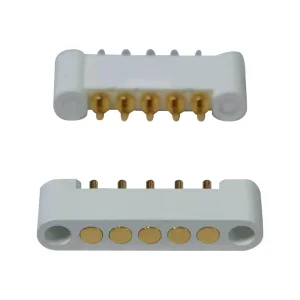
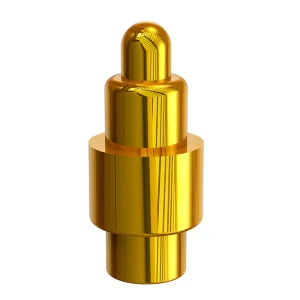
As smartwatches, smart rings, and compact Bluetooth headphones shrink in form factor, the space allocated for PCB interconnects is severely restricted. Traditional leaf-spring connectors fail under tight space constraints. Pogo pin technology facilitates ultra-low pitch grids (down to 0.4mm), allowing multi-pin configurations (such as 2-pin, 5-pin, and 6-pin variants) to fit into micro-cavities while providing consistent normal force.
Industrial handheld devices, outdoor sensors, and consumer wearables are continuously exposed to environmental elements like sweat, water, and atmospheric particulate matter. Sourcing waterproof pogo pins (meeting IP67 or IP68 specifications) requires advanced elastomeric sealing ring integration and highly precise plating layers (such as Gold over Nickel) to prevent galvanic corrosion and long-term spring degradation.
To survive in demanding application environments, these mechanical components rely on precise metallurgy and surface science. Plating thickness represents a pivotal design parameter. While standardized consumer goods may function effectively with a 2-micro-inch gold finish, severe high-reliability environments require thicker layers (often up to 30 or 50 micro-inches of gold over a robust nickel diffusion barrier). This mitigates the risk of pore formation, limits contact wear, and ensures low contact resistance (often under 30 milliohms) across thousands of cycles.
How manufacturing innovation drives charging speed, signal routing integrity, and blind mating convenience.
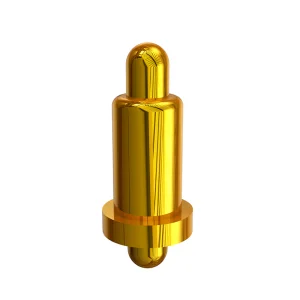
Modern battery architectures require high-current charging pins capable of handling 5A to 30A continuous current. We accomplish this through internal structure adjustments, such as implementing biased-ball designs or hollow plunger paths, which dramatically reduce internal resistance and prevent localized heat generation.
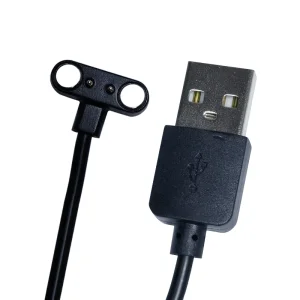
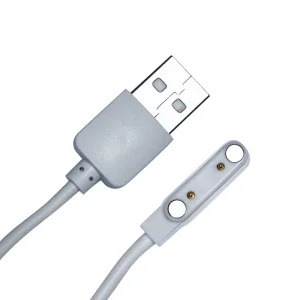
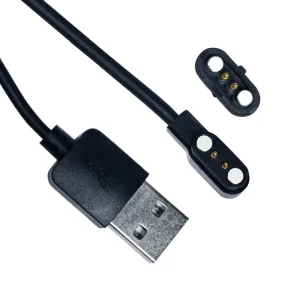
Magnetic USB charging cables and docking interfaces utilize custom NdFeB (Neodymium) magnets to ensure self-aligning blind connections. This interface style eliminates user alignment errors, prevents device damage from drop pulling, and significantly enhances consumer ease of use.
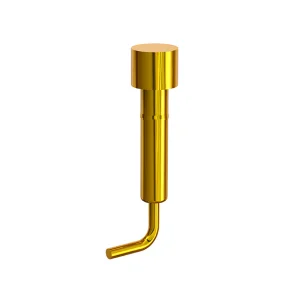
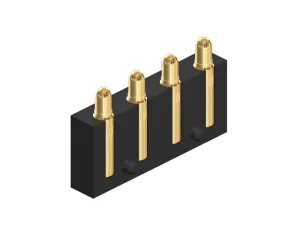
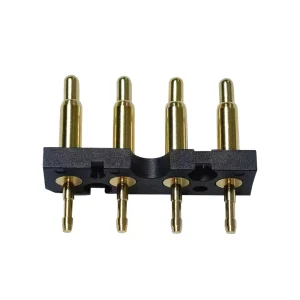
Whether using SMT (Surface Mount Technology), DIP (Through-Hole Technology), or right-angle bending types, our pogo pin assemblies are built to withstand structural mechanical stress, optimizing pick-and-place precision during surface assembly.
Furthermore, signal integrity optimization represents the next frontier for pogo pins. Historically considered pure power-delivery structures, spring-loaded pins are increasingly deployed in high-frequency data transmission applications, including USB 3.1 Gen 2 and PCIe testing interfaces. Engineers must now carefully evaluate structural variables such as coaxial shielding, controlled characteristic impedance (typically targeting 50 or 90 ohms), and spring-inductance attenuation. Managing these design variables reduces signal attenuation, prevents reflection, and minimizes cross-talk in dense multi-row connector layouts.
A decade of engineering excellence, rigorous QC protocols, and global delivery capabilities.
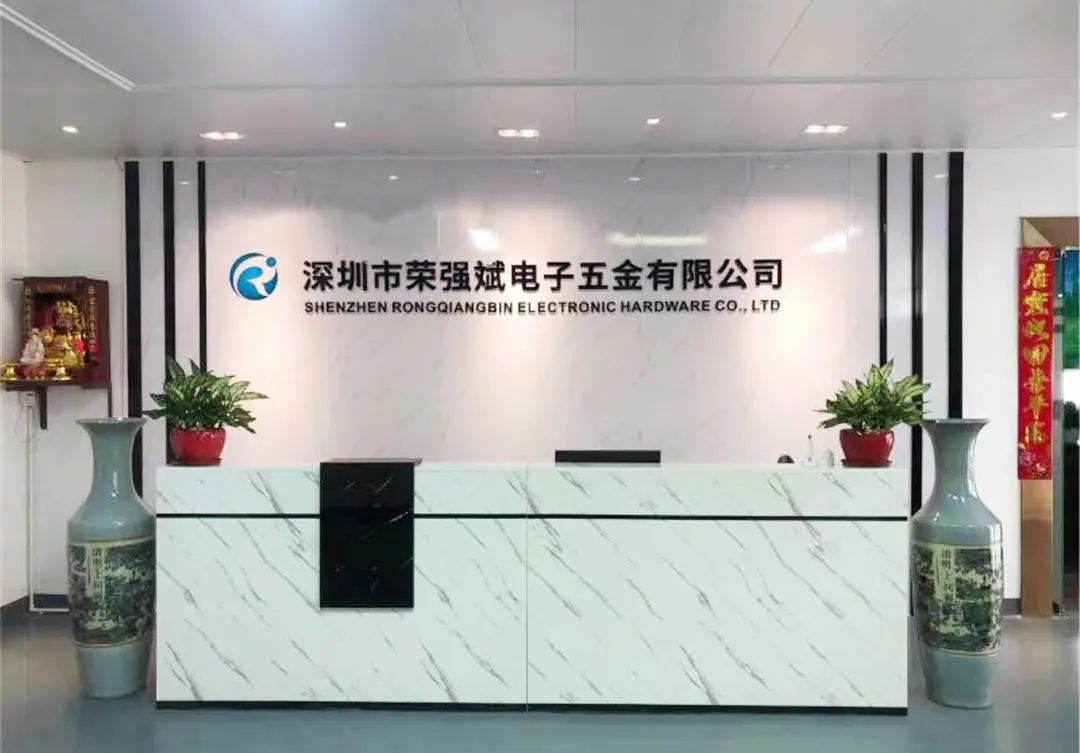
Shenzhen Rongqiangbin Electronic Hardware Co., Ltd. is strategically located in Shenzhen, the leading technology and industrial manufacturing hub of the Guangdong-Hong Kong-Macao Greater Bay Area. Founded in February 2011 in Songgang Street, Shenzhen, the enterprise committed itself to the specialization, development, and manufacturing of high-reliability Pogo Pin connectors.
Through continuous technological refinement and manufacturing investments over the last decade, the company has grown into a highly regarded industry leader. Guided by our foundational principles of "customer first, integrity first," we operate a specialized pogo pin engineering and technical production team, establishing long-term cooperative partnerships with a vast portfolio of global electronics enterprises.
To align with strict international standards, we have obtained the ISO9001:2015 international quality management system certification. Our robust quality control infrastructure and environmental management systems guarantee that all custom items conform strictly to international ecological and environmental regulations (including RoHS and REACH).
"Committed to being an excellent POGO PIN manufacturer for both quality and cost, at home and abroad, and leading connector technology development."
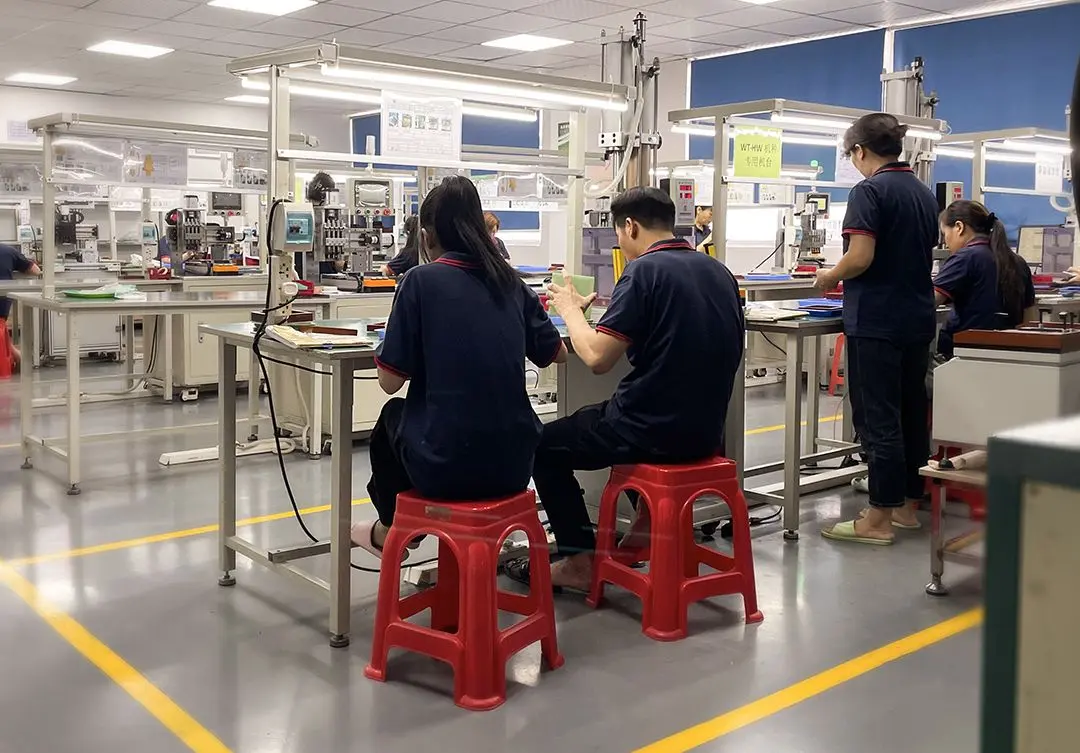

Our competitive advantages are built on engineering expertise, manufacturing precision, and customer-first support:

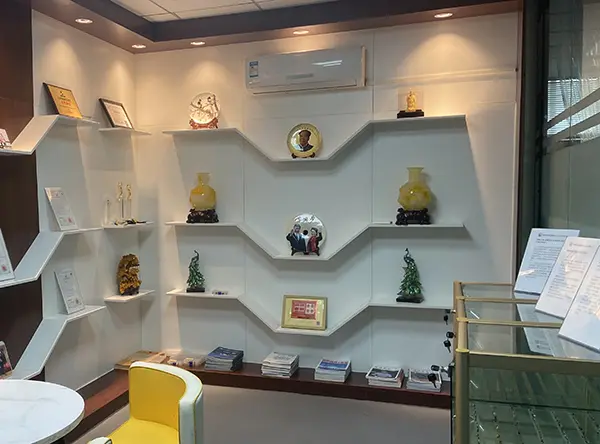
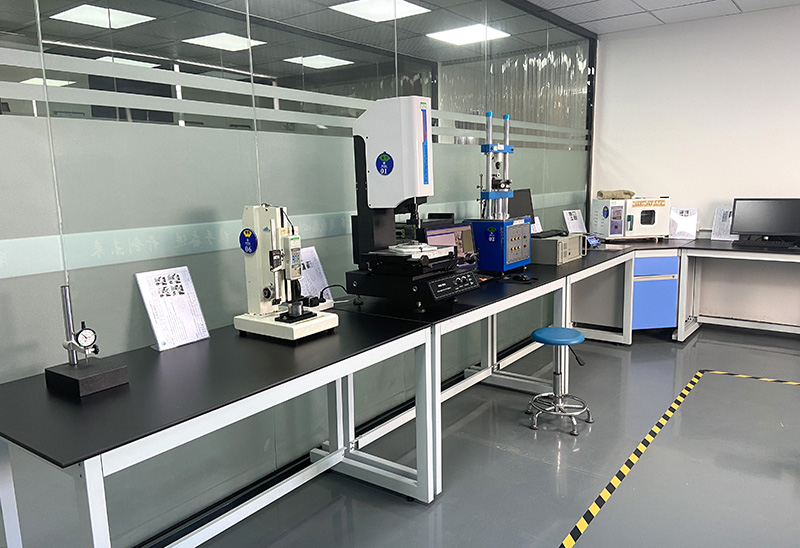

We deliver high-precision connector solutions to some of the world's most recognizable consumer, industrial, and telecommunication brands.
Essential technical insights and specification answers for procurement managers and hardware design engineers.
From magnetic charging cables to specialized side-mounted connectors, our catalog is optimized for versatile application layouts.
 Rongqiangbin Electronic