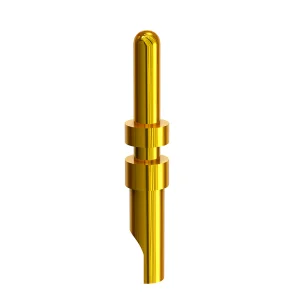
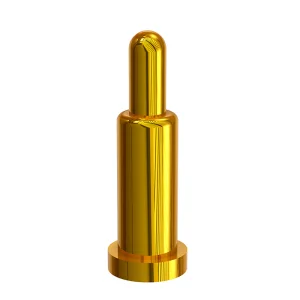
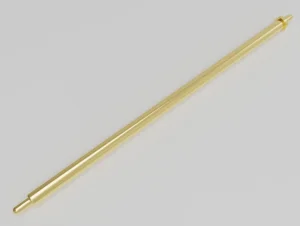
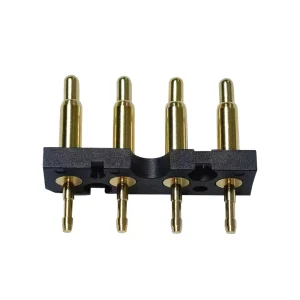
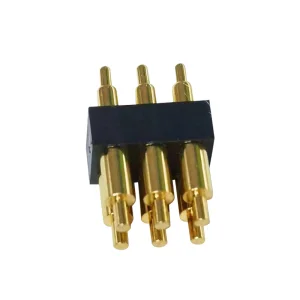
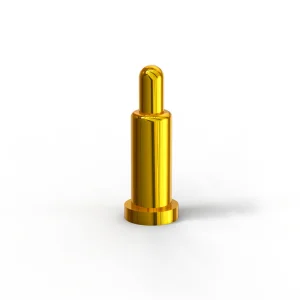
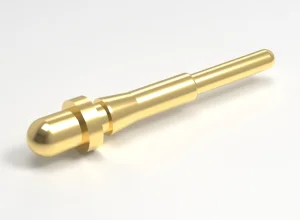
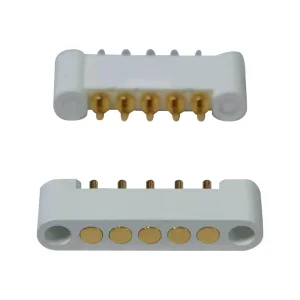
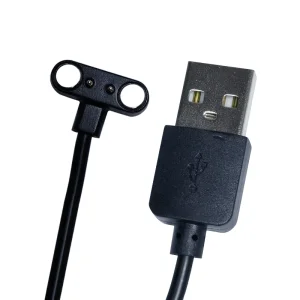
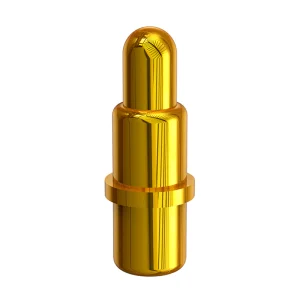
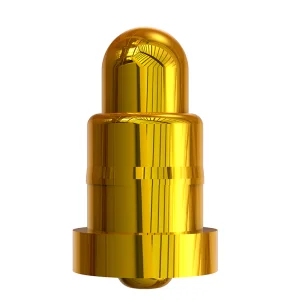
Explore our top precision engineered spring contacts, pogo pins, and high-current connectors configured for extreme endurance and low electrical resistance.
In modern electronic system design, maintaining signal and power integrity across separable electromechanical interfaces remains a significant engineering hurdle. Dynamic contact pins, most notably pogo pins and custom spring contacts, represent the gold standard for high-cycle, low-profile interconnectivity. In applications ranging from consumer wearables (TWS, smart watches) to sub-systems of New Energy Vehicles (NEVs), selecting the correct ODM manufacturing partner ensures not only cost efficiency, but the baseline reliability of the electronic system itself.
Unlike fixed-soldered connectors, a spring-loaded interface operates under continuous mechanical stress while carrying electrical current. The dynamic contact interface is subject to multi-variable degradation mechanics, including micro-abrasions, fretting corrosion, and ohmic heating. Developing specialized contact solutions demands highly precise Swiss-type CNC lathing, rigorous chemical metallurgy control during gold plating, and robust mechanical design criteria (e.g., plunger shape, barrel depth, spring force calibration) to yield zero-defect production runs.
"With over 10 years of manufacturing experience, 4,000+ satisfied global clients, and 300+ core patents in connector design, Shenzhen Rongqiangbin Electronic Hardware Co., Ltd. (RQB) sits at the frontier of precision-engineered contact pin technology, offering vertical ODM and OEM solutions from our state-of-the-art facilities in Shenzhen."
To assist procurement managers, electrical engineers, and hardware architects in making informed decisions, this technical whitepaper outlines the material science, manufacturing optimization, regional supply chain advantages, and regulatory compliance structures that define world-class ODM Contact Pin fabrication.
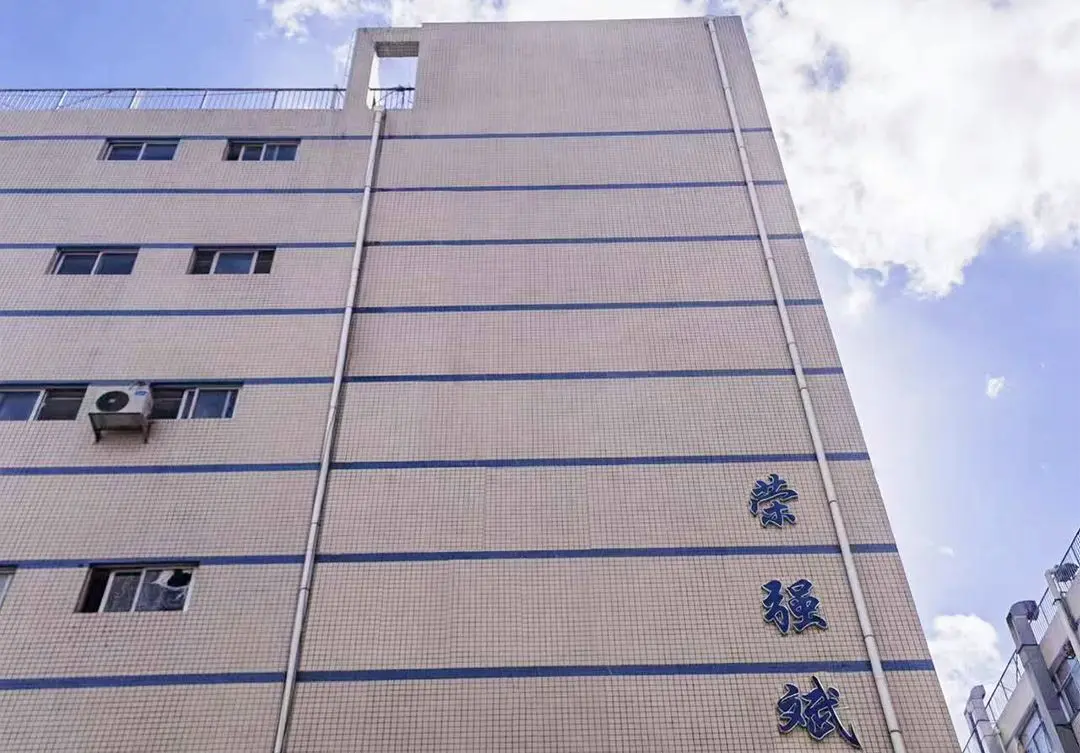
Founded in February 2011, and located in Songgang Street, Bao'an District, Shenzhen—the core technology hub of the Guangdong-Hong Kong-Macao Greater Bay Area—Shenzhen Rongqiangbin Electronic Hardware Co., Ltd. has established itself as an industry leader in Pogo Pin connector development and manufacturing.
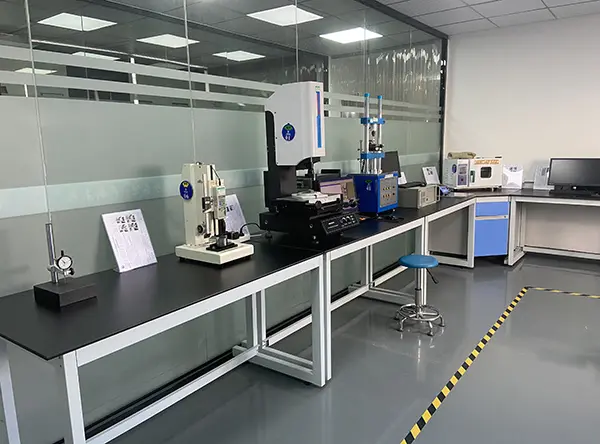
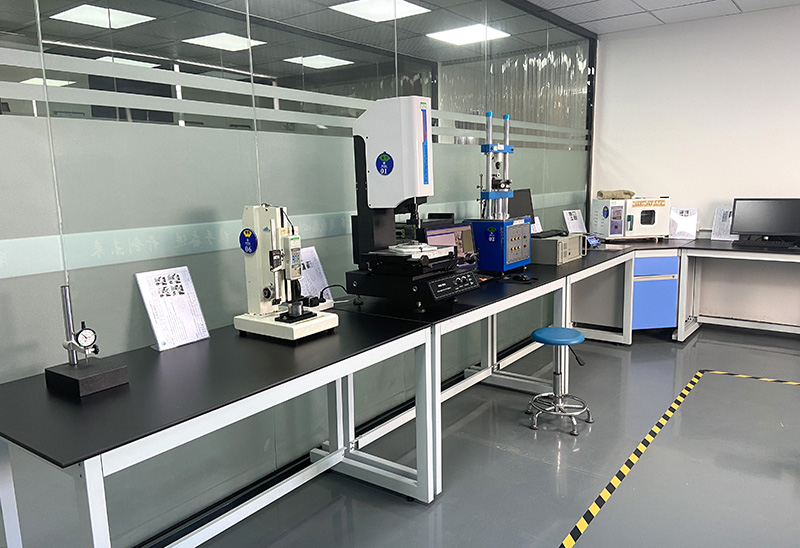
Guided by the foundational principles of "customer first, integrity first", our company has built a highly competent engineering, manufacturing, and quality management infrastructure. Through our advanced testing laboratory and extensive CNC machining capabilities, we continuously push the limits of sub-millimeter connector technology.
We are fully certified to the authoritative ISO9001:2015 international quality management system, guaranteeing that our design processes, supply chain management, and assembly pipelines meet strict global benchmarks. Our components serve as critical interconnects for market-leading enterprise systems globally.
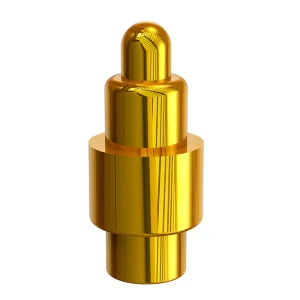
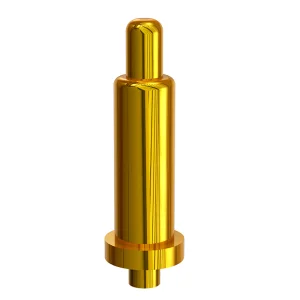
Designing custom contact pins requires careful optimization of mechanical forces, chemical properties, and electrical performance. The functional lifetime of a pogo pin (often exceeding 1,000,000 cycles for high-end applications) depends on three critical architectural elements: the plunger, the spring, and the barrel. Each element presents its own design challenges:
Typically machined from brass (C3604) or beryllium copper (BeCu) for high-frequency or high-current signals. The shape (sharp point, flat tip, ball head, concave) determines contact force and penetration through oxide layers on the target pad.
Using Stainless Steel (SUS304) or Music Wire (SWP). SUS304 yields excellent corrosion resistance, while music wire provides higher elasticity and fatigue life. Spring force must be carefully calibrated to balance plating wear and low contact resistance.
Electroless nickel underplating followed by precision electrolytic gold plating. The gold layer thickness (typically ranging from 1 to 50 micro-inches) governs wear resistance, environmental corrosion prevention, and stable electrical conductivity.
The table below summarizes standard parameters for various contact pin designs developed by RQB. The exact specifications can be customized to match your product's unique electrical and mechanical needs:
| Contact Pin Type | Typical Application | Rated Current | Contact Resistance | Target Life Cycles | Base Plating (Au) |
|---|---|---|---|---|---|
| SMT/SMD Pogo Pins | Smart Watch Charging Pads | 1.0A - 3.0A | < 30 mΩ | 50,000 - 100,000 | 10u" - 30u" |
| High-Current Charging Pins | Electric Vehicle Batteries | 10.0A - 30.0A+ | < 10 mΩ | 20,000 - 50,000 | 30u" - 50u" |
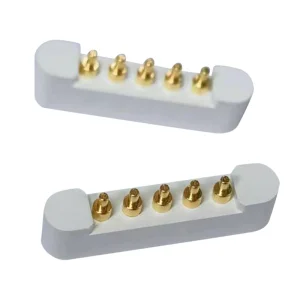
| Double Row 6-Pin Connectors | Data Docking Interfaces | 2.0A | < 25 mΩ | 100,000 | 15u" - 20u" |
| Waterproof Pogo Connectors | Outdoor IoT / Marine Gear | 2.0A - 5.0A | < 20 mΩ | 10,000 - 30,000 | Custom IPx7 Rated |
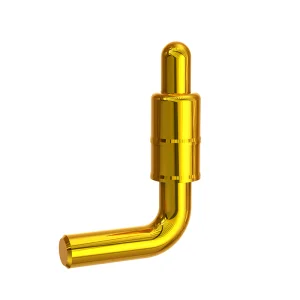
| Soldering Wire Spring Pins | Industrial Electronics / Harnesses | 3.0A | < 15 mΩ | 100,000+ | 20u" - 40u" |
Shenzhen's Songgang Street, located in the Bao'an District, is globally recognized as a leading hub for electronics manufacturing and connector production. For international purchasers, partnering with an ODM operating in this cluster provides significant strategic benefits:
1. Raw Material Sourcing: The direct proximity to domestic copper refiners, specialized spring steel suppliers, and certified plating facilities reduces procurement times. This proximity allows RQB to source components, calibrate designs, and begin volume manufacturing within days, compared to the weeks typical of other regions.
2. Tooling and Machining Density: Songgang hosts a dense network of high-precision Swiss-type CNC machine shops, mold-making workshops, and testing laboratories. If a custom contact pin profile is required, prototype tooling can be prepared rapidly. This speed accelerates the design-to-prototype cycle for engineers.
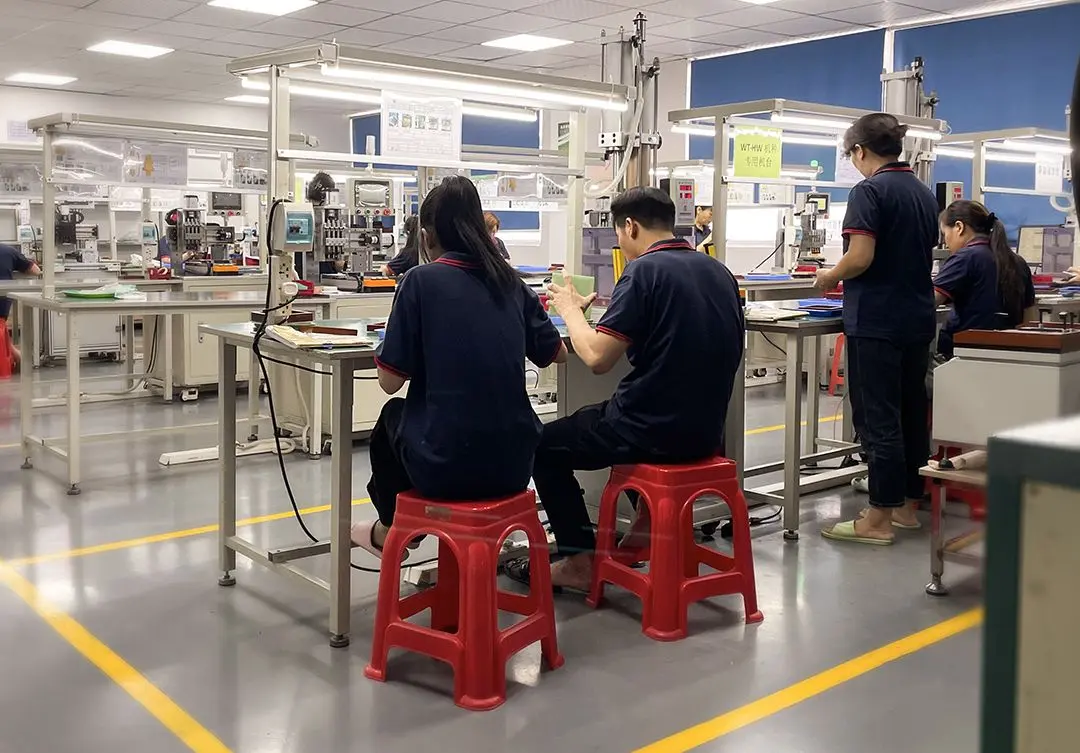
3. Advanced Automation and Assembly: Pogo pin assembly requires high speed and precise alignments. Plungers, springs, and barrels must be dynamically combined and checked for mechanical defects. RQB's automated assembly lines utilize inline optical inspection systems, achieving production throughput with low defect rates.
4. Streamlined Logistics: Located near major shipping ports in Shenzhen and Hong Kong, RQB manages fast global supply routes. Whether shipping via air freight for high-value components or ocean transport for large-volume connector runs, shipping operations run smoothly.
Furthermore, because the regional supply chain is highly optimized, RQB can offer these benefits while maintaining competitive pricing, helping OEMs reduce expenses without sacrificing performance.
Global markets require strict adherence to environmental safety, chemical toxicity, and quality assurance frameworks. RQB maintains full control over its raw materials and manufacturing processes to ensure that all delivered goods comply with international regulatory demands.
Our factory operates under the ISO 9001:2015 standard. From material intake through component processing, plating quality, and assembly, every step is fully documented. Each batch of pogo pins is traceable back to its original raw material heat number and plating chemical report.
To access markets in the European Union and North America, electronic assemblies must meet RoHS and REACH regulations. Lead (Pb), cadmium (Cd), mercury (Hg), and other hazardous substances must be kept below strict limits. RQB uses RoHS-compliant lead-free brass alloys and monitors all chemical plating formulations. Testing reports (such as SGS reports) are updated regularly for direct auditing.
We source gold, tin, tungsten, and tantalum only from smelters certified as conflict-free, aligning with the Dodd-Frank Wall Street Reform Act. This focus on corporate responsibility ensures security of supply for defense, automotive, and medical customers.
The connector market is shifting due to demands for higher power delivery, faster signal speeds, and smaller footprints. RQB's engineering teams focus on key development areas to support next-generation designs:
1. Ultra-Miniaturization for Wearables and IoT: Smart contact pins are scaling down to pitches under 0.8mm, with pin diameters under 0.5mm. Achieving these dimensions requires micro-machining tolerances (within +/- 0.005mm) to prevent plunger binding during thermal cycling.
2. USB-C and High-Frequency Signals: Pogo pin arrays are increasingly used for high-speed data transmission (exceeding 10 Gbps). Engineering these arrays requires precise impedance matching (typically 90 ohms differential) and optimized signal-to-ground configurations within the plastic insulator.
3. Heavy-Current Charging for New Energy Vehicles (NEVs): Modern electric vehicles and charging docks demand high-current contacts capable of carrying 30A to 100A continuously. RQB's high-current connectors employ internal copper sleeves or custom ball-point plungers to lower contact resistance and control thermal heating.
4. Waterproofing (IP67/IP68): Consumer electronics increasingly require dust- and moisture-proof interfaces. RQB uses specialized silicone overmolding and custom O-rings to protect against water entry, protecting internal circuitry even during prolonged immersion.

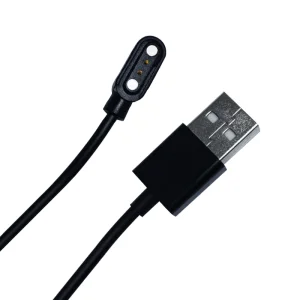
Browse our specialized custom components, including waterproof adapters, magnetic cables, and DIP spring-loaded sockets designed for reliable connectivity.
Get answers to the most common engineering and procurement questions regarding custom ODM/OEM pogo pins and spring contact connectors.
 Rongqiangbin Electronic