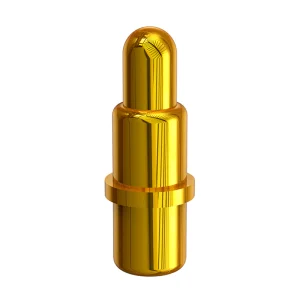
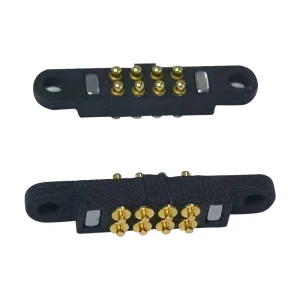
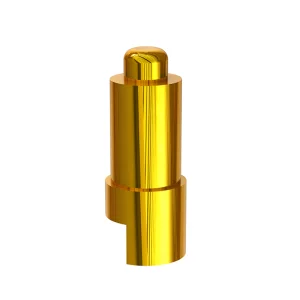
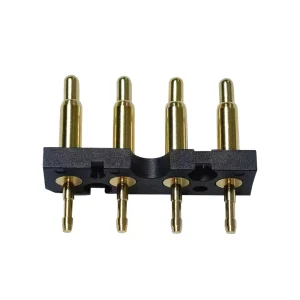
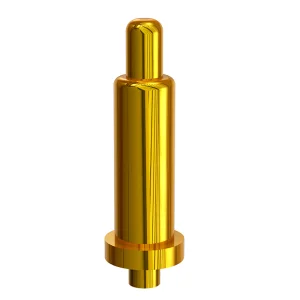
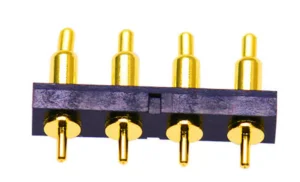
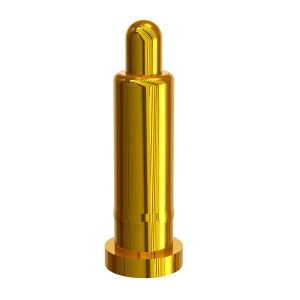
Explore our premium spring-loaded contacts, magnetic charging interfaces, and heavy-duty connector socket configurations, precision-engineered for electric vehicle modules, smart grids, and custom high-load industrial systems.
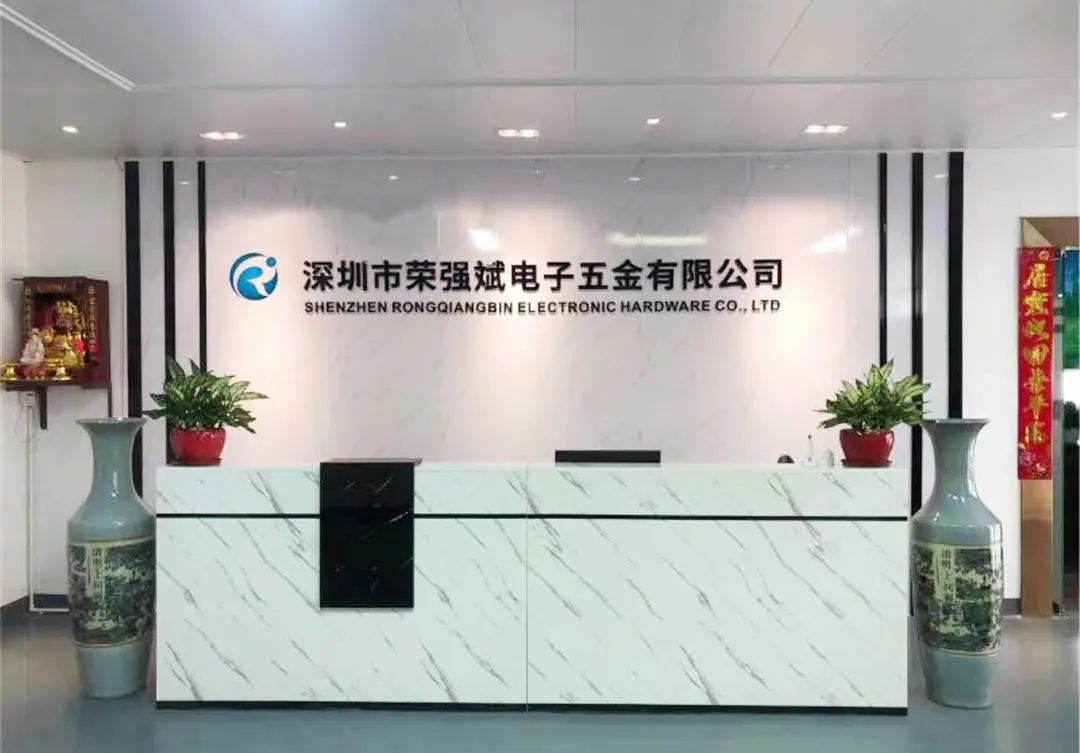
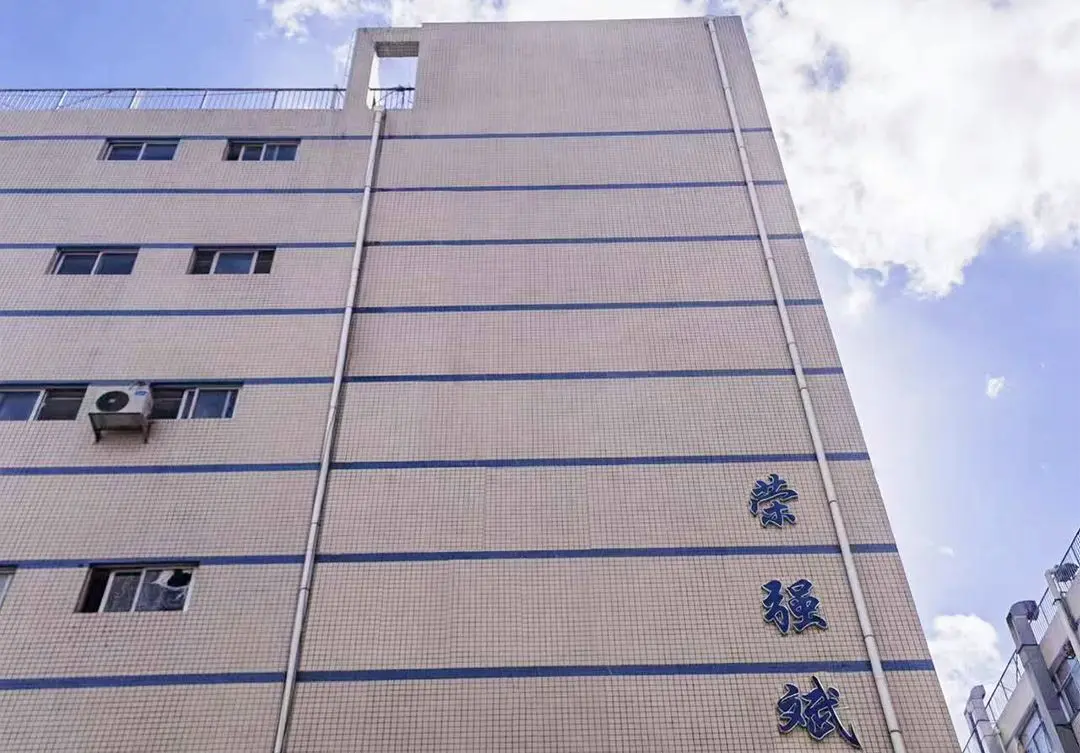
Shenzhen Rongqiangbin Electronic Hardware Co., Ltd. is strategically situated in Shenzhen, the core engineering and design powerhouse of the Guangdong-Hong Kong-Macao Greater Bay Area. Established in February 2011 on Songgang Street, Shenzhen, we have specialized in the custom design, development, and high-volume precision manufacturing of top-grade Pogopin connectors, spring probes, high-current pins, and electronic interface sockets.
Through decades of rigorous material science innovation, systematic engineering accumulation, and lean manufacturing iteration, Rongqiangbin has solidified its status as an industry leader in electrical contact architecture. Our solutions serve vital infrastructure projects, smart mobility systems, and high-frequency charging networks worldwide.
Analyzing market demands, infrastructure expansion, and next-generation automotive power transfer matrices.
The rapid global electrification of light passenger cars, medium duty fleets, and heavy logistics systems is driving massive demand for highly reliable connector sockets. As charging demands progress from standard 7kW AC setups to ultra-fast 350kW+ DC stations, contact mechanisms must support extremely high current densities while minimizing heat generation. Traditional blade-and-sleeve sockets are finding a parallel partner in spring-loaded contact architectures for automated operations.
To survive the harsh outdoor environments of charging stations and robotic swap portals, modern socket pins require state-of-the-art coatings. Gold (Au) plating over specialized nickel sub-layers guarantees minimal contact resistance and maximum corrosion resistance. Advanced materials like Beryllium Copper (BeCu) and custom brass alloys are selected for their excellent mechanical spring characteristics and high electrical conductivity, assuring over 100,000 continuous mating cycles.
Designing custom high-current sockets demands absolute compliance with major regional charging topologies. This includes CCS (Combined Charging System) Type 1 and Type 2, NACS (North American Charging Standard), and China's GB/T (including the emerging ultra-high-power ChaoJi standard). Our engineering unit translates these mechanical standards into functional prototypes that deliver exceptional thermal performance, mechanical latching, and safety signaling.
Our proprietary technology minimizes contact resistance, optimizes thermal dissipation, and extends operational lifetimes.
At Shenzhen Rongqiangbin Electronic Hardware Co., Ltd., we approach the design of high-current sockets through deep mathematical modeling and empirical testing. High-power charging connections represent a dynamic thermodynamic system. When transfer currents exceed 100A, even a fraction of a milliohm in contact resistance can lead to thermal runaway. Our custom spring-loaded and solid pins are designed to control contact physics precisely.
By optimizing the internal contact geometry and utilizing high-performance springs, we ensure stable mechanical pressure under extreme automotive-grade vibration (conforming to USCAR-2 standards). Our plating options—ranging from gold to advanced silver alloys—protect the base material from oxidation while facilitating smooth insertion forces, even after thousands of cycles in dusty or humid charging environments.
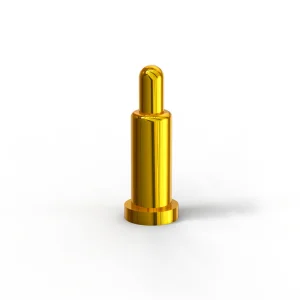
Advanced plunger geometry ensures multiple contact points, significantly reducing constriction resistance and keeping thermal generation to a minimum.
We deploy up to 50u" gold (Au) over 100u" nickel (Ni) barriers. This thickness profile provides superior resistance against wear, galvanic corrosion, and harsh environmental elements.
High-elasticity internal springs compensate for vehicular vibration and misalignment during automated charging operations, maintaining continuous electrical contact.
Integrated temperature-monitoring pins can be integrated directly into our socket assemblies, providing real-time telemetry to the battery management system (BMS).
Our custom high-current sockets and pogo pin configurations are field-proven across major industrial sectors.
In modern electric two-wheeler and passenger car swap grids, vehicles dock mechanically with automated compartments. Our heavy-duty spring-loaded socket interfaces enable rapid blind mating, withstanding dirt, rain, and minor misalignments while transferring high currents instantly.
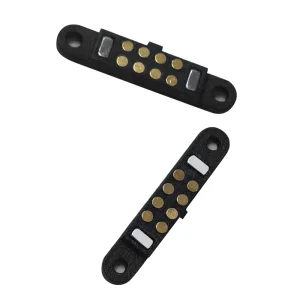
Automated Guided Vehicles (AGVs) in logistics warehouses require frequent, rapid charging sessions. Our compact magnetic pogo-pin sockets enable quick connection without human intervention, improving cycle life and charging speed in dusty industrial environments.
Within the electric vehicle's battery pack, stable high-current board-to-board links are essential. Our custom PCB-mounted sockets route control signals and drive power reliably, resisting continuous road vibrations and high thermal spikes.
As self-driving vehicle systems evolve, robotic charging arms are replacing manual cords. Our spring-loaded contact interfaces provide wide mating tolerances and smooth guidance, simplifying automated mechanical connections.
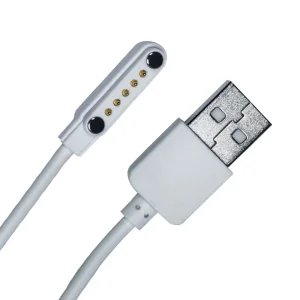
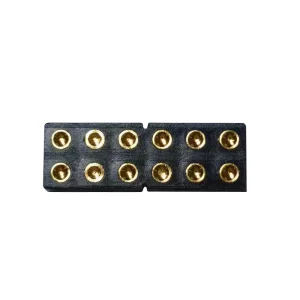
Our complete line of custom spring-loaded interfaces, pogo pin assemblies, and high-performance magnetic data and charging cables designed for global ODM & OEM systems.
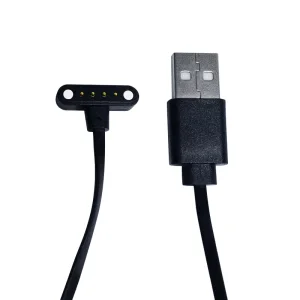
How our vertically integrated production and quality control frameworks benefit global engineering and procurement teams.
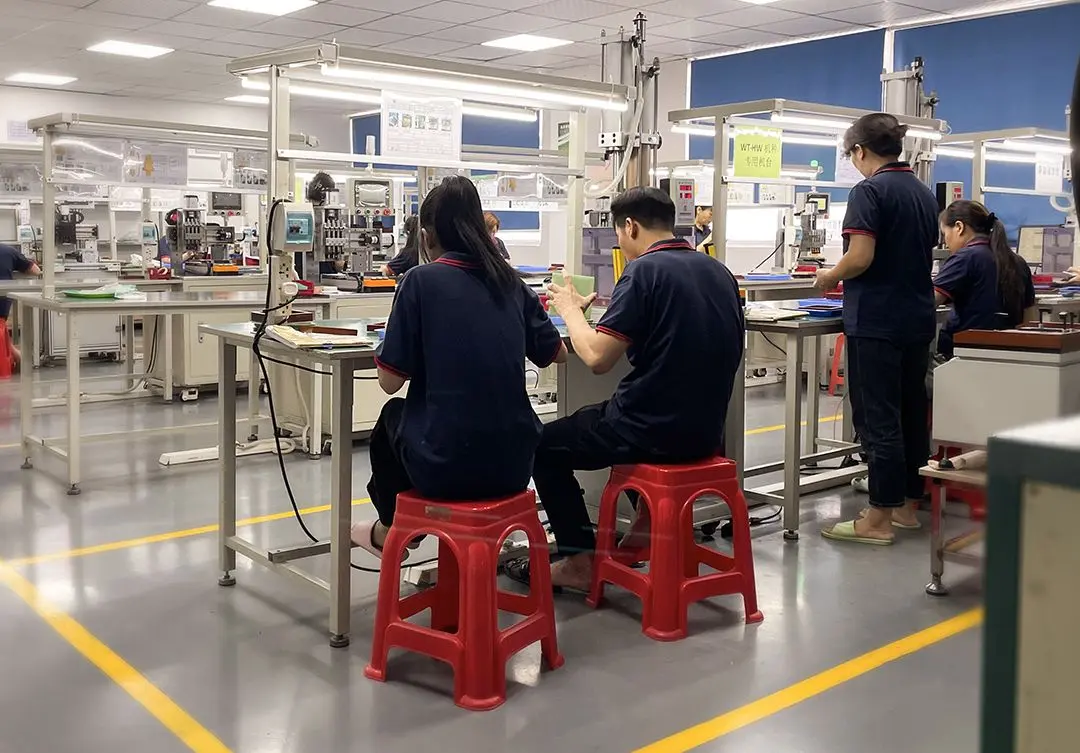
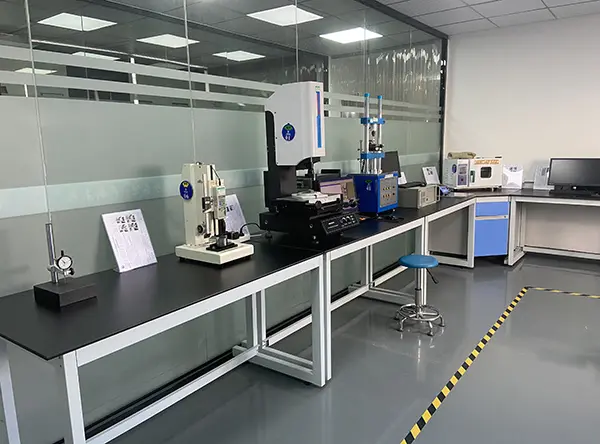
Establishing a reliable connection requires strict quality controls at every step of manufacturing. Our production lines feature fully integrated CNC turning, automated assembly, and strict testing stages. We carry out 100% inspections at key production stages and before shipping to guarantee that every single component aligns perfectly with customer drawings.
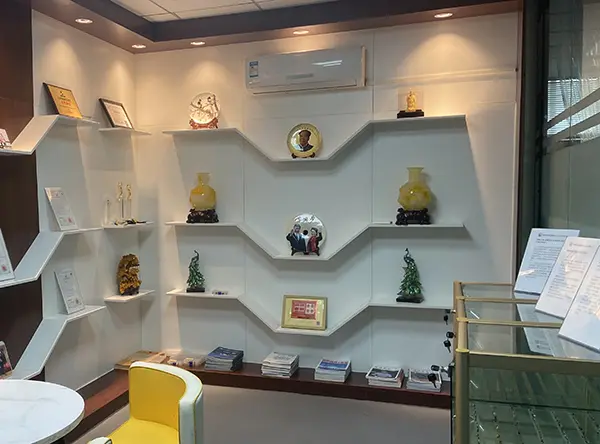
By operating a customer-focused model, we maintain a dedicated technical team to support customers through custom prototyping and volume manufacturing. Our ISO9001:2015 certification ensures structured quality management, consistent material traceability, and continuous process optimization.
Common questions regarding high-current contacts, customized socket integration, and material performance.
 Rongqiangbin Electronic