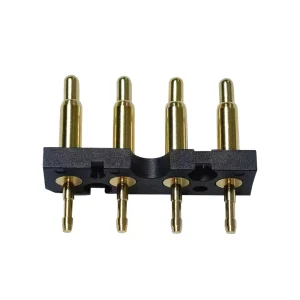
As modern energy infrastructure transforms, the demand for robust high-current test systems has experienced exponential growth. Driven by the evolution of electric vehicles (EV), high-power industrial computing, battery energy storage systems (BESS), and automated smart grid systems, manufacturers need to perform rapid, continuous quality testing under severe electrical stresses. A high-current test pin is no longer just a passive conductive lead; it is a highly engineered interface operating at the boundaries of thermodynamics and mechanical lifecycle durability.
Passing continuous currents ranging from 10A to over 100A through micro-contact points creates massive Joulean heating ($I^2R$). Controlling dynamic contact resistance through material engineering is the ultimate goal in preventing device failure during product validation.
Modern testing cycles require millions of actuation cycles. Mechanical resilience, spring preloads, structural deflection management, and resistance to environmental scaling are critical factors that separate standard spring-loaded pins from high-performance ODM industrial solutions.
Testing protocols often require high-amp power transfers alongside high-speed data communications (such as USB PD 3.1 or custom automotive diagnostic buses). Our dual-core and multi-point coaxial contact architectures solve electrical coupling problems within tiny footprint limits.
Founded in February 2011 in Songgang Street, Shenzhen—the epicenter of the Guangdong-Hong Kong-Macao Greater Bay Area—Shenzhen Rongqiangbin Electronic Hardware Co., Ltd. has dedicated over a decade to the advanced engineering and high-precision fabrication of high-reliability spring loaded connectors and custom electrical test pins. Through continuous technical investment and technical breakthroughs, we have expanded from a boutique hardware workshop into an industry-leading manufacturer with high-speed CNC turning machines, clean-room assembly lines, and specialized physical characterization laboratories.
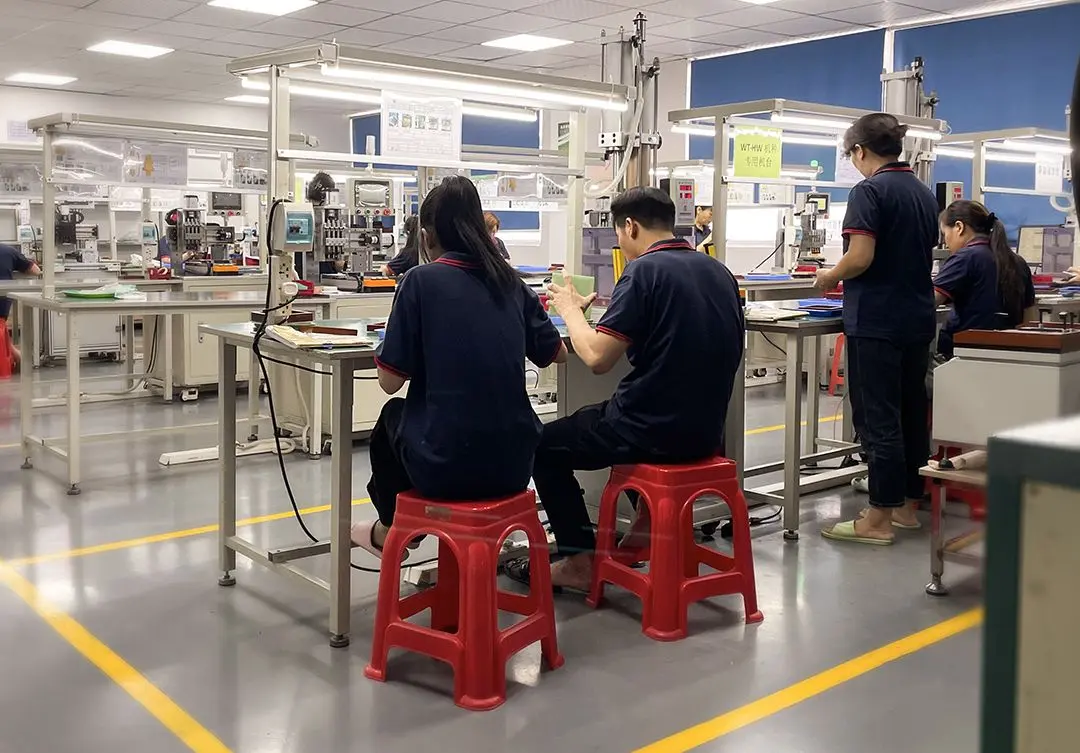
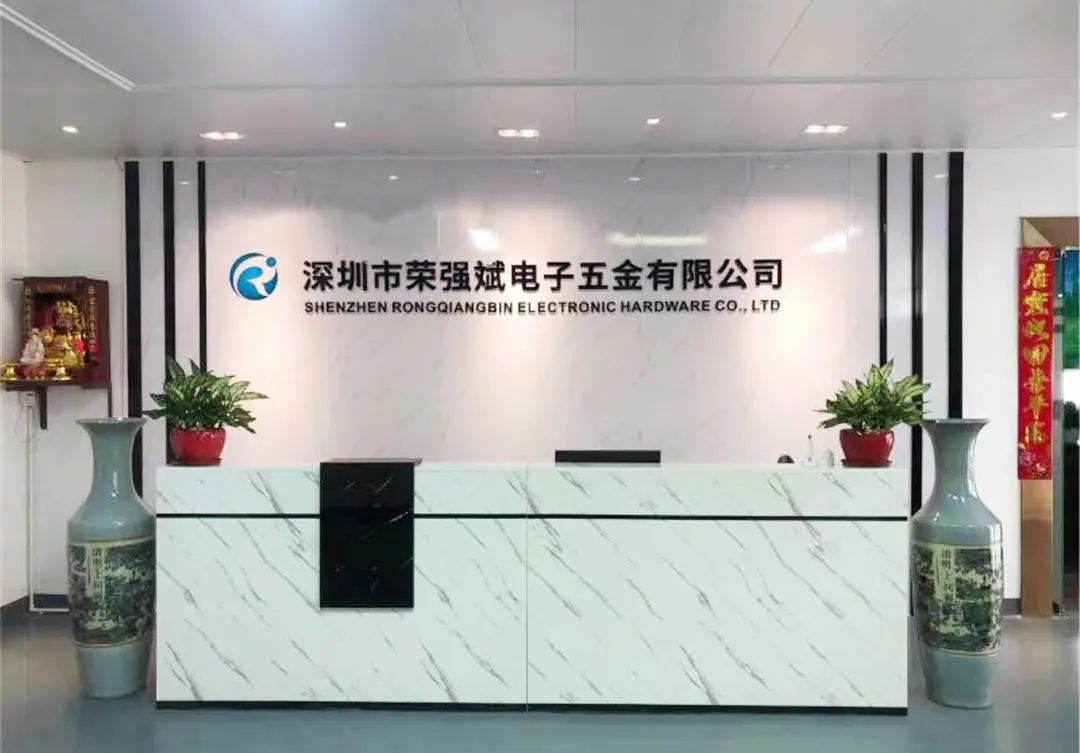
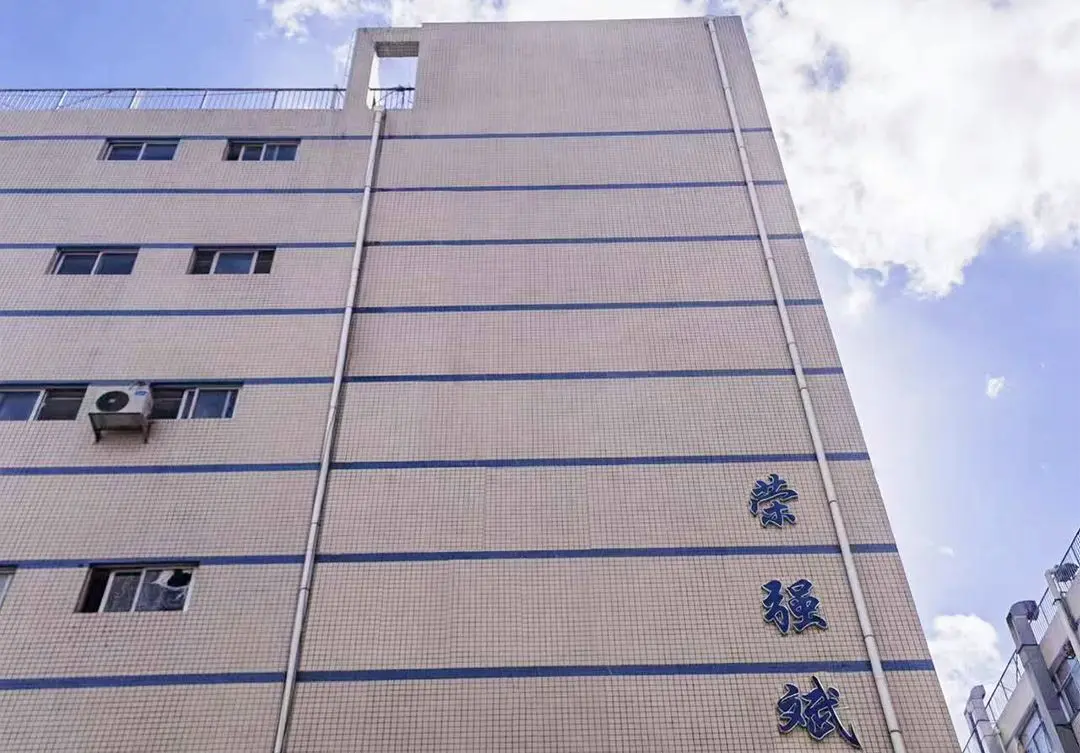
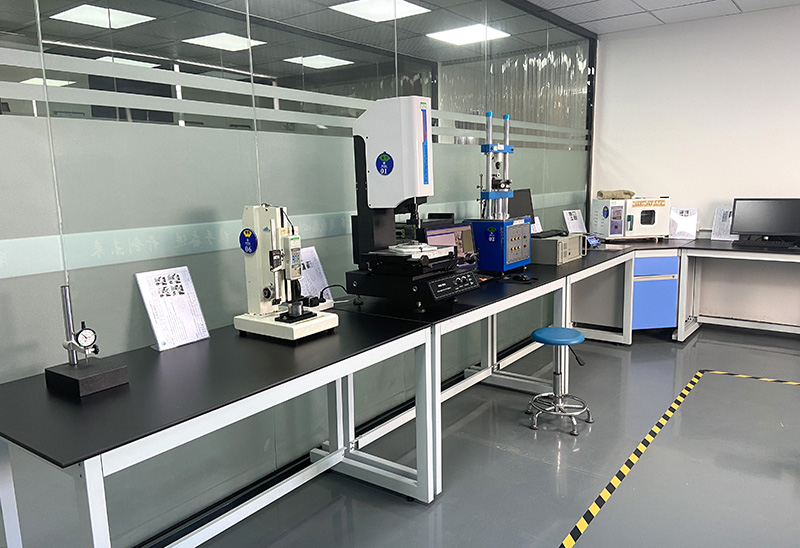
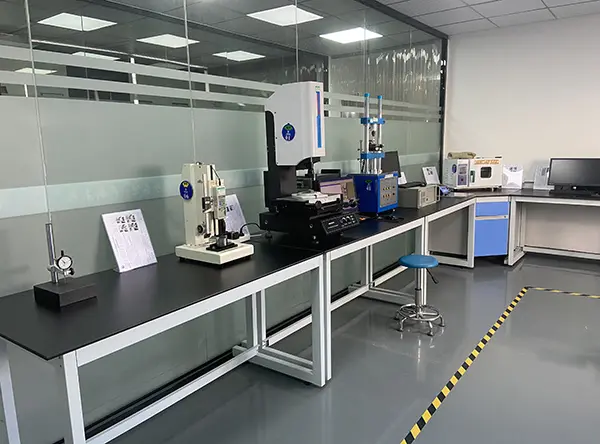
Committed to being an excellent POGO PIN manufacturer for both quality and cost on home and abroad, and leading connector technology development. We prioritize absolute reliability under the toughest parameters, continually evolving our internal testing laboratories with automated vision checking systems, multi-point dynamic resistance loggers, and environmental simulation chambers.
By adhering to a strict "Customer First, Integrity First" operating model, we have established long-term engineering and supply contracts with global tech giants and manufacturing groups. Our customized solutions support everything from consumer audio devices to EV powertrains, helping clients manage thermal challenges and reduce failure rates during life testing.

Through continuous commitment to high-precision manufacturing, we have become an approved vendor for the world's most demanding enterprises.
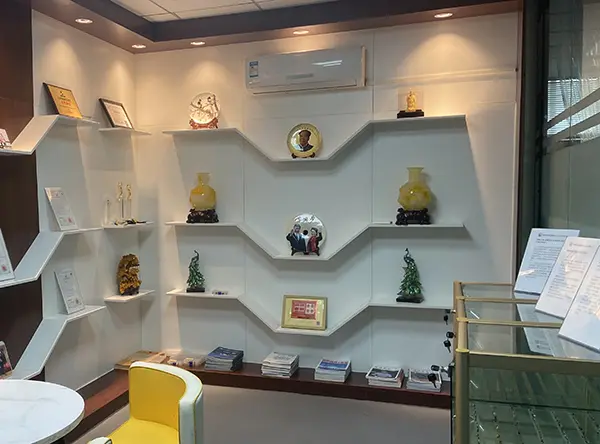
ISO9001:2015 version international quality management system certification ensures that every process, from raw materials to shipment, complies with rigorous quality standards.
Our environmental management framework supports sustainable manufacturing, ensuring all products comply with RoHS, REACH, and custom halogen-free directives.
Proudly serving Tier-1 global brands, including: Honeywell, Samsung, SIEMENS AG, ZTE, 360, QCY, HAYLOU, Shanghai Laimu, Luxshare Group, Aoni Electronics, and Amphenol Group.
In the field of high-current testing, simple copper needles cannot meet modern performance requirements. When current levels rise, contact interfaces experience micro-arcs and rapid oxidation, causing thermal runaway. To address these issues, Rongqiangbin's ODM service uses three key engineering approaches:
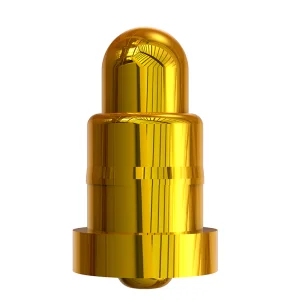
We use high-purity Beryllium Copper (BeCu) and Tellurium Copper alloys for our plungers, ensuring excellent electrical conductivity while maintaining mechanical strength under thermal stress.
Our typical plating configuration uses thick gold (Au) over a sulfamate nickel underplate. For severe environments, we offer Rhodium, Platinum, or Palladium-Nickel alloy coatings to prevent pitting and mechanical wear.
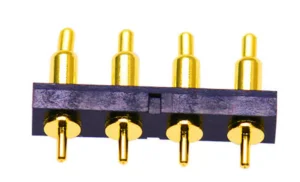
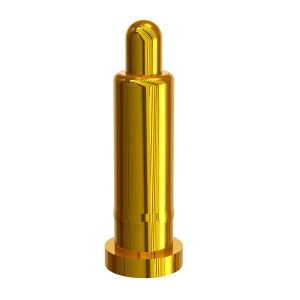
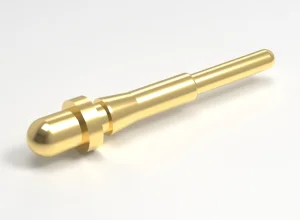
By splitting the contact tip into multi-point geometries (such as 4-point crown, serrated, or coaxial split structures), we increase the effective contact surface area. This reduces contact resistance to less than 10 mΩ, preventing localized hot spots.
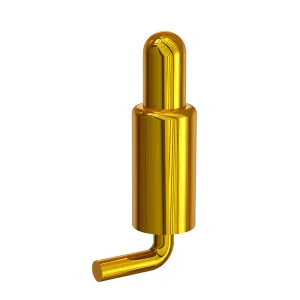
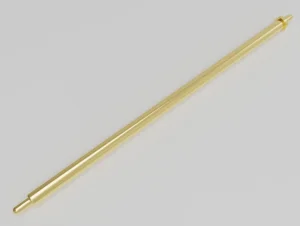
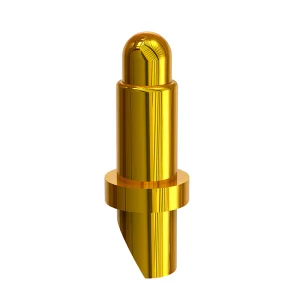
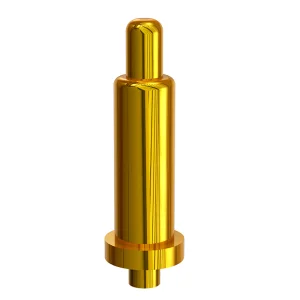
We incorporate bias-cut plungers and internal stainless-steel springs. This forces lateral contact between the plunger and the barrel, eliminating signal interruptions and preventing spring damage.
| Performance Parameter | Standard Pogo Pin | High Current Spring Probe | Rongqiangbin ODM Ultimate Probe |
|---|---|---|---|
| Continuous Current Capacity | 1A – 3A | 5A – 15A | 20A – 120A+ (Custom Engineered) |
| Typical Contact Resistance | < 50 mΩ | < 20 mΩ | < 5 mΩ – 8 mΩ (Max) |
| Mechanical Life Cycles | 10,000 – 50,000 | 100,000 – 500,000 | Up to 1,000,000+ Cycles |
| Operating Temp Range | -40°C to +85°C | -55°C to +125°C | -55°C to +220°C (High Temp Alloy) |
Our custom high-current testing probes are designed to meet regional technical standards and integrate smoothly into automated test fixtures around the world.
Used in high-volume battery cell manufacturing plants for formation, grading, and sorting. Our probes withstand repetitive charge-discharge currents up to 80A, maintaining stable contact resistance despite the aggressive chemical vapors present in manufacturing facilities.
Integrated into pneumatic automated test equipment (ATE) setups. Designed for testing power distribution modules, industrial PLCs, and heavy-duty motor controllers, our probes align with USCAR reliability standards.
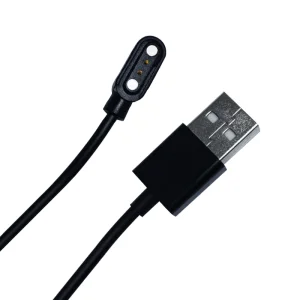
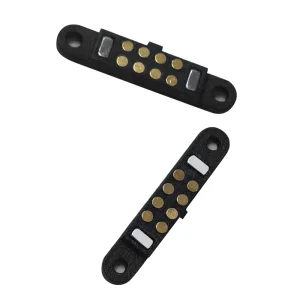
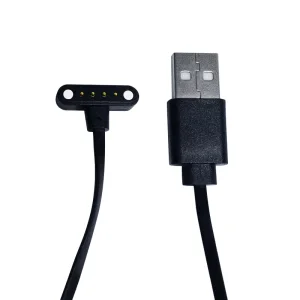
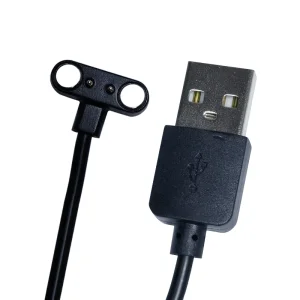
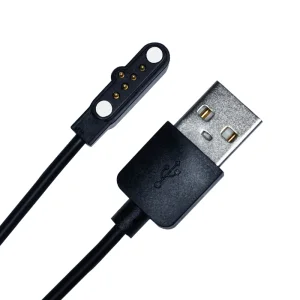
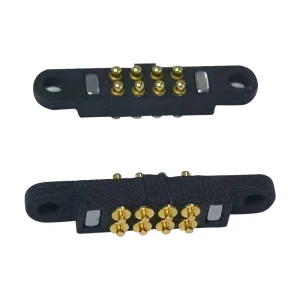
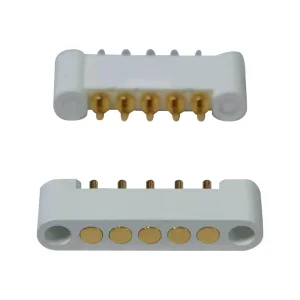
Used in custom magnetic interfaces for quick-charging smartphones, smartwatches, and smart home terminals. These products combine waterproof protection (IPX7/IPX8) with 5A-10A fast charging profiles, ensuring a safe user experience.
To support the next generation of power electronics, Rongqiangbin's R&D department is focused on long-term technological developments, including:
Deploying hybrid carbon-based and ruthenium-based coatings to increase surface hardness and chemical resistance. This reduces electrical pitting in high-temperature environments.
Developing coaxially shielded high-current probes capable of carrying 40A currents while transmitting high-frequency data signals. This configuration supports automotive Ethernet testing protocols.
Integrating micro-thermocouples inside the testing probes. This allows automated testing systems to monitor contact temperatures in real-time, preventing damage to expensive test assemblies.
We minimize contact resistance by optimizing internal friction, surface finishing, and using specialized designs like biased-tail plungers. This ensures consistent contact between the plunger and the barrel. We use 100% dynamic resistance testing during production to verify that our probes maintain resistance values below 10 mΩ throughout their lifecycle.
Yes. Our high-temperature series uses customized stainless steel or beryllium copper springs, along with high-durability plating. These configurations are rated for continuous operation at temperatures up to 220°C. This makes them ideal for burn-in testing of power semiconductors and automotive engine compartments.
We provide split-plunger coaxial probes and multi-point crown plungers. These configurations distribute the electrical load across multiple contact points, preventing micro-arcing and reducing thermal wear on the battery terminals.
For custom pin geometries, our in-house engineering and CNC turning facilities allow us to provide initial prototypes within 7 to 10 working days. Mass production begins shortly after design approval, ensuring rapid delivery times for global clients.
 Rongqiangbin Electronic