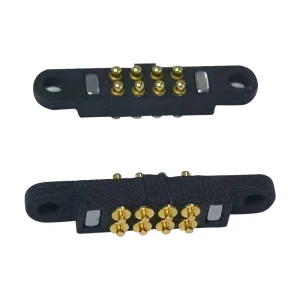
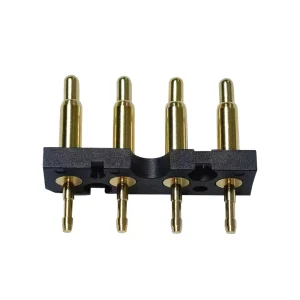
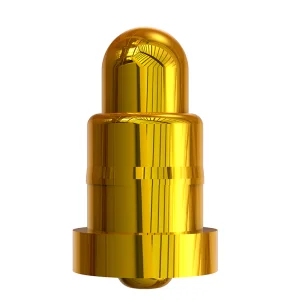
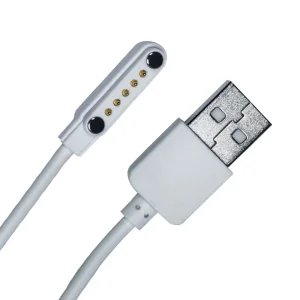
Engineered for excellence. High durability, superior conductivity, and micro-pitch designs.
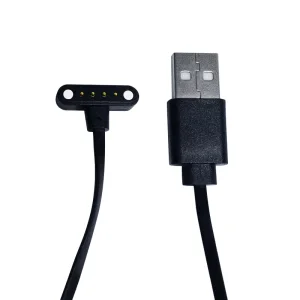
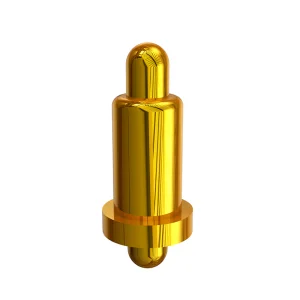
In modern electronic validation ecosystem, the search for high-precision components leads technical buyers directly to highly specialized manufacturers. The global electronics market is experiencing a profound paradigm shift, demanding smaller form factors, higher packaging densities, and unprecedented signal integrity. High-precision test probes and spring-loaded connectors (Pogo Pins) sit at the center of this transformation, providing the physical link between high-speed circuitry under test and sophisticated testing instruments.
As a leading ODM Test Probe Manufacturer & Factory, Shenzhen Rongqiangbin Electronic Hardware Co., Ltd. has established a footprint characterized by technological excellence and material innovation. Located in Songgang Street, Shenzhen—within the core high-tech industrial cluster of the Guangdong-Hong Kong-Macao Greater Bay Area—our factory utilizes automated production lines, premium materials (such as beryllium copper, stainless steel, and gold-alloy plating), and strict quality assurance methodologies to support high-performance micro-probing requirements globally.
Information Gain Insight: The efficacy of high-frequency and high-current electrical contacts depends heavily on plunger geometry, spring force consistency, and plating layer integrity. Standard components often suffer from premature signal degradation due to insertion wear. Our custom ODM formulations counter this through tailored mechanical profiles, providing up to 1,000,000 compression cycles while maintaining minimal contact resistance ($R_c < 30m\Omega$).
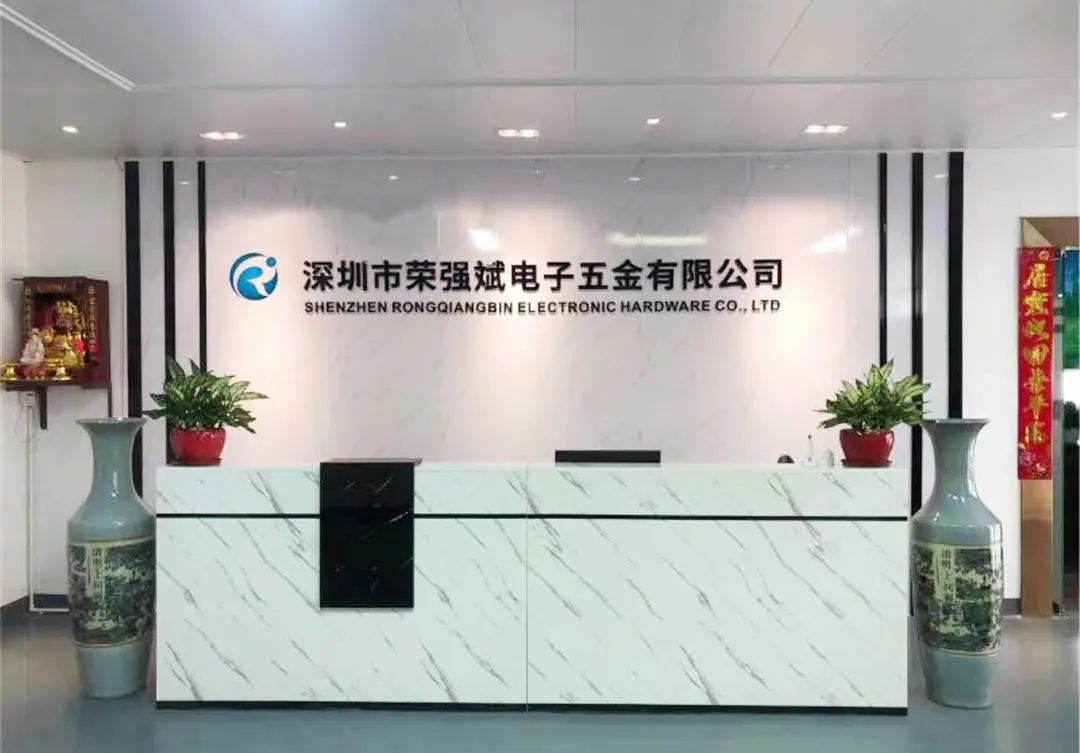
Founded in February 2011 in Songgang Street, Shenzhen, Shenzhen Rongqiangbin Electronic Hardware Co., Ltd. is located in the leading city of the Guangdong-Hong Kong-Macao Greater Bay Area. We specialize in the development and manufacturing of premium Pogopin connectors and custom test probe solutions.
Over more than a decade of technical refinement and industrial scaling, the company has evolved from a local manufacturing workshop into a leading provider of spring-loaded connection systems. Guided by our core philosophy of "customer first, integrity first", we utilize a strong production team to develop long-term cooperative partnerships with renowned enterprises globally.
Our Quality Management Systems are fully certified under the ISO9001:2015 international standard, supported by an eco-friendly environmental management system to ensure that all products comply with international environmental protection guidelines (RoHS, REACH).

Combining design flexibility, high-volume capacity, and rigorous validation metrics to address complex testing challenges.
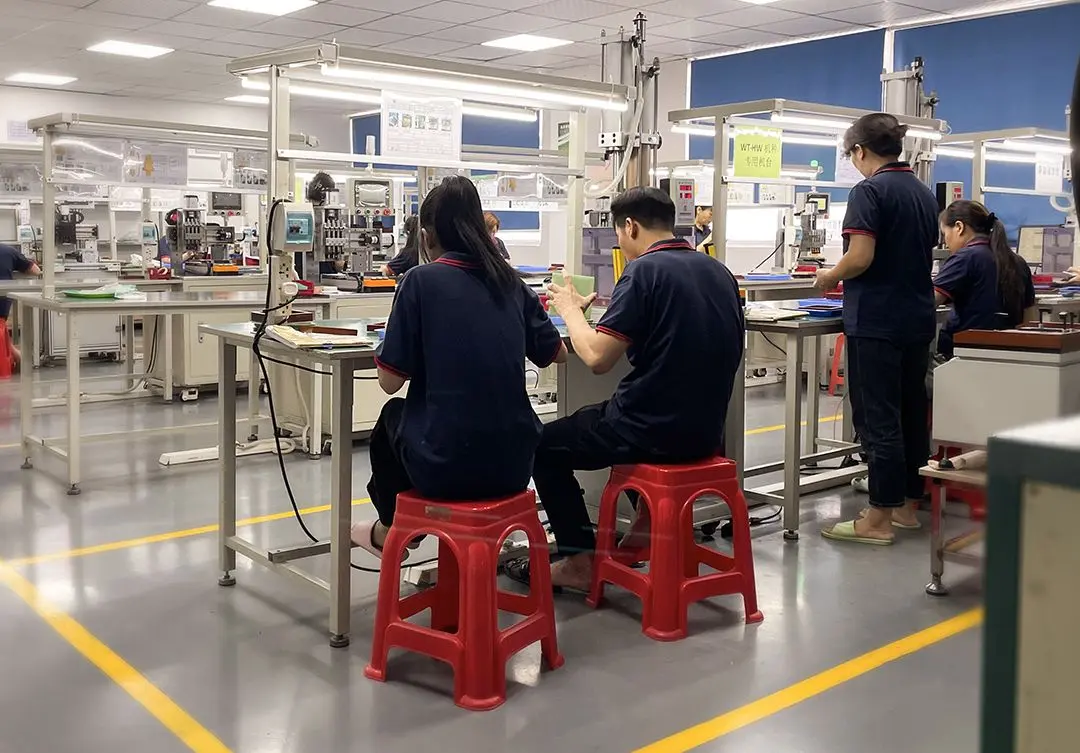
Certified ISO9001:2015 operations with 100% inspection throughout raw material sourcing, automated turning, assembly, and final shipping.
Over 300 proprietary patents in spring-loaded contact mechanics, high-frequency signal design, and waterproof magnetic charging systems.
Strategic localization in the GBA cluster enables rapid tool prototyping, overnight sample deliveries, and volume scaling for global supply chains.
The electronics test probe and spring-loaded connector industry is evolving rapidly to keep pace with changing device architectures. Five major trends shape the development of next-generation test probe manufacturing:
Global procurement teams at Fortune 500 electronics manufacturers follow strict criteria when selecting test probe and Pogo Pin vendors. Managing supply chain risk involves assessing technical capabilities alongside strict compliance standards:
Procurement demands trace capability from raw brass/beryllium-copper wire rods to the final electroplated contact. RQB utilizes an enterprise resource planning (ERP) tracking framework that matches raw material heat codes with specific production batches.
RoHS and REACH compliance are standard baselines. Our products are formulated lead-free and halogen-free to comply with stringent European and American environmental mandates, supporting seamless entry into global retail channels.
We deliver complete dimensional, mechanical, and electrical inspection reports (CPK charts, plating thickness analyses, force-stroke curves) alongside prototype runs, accelerating our clients' design verification testing (DVT) phase.
"Committed to being an excellent POGO PIN manufacturer for both quality and cost, at home and abroad, and leading connector technology development."
Through technical refinement and manufacturing capabilities, we have established long-term engineering partnerships with leading international brands. Our customer portfolio spans consumer electronics, smart home platforms, industrial automation, and automotive communication components, including:
Honeywell, Samsung, SIEMENS AG, ZTE, 360, QCY, HAYLOU, Shanghai Laimu, Luxshare Group, Aoni Electronics, and Amphenol Group.
These partnerships highlight RQB's ability to maintain high manufacturing standards, reliable volume delivery, and consistent product quality under rigorous auditing regimes.

A test probe's performance depends on the materials selected for its components. At our Shenzhen factory, we use specialized metallurgy and plating techniques to optimize electrical performance and mechanical life:
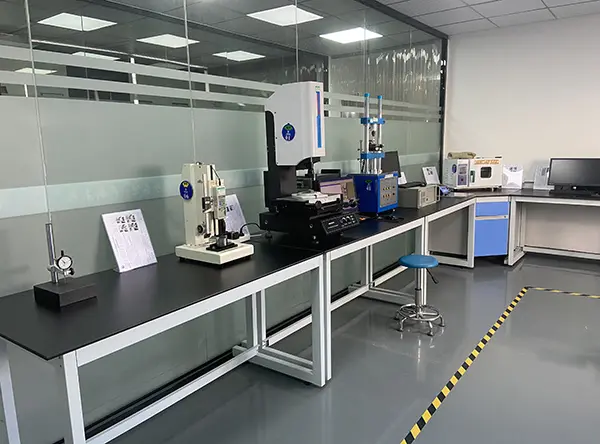
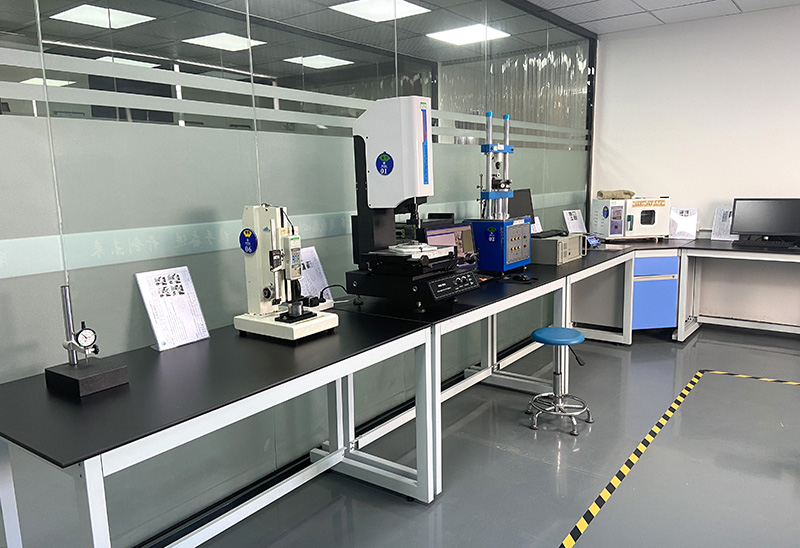
Our production lines leverage CNC Swiss-type precision lathes to fabricate plungers and barrels down to ±0.005mm tolerances. These parts are assembled on custom automated assembly systems that integrate optical detection sensors to verify spring preload force. This ensures that every test probe meets its mechanical design specifications.
Expert answers to common engineering questions regarding ODM test probes and pogo pin design specifications.
Reliable components designed for target applications. Contact our engineering team for custom configurations.
 Rongqiangbin Electronic