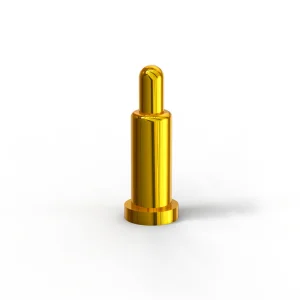
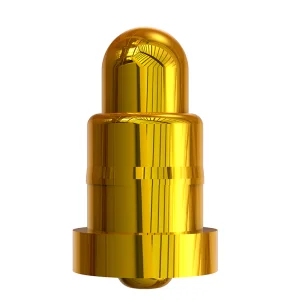
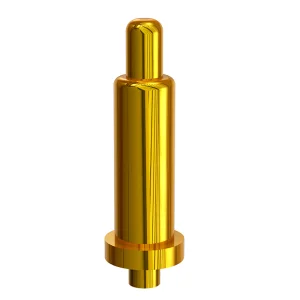
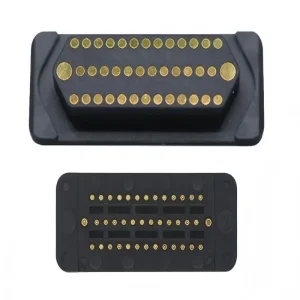
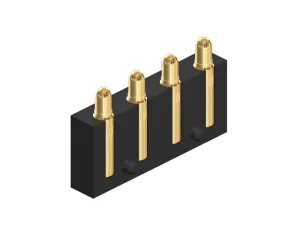
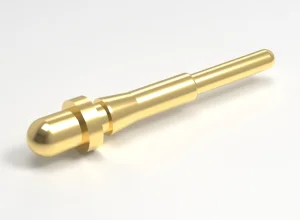
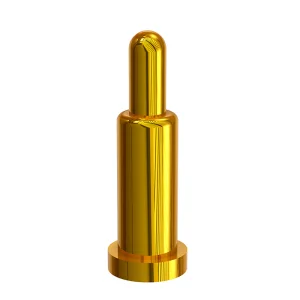
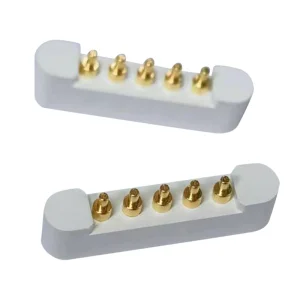
Explore our engineering capabilities through our standard catalog and customized OEM/ODM builds optimized for precision and resilience.
In modern industrial design, the demand for miniaturization, high-speed data transmission, and mechanical durability has forced a paradigm shift in interconnect technologies. Standard pin headers and blade-style connectors are increasingly limited by their mechanical wear and spatial footprints. Pogo pins (spring-loaded contacts) have emerged as the premier interface for charging, data transmission, and RF testing applications.
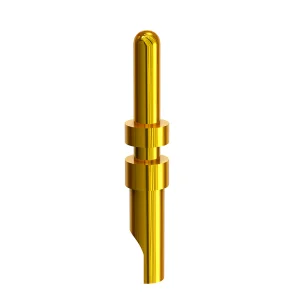
As a leading ODM partner, Shenzhen Rongqiangbin Electronic Hardware Co., Ltd. develops engineered pogo pin solutions that address critical issues such as contact resistance fluctuations, signal attenuation, and environmental corrosion. By utilizing proprietary metallurgy and advanced internal architectures (such as back-drill, ball-point, and bias-cut designs), we ensure reliable electrical pathways in extreme operating environments.
Our research and development efforts prioritize low impedance and high current density. We produce connectors capable of managing sustained currents up to 30A while keeping temperature rise under 30°C. This level of performance is critical for new energy vehicles (NEVs), medical wearables, and smart consumer hardware.
Pogo pins are categorized based on their mounting configurations and internal mechanical structures. Understanding these classifications is critical for optimizing board layout, signal paths, and assembly processes.
Surface Mount pogo pins feature a flat bottom design, allowing them to be mounted directly onto PCB surfaces using automated pick-and-place machinery. SMT designs are optimal for high-density, double-sided PCB designs where space is premium, ensuring reliable solder joints and excellent mechanical coplanarity.
DIP pogo pins feature a solder tail that projects through pre-drilled holes in the PCB. This design offers superior mechanical anchorage and resistance to shear forces, making it ideal for docking stations, ruggedized hand-held terminals, and testing jigs where frequent mating occurs.
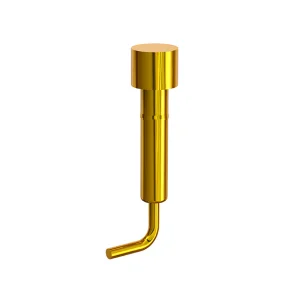
Right-angle and custom bending pogo pins facilitate side-entry and edge-card connections. These custom profiles are engineered to bypass layout obstructions, optimize vertical clearances, and enable perpendicular connection paths in ultra-thin electronic designs.
Engineered with thicker barrel walls, specialized internal springs (such as beryllium copper), and enhanced gold plating, these pins are designed to support continuous current applications. They limit thermal runaway and contact degradation in industrial power distribution units and battery modules.
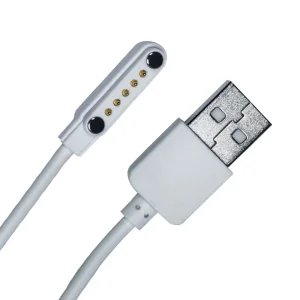
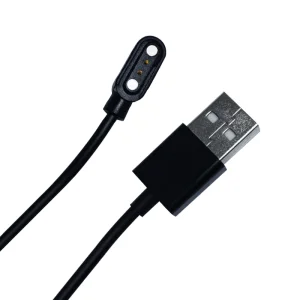
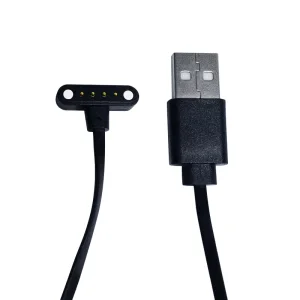
Integrating pogo pin arrays with NdFeB (Neodymium) permanent magnets ensures self-alignment, blind mating, and easy disconnection. These assemblies are widely adopted in consumer electronic charging cables, medical device interfaces, and automotive dash consoles.
Featuring active, spring-loaded plungers on both ends of the barrel, double-ended pogo pins establish solderless board-to-board linkages. They are highly valued in semi-conductor validation fixtures and modular electronics where swift, damage-free maintenance is required.
Global procurement teams in Europe, North America, and East Asia must balance mechanical reliability, cost-efficiency, and lead-time stability. Pogo pins are crucial mechanical and electrical interfaces; failure can compromise the integrity of an entire end-product. The primary procurement challenge centers on finding a manufacturing partner that offers advanced custom engineering capabilities (ODM) rather than just off-the-shelf catalog parts.
Procurement departments assess potential suppliers based on several key metrics:
Shenzhen Rongqiangbin addresses these metrics directly. By operating in-house CNC lathe machining, gold plating lines, and automated assembly operations, we maintain complete control over quality and delivery schedules.
Pogo pins are critical components across a wide range of global high-tech industries. Below is a breakdown of how custom pogo contacts solve application-specific engineering challenges.
| Industry Sector | Technical Challenge | Pogo Pin Solution Applied | Key Performance Indicators (KPIs) |
|---|---|---|---|
| Medical Devices & Wearables | Skin contact sweat corrosion, high biocompatibility, ultra-compact spatial profile. | Custom gold-plated and palladium-plated spring contacts with IP67 waterproofing barriers. | Resistance < 20 mΩ; Non-toxic biocompatible outer layer. |
| Automotive ADAS & Infotainment | Extreme vibration profiles, thermal cycles ranging from -40°C to +105°C, high data rate transmission. | Locking magnetic connectors paired with heavy-duty DIP pogo pin arrays. | Vibration shock resistance up to 20G; Lifespan > 50k cycles. |
| New Energy Vehicles (NEVs) | High voltage capacity and high current density for rapid battery pack charging interfaces. | Large-diameter coaxial spring-loaded power pins with integrated thermal sensors. | Sustained current up to 30A per pin; Temp rise < 30°C. |
| Semiconductor Testing & WLCSP | High frequency bandwidth (RF), low parasitics, high testing throughput. | Ultra-short, dual-ended pogo pins designed for high-density IC socket testing. | Frequency limits up to 40 GHz; Pitches down to 0.3mm. |
Our engineering roadmap focuses on advancements in materials science, precision geometry, and specialized surface coatings to meet the next generation of industrial requirements.
Traditional brass barrels are being replaced by high-conductivity copper alloys. We are also optimizing plating processes by using palladium-nickel (Pd-Ni) underlayers beneath gold topcoats. This approach improves resistance to oxidation and mechanical wear, ensuring stable contact interfaces over extended cycles.
With the rise of 5G, Wi-Fi 6E/7, and USB4, pogo pins must maintain impedance match (50Ω / 90Ω differential) to avoid signal reflection. Our R&D team designs custom coaxial shielding sleeves that fit around the spring pins, enabling clean RF signaling inside compact device casings.
As consumer electronics and medical sensors continue to shrink, the pitch between individual contact channels must decrease. We are expanding our micro-manufacturing capabilities to mass-produce pogo pin arrays with center-to-center pitches as small as 0.35mm without sacrificing spring force.
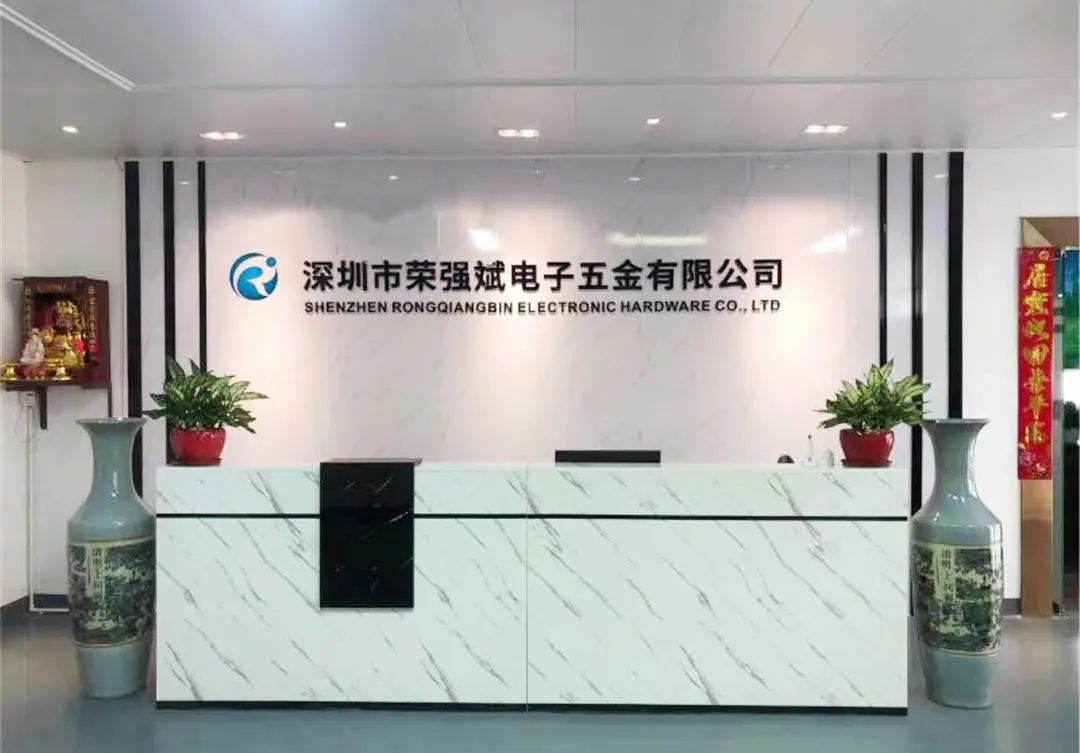
Founded in February 2011 in Songgang Street, Shenzhen—at the heart of the Guangdong-Hong Kong-Macao Greater Bay Area—Shenzhen Rongqiangbin has grown into a leading manufacturer of specialized pogo pin connectors.
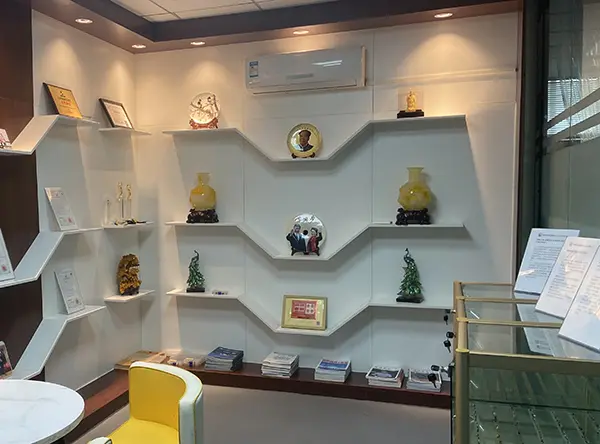
Our operation is built on technical expertise, reliable quality control, and customer-focused service. We hold an ISO9001:2015 international quality management certification, backed by a robust quality control team and environmentally sound production processes. We ensure every batch of products meets strict environmental and technical requirements.
Our commitment to "customer first, integrity first" has helped us establish long-term engineering and supply partnerships with global industry leaders, including:
Samsung, Honeywell, Siemens AG, ZTE, 360, QCY, Haylou, Shanghai Laimu, Luxshare Group, Aoni Electronics, and Amphenol Group.

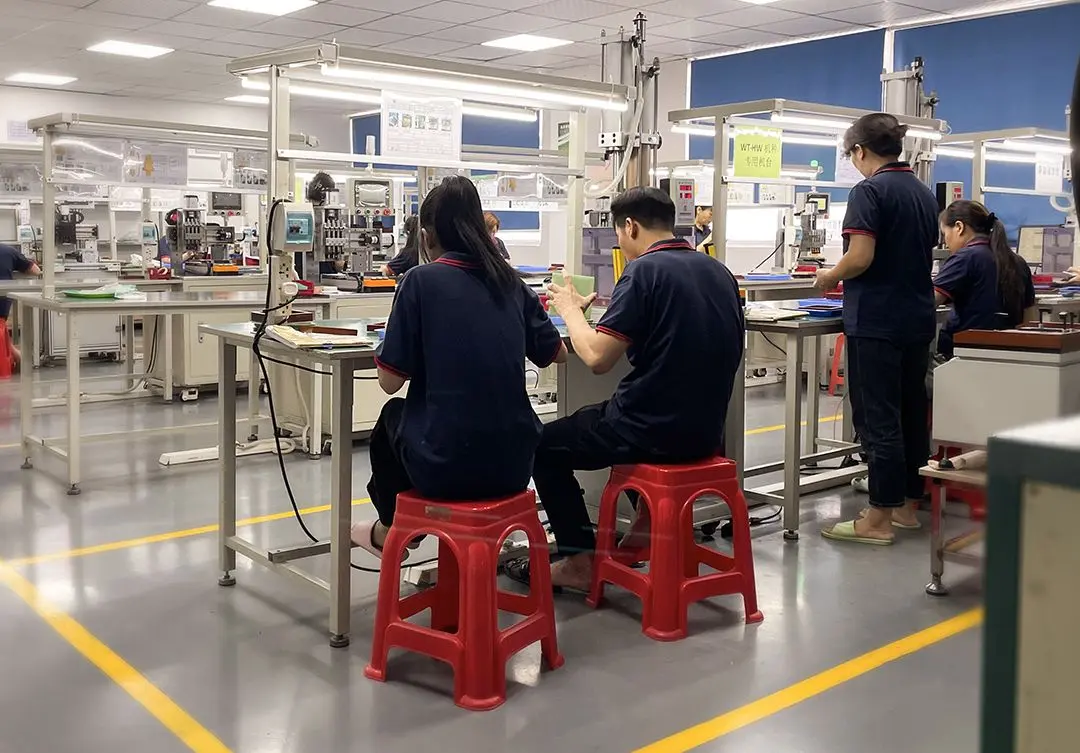
Our production facilities utilize modern testing equipment to guarantee that all products meet mechanical and electrical specifications before delivery.
To ensure high quality across our product range, Shenzhen Rongqiangbin maintains rigorous quality control procedures. Our testing facilities conduct the following evaluations on all custom and standard production runs:

Frequently asked questions regarding material selection, custom designs, lead times, and manufacturing tolerances.
Explore our specialized product series, designed to meet strict performance requirements across multiple industrial applications.
 Rongqiangbin Electronic