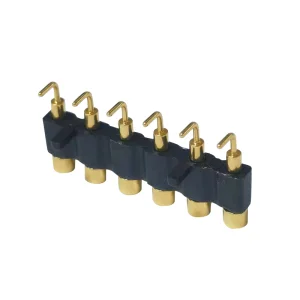
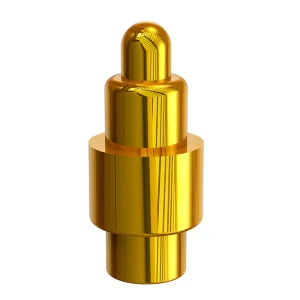
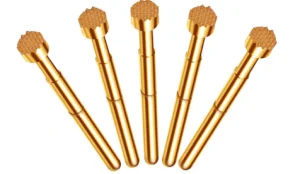
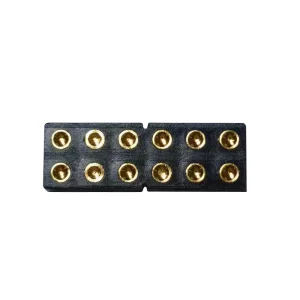
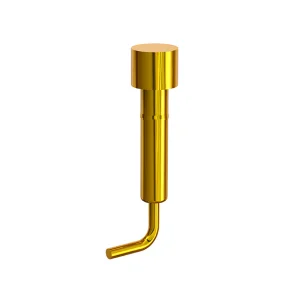
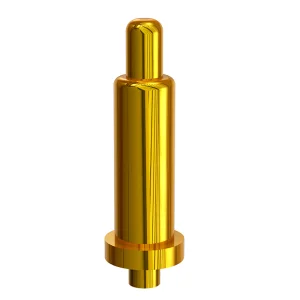
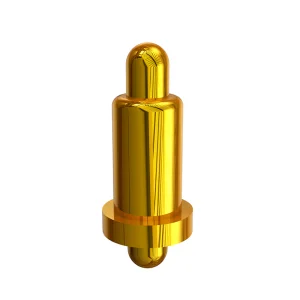
Explore our foundational custom-developed spring-loaded connect elements engineered to maintain exceptional signal integrity, durable current ratings, and rugged mechanical operations.
In modern high-performance micro-electronics, spatial efficiency, thermal performance, and continuous current delivery are crucial design requirements. Original Design Manufacturers (ODMs) and Original Equipment Manufacturers (OEMs) face challenges integrating connectivity solutions within devices with complex form factors. Pogo pins (spring-loaded contacts) offer an ideal solution, providing excellent durability, flexible compliance ranges, and outstanding mating tolerances.
Unlike traditional leaf-spring connections or pin headers, pogo pins compress vertically. This feature allows for micro-pitch arrays, reduces overall profile heights, and maintains constant mechanical pressure even under heavy shock and vibration. Partnering with a specialized ODM pogo pin supplier enables system engineers to customize plating, spring forces, housing materials, and insulation. This ensures long-term operational integrity and minimizes the risks of contact resistance fluctuations or mechanical failures.
“Information Gain Advantage: Modern custom pogo pin design goes beyond simple metal turning. It requires integrating finite element analysis (FEA) for spring mechanics, high-frequency signal simulation for impedance matching, and specialized electroplating technologies to resist sweat, salt spray, and atmospheric corrosion.”
A trusted leader in electronic hardware manufacturing, focused on spring-loaded connectivity innovations.
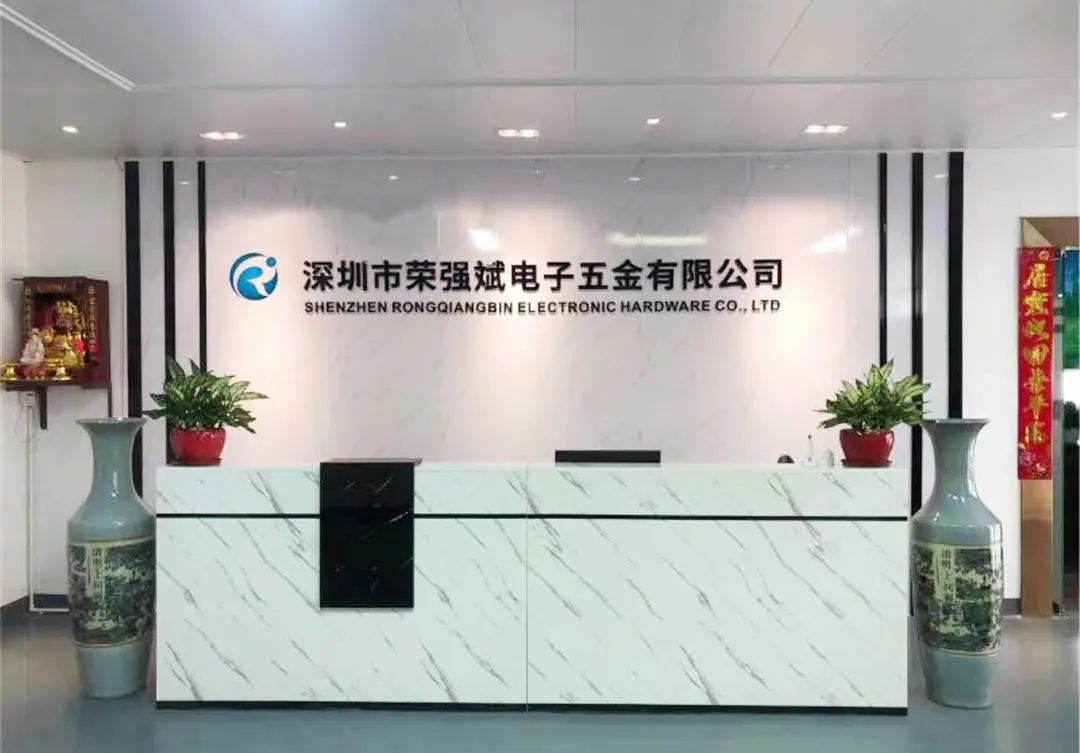
Founded in February 2011 and located in Songgang Street, Shenzhen—at the heart of the Guangdong-Hong Kong-Macao Greater Bay Area’s advanced industrial manufacturing corridor—Shenzhen Rongqiangbin Electronic Hardware Co., Ltd. specializes in developing, manufacturing, and marketing high-precision Pogo Pin Connectors.
Through years of technical innovation and process refinement, we have grown into an industry leader. Operating on the core principle of "customer first, integrity first," we feature an in-house engineering and production team with extensive experience. We maintain long-term partnerships with leading global enterprises, including Honeywell, Samsung, SIEMENS AG, ZTE, 360, QCY, HAYLOU, Shanghai Laimu, Luxshare Group, Aoni Electronics, and Amphenol Group.
To support high-quality production and environmental compliance, our facility is certified under the ISO9001:2015 international quality management standard. Our robust quality inspection systems and environmental controls ensure our products satisfy global industry requirements.
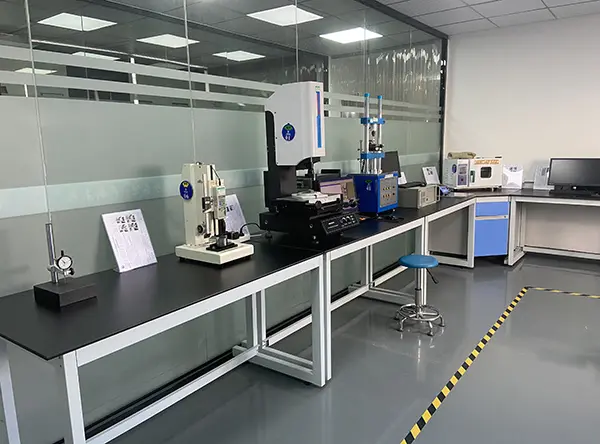
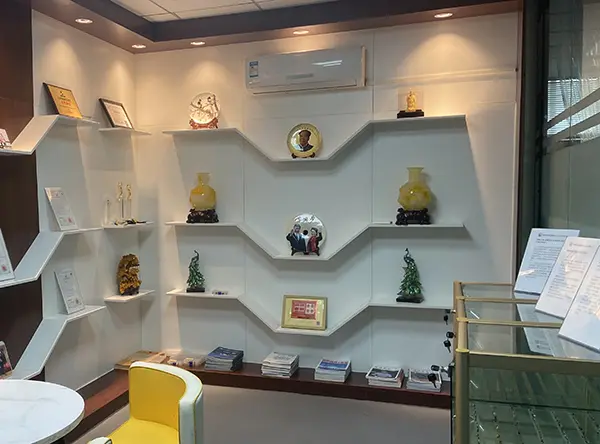
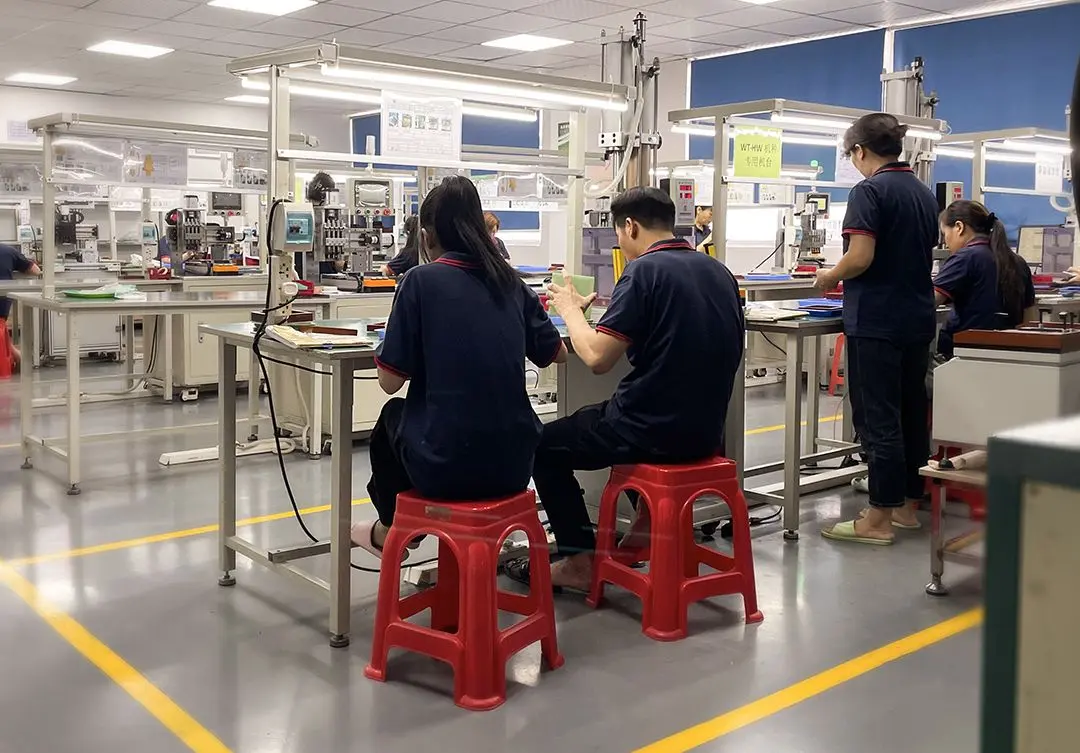

Our QC labs feature x-ray plating thickness analyzers, durability testers, high-current load chambers, and dynamic resistance testers to ensure reliability.
Our engineering team delivers custom DFM structures and generates 3D CAD modeling simulations and sample prototypes in 3 to 5 business days.
Committed to being an excellent POGO PIN manufacturer for both quality and cost globally, leading connector technology development.
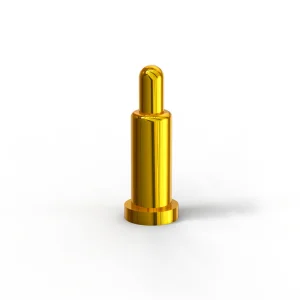
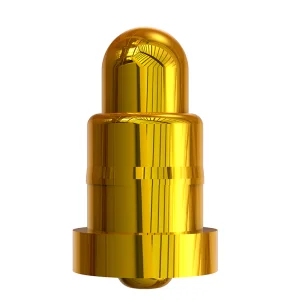
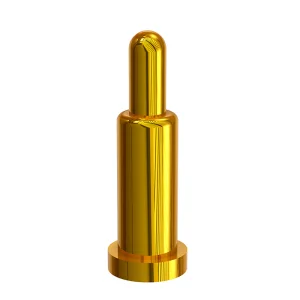
A pogo pin is a precision-engineered spring-loaded contact assembly consisting of three primary components: a plunger, a barrel, and an internal spring. Developing pogo pins for ODM projects requires understanding how physical dimensions, material selections, and surface treatment technologies interact under varying operational conditions.
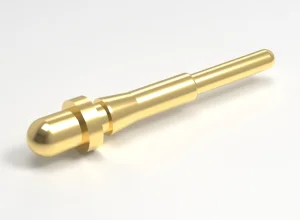
The plunger contact tip is a key element for securing a reliable electrical interface with the target mating surface. Depending on the application, engineers choose from several tip designs:
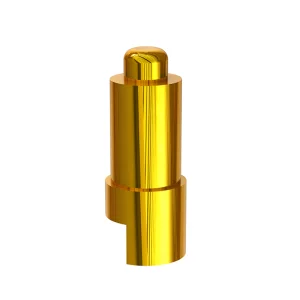
To reduce contact resistance, we incorporate specialized internal designs, such as back-drill plungers or bias-cut structures. By creating an angled cut at the base of the plunger, the plunger makes constant contact with the inner wall of the barrel. This prevents high electrical resistance by routing the current path directly through the barrel rather than solely through the spring.
Selecting the correct plating thickness is critical to ensuring long-term wear resistance and corrosion protection. Standard specifications feature a nickel base underplate (1.25–2.5 μm) covered by a functional gold layer (0.1–1.5 μm). For applications exposed to sweat, seawater, or skin contact, we offer custom plating solutions such as:
| Parameter | Standard Specification Range | High-Performance Capabilities |
|---|---|---|
| Rated Current | 1.0A – 3.0A Continuous | Up to 15.0A (High-Current Contacts) |
| Contact Resistance | < 30 mΩ (at rated deflection) | < 10 mΩ (Low-Resistance Custom Pins) |
| Spring Force Range | 40g to 120g ± 20g | Custom engineered up to 300g force |
| Durability Life | 10,000 Mating Cycles | Up to 1,000,000 Cycles (Testing Grade) |
| Operating Temperature | -40°C to +85°C | -55°C to +150°C (Automotive Rated) |
Located in Songgang Street, Shenzhen, our facility operates in the center of the global electronics supply chain. This location provides several key advantages:
Serving multinational clients requires more than technical expertise; it demands localized support, clear communications, and compliance with international standards.
We provide localized engineering support to simplify integration. Our Field Application Engineers (FAEs) collaborate with your R&D teams to provide design assistance, tolerance analyses, and material selection support. We resolve design challenges early, saving development time and preventing quality issues down the line.
Our products comply with international environmental and safety standards. Every production run undergoes testing to verify compliance with key global regulations:
To support global supply chains, we offer flexible shipping and inventory solutions. Whether you require standard cargo shipping, express air freight, or customized inventory management systems (such as safety stock agreements or Kanban replenishment), we ensure your production lines run smoothly without interruptions.
Pogo pins are increasingly used across multiple sectors due to their mechanical adaptability and high durability. Key applications include:
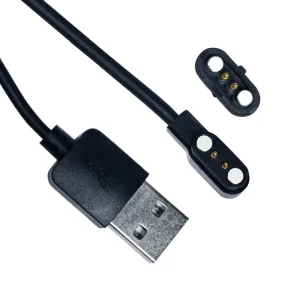
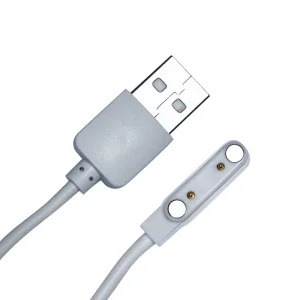
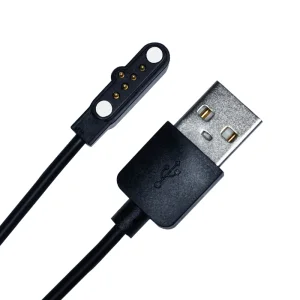
Compact pogo pins with sweat-resistant gold plating provide reliable charging and data connections in smartwatches, fitness trackers, and TWS earbuds.
Robust, high-current pins deliver stable charging connections in modern electric vehicles and power-management systems, standing up to road vibration.
Waterproof (IP67/IP68) magnetic pogo pin assemblies provide reliable power and data connections in demanding industrial sensor networks.
The electronics industry is driving pogo pin technology toward three main trends:
Find answers to common questions about custom pogo pin design, material specifications, and quality verification processes.
For custom ODM designs, we provide 3D CAD modeling and DFM analysis within 24 to 48 hours. Once design drawings are approved, we fabricate and deliver functional prototype samples in 3 to 5 business days, depending on custom tooling and material requirements.
To prevent sweat-induced corrosion, we offer custom plating solutions such as thicker gold layers (up to 50u"), platinum (Pt) plating, or composite palladium-nickel (Pd-Ni) coatings. These materials resist electrolysis, reduce oxidation, and maintain stable contact resistance during active charging cycles.
Our quality control lab performs cycle lifetime testing at set deflections, dynamic contact resistance mapping, vibration testing, and thermal shock chamber evaluations. Standard pins endure over 10,000 cycles, while specialized testing probes are rated for up to 1,000,000 cycles.
Yes, our entire product catalog complies with environmental regulations, including RoHS, REACH, and California Proposition 65. We issue formal compliance certificates, material declarations, and SGS test reports for all raw materials and platings.
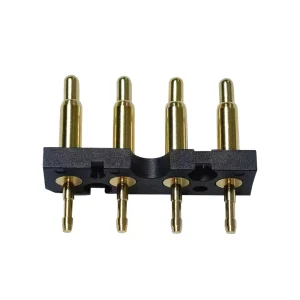
Explore our advanced range of custom solutions, designed for high-density layouts, waterproof configurations, and magnetic charging applications.
 Rongqiangbin Electronic