 Rongqiangbin Electronic
Designing Next-Generation Magnetic Audio Connectors
A Deep-Dive Whitepaper on Metallurgical Configurations, Performance Metrics, and Intent-Driven Design Paradigms.
1. The Evolution from Standard Audio Jacks to Magnetic Pogo Interconnects
For decades, the standard 3.5mm cylindrical jack ruled the consumer and industrial audio landscape. However, as modern products shrink, require higher water resistance (IPX7/IPX8), and demand cleaner aesthetic profiles, the limitations of traditional barrel jacks have become apparent. Traditional ports present deep physical cavities that act as dust traps, moisture corridors, and mechanical failure vectors under repeated torque stress.
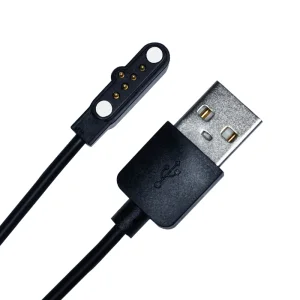
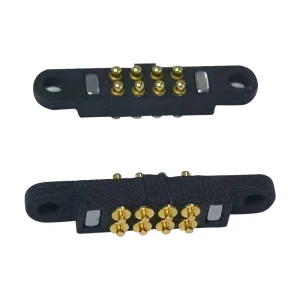
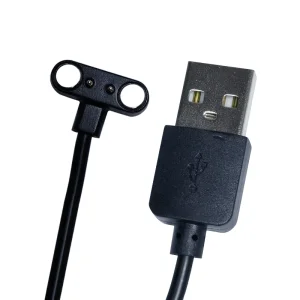
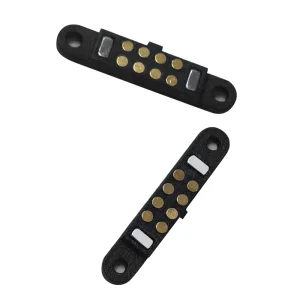
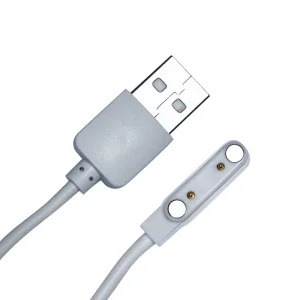
Magnetic audio connectors represent a fundamental paradigm shift. By separating mechanical locking from electrical contact through the implementation of NdFeB (Neodymium Iron Boron) magnet rings paired with spring-loaded pogo pins, engineers achieve self-aligning breakaway connectivity. This eliminates wear and tear on the PCB housing, simplifies charging/data sync for consumer wearables, and permits ultra-slim design heights of under 2.0mm. Furthermore, should a cord be yanked unexpectedly, the magnetic latch breaks clean without damaging the host device, providing crucial product longevity.
2. Understanding the Internal Architecture and Materials Science
A reliable magnetic audio connector is not simply a magnet glued to a wire. It is a highly engineered assembly that must balance electrical contact resistance, magnetic flux containment, and corrosion barriers. As a premier manufacturer, Shenzhen Rongqiangbin optimizes each component layer:
Pogo Pin Plating & Metallurgy
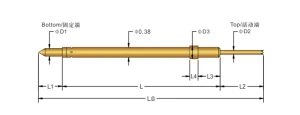
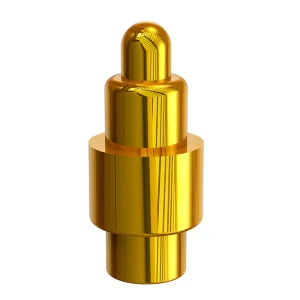
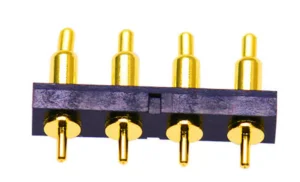
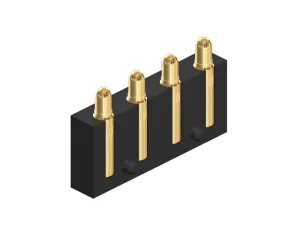
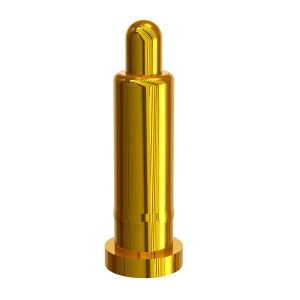
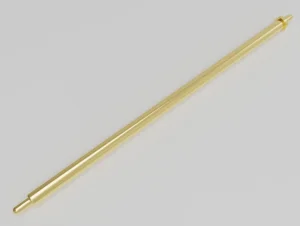
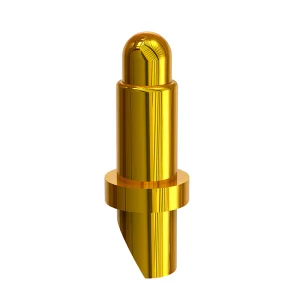
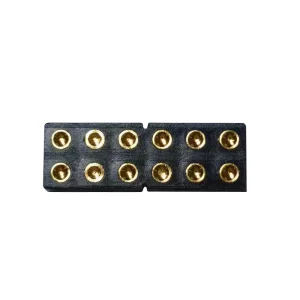
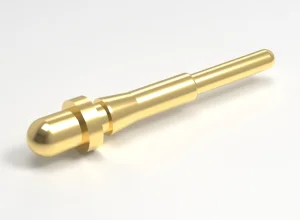
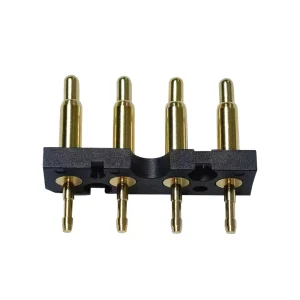
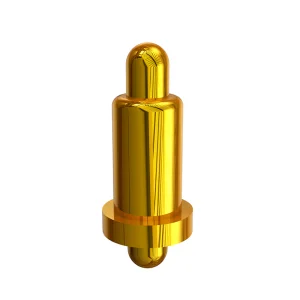
Standard pins consist of a brass base barrel, a stainless steel or beryllium copper spring, and a turned brass plunger. To handle audio and power signals cleanly, we apply a specialized nickel-free or low-nickel barrier layer, followed by heavy gold plating (up to 50u") or palladium-nickel (Pd-Ni) alloys. This ensures contact resistance remains below 30mΩ while preventing oxidation from sweat exposure.
Magnetic Array Engineering
We utilize high-grade N52 Neodymium magnets. The magnet structure is configured in alternating North-South poles to maximize attraction force in minimal volumes while shielding the sensitive acoustic coils of earphones and microphones from EMI (Electromagnetic Interference).
Precision Molding & Housing
The insulating plastic matrix must survive reflow soldering temperatures up to 260°C. We utilize LCP (Liquid Crystal Polymer) or High-Temp Nylon (PA9T/PA46). The housing undergoes precision insert molding to ensure an airtight seal capable of meeting strict IP67/IP68 ingress ratings.
3. Key Performance Parameters: OEM Specifications
For procurement managers and R&D engineers, selecting an OEM supplier requires analyzing precise technical data. A minor deviation in spring force or plating thickness can lead to intermittent signal dropouts, voice distortion, or electrolytic corrosion. Below are our standardized engineering benchmarks:
| Parameter / Spec Detail | Standard Rating | Premium Custom Options | Test Protocols Applied |
|---|---|---|---|
| Contact Resistance | ≤ 30 Milliohms (mΩ) | ≤ 10 Milliohms (mΩ) | EIA-364-23 (Low Level Contact Resistance) |
| Rated Current | 1.5A to 3.0A per Pin | Up to 15A (Custom High-Current pins) | Temperature rise vs. Current curve analysis |
| Magnetic Attraction Force | 300g to 800g (customized) | Up to 1500g for high-vibration systems | Digital force gauge pull-off test |
| Mating Cycles (Durability) | 10,000 cycles minimum | 100,000 to 500,000 cycles | EIA-364-09 Auto cycle endurance test |
| Salt Spray Resistance | 48 Hours (Standard) | 96 Hours to 240 Hours (Marine/Sweat resistance) | ASTM B117 salt mist chamber testing |
| Waterproof Rating | IP54 / IP65 | IP67, IP68 (Underwater continuous, 1.5m depth for 30m) | Helium leak detection & pressure chamber |
Note on Information Gain: Many generic suppliers utilize standard electroplating which degrades rapidly under human sweat. At Rongqiangbin, we deploy a proprietary plating method that alternates gold and platinum-group metal layers. This configuration prevents pin pitting and preserves clean audio signals for headsets, wearables, and high-frequency communication modules.