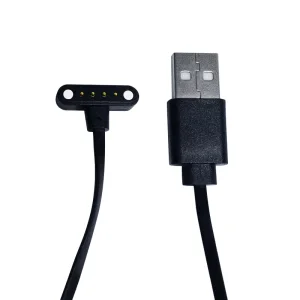
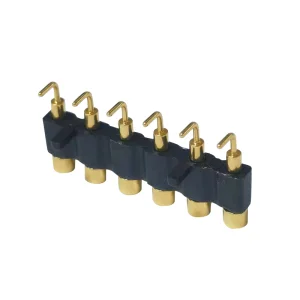
Explore our core high-reliability spring-loaded connectors and custom magnetic cable solutions designed for harsh environments and miniature application footprints.
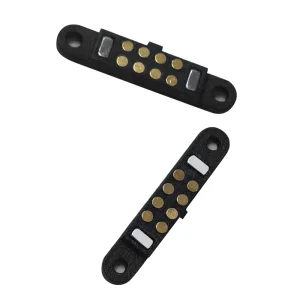
Magnetic pogo pin connectors represent a paradigm shift in interconnect technology. By combining a mechanical spring-loaded contact with a magnetic alignment matrix, these components deliver a self-mating interface that guarantees reliable data transmission, high power throughput, and foolproof operational handling. As an industry-leading OEM Magnetic Pogo Pin Maker Supplier & Factory, our engineering department designs connectors that mitigate the typical failure points associated with traditional leaf-spring or blade connectors, such as dust ingress, pin deformation, and manual connector misalignment.
"The core value of magnetic interconnects lies in the precise configuration of NdFeB (Neodymium) magnets combined with fine-pitch machining tolerances. When the magnetic circuit is calculated correctly, it provides an automatic latching force that aligns the contacts with micrometric accuracy, reducing mechanical fatigue and eliminating user errors."
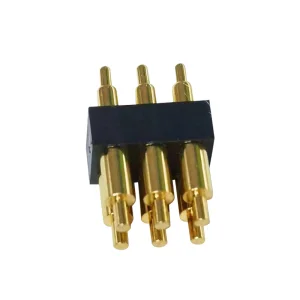
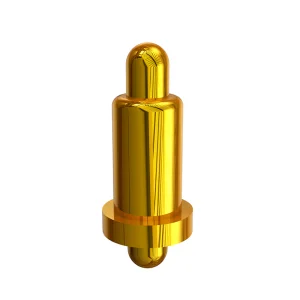
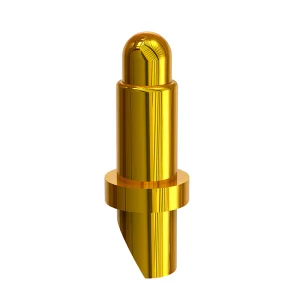
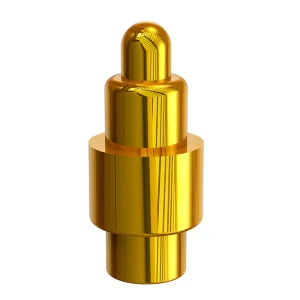
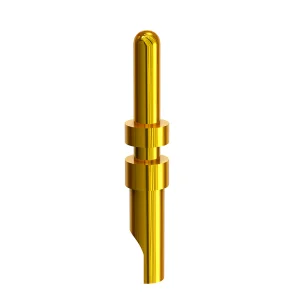
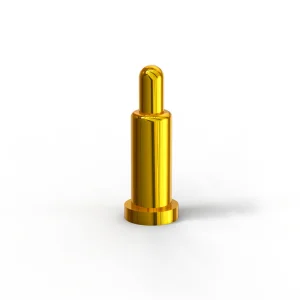
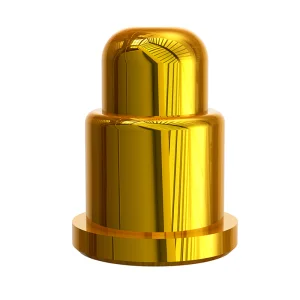
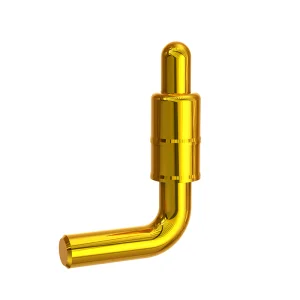
Each individual pogo pin contact is composed of three primary components: the Plunger, the Barrel, and the Internal Spring. While this structure seems simple, our factory optimizes each element via Finite Element Analysis (FEA) to ensure structural longevity:
Standard gold plating thickness of 3u" to 50u" over nickel. High resistance against sweat, sebum, and aggressive industrial environments.
Calculated configuration of N52 neodymium magnets. We balance standard holding forces (500g to 2000g) for a satisfying self-mating latch.
Specialized ball-point design or biased plunger structures to redirect current paths, allowing stable support up to 15A per channel.
A premier Chinese manufacturing enterprise situated in the heart of the Guangdong-Hong Kong-Macao Greater Bay Area.
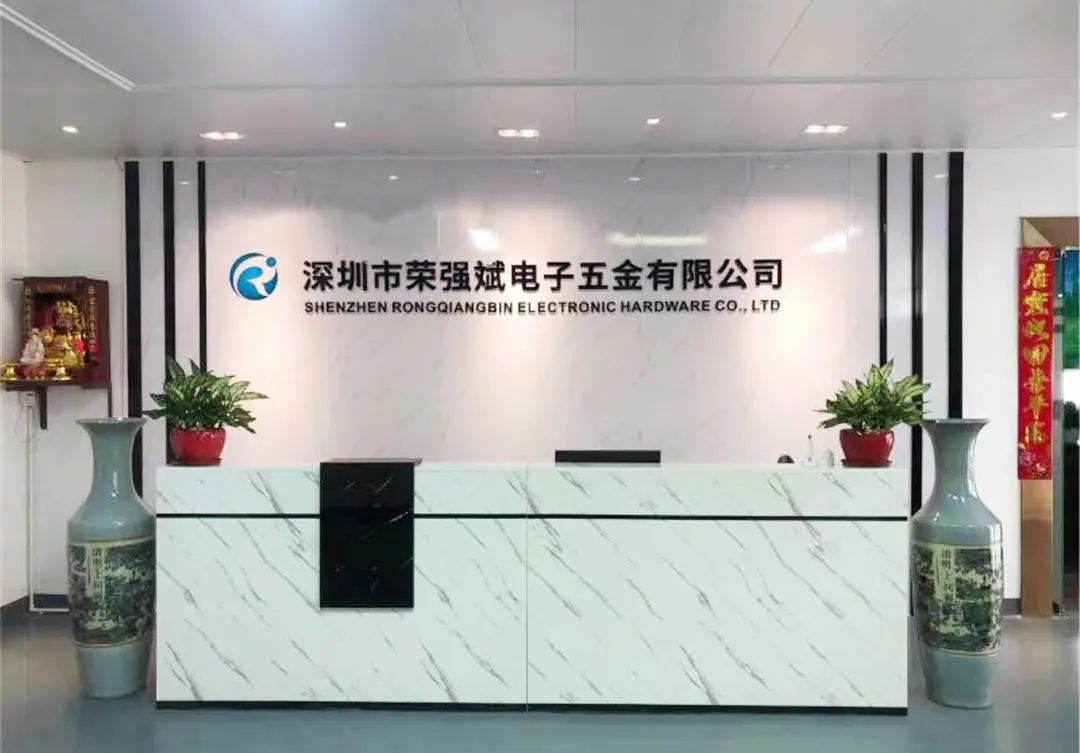
Founded in February 2011 in Songgang Street, Shenzhen, Shenzhen Rongqiangbin Electronic Hardware Co., Ltd. has dedicated over a decade to the mechanical engineering and micro-machining development of pogo pin connectors. Through relentless technological sedimentation, our enterprise has evolved from a local CNC workshop into a global-scale innovator in interconnect engineering.
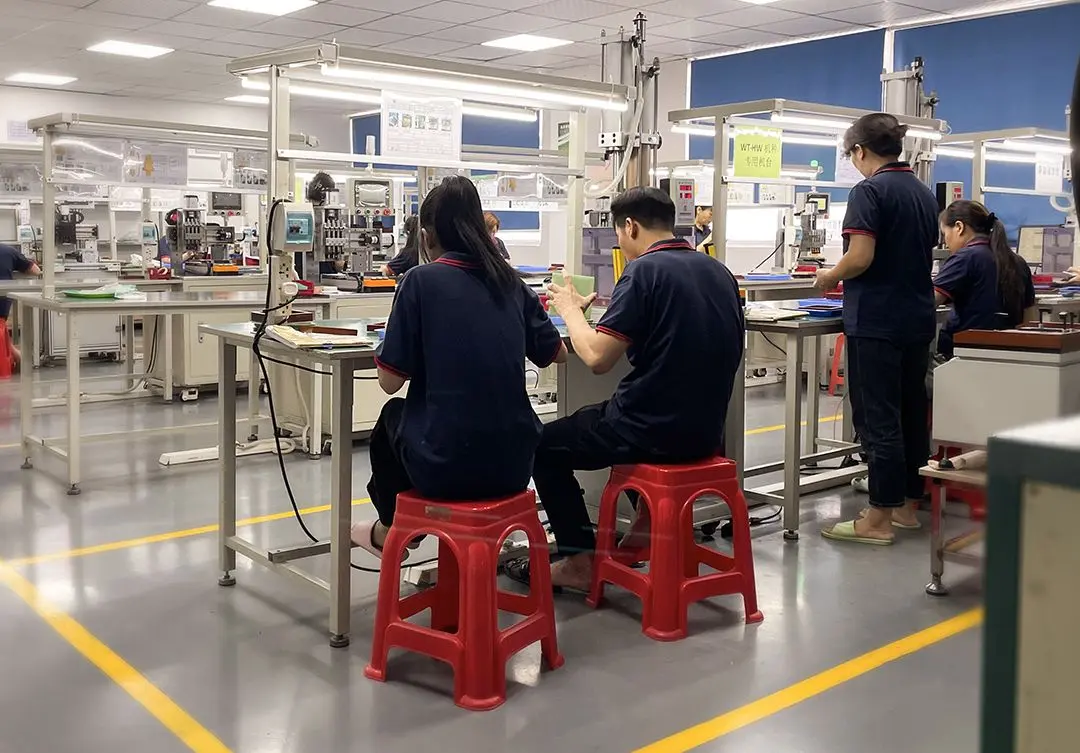
Equipped with state-of-the-art automatic production lines, our manufacturing facility operates under the strict guidelines of the ISO9001:2015 international quality management system certification. We recognize that our global partners require more than just raw components; they require reliable, validation-tested, and compliant sub-assemblies. This core understanding driving our team has forged deep engineering collaborations with many of the world's most recognizable brands.
To serve as the premier standard of excellence among global POGO PIN manufacturers, combining highly optimized cost structures with unwavering product reliability. We strive to pioneer next-generation magnetic mating technology for wearable smart tech, medical equipment, and consumer IoT hardware.

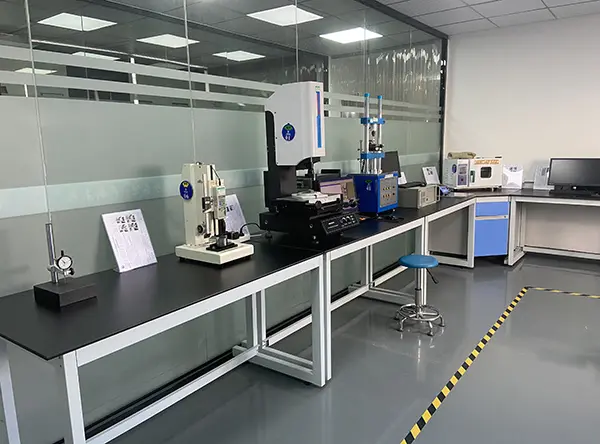
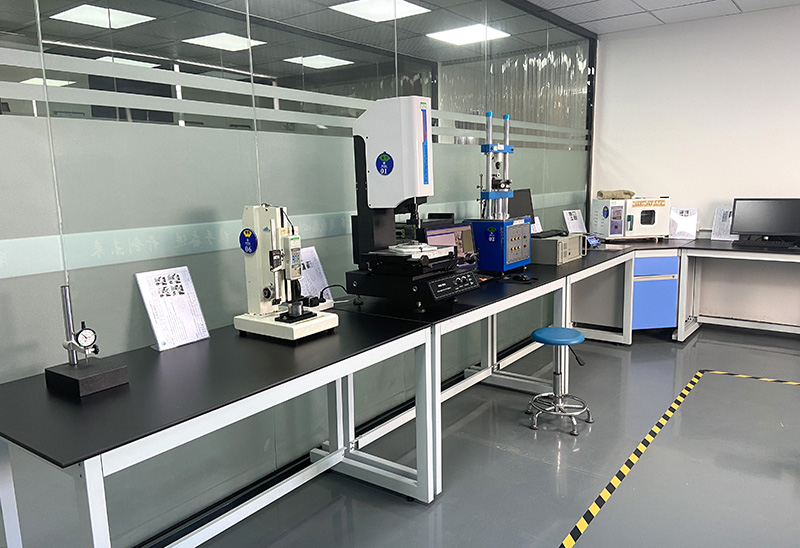
To back up our E-E-A-T (Experience, Expertise, Authoritativeness, and Trustworthiness) criteria, we deploy an array of verification instruments. Our quality lab is fully equipped with dynamic contact resistance testers, high-precision force-stroke displacement testers, salt spray chambers (for corrosion validation), environmental chambers, and X-ray plating thickness analyzers.
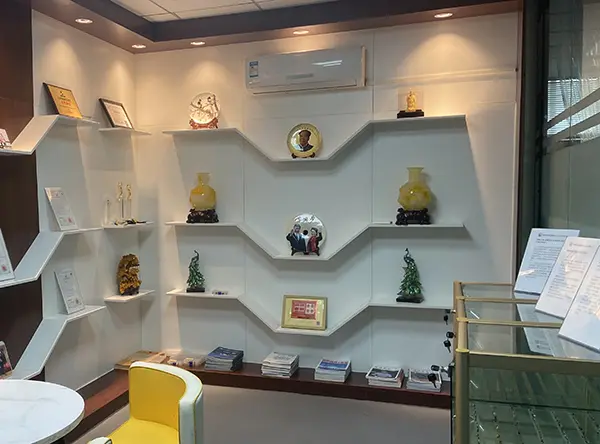
We deliver enterprise-level hardware solutions that comply with the rigorous standards of leading multinational electronics brands.
Procuring raw connectors from Shenzhen offers global enterprises unmatched speed and cost advantages. Songgang Street, located within the Shenzhen electronics hub, is globally recognized as the epicenter of high-precision CNC machining and micro-connector manufacturing. At Shenzhen Rongqiangbin Electronic Hardware Co., Ltd., we utilize the dense localization of materials, machining equipment, and skilled technical engineers to deliver a rapid development cycle.
Our vertical integration incorporates the raw processing of brass rods, precision lathe turning, micro-injection plastic molding, automatic terminal pin assembly, and optical sorting. This tight supply integration ensures that custom ODM/OEM designs can go from CAD modeling to physical prototypes in as little as 3 to 5 days, compared to weeks in other Western manufacturing hubs.
Industrial, medical, and automotive system integrators face unique challenges. When sourcing a magnetic pogo pin connector, their evaluation metrics focus on five primary requirements:

We build our operations around international compliance, supporting our clients' green logistics initiatives. Every component that departs our production floor complies with the latest regulatory mandates:
The demand for fast charging, sleek industrial designs, and waterproof ports has accelerated the deployment of magnetic pogo pins across diverse sectors:
Designed for miniaturized Bluetooth headphones, smartwatches, and VR headsets. The tiny size allows for minimal PCB footprint and sweat-resistant external charging ports.
Critical for portable diagnostic instruments. The quick-release mechanism protects patients from accidental wire tugging while maintaining stable electrical contact.
Ideal for automatic charging stations, hand-held scanners, and robust sensor arrays that require reliable connectivity under harsh dust and moisture exposure.
The connector landscape is evolving toward higher power delivery (PD) standards and high-speed data transmission. We are investing heavily in R&D to combine high-performance materials with custom shapes to meet USB 3.1 and USB 4.0 data transmission standards over magnetic pogo pin interfaces, delivering a reliable solution for clean and quick connections.
Technical and procurement insights into custom magnetic pogo pin design and production.
For custom ODM/OEM solutions, the engineering DFM process and CAD drafting take 2–3 days. Prototyping samples are completed in 5–7 days using high-speed CNC machinery. Large-scale mass production usually requires 15–20 days depending on the configuration and volume of custom-molded plastic housings.
Electrolysis occurs when charged pogo pins contact sweat or water. We solve this by applying custom plating layers like gold over palladium-nickel (Pd-Ni) or platinum (Pt). This increases resistance to galvanic corrosion and mechanical wear, ensuring stable electrical performance in smartwatches and TWS headsets.
Yes. While standard pogo pins support 1A to 2A currents, our high-current models are engineered with biased plungers or integrated insulating balls. These designs bypass the spring current path to route power directly through the low-resistance plunger and barrel walls, supporting continuous currents of 5A, 10A, or up to 15A.
We source N50 and N52 grade Neodymium (NdFeB) magnets, which are coated with multiple layers of Nickel-Copper-Nickel (Ni-Cu-Ni) or epoxy to prevent degradation. We also conduct thermal exposure testing to ensure the magnetic assemblies perform reliably without losing their magnetic properties over the lifetime of the host device.
Our quality control lab features force-stroke curve testers, dynamic contact resistance analyzers, salt spray chambers, X-ray plating thickness detectors, and high-frequency insertion testing machines. We carry out strict inspections at every stage of the manufacturing process to guarantee performance before shipment.
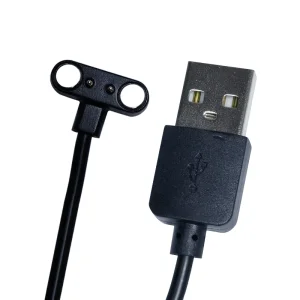
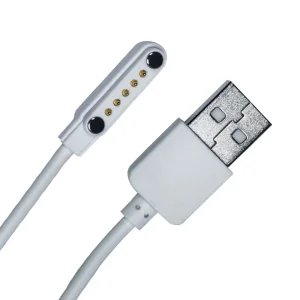
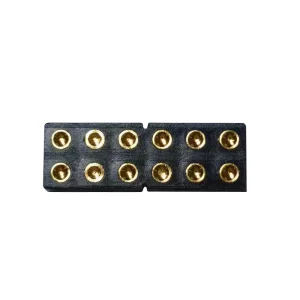
Discover more of our core spring-loaded contact pins and specialized magnetic USB charging cable assemblies.
 Rongqiangbin Electronic