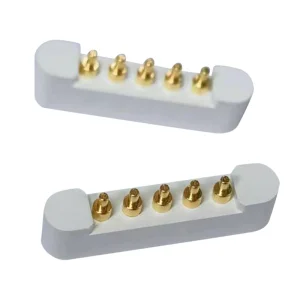
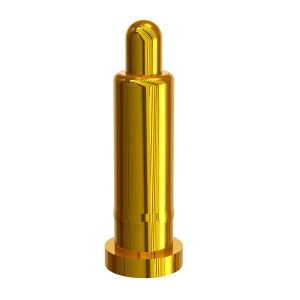
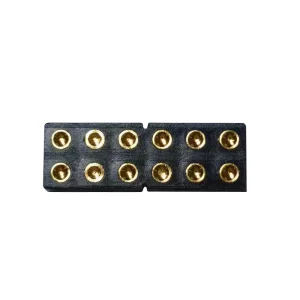
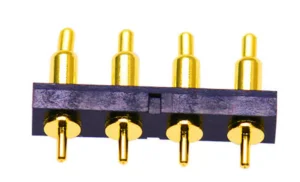
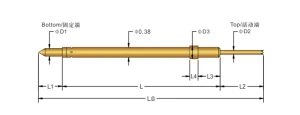
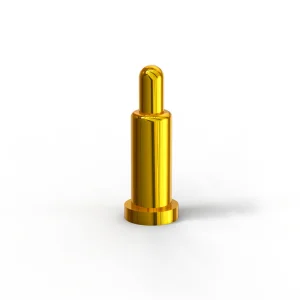
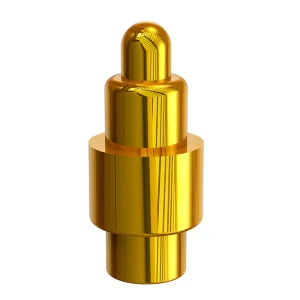
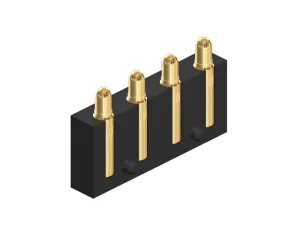
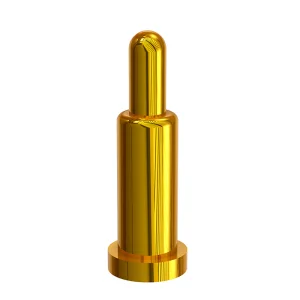
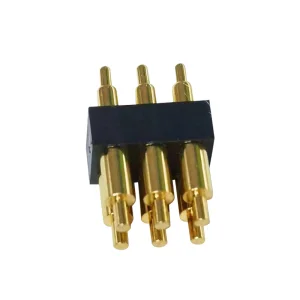
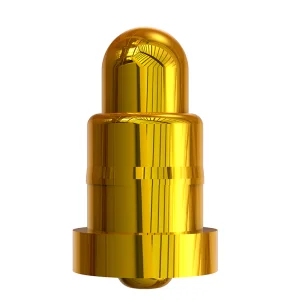
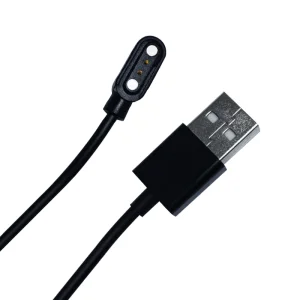
Explore our custom high-durability SMT/DIP and magnetic connectors engineered for next-generation hardware designs.
The demand for micro-miniaturized, high-current, and ultra-durable electronic connections has placed spring-loaded contact pins—commonly known as Pogo Pins—at the core of modern product engineering. This document reviews the metallurgical composition, design configurations, structural integrity benchmarks, and manufacturing innovations that enable Shenzhen Rongqiangbin (RQB) Electronic Hardware Co., Ltd. to deliver Tier-1 interconnect solutions globally.
Using advanced electrodeposition, we apply multi-layer electroplating processes (including high-density Gold (Au), Palladium-Nickel (Pd-Ni), and Platinum) to guarantee optimal skin-effect conductivity, thermal dissipation, and dynamic wear resistance over 1,000,000 cycles.
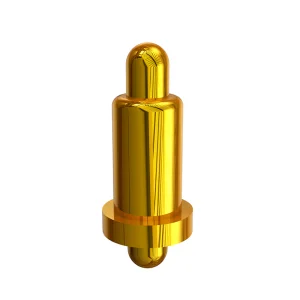
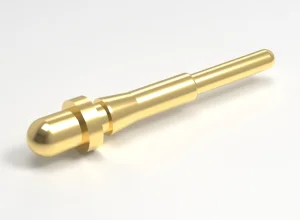
Standard pogo pins can suffer from signal instability when the plunger fails to make continuous contact with the barrel wall. RQB implements an internal ball or bias-cut plunger structure to force 100% radial contact, stabilizing impedance to below 30mΩ.
Through custom liquid silicone rubber (LSR) molding and high-precision O-ring compression seals, we build waterproof spring probes capable of sustaining continuous immersion under pressure, ideal for modern wearable audio and IoT nodes.
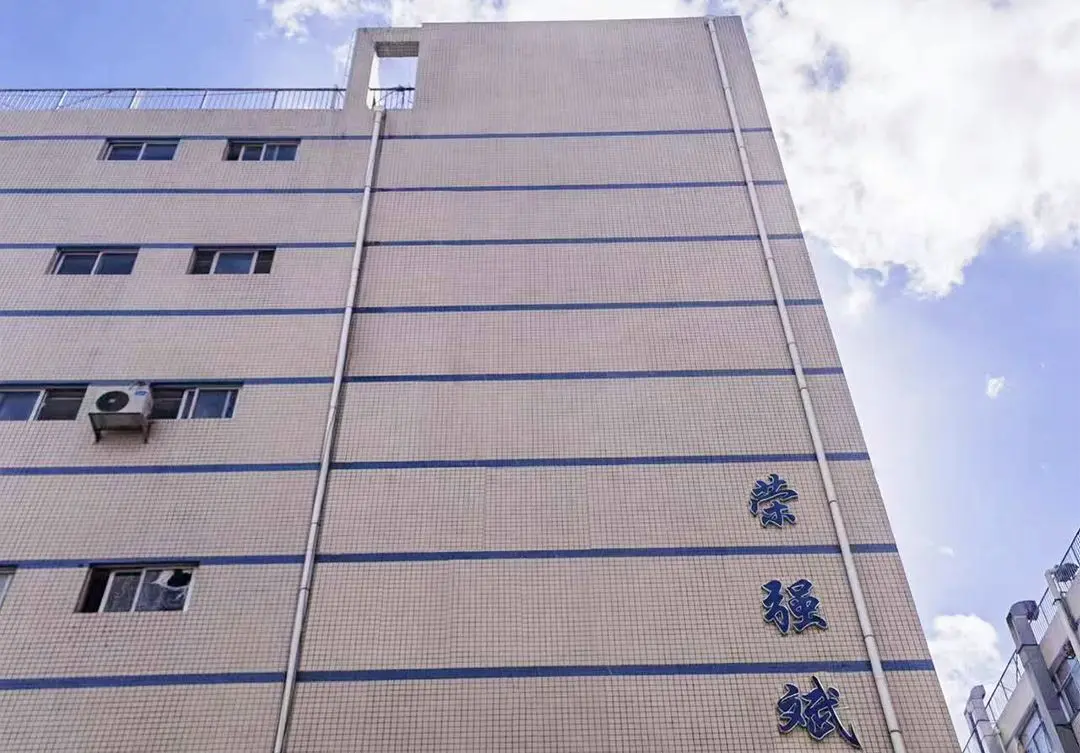
Founded in February 2011 in Songgang Street, Shenzhen, within the heart of the Guangdong-Hong Kong-Macao Greater Bay Area, Shenzhen Rongqiangbin Electronic Hardware Co., Ltd. specializes in the custom development, design, and high-volume manufacturing of high-performance Pogopin connectors.
Guided by the core philosophy of "customer first, integrity first", RQB houses a sophisticated in-house engineering and production team. We operate under strict alignment with the international ISO9001:2015 quality management standard, operating complete environmental protection and testing methodologies to serve key global enterprise accounts.
Trusted By Global Brands: Honeywell, Samsung, SIEMENS AG, ZTE, 360, QCY, HAYLOU, Shanghai Laimu, Luxshare Group, Aoni Electronics, Amphenol Group, and more.
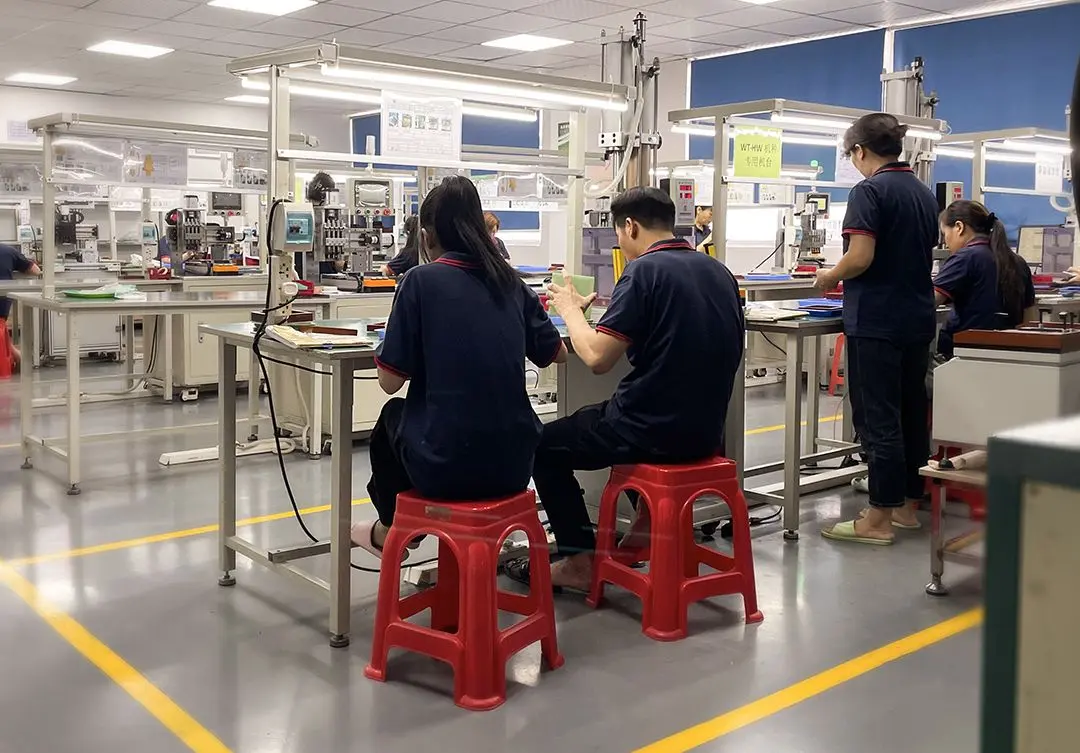
Combining deep metallurgy research, rapid custom design cycles, and rigorous validation equipment to eliminate supply chain risk.
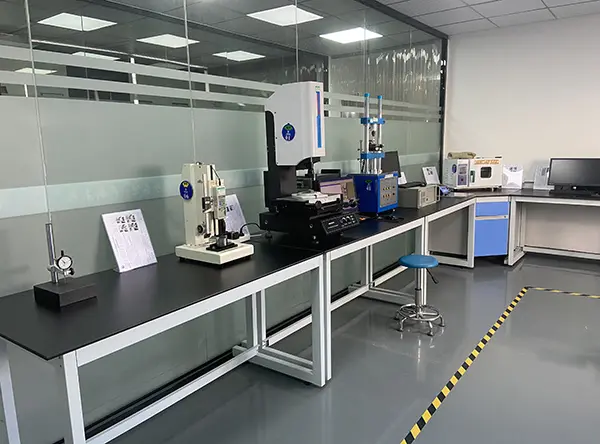
Equipped with automated optical inspection (AOI), life-cycle testing rigs, force-displacement curve testers, and X-ray fluorescence (XRF) coating analyzers to ensure thickness compliance.
We provide quick turnaround on customized drawings and samples, helping your engineering team move from prototype to production at a faster pace.
Our components are fully compliant with RoHS, REACH, and Halogen-Free requirements, satisfying the strict environmental regulations of the EU, US, and Asian markets.
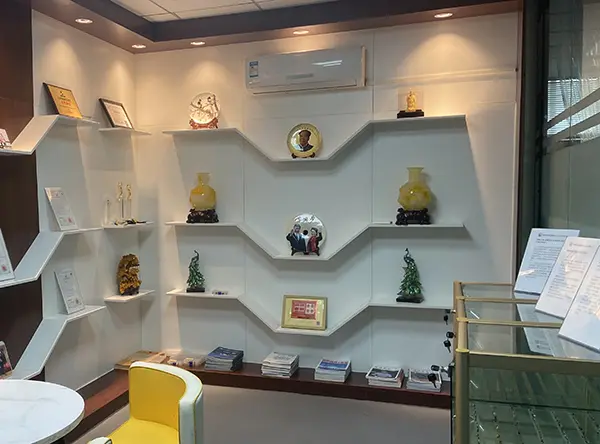
Shenzhen stands as the undisputed global capital of microelectronics. Songgang Street, located in the Bao'an District of Shenzhen, offers an unparalleled regional supply chain integration that benefits international buyers:
Minutes from Shenzhen Bao'an International Airport and major shipping ports (Yantian & Shekou), ensuring direct, high-frequency logistics lanes to Europe, the Americas, and APAC hubs.
Direct sourcing of high-purity brass, beryllium copper, SUS304 springs, and specialized engineering plastics (LCP/PA9T) reduces raw material lead time to hours rather than weeks.
Songgang is home to an dense cluster of precision turning technicians and automated Swiss-type CNC machine infrastructure, enabling the execution of extreme tolerance limits (±0.005mm).
We engineer pogo pins for the most demanding mechanical and electrical environments across multiple verticals:
| Industry Vertical | Core Application | Technical Challenge | RQB Custom Engineering Solution |
|---|---|---|---|
| Consumer & Wearables | TWS Earbuds, Smart Watches | Corrosive human sweat, limited interior space, IPX7 immersion. | Ultra-thin gold coating, biocompatible plating (nickel-free), internal rubber gasket integration. |
| Automotive & NEVs | Battery Management Systems, HUDs | Continuous vehicle vibration, high temperature fluctuations, elevated current. | High force spring configurations (up to 120g), structural heat dissipation paths, anti-vibration bias plunger. |
| Industrial IoT & Smart Grid | Meter terminals, automated sensors | High duty cycle life, exposure to ambient humidity and dust. | Plating specifications designed for >100,000 mechanical cycles with stable contact resistance. |
| Medical Technology | Non-invasive diagnostics, charging bases | Strict hygienic standards, chemical washdowns, zero-failure reliability. | Biocompatible stainless steel outer components, modular arrays built for easy sanitization. |
For procurement directors, engineering managers, and supply chain professionals, ensuring stable quality from offshore factories is critical. At RQB, we implement standard engineering verification steps:
Prior to any tooling execution, we produce detailed 2D/3D CAD models, tolerance stack analysis, and material call-outs for client engineering verification.
We check component dimensions directly on the CNC turning line using automated visual systems. Statistical Process Control (SPC) is utilized to ensure consistency.
Every production run undergoes force-stroke profiling, spring life cycles validation, salt spray testing for corrosion resistance, and contact resistance checking.
As target devices grow smaller and require faster charging, three key design trends have emerged:
Standard pogo pins support 1A to 2A currents. Advanced designs use internal ball pins or silver-plated copper cores to achieve high current flow without thermal buildup.
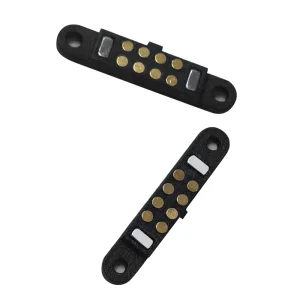
Magnetic coupling combined with custom pogo pin blocks allows for automatic alignment and self-mating connections, improving user experience and device life cycles.
Miniaturization trends in semiconductors and medical equipment demand pins with pitches below 0.5mm, requiring precise manufacturing tolerances.
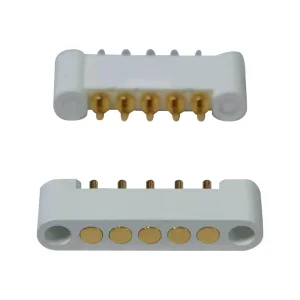
Explore our full line of specialized charging pins, magnetic assemblies, and board-level SMT pogo connectors.
 Rongqiangbin Electronic