High-fidelity test needles specifically calibrated for Nordic telecom infrastructure and premium automotive testing systems
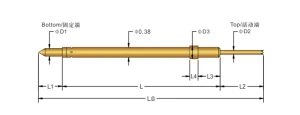
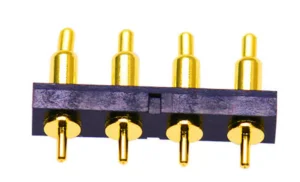
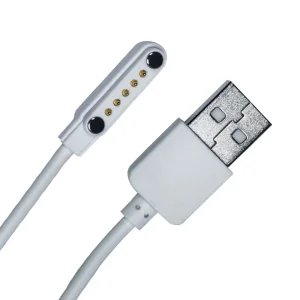
An authoritative analysis of RF contact mechanics, signal integrity, and supply chain synergy for Sweden’s advanced technology sectors
Sweden continues to position itself as a major European pioneer in deep-technology sectors. From Stockholm’s Kista Science City, commonly dubbed Europe’s Silicon Valley, to the heavy automotive electronics clusters in Gothenburg and industrial hubs of Linköping and Västerås, Sweden’s industrial engine demands precision-engineered testing infrastructure. Ericsson's continuous rollout of advanced 5G and early-stage 6G base stations, combined with Volvo's commitment to complete vehicle electrification and Northvolt's battery gigafactories, creates a unique industrial landscape. In this environment, signal integrity is not merely a preference; it is a critical regulatory and functional baseline.
At the heart of this electronic revolution is the high-frequency testing needle. When validating high-speed logic boards, millimeter-wave (mmWave) antennas, or complex electronic control units (ECUs), the mechanical interface between the automated test equipment (ATE) and the Device Under Test (DUT) must operate with near-zero signal distortion. Standard testing pins exhibit parasitic inductance and capacitance that degrade RF parameters at frequencies above 1 GHz. Our dedicated manufacturing pipeline serves Sweden's developers by delivering specialized high-frequency needles designed for low insertion loss (S21) and minimal return loss (S11) up to frequencies exceeding 40 GHz.
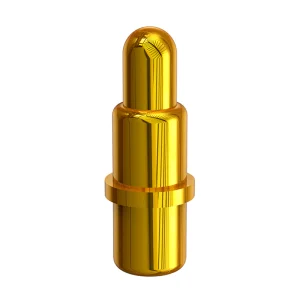
High-frequency test needles, often designed as coaxial spring probes or tailored pogo pin modules, require highly specialized physics considerations compared to standard DC power pins. At multi-gigahertz frequencies, high-speed signals experience the "skin effect," where electrical current flows primarily along the outer skin of the conductor. This requires internal materials to possess pristine surface finishes and flawless metal plating.
To ensure stable electrical performance, we implement a variety of technical design paradigms:
Designing internal paths to hit 50 Ohm and 75 Ohm targets precisely, preventing signal reflections and maintaining integrity across test matrices.
Utilizing high-grade Beryllium Copper (BeCu) and Palladium alloy cores layered with heavy gold plating to withstand hundreds of thousands of test cycles.
Bias-ball designs and advanced internal spring engineering ensure continuous electrical paths even under mechanical vibration or shear stress.
By selecting premium raw materials such as hardened Beryllium Copper (BeCu), SK4 steel, and high-performance engineering plastics (PEEK/Torlon), our factories ensure that testing needles withstand the abrasive forces of testing oxidised PCB pads or solder balls without losing contact force.
Globally, the market for semiconductor and high-frequency testing continues to grow rapidly. As automotive platforms shift to ADAS systems operating at 77 GHz radar configurations and industrial IoT platforms transition to 5G New Radio (NR) networks, testing complexity increases exponentially. Swedish entities require testing partners who understand these requirements:
Pioneering precision connector solutions globally since 2011
Shenzhen Rongqiangbin Electronic Hardware Co., Ltd. is located in Shenzhen, the leading city of the Guangdong-Hong Kong-Macao Greater Bay Area. Founded in February 2011 in Songgang Street, Shenzhen, we specialize in the development and manufacturing of high-performance Pogopin connectors and high-frequency testing needle solutions. After years of efforts and sedimentation, the company gradually became a leader in the precision hardware industry.
Our core mission revolves around "customer first, integrity first." Armed with a robust technical production team, we have established long-term cooperative partnerships with top tier global brands. We have obtained the ISO9001:2015 version of the international authoritative quality management system certification, backing our operations with a strong quality assurance protocol and environmental management systems. This guarantees our Swedish and European clients comply fully with local standards including RoHS and REACH.
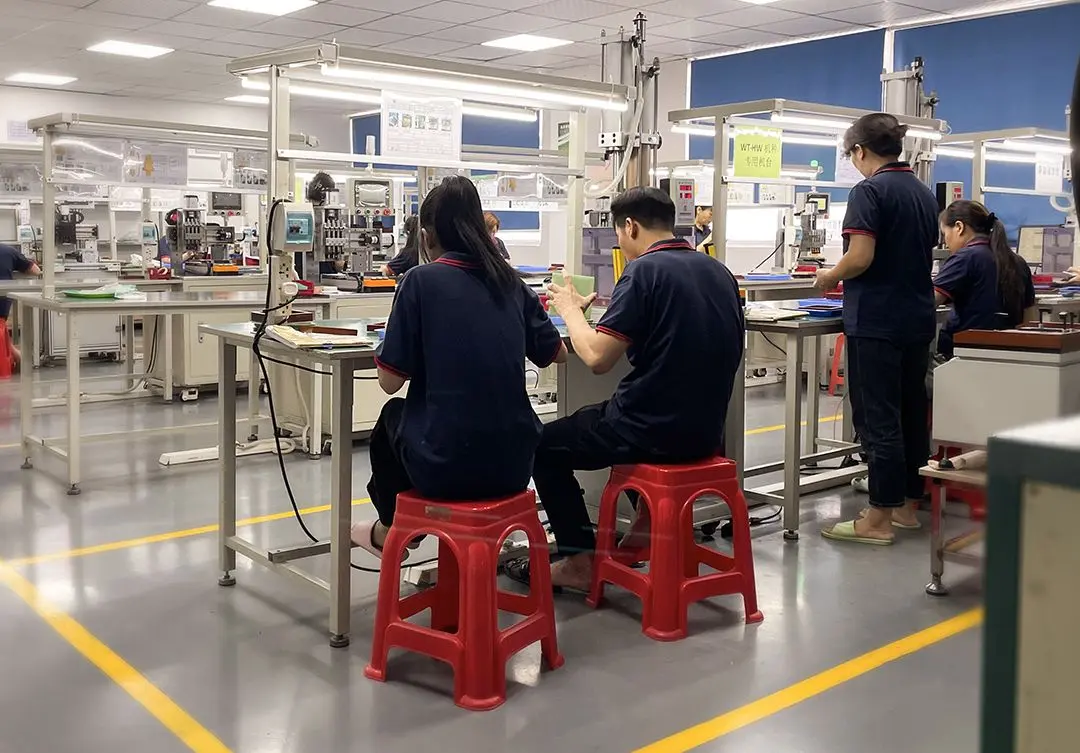
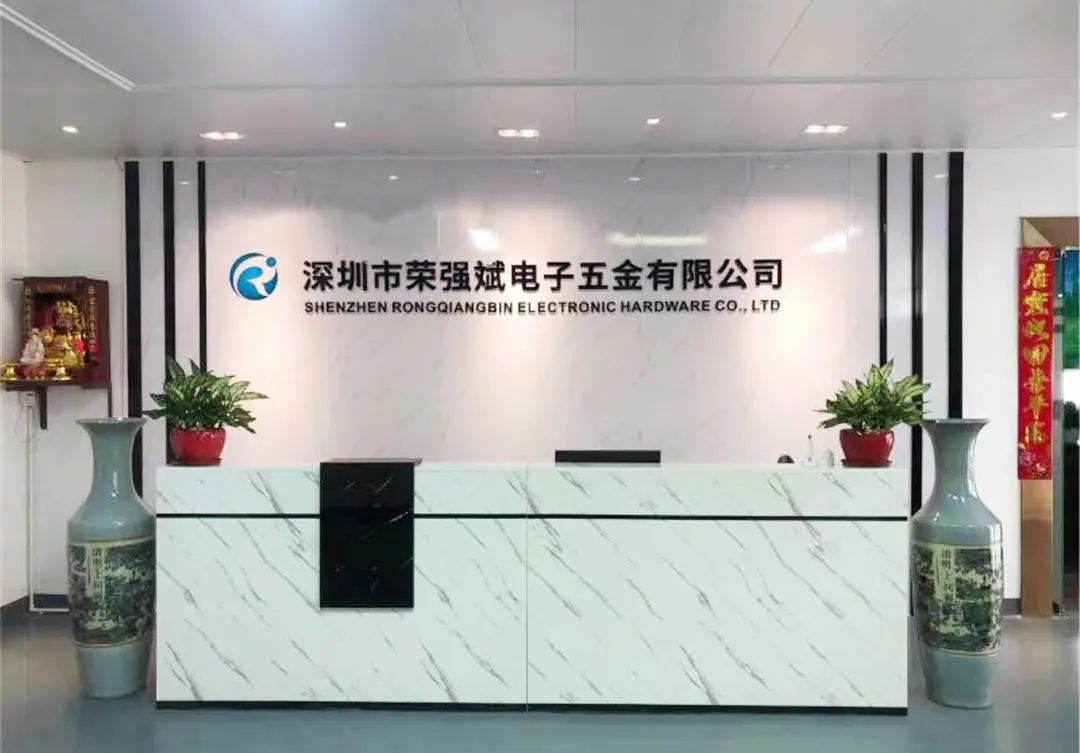
Bridging Shenzhen's electronics ecosystem with Sweden's high-tech industrial parks
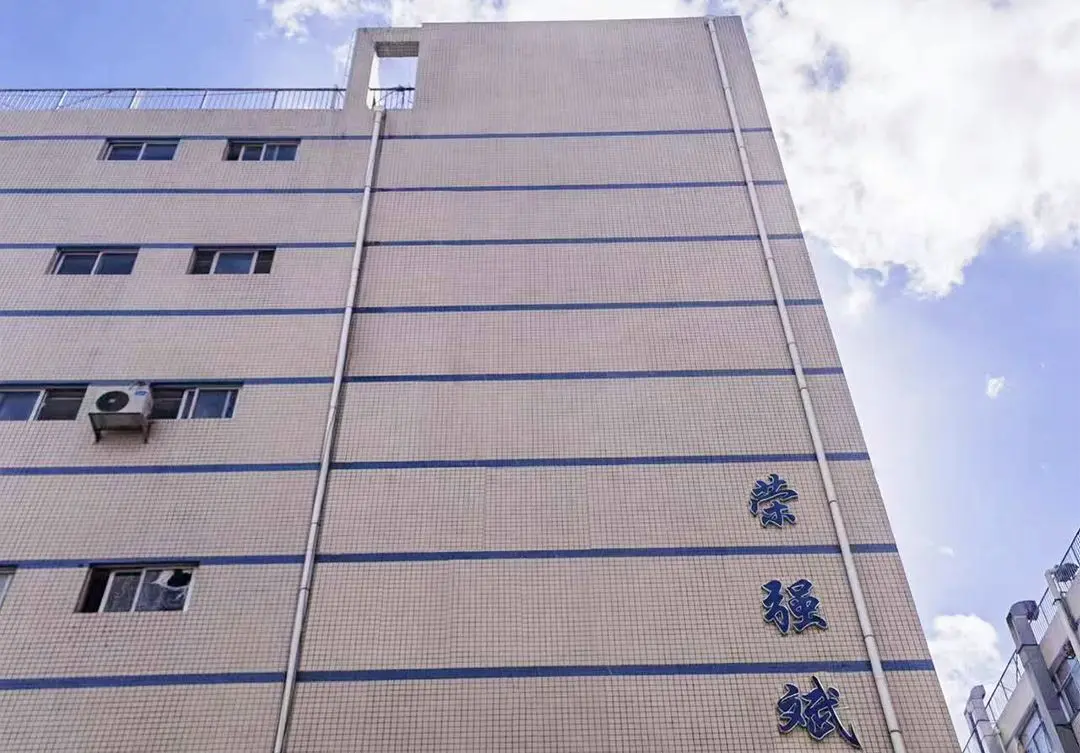
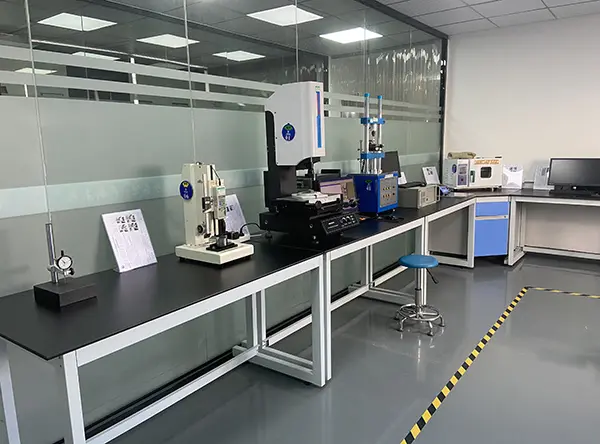
Operating in Shenzhen grants Rongqiangbin direct access to the world’s most concentrated component, plating, and raw material supply chain. This clustering effect allows us to dramatically accelerate prototyping timelines. For Sweden-based R&D teams facing tight project schedules, we can design custom high-frequency probe configurations, perform simulation analysis, and ship physical prototypes to Arlanda airport within 5 to 7 business days.
Additionally, our automated production assembly line dramatically lowers operational costs while keeping variations to a minimum. Advanced automated optical inspection (AOI) systems check each pin dynamically for concentricity, stroke force, and electrical resistance. This guarantees that whether you order 1,000 or 100,000 units, the performance remains completely consistent.
Authorized supplier to some of the world's most demanding technology companies
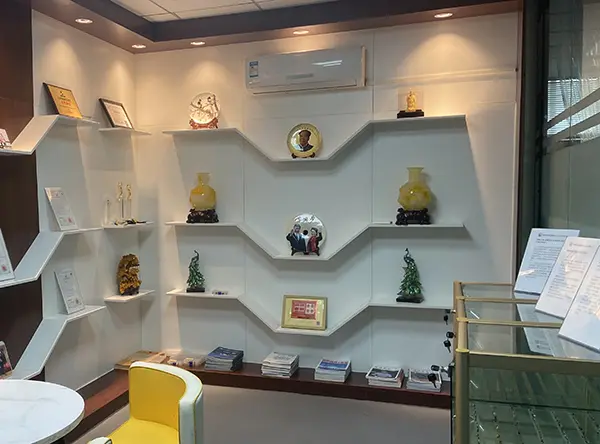
We pride ourselves on meeting the engineering criteria set by global technology leaders. Our components serve high-stress environments in hardware from Honeywell, Samsung, Siemens AG, ZTE, 360, QCY, Haylou, Shanghai Laimu, Luxshare Group, Aoni Electronics, and Amphenol Group. This proven track record ensures we can confidently handle the high-reliability demands of the Swedish aerospace, automotive, and defense industries.
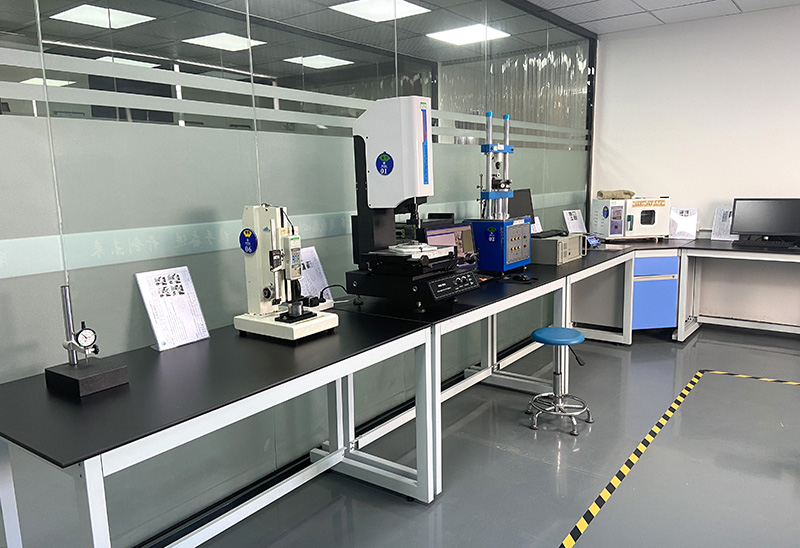

Addressing next-generation testing limits: 112 Gbps PAM4, mmWave, and sub-0.2mm micro-pitches
As industry requirements march toward PCIe Gen 6/7, 800G optical transceivers, and advanced mmWave platforms, high-frequency testing needles must continuously evolve. Our engineering roadmap targets two key areas:
With packaging densities increasing and pitch sizes dropping below 0.3mm in next-generation BGA and CSP chips, traditional spring probes hit physical limitations. Our current R&D efforts are focused on high-precision MEMS-based needles capable of testing pitches as small as 0.15mm while maintaining mechanical strength and impedance integrity.
To tackle high-temperature testing demands (often exceeding 150°C in automotive electronics), we are engineering proprietary alloys for internal springs that resist relaxation. Simultaneously, we are evaluating new rhodium-based surface finishes to prevent solder migration and pick-up, lengthening probe life in automated settings.
Receive custom engineering CAD designs, RF simulation reviews, and prompt quotes matching your exact testing fixture specifications.
Send Inquiry NowEssential insights for Swedish procurement leads and test engineers
Our standard high-frequency coaxial probes easily handle signals up to 6 GHz, while our specialized mmWave test needles maintain excellent performance up to 40 GHz and beyond, keeping insertion loss below -1.5dB and return loss above -15dB.
Yes. We design and test coaxial probes tailored to a strict 50 Ohm target (or 75 Ohm for video/broadcast testing). We optimize dielectric materials and internal clearances to keep impedance deviation within ±5%.
Depending on the style of tip, spring force, and testing conditions, our high-frequency probes typically exceed 500,000 compression cycles under clean room conditions, and 100,000+ cycles in aggressive industrial environments.
Absolutely. All materials, gold-plating solutions, and raw metal stocks are strictly monitored. We supply full EU compliance documentation, including certificates for RoHS and REACH, with every shipment.
Standard probe configurations are shipped directly from stock in 3-5 days. Customized probe designs typically take 10-15 working days for tooling and manufacturing, followed by 3-5 days express air shipping to Sweden.
Yes, we support initial engineering phases. We offer small batch sizes for prototype validation and custom product development before moving to mass production.
Precision pogo pins, magnetic chargers, and custom interface solutions serving Swedish industrial applications
 Rongqiangbin Electronic