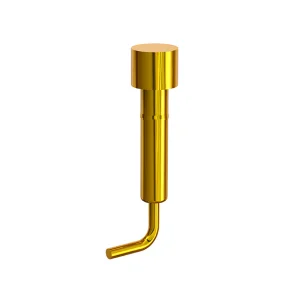
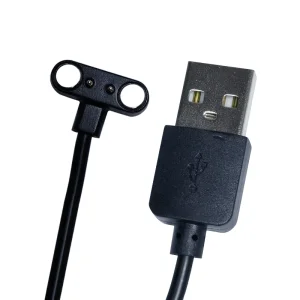
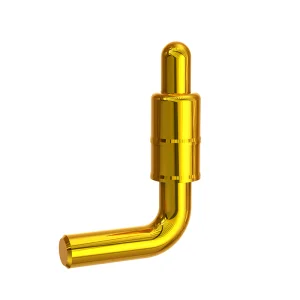
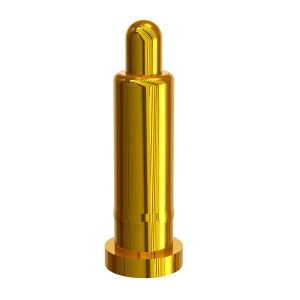
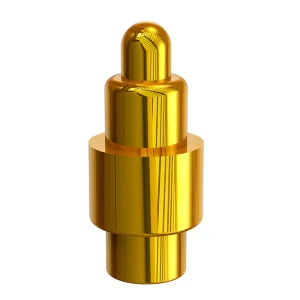
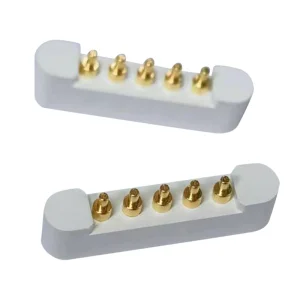
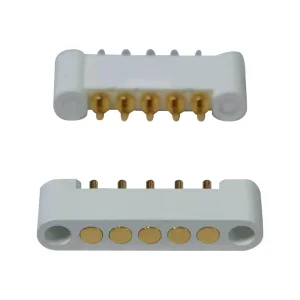
Engineered to deliver exceptional conductivity, low contact resistance, and long life cycles for demanding applications.
Switzerland is internationally renowned for micro-precision manufacturing, a heritage that dates back to the watchmaking guilds of the 18th century. Today, Swiss mechanical engineers utilize state-of-the-art lathes and turning centers to produce micro-connectors that power aerospace, defense, and high-frequency diagnostic equipment. Swiss industrial hubs like the Jura region, Neuchâtel, and Lausanne host pioneering electronic hardware clusters dedicated to micromechanics.
However, modern technology developments demand more than just micrometer-precision design; they require rapid scalability, high-frequency performance testing, and deep cost optimization. The Swiss high-precision market faces growing pressure to deliver high-volume orders under strict timelines. As a result, many European OEMs are turning to a hybrid model: design and validate in Switzerland, and partner with highly capable manufacturing plants in Shenzhen to execute scale production without sacrificing mechanical tolerances.
Demands for modern spring-loaded interface systems are evolving rapidly. Technical parameters that were once considered premium are now baseline requirements for industrial engineering.
Modern telecommunications and computing interfaces demand 5G-ready and high-speed data connections. Pogo pins are designed as coaxial assemblies to maintain impedance values of 50Ω/75Ω and support frequencies exceeding 10 GHz.
For electric vehicles and quick-charge wearables, connector solutions must handle currents ranging from 2A up to 30A. Implementing ball-in-cup or bias-cut plunger designs prevents spring burnout by keeping resistance values low and stable.
Medical wearables and industrial outdoor sensors require IP67/IP68 sealing. Advanced insert-molding, O-ring integrations, and custom elastomer housings guarantee performance even when submerged under water.
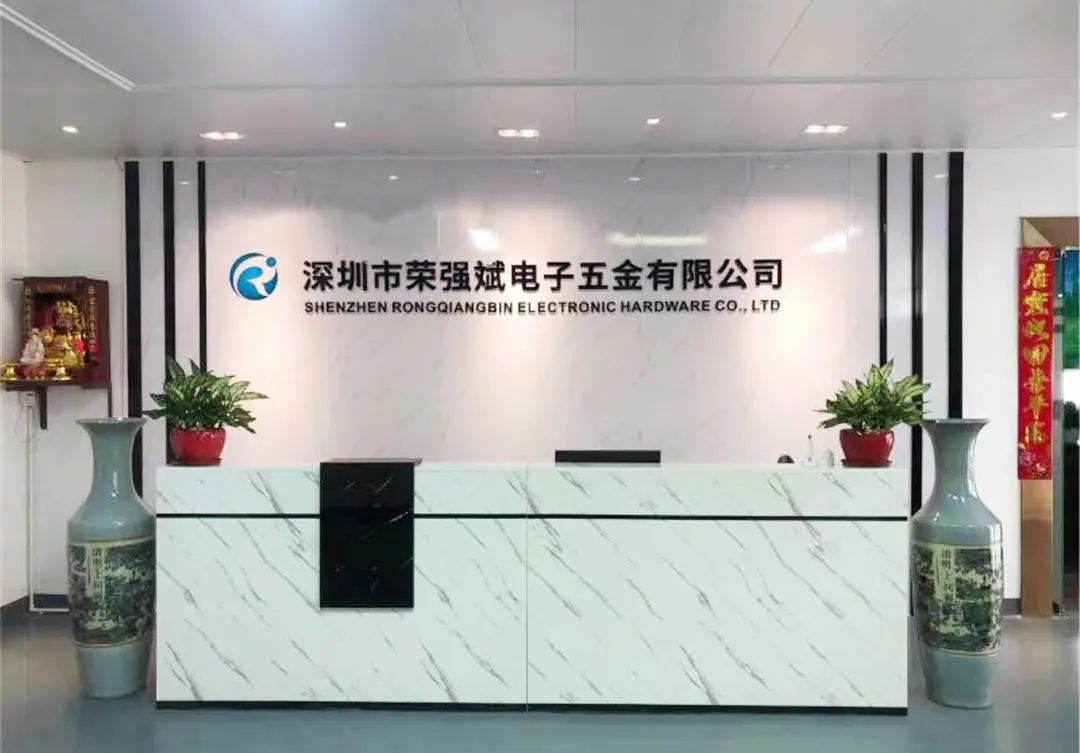
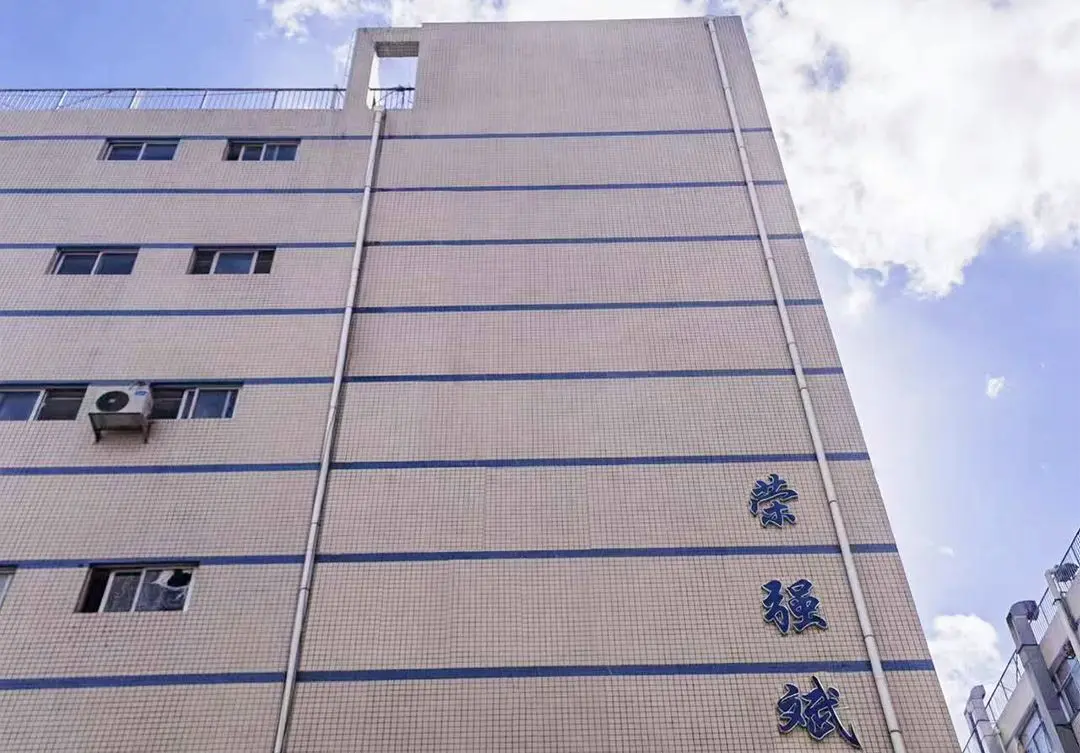
Founded in February 2011, Shenzhen Rongqiangbin Electronic Hardware Co., Ltd. (located in Songgang, Shenzhen, at the center of the Guangdong-Hong Kong-Macao Greater Bay Area) specializes in developing and manufacturing high-precision pogo pin connectors.
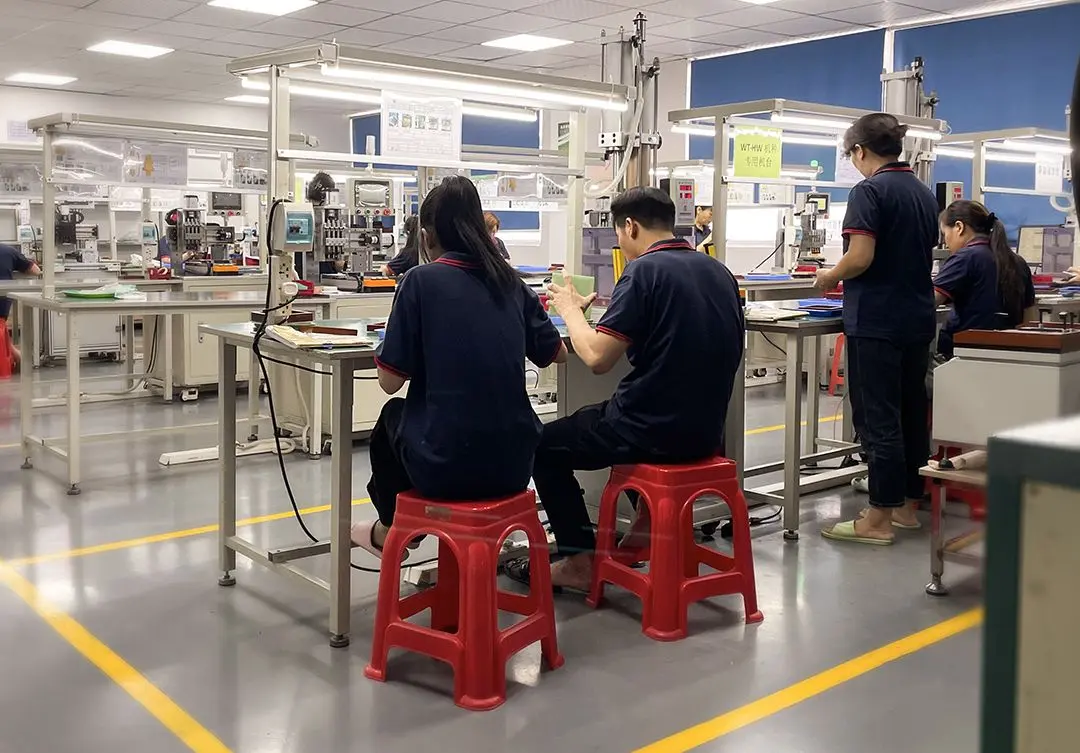
By blending Western precision standards with our high-speed manufacturing ecosystem, we have grown into an industry leader. We utilize automated production lines, advanced plating technology, and strict quality control measures to deliver custom pogo pin systems that meet the rigorous standards of Swiss electronics firms at highly competitive price points.
Our operation is certified to the ISO9001:2015 quality management standard. Our engineering team supports Swiss clients from the initial prototyping phase all the way through to mass production, offering custom plating designs (such as thick gold or palladium-nickel layers) and unique multi-pin connector housings.
Swiss engineers design applications that demand excellent reliability. Our custom pogo pin solutions are tailored to these regional markets.
Based in Swiss Medtech hubs like Basel and Zürich, medical manufacturers require ultra-miniature, biocompatible pogo contacts. We supply non-magnetic, hypoallergenic materials with high-purity gold plating (up to 30 micro-inches) to withstand sweat, body fluids, and multiple autoclave cycles.
Geneva and Neuchâtel are world-famous watchmaking centers. The trend toward smart luxury hybrids requires small, high-density charging connections. We produce ultra-low-profile pins with high spring force to ensure stable charging within restricted case designs.
Swiss machinery manufacturers need heavy-duty connectors for automated sensor loops. Our multi-pin spring contacts are engineered to withstand continuous vibrations, high temperatures, and over 100,000 mating cycles without signal loss.
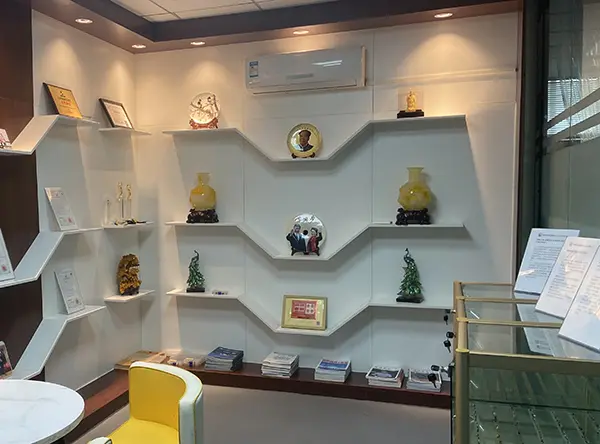
For more than 10 years, Shenzhen Rongqiangbin Electronic Hardware Co., Ltd. has delivered high-reliability connector systems to major international brands, including Honeywell, Samsung, SIEMENS AG, ZTE, 360, QCY, HAYLOU, Shanghai Laimu, Luxshare Group, Aoni Electronics, and the Amphenol Group.
Our focus on quality and customer service has helped us establish long-term partnerships with leading global technology firms.
A look at the mechanical forces, raw materials, and electroplating configurations that drive high-reliability performance.
We use high-purity C3604 brass for standard plungers and barrels. For applications requiring higher mechanical strength, we offer beryllium copper (BeCu) C17300, machined on high-speed CNC lathes to hold tolerances within +/- 0.005mm.
Springs are coiled using stainless steel (SUS304) or high-fatigue music wire. We customize spring forces (typically between 30g and 150g) to ensure reliable contact under vibration while protecting sensitive mating surfaces from wear.
We apply a nickel barrier layer (50–120 micro-inches) followed by a top gold layer (1–30 micro-inches). For medical and wearable applications, we offer alternative plating materials such as palladium-nickel (Pd-Ni) or platinum to prevent skin irritation and corrosion.
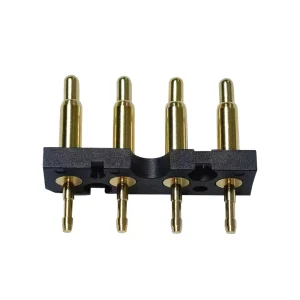
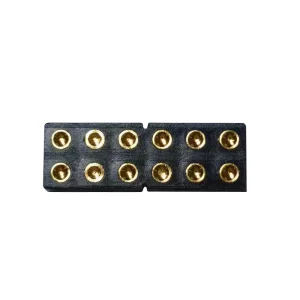
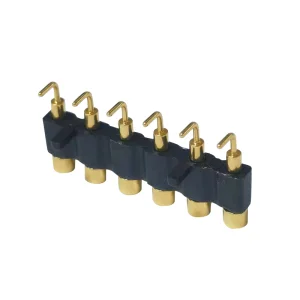
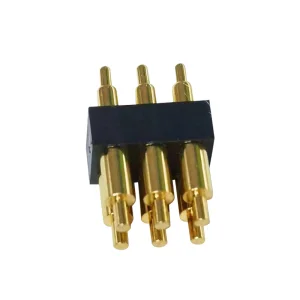
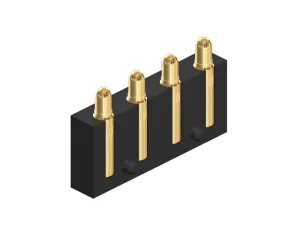
Explore our standard and custom layouts, engineered for direct PCB integration, cable systems, and docking interfaces.
Our engineering team can design custom pogo pin systems tailored to your exact requirements.
Start Custom DesignA reference guide for design engineers and procurement professionals to evaluate and audit potential pogo pin manufacturers.
Ensure the factory provides complete material testing reports (MTRs) and mill certificates for all brass, copper, and stainless steel raw materials. Check that all materials comply with RoHS 3 and REACH regulations to meet international environmental and safety standards.
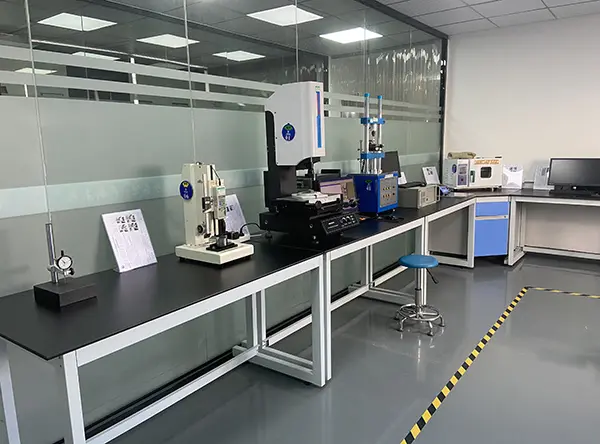
High-quality spring-loaded interfaces require precise dimensional control. Verify that the supplier uses Swiss-type turning lathes capable of holding critical dimensions within tolerances of ±0.005 mm or tighter.
Corrosion resistance and wear life depend directly on the quality of the plating. The manufacturer should perform regular cross-sectional testing using X-ray fluorescence (XRF) to verify the thickness of the nickel barrier and final gold plating layers.
To prevent defects in high-volume production, look for suppliers that use automated testing systems. This includes 100% inline optical inspection (AOI) to check dimensions, along with automated testing of spring forces and electrical resistance.
Expert technical answers to common questions about sourcing, designing, and applying pogo pin connector systems.
Partner with Rongqiangbin to combine Swiss-grade mechanical design with efficient, high-volume manufacturing. Send us your specifications, dimensions, or drawings today for a detailed technical quote.
Send Inquiry Now Rongqiangbin Electronic