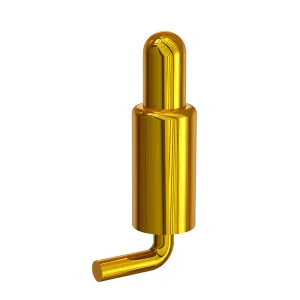
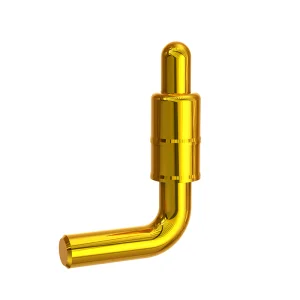
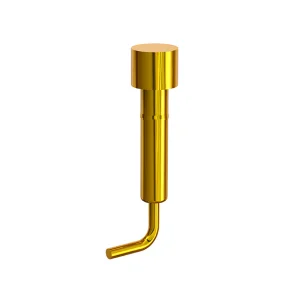
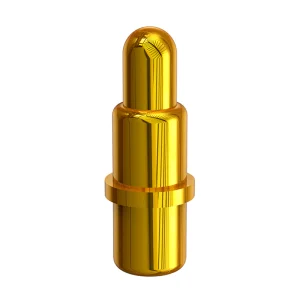
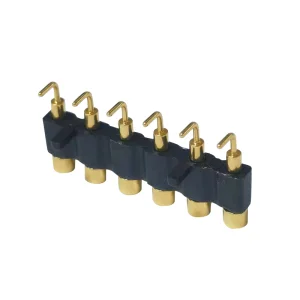
Explore our primary custom bending and DIP spring-loaded pins designed for demanding mechanical interfaces and PCB layout constraints.
The Australian industrial sector is undergoing a profound structural shift toward advanced automation, sovereign defense production, and intelligent resource extraction. Industries operating in the outback, coastal scientific stations, and high-tech urban manufacturing centers require hardware components that offer absolute electrical integrity under conditions of severe vibration, thermal extremes, and exposure to corrosive environments.
Traditional plug-and-socket connectors are increasingly replaced by spring-loaded contact connectors (pogo pins) due to their high cycle life, low contact resistance, high tolerance for dynamic alignment errors, and outstanding performance under continuous mechanical stress.
Our technical engineers formulate connector designs specifically for the harsh conditions of Australian mines, coastal research labs, and industrial environments:
| Engineering Metric | Standard Limit | Premium Option |
|---|---|---|
| Rated Current | 1A - 3A per pin | Up to 15A high-current |
| Contact Resistance | < 30 mΩ | < 10 mΩ (ultra-low) |
| Working Life | 20,000 cycles | Up to 1,000,000 cycles |
| Operating Temp | -40°C to +85°C | -55°C to +150°C (rugged) |
| Plating Specs | Au 3u" over Ni 50u" | Au up to 50u" (salt-spray proof) |
As electronic devices decrease in volume while processing power increases, connectivity components must support high frequency signals, higher currents, and compact dimensions.
Consumer IoT and clinical medical monitors now call for connector pitches scaling down to 0.4mm. Advanced CNC micro-turning permits wall thicknesses of under 0.05mm on barrels, pushing physical limits.
For industrial mobile robots (AMRs) and drone docks, charging connectors must carry large currents without overheating. Specially configured ball-point or bias-cut plungers safely handle up to 15A continuous current.
Outdoor installations and marine sensors face severe oxidation. Combining specialized PBT polymers, custom O-rings, and heavy gold or rhodium-ruthenium plating preserves contact integrity in harsh environments.
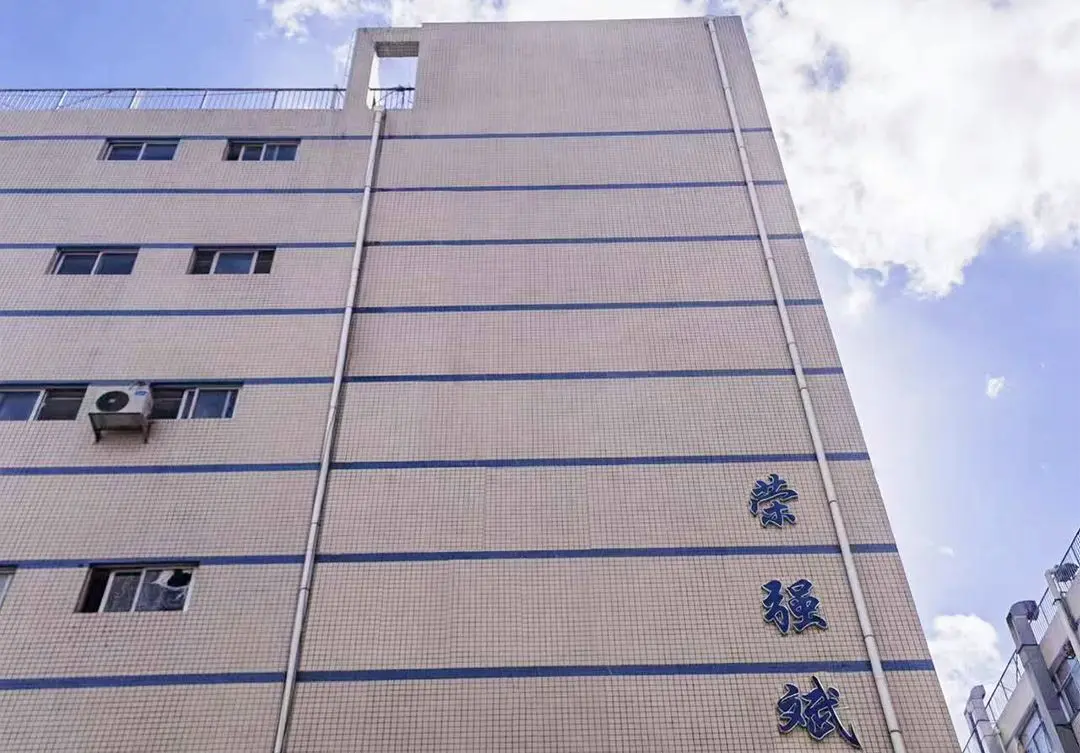
Founded in February 2011 in Songgang Street, Shenzhen—located in the heart of the Guangdong-Hong Kong-Macao Greater Bay Area—Shenzhen Rongqiangbin (RQB) has established itself as an innovative force in high-precision pogo pin manufacturing.
For more than a decade, we have focused on the R&D, engineering, and high-volume manufacture of spring-loaded contacts, pogo pin connectors, magnetic interface assemblies, and custom CNC precision turned parts. Our team operates on the core principle of "Customer First, Integrity First," forming long-term technical partnerships with domestic and international electronic equipment manufacturers.
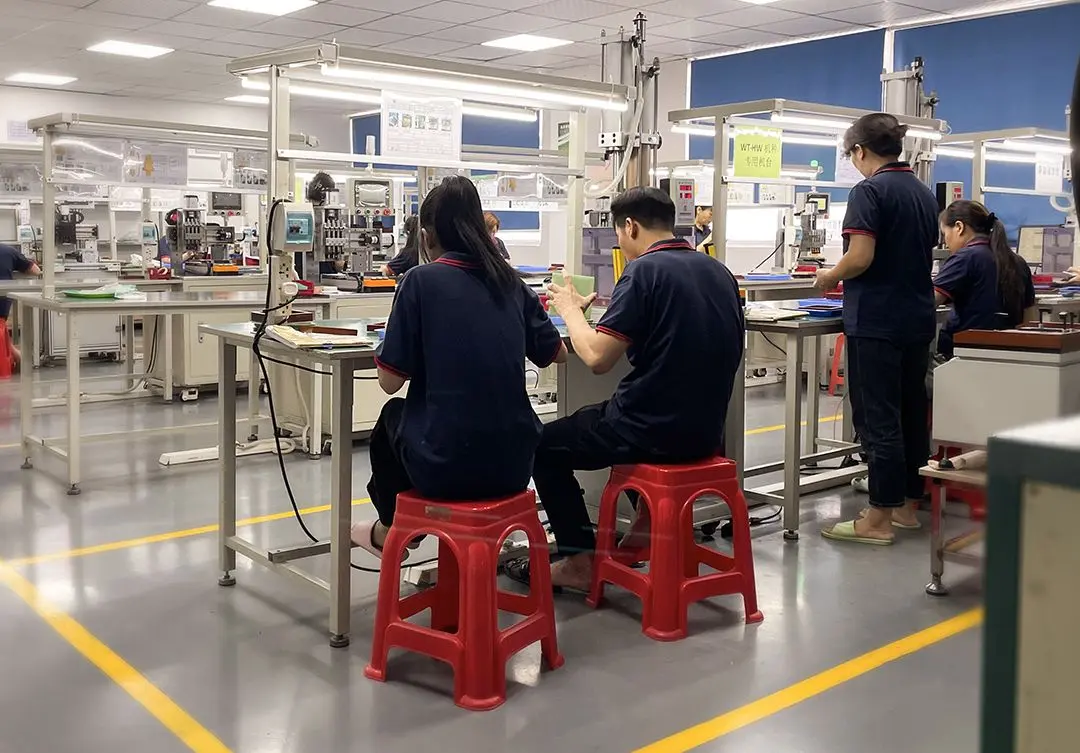

Leveraging Shenzhen's unique electronic manufacturing ecosystem, our manufacturing facility operates modern automatic assembly lines that combine micro-turning, precision molding, and online optical inspection (AOI). This ensures high throughput without compromising mechanical or electrical tolerances.
Over 300 patents related to contact structure optimization, high-current spring designs, and magnetic coupling technology.
Equipped with force-stroke displacement testers, salt spray chambers, dynamic contact resistance meters, and X-ray plating analysers.
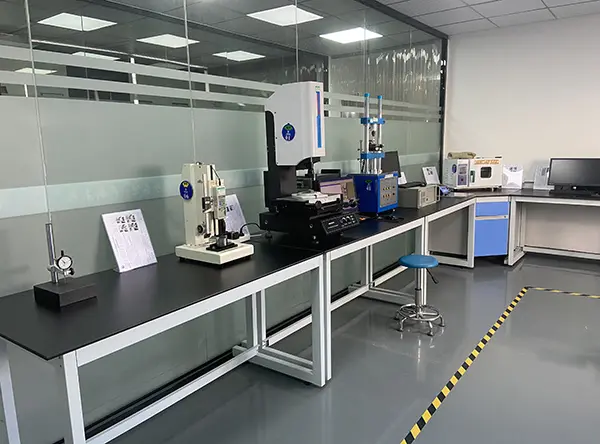
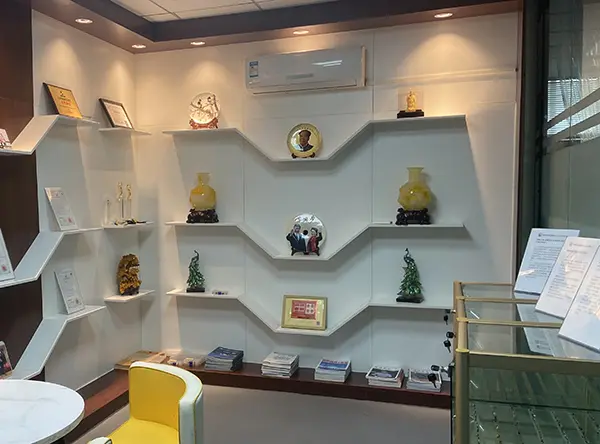
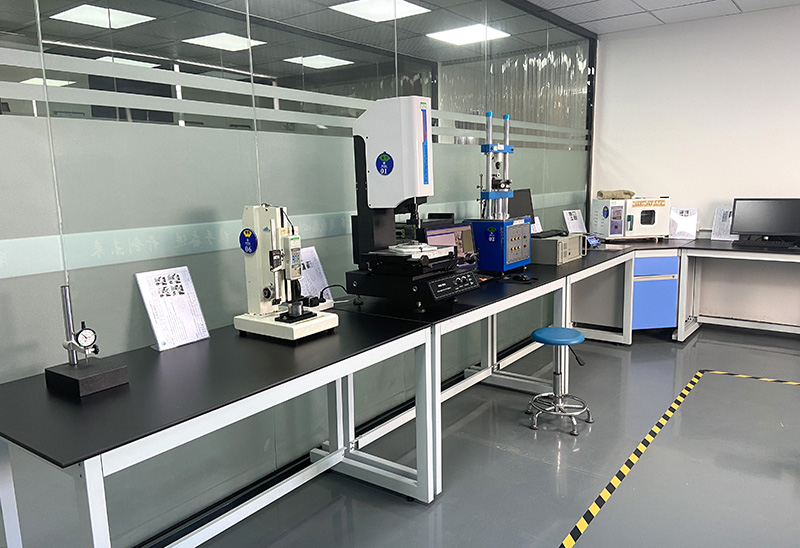
Our Quality Promise: Every batch ships with material analysis certifications, plating thickness verification records, and mechanical testing profiles.
Geographical distance remains a key challenge for the Australian electronics supply chain. By utilizing Shenzhen Rongqiangbin's digital manufacturing ecosystem, Australian engineering projects benefit from rapid component production and streamlined delivery pathways from Shenzhen to main Australian ports (Melbourne, Sydney, Brisbane, Adelaide, and Fremantle).
Our implementation of Factory 4.0 structures focuses on operational resilience and fast iteration:
Australia's coastal infrastructure presents challenging operating environments for connection systems. Selecting the correct materials helps prevent early failure from galvanic corrosion:
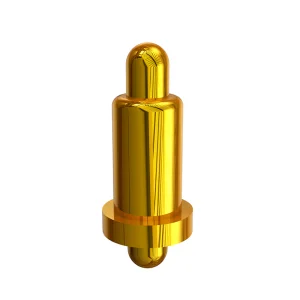
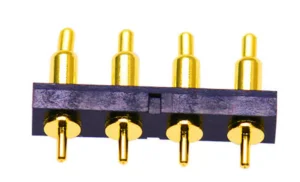
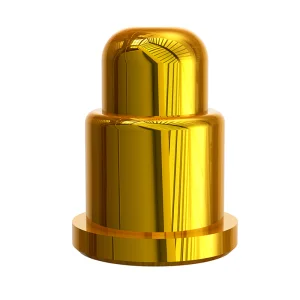
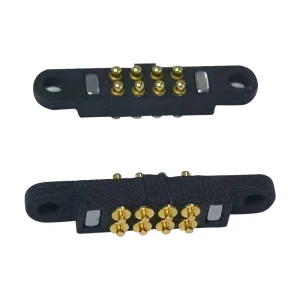
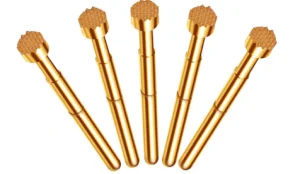
Standard and customizable pogo pin connectors, magnetic assemblies, waterproof blocks, and multi-pin pitch arrangements.
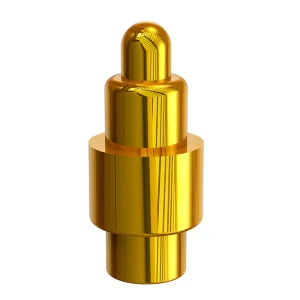
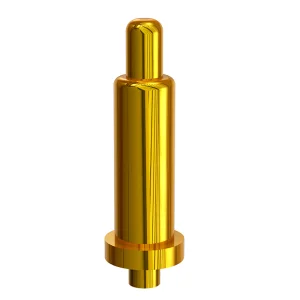
Answers to common engineering questions regarding the application, reliability, and manufacturing of pogo pins.
Get in touch with our engineering team today to receive 3D CAD models, material datasheets, and custom project pricing tailored to your mechanical design.
Response time: Within 24 Hours | Free Technical Design Evaluation
 Rongqiangbin Electronic